
Diamond Shapes · Buyer’s Guide from the Bench
Diamond shapes, and what each one costs
Choose the shape that fits the wearer and the budget, not a chart. Want the most sparkle and the only shape GIA grades for cut? Choose a round brilliant. Want a stone that looks larger on the hand for its carat and lengthens the finger? Choose an elongated oval, pear or marquise. Love clean, architectural lines and willing to spend on a better stone?
Choose an emerald or asscher step cut. This guide, written from a working SA cutting bench, walks every shape so you choose on the facts, then we cut or source the stone to that spec.
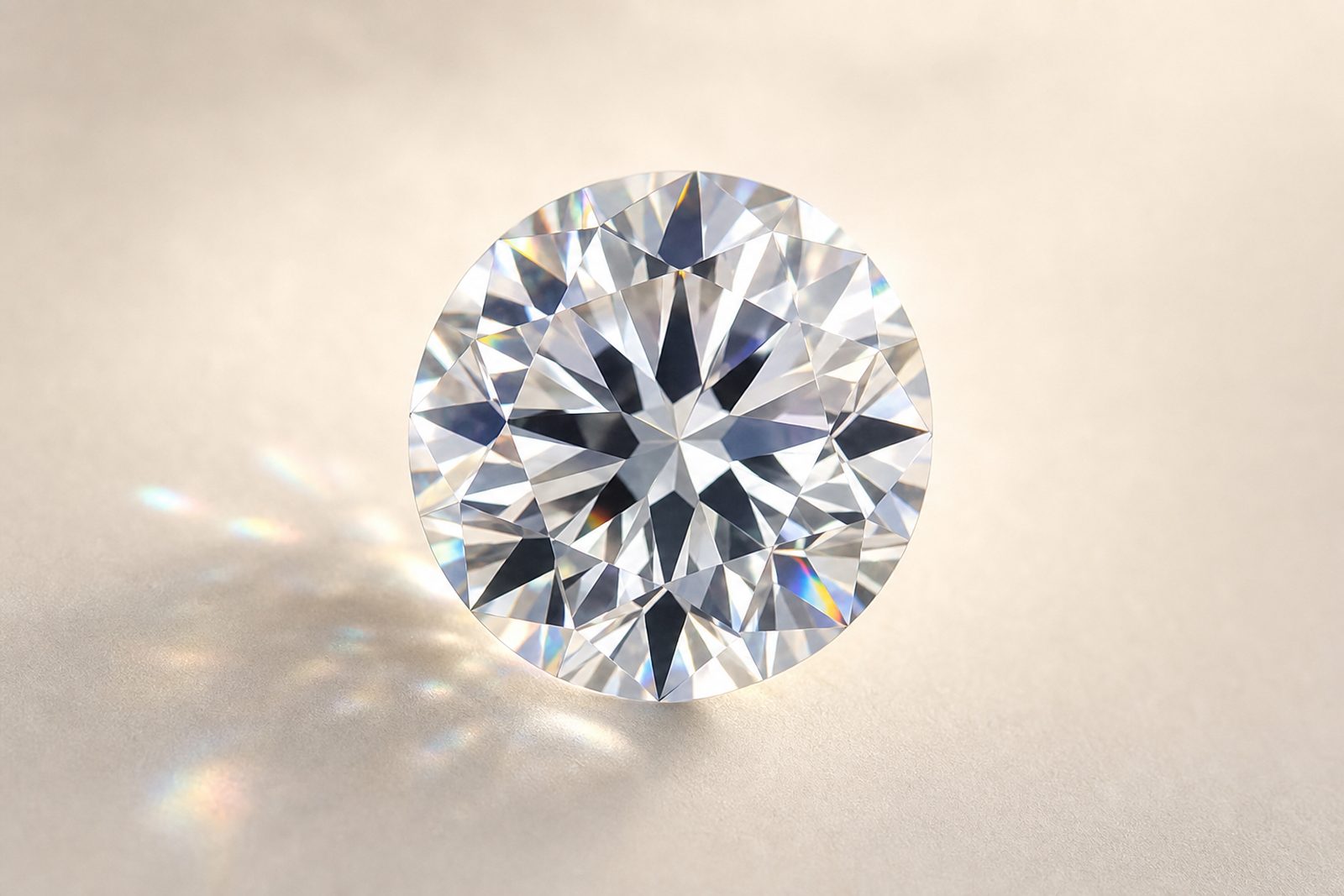
-
Natural diamonds only
We sell natural diamonds and diamond-set jewellery. Ask us about the grading report and available origin documentation for your chosen stone. Why we don’t sell lab-grown →
-
Independent grading reports
The grading laboratory is shown per stone. Review its report and the individual diamond before choosing; sourced examples can include GIA, EGL and IGI.
-
Insured delivery, SA & worldwide
Overnight across South Africa via Brink’s, G4S or our nominated jewellery courier. Insured worldwide dispatch via Ferrari Group and FedEx Custom Critical.
-
14-day in-person exchange
In-person sales at the viewing room come with a 14-day exchange courtesy on stock pieces. Distance-sale CPA cooling-off applies.
Diamond price guidance, captured 8 September 2026. These figures describe samples of sourced listings, with VAT and delivery for the stones included. They are not current stock guarantees. Settings and making are additional where jewellery is discussed; confirm the complete written quote.
What each diamond shape costs
In a sample of lower-priced 0.95–1.09 ct listings at H colour and SI1 clarity or better, the guide for round brilliant was R43 900 and for marquise is R68 000. These are different stones and samples; the gap does not isolate the effect of shape alone.
| Shape | 1 carat, H, SI1 | At capture | |
|---|---|---|---|
| Round brilliant | R43 900 | 1 823 | See these → |
| Cushion | R46 400 | 539 | See these → |
| Oval | R46 900 | 328 | See these → |
| Pear | R46 900 | 356 | See these → |
| Heart | R46 900 | 176 | See these → |
| Radiant | R47 300 | 166 | See these → |
| Princess | R47 800 | 327 | See these → |
| Emerald | R54 100 | 372 | See these → |
| Asscher | R59 300 | 116 | See these → |
| Marquise | R68 000 | 69 | See these → |
Shape guides use the median of up to 40 lower-priced returned listings, not the median of every stone on the market. Cut, fluorescence and the exact clarity mix vary. Compare current stones with their grading reports.
No two diamonds are the same
A table describes a market, not a stone. Two diamonds identical on paper can differ by a third in price and both figures be right: how well the stone is actually cut and how much light it returns, where the inclusions sit and whether the eye finds them, how strongly it fluoresces, and how keenly that one happens to be priced against the international trade benchmark on the day. We check every stone against that benchmark before we show it to anybody, and the number that matters is the one quoted in writing on the stone you actually choose.
Ask us what your budget buysSearch the live inventory →
Captured 8 September 2026; guide figures rounded up to the next R100. Colour and clarity tables use sampled medians and percentile bands; rows without a measured range may use a limited lower-priced sample. Prices and availability can change. Your written quote identifies the actual stone and all inclusions.
First, the only split that matters: brilliant or step
Before you compare ten outlines, understand the one distinction that explains how all of them behave. Diamond shapes fall into two cutting families, and which family a shape belongs to tells you more about how it will look than its outline does.
A brilliant cut carries many small triangular and kite-shaped facets arranged to scatter light into fine, restless sparkle. The round brilliant, oval, pear, marquise, princess, radiant, cushion and heart are all brilliant-faceted. Because the facets are busy, they break up the view into the stone, which means a brilliant hides inclusions and a touch of body colour, and lets you spend a little less on those two grades without the eye noticing.
A step cut uses fewer, longer, parallel facets cut in rows like the steps of a staircase. The emerald and asscher are the step cuts. Instead of fine sparkle they throw broad, mirror-like flashes of light and dark, the effect jewellers call a hall of mirrors.
It is a quieter, more architectural beauty, but the long open table is a clear window into the stone, so any inclusion or tint shows. Step cuts therefore ask for a better clarity and colour to look their best. Our plain guide to the 4Cs sets out how cut, colour, clarity and carat trade against each other once you have picked a family.
Diamond shape chart, at a glance
This chart is a fast orientation, not a verdict. Sparkle and size depend as much on how well a stone is cut as on its shape, so treat the rows as a starting point and judge the individual stone in the hand.
| Shape | Family | Best for | Size per carat |
|---|---|---|---|
| Round brilliant | Brilliant | Maximum sparkle, the classic, a GIA cut grade | Modest |
| Oval | Brilliant | Round-like fire with a larger, elongating look | Large |
| Pear | Brilliant | A distinctive point, lengthens the finger | Large |
| Marquise | Brilliant | The biggest face-up of all, dramatic | Largest |
| Princess | Brilliant | Square, modern, sharp brilliant sparkle | Modest |
| Radiant | Brilliant | A brilliant in an emerald’s rectangle | Medium |
| Cushion | Brilliant | Soft, antique character, broad fire | Medium |
| Emerald | Step | Architectural elegance, clean lines | Large |
| Asscher | Step | A square emerald, vintage hall-of-mirrors | Medium |
| Heart | Brilliant | Romantic, expressive, best above 0.50 ct | Medium |
Round brilliant: maximum sparkle, the only graded cut
The round brilliant returns more light than any other shape and is the one shape GIA assigns an overall cut grade to, from Excellent down to Poor.
Its 57 or 58 facets are arranged, over more than a century of refinement, to take light in through the crown and send it straight back to the eye as brilliance and fire, so it simply reads as the liveliest stone on the hand.
Because it works light so hard, a round also forgives a near-colourless grade and an eye-clean clarity and still faces up white, which frees budget for carat or cut. It tends to face up a little smaller than the elongated shapes for the same weight, the trade for all that fire. If you want the safe, brightest, most resaleable choice, this is it.
See the round brilliant engagement ring page for how we cut and set it to GIA Excellent.
Oval, pear and marquise: bigger on the hand, finger-flattering
These three elongated brilliants are the size champions. By spreading their weight over a longer outline rather than packing it into depth, they face up noticeably larger per carat than a round and visually lengthen and slim the finger. They keep much of the round’s fire because they are brilliant-cut, and they hide clarity and colour well.
- Oval reads like a stretched round: lots of sparkle, a softer, larger silhouette, and excellent value for face-up size. A well-cut oval keeps its central bow-tie, a faint darker zone across the middle, under control; a poorly cut one lets it dominate, so the cut matters. See the oval engagement ring page.
- Pear, a teardrop with one rounded end and one point, is distinctive and elongating; worn with the point toward the fingertip it slims the hand. The point is delicate and is protected with a V-claw. The pear-cut engagement ring page covers how we set and protect it.
- Marquise, an elongated boat shape with two points, faces up the largest of any shape for its carat and makes a dramatic statement. Like the pear it needs symmetry and a controlled bow-tie, and V-claws on both points. The marquise engagement ring page has the detail.
Princess, radiant and cushion: brilliant fire in a fuller outline
These three are brilliant-cut fancies that deliver sparkle in a squarer or softer shape than the round, each with its own character.
- Princess is square with sharp corners and a crisp, modern brilliant sparkle. It faces up a little smaller per carat than the elongated shapes and its pointed corners need protective claws, but it is a striking, contemporary alternative to the round. See the princess-cut engagement ring page.
- Radiant is a brilliant cut in an emerald’s rectangular outline with trimmed corners: it gives you the clean rectangle many buyers love about the emerald, but with full brilliant fire and the inclusion-hiding forgiveness of a brilliant. It bridges the two families nicely. The radiant-cut engagement ring page covers ratio and setting.
- Cushion is a soft-cornered square or rectangle with a rounded, pillow-like outline and a warm, broad fire that many find more romantic and antique than the round’s precise glitter. It carries colour and clarity well. The cushion-cut engagement ring page covers how we cut and set this pillow-soft brilliant.
Emerald and asscher: the step cuts, where clarity shows
The two step cuts trade fine sparkle for a calm, architectural elegance, and because their open tables are a clear window into the stone they reward spending on a better stone. This is the opposite of how you spec a brilliant, and it is exactly where buying from the cutter pays off, because the bench chooses a stone whose inclusions sit clear of the open centre.
- Emerald is a rectangular step cut whose long, open facets throw broad mirror-like flashes, the hall-of-mirrors look. It faces up large for its weight and is the most understated, timeless shape, but it wants a higher clarity, generally VS or better, and a stronger colour because tint and inclusions show. The classic length-to-width ratio sits near 1.40. See the emerald-cut engagement ring page.
- Asscher is, in effect, a square emerald: a step cut with a near-square outline, cropped corners and concentric facets that draw the eye down into the stone like a hall of mirrors, with a distinctly vintage, Art Deco character. It has the same demands as the emerald, a better clarity and colour, and faces up a little smaller for its weight because it is squarer. We cut and set asscher stones to order; brief us for one.
Heart: the romantic statement
The heart is a brilliant-cut stone shaped, as the name says, into a heart, and it is the most overtly romantic and expressive shape. Because the outline is complex, it works best from about 0.50 ct upward, where the two lobes and the cleft read clearly; below that the shape can get lost on the hand.
It calls for good symmetry, the two halves matched and the cleft crisp, and a setting that protects the point. It hides clarity and colour like other brilliants. We cut and set heart-shaped diamonds to order around your chosen stone.
How we help you choose, then cut the stone
Because we cut some stones on our own bench and source the rest to order rather than sell from a fixed case, choosing a shape is a conversation about you, not a sales pitch for stock.
- 01
Talk through the wearer
Hand and finger, taste, lifestyle and the look you are after, plus your budget and deadline. We respond within 24 hours.
- 02
Match shape to spec
We set the right clarity, colour and carat for the shape you lean toward, a different spec for a step cut than a brilliant, against your budget.
- 03
See the stones
GIA or EGL certified candidates on the daylight tray in Bedfordview, or by video and WhatsApp anywhere in South Africa, each with its report.
- 04
Cut, set and deliver
The stone is cut and set in-house on our Bedfordview bench, then handed over by appointment or sent insured and overnight nationwide, with its certification and a written valuation.
Cut is the one variable that decides how alive a stone of any shape looks, so once you have a shape in mind, read our complete guide to diamond cut next. When you are ready to see real, fully landed figures, the source-a-diamond service quotes firm ZAR prices for the exact shape, carat and grade you want, and a custom commission turns the stone you choose into a finished ring.
Diamond shapes: common questions
Which diamond shape is the best?
There is no single best shape; there is the shape that fits the wearer and the budget. If you want maximum sparkle and the easiest stone to buy well, choose a round brilliant, the only shape GIA grades for cut. If you want the most size on the hand for the carat, an elongated shape like oval, pear or marquise faces up larger.
If you love clean architectural lines and are willing to spend on a better stone, an emerald or asscher step cut is the choice. We help you weigh sparkle, perceived size, clarity, colour and finger flattery against your budget, then cut the stone in-house.
What is the difference between a brilliant cut and a step cut?
A brilliant cut has many small triangular and kite-shaped facets arranged to scatter light into fine, lively sparkle; the round brilliant, oval, pear, marquise, princess, radiant, cushion and heart are all brilliant-faceted. A step cut has fewer, longer, parallel facets cut in rows like a staircase, which throw broad mirror-like flashes of light and dark rather than fine sparkle; the emerald and asscher are step cuts.
Brilliants hide inclusions and tint better because the busy facets break up the view into the stone. Step cuts are calmer and more architectural, but their open tables show clarity and colour, so they ask for a better stone.
Round versus oval, which should I choose?
Choose a round brilliant for the most sparkle and the security of a GIA cut grade, and an oval if you want a stone that looks larger for its weight and elongates the finger. An oval and a round of the same carat hold roughly the same weight, but the oval spreads that weight over a longer outline, so it reads bigger face-up.
The round sparkles harder and more evenly; a well-cut oval sparkles beautifully too but can show a faint darker zone across the centre called the bow-tie, which a careful cut minimises. We pick ovals with a well-controlled bow-tie and cut every round to GIA Excellent.
Which diamond shape looks the biggest for its carat?
The elongated brilliant shapes look the biggest for their carat, because they spread their weight over a longer outline rather than packing it into depth. Marquise, pear and oval typically face up largest per carat, followed by emerald and radiant; round brilliant and the squarer princess, cushion and asscher tend to face up smaller for the same weight because more of their mass sits below the girdle.
Elongated shapes also flatter and lengthen the finger. Carat is weight, not size, so two stones of equal carat can look noticeably different on the hand depending on shape and cut.
Why does only the round brilliant have a GIA cut grade?
The round brilliant is the only shape whose facet geometry is standardised enough for GIA to grade overall cut, from Excellent down to Poor, on every report. Fancy shapes vary so much from stone to stone in outline and faceting that GIA reports their polish and symmetry but does not assign an overall cut grade.
In practice this means a round buyer can lean on the grade, while a fancy-shape buyer should rely on a working cutting house judging light return in person, which is exactly what we do before we cut or recommend a stone.
What clarity and colour should I choose for each shape?
Brilliant shapes, round, oval, pear, marquise, princess, radiant, cushion and heart, hide inclusions and tint well, so you can usually accept an eye-clean VS or SI clarity and a near-colourless G to I grade and still have the stone face up white and clean.
Step cuts, the emerald and asscher, have open tables that act like a clear window into the stone, so any inclusion or hint of body colour shows; we recommend a higher clarity, generally VS or better, and a stronger colour for those. The right spec therefore depends on the shape, which is why we set it per stone rather than to a rule.
Do you cut and sell every diamond shape?
Yes, we cut and supply natural diamonds in every standard shape, round brilliant, oval, pear, marquise, princess, radiant, cushion, emerald, asscher and heart, with the centre stone cut on our own bench or sourced to order. Each comes with its GIA or EGL report, and engagement rings are made to order around your chosen stone.
We deal only in natural, mined diamonds; if you are weighing lab-grown, we will help you compare the pros and cons of each fairly before you decide.
Last reviewed: June 2026.