
Halo Engagement Rings · Bedfordview, Johannesburg
Halo engagement rings, a brilliant frame around the centre diamond, in South Africa.
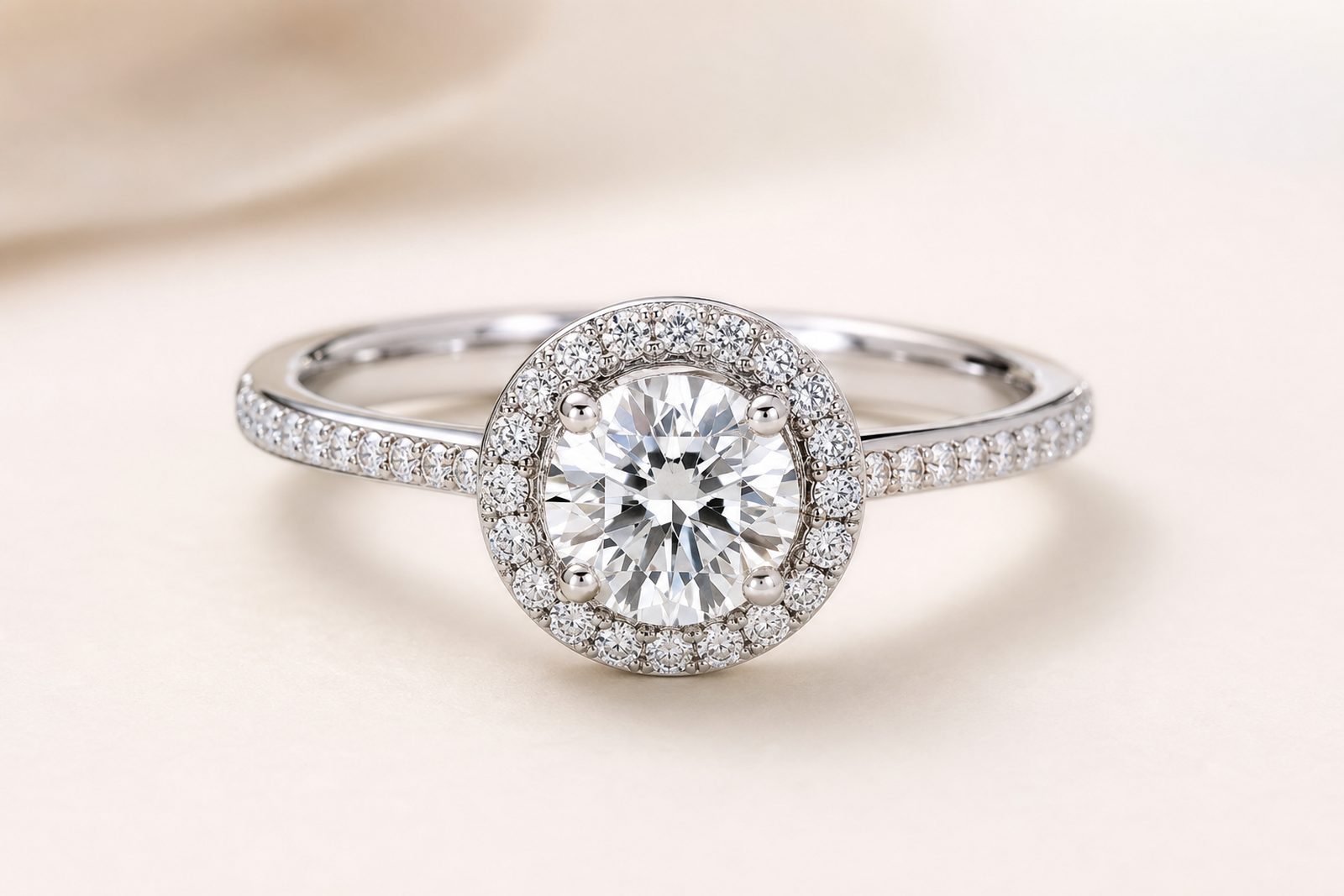
Halo diamond engagement rings frame the centre stone with smaller natural diamonds. Choose a single, double or hidden halo, then compare the complete design, centre diamond and setting cost with Prodiam in Bedfordview.
Single, double and hidden halo settings, in 18k white, yellow or rose gold and platinum, around natural, GIA-certified diamonds, with insured delivery anywhere in South Africa.
Brief us on a halo ring Get a firm ZAR diamond price → Compare with solitaire →
-
Natural diamonds only
We sell natural diamonds and diamond-set jewellery. Ask us about the grading report and available origin documentation for your chosen stone. Why we don’t sell lab-grown →
-
Independent grading reports
The grading laboratory is shown per stone. Review its report and the individual diamond before choosing; sourced examples can include GIA, EGL and IGI.
-
Insured delivery, SA & worldwide
Overnight across South Africa via Brink’s, G4S or our nominated jewellery courier. Insured worldwide dispatch via Ferrari Group and FedEx Custom Critical.
-
14-day in-person exchange
In-person sales at the viewing room come with a 14-day exchange courtesy on stock pieces. Distance-sale CPA cooling-off applies.
Example settings · rendered design references
Halo settings we can make
Four halo designs from our bench, rendered as design references: a full pavé halo on a round and on a cushion, and the hidden halo on an oval and an emerald cut.
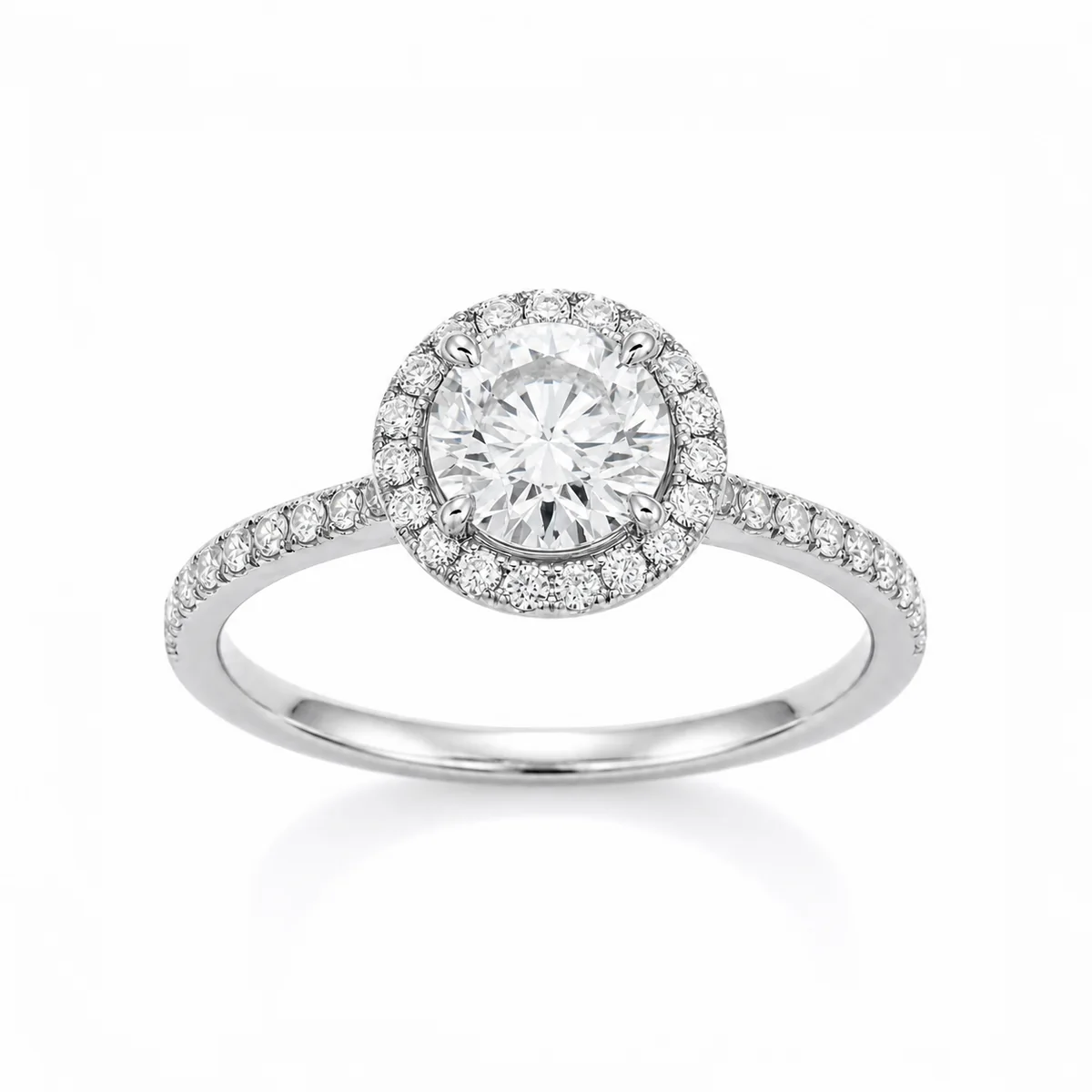
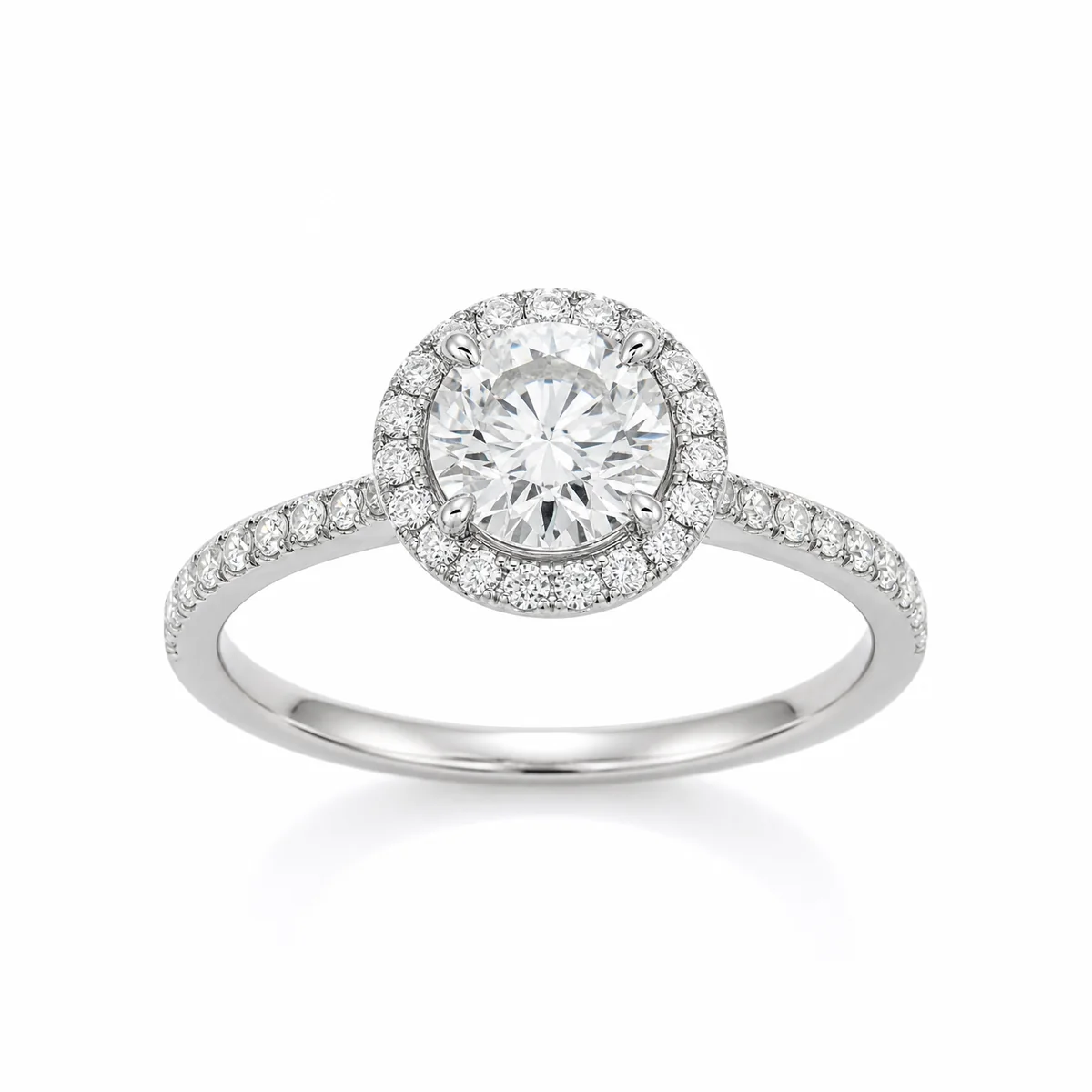
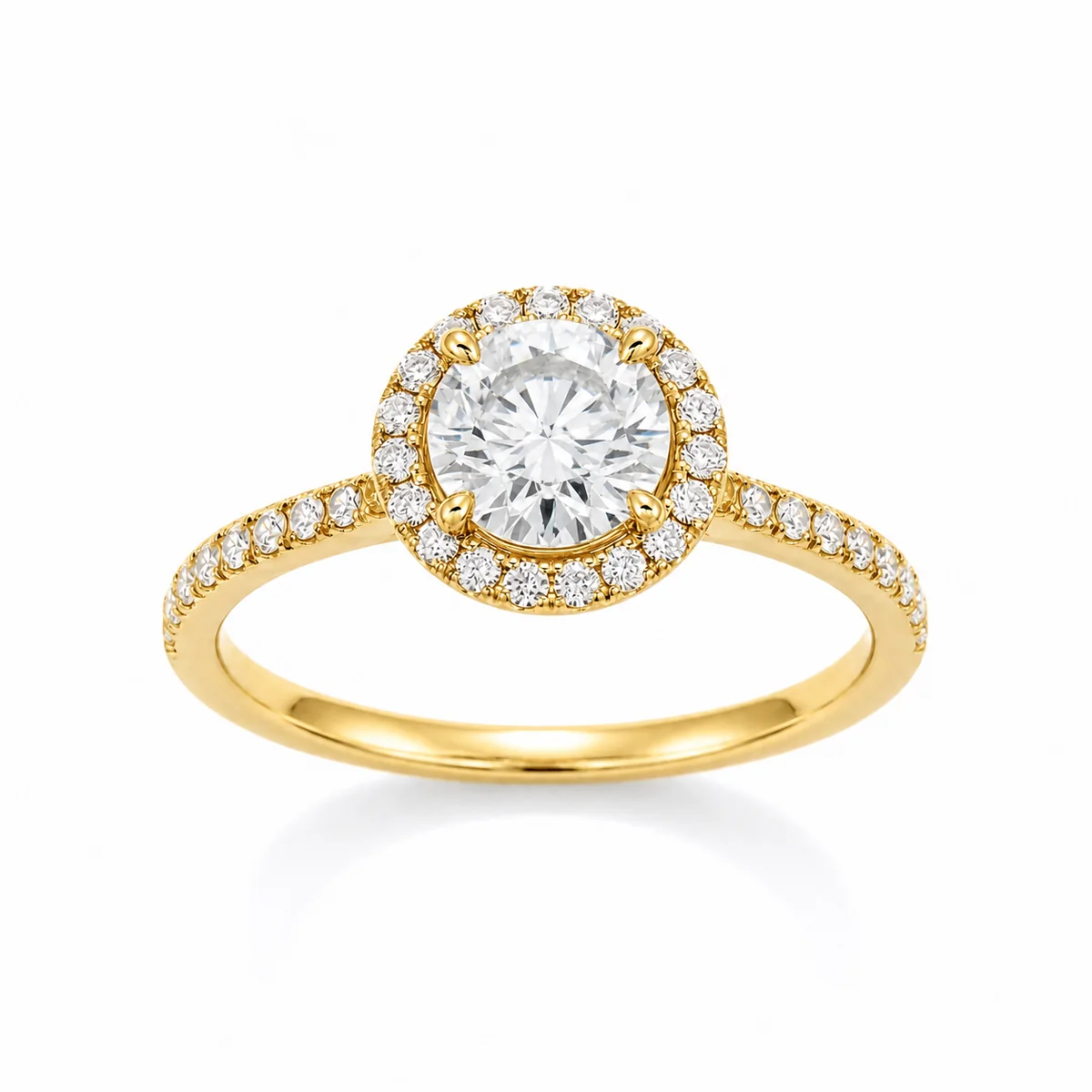
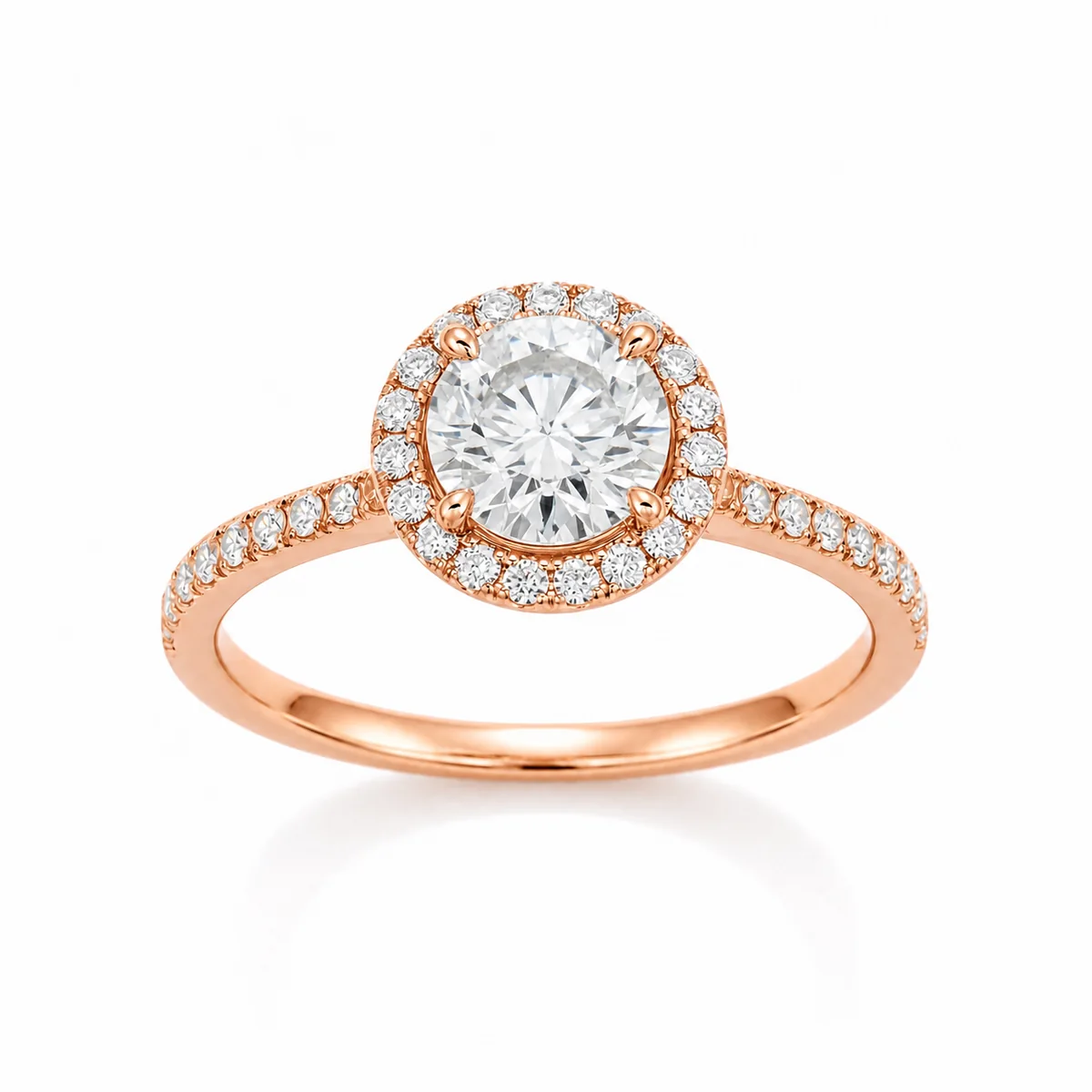 Halo with pavé bandReads a size larger than the centre stone alone.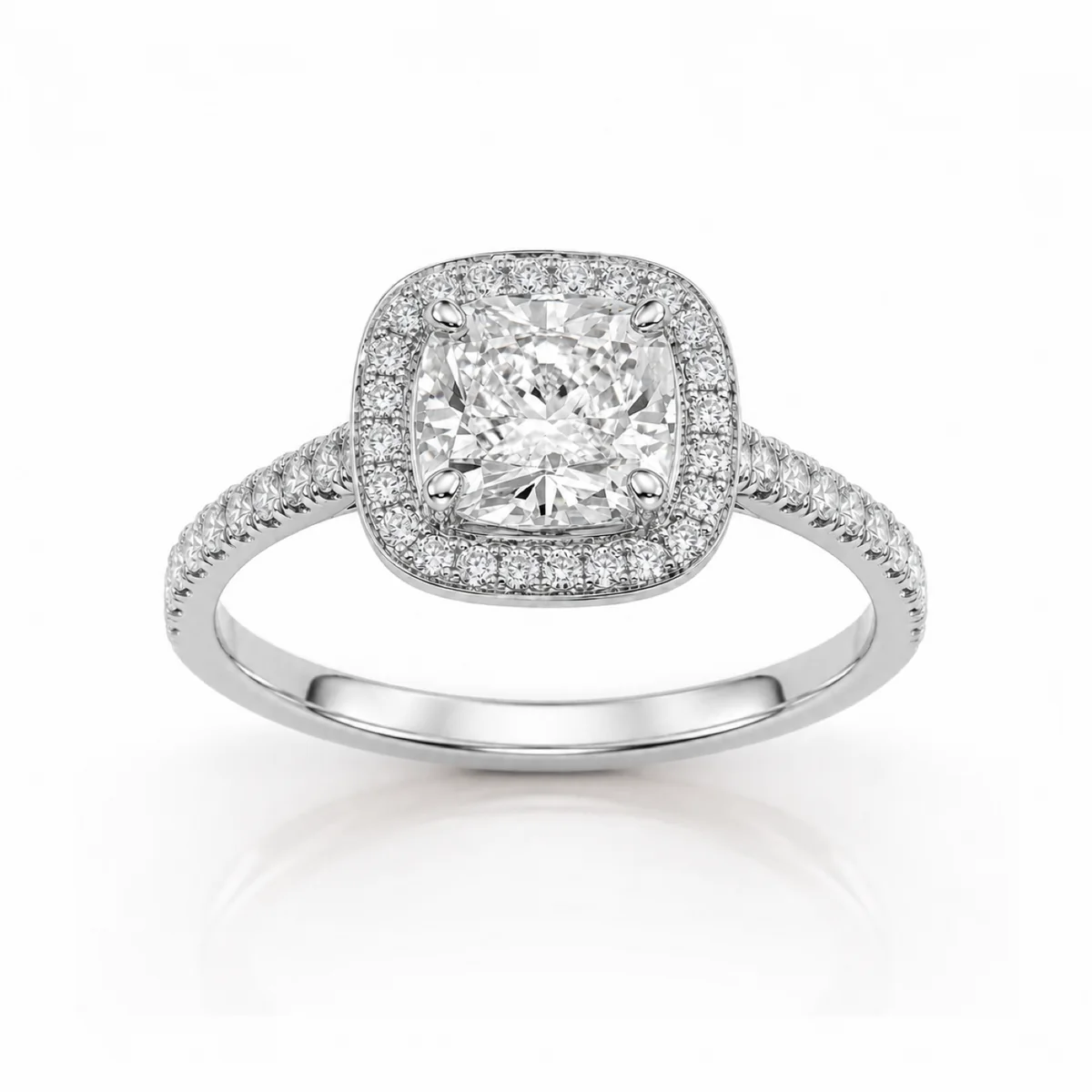
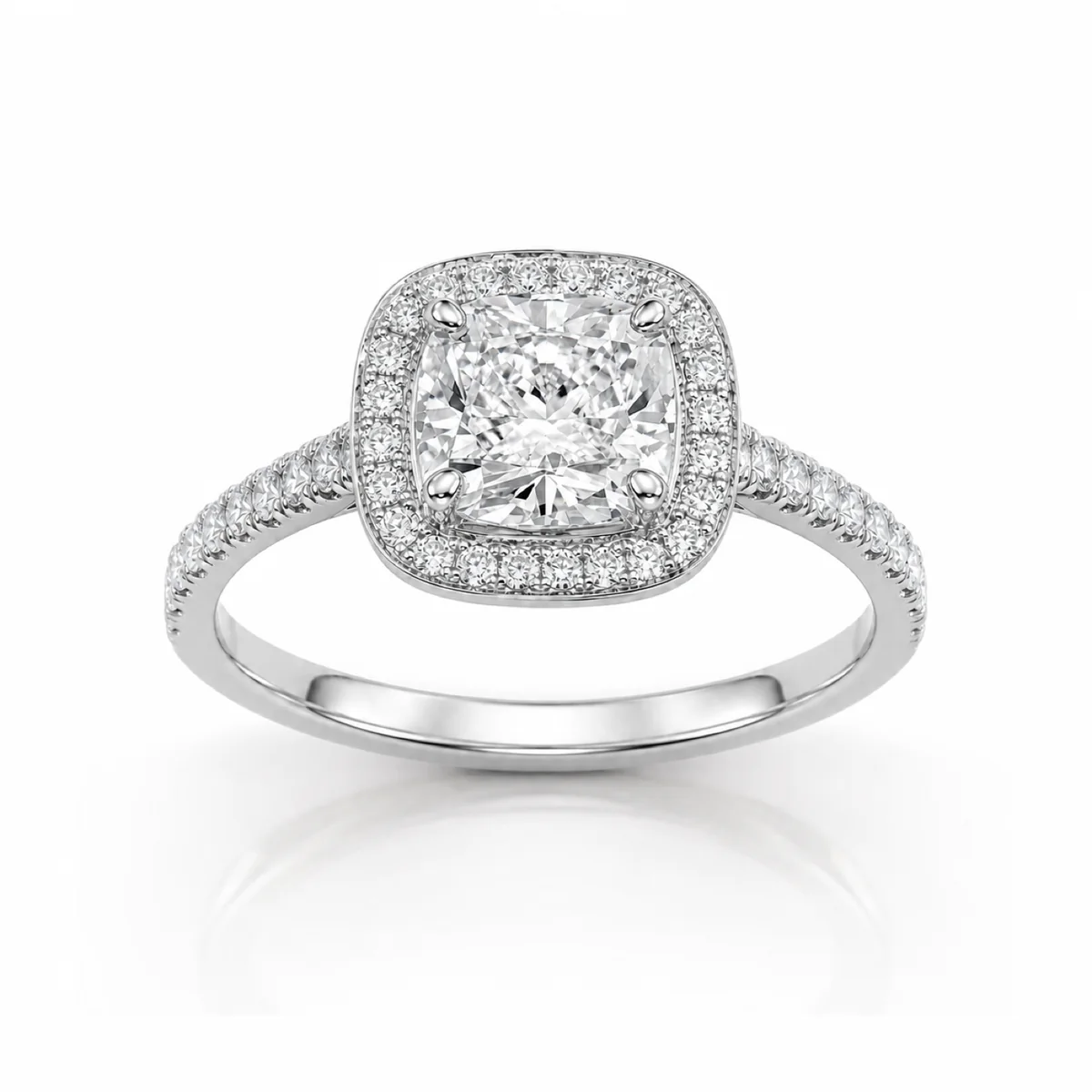
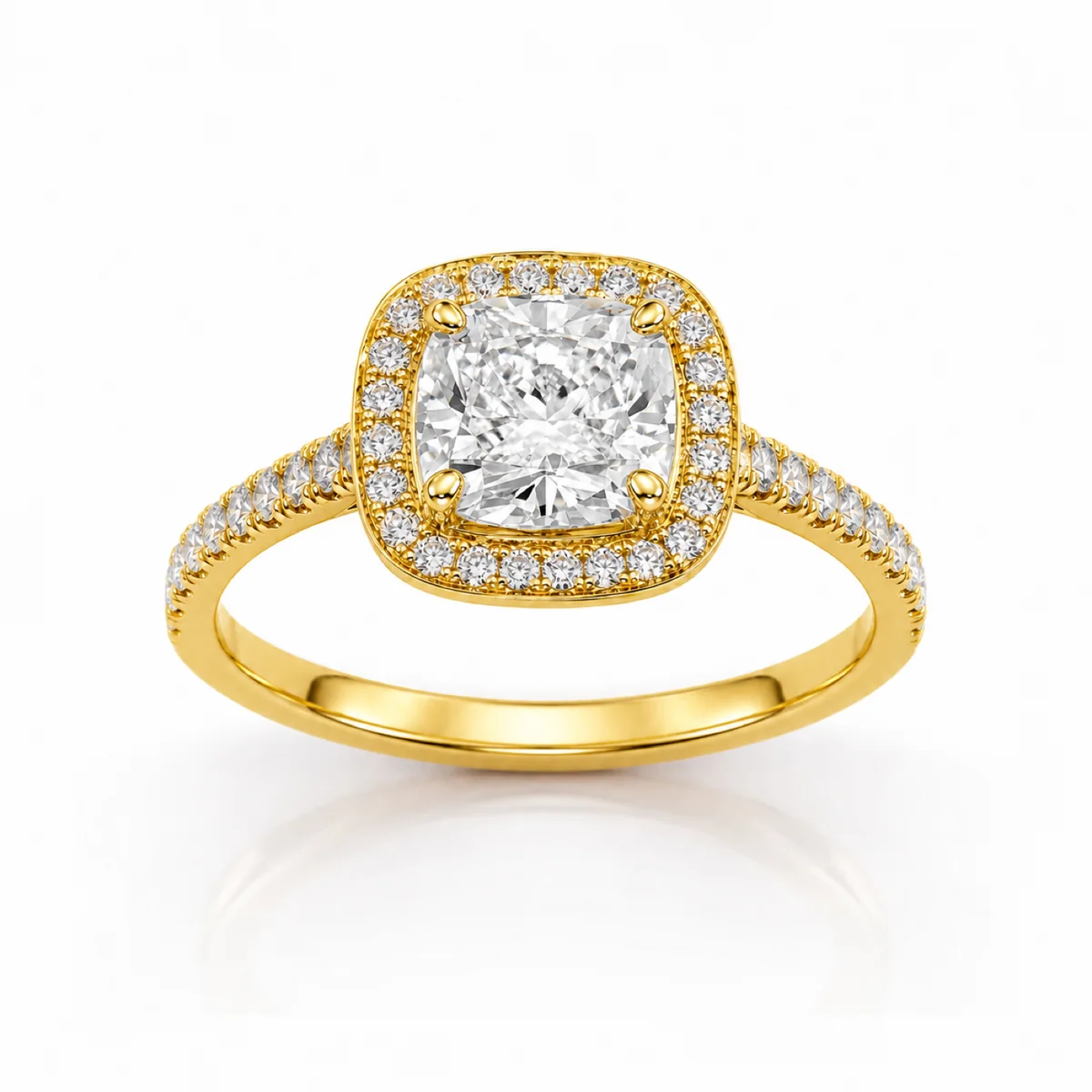
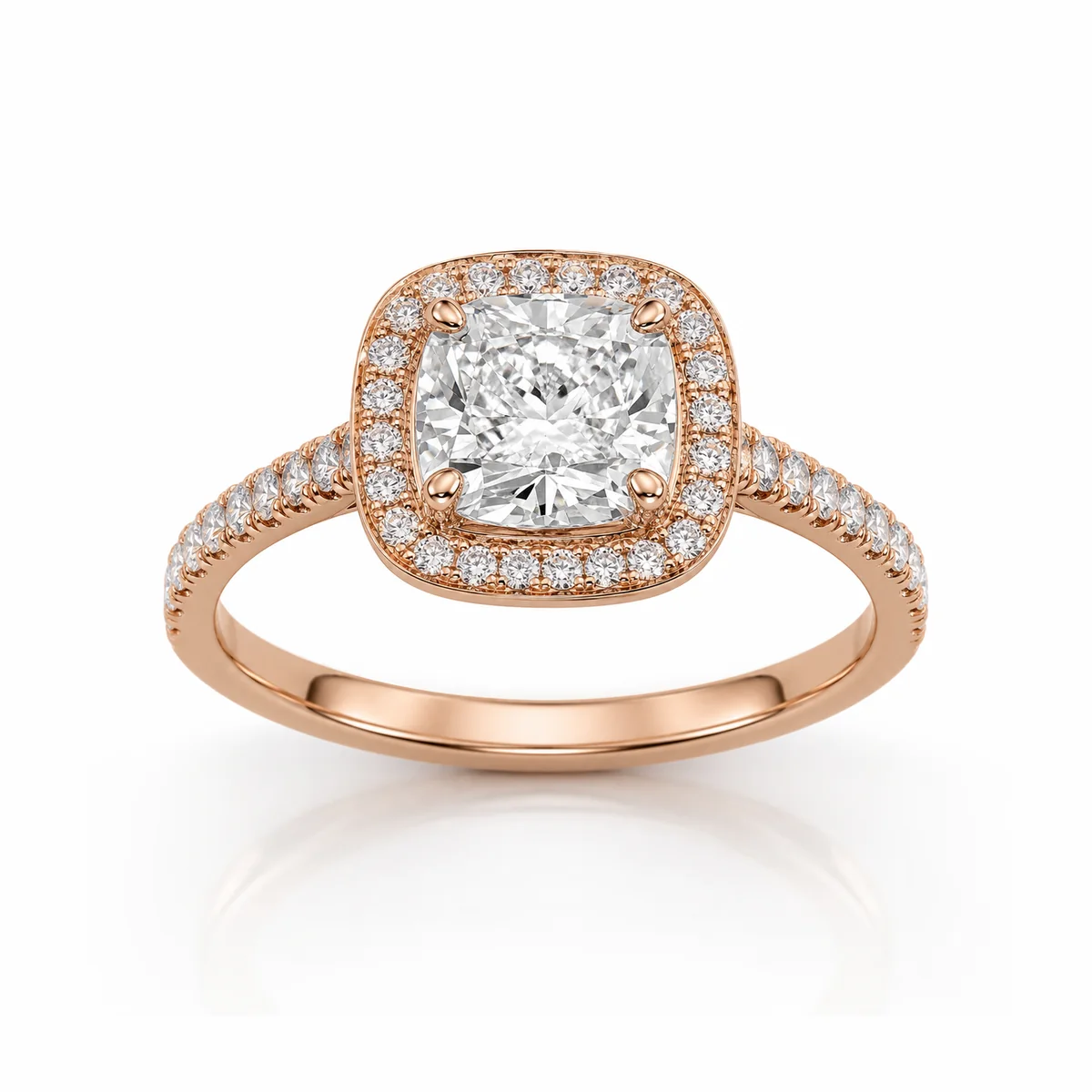 Cushion haloSoft corners, warm metal.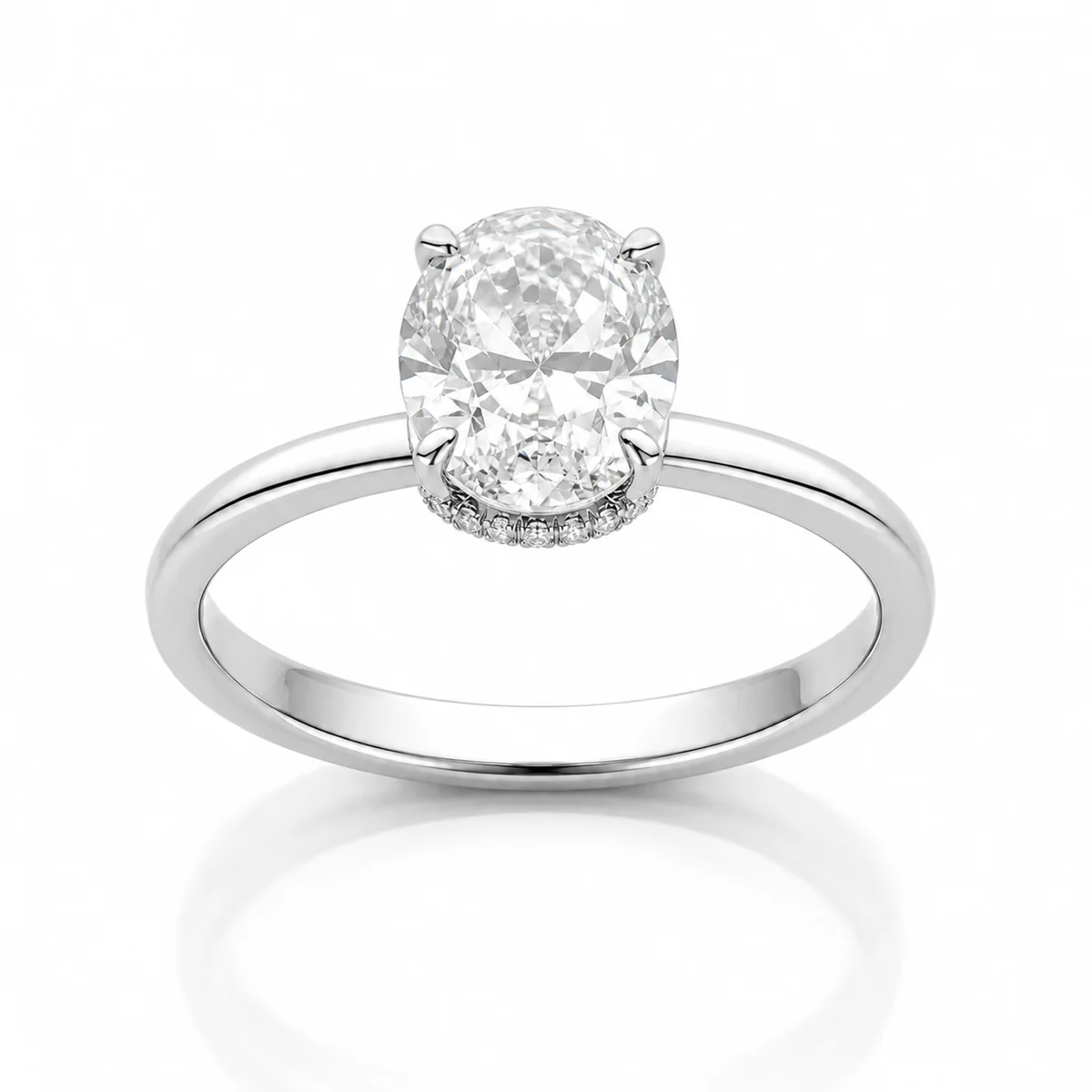
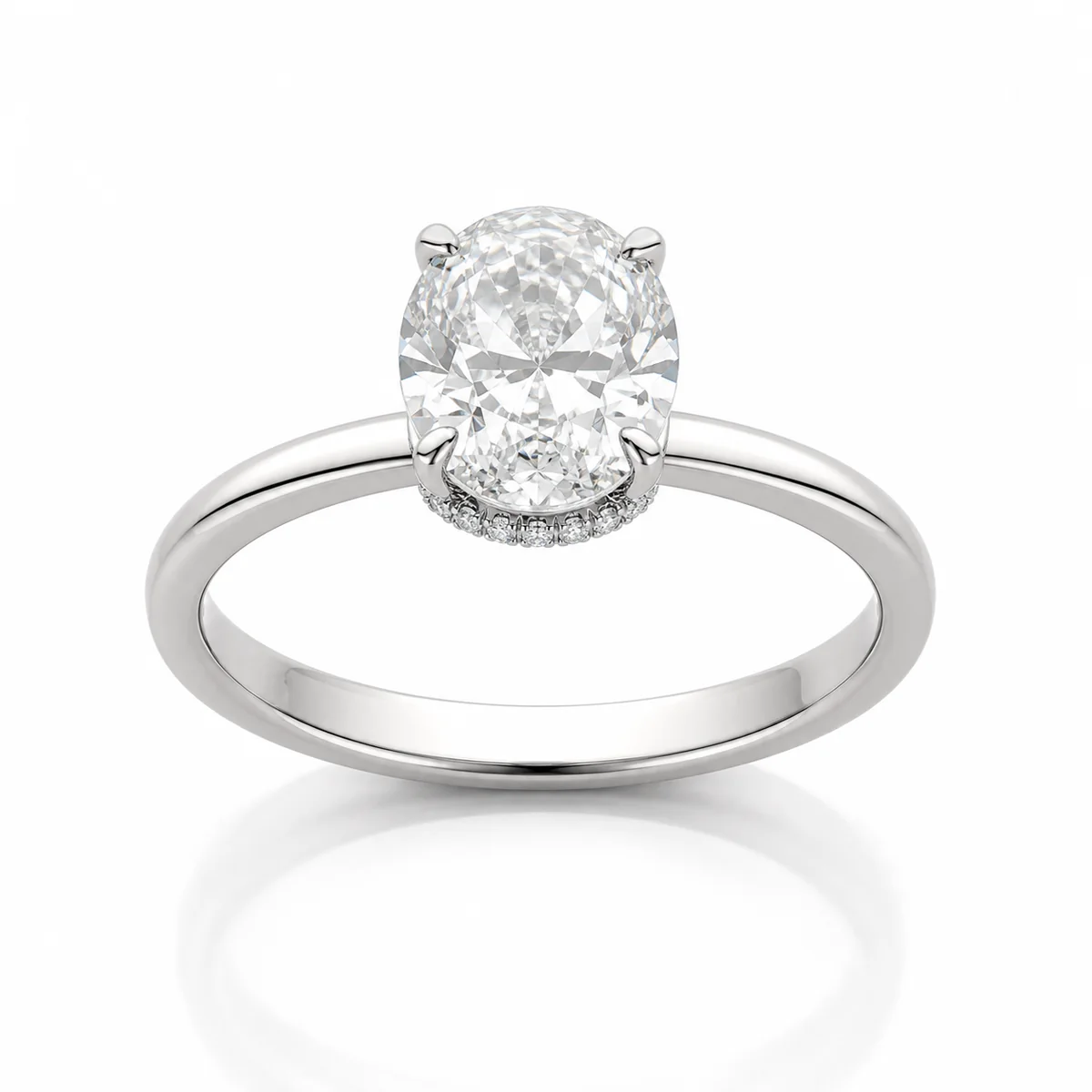
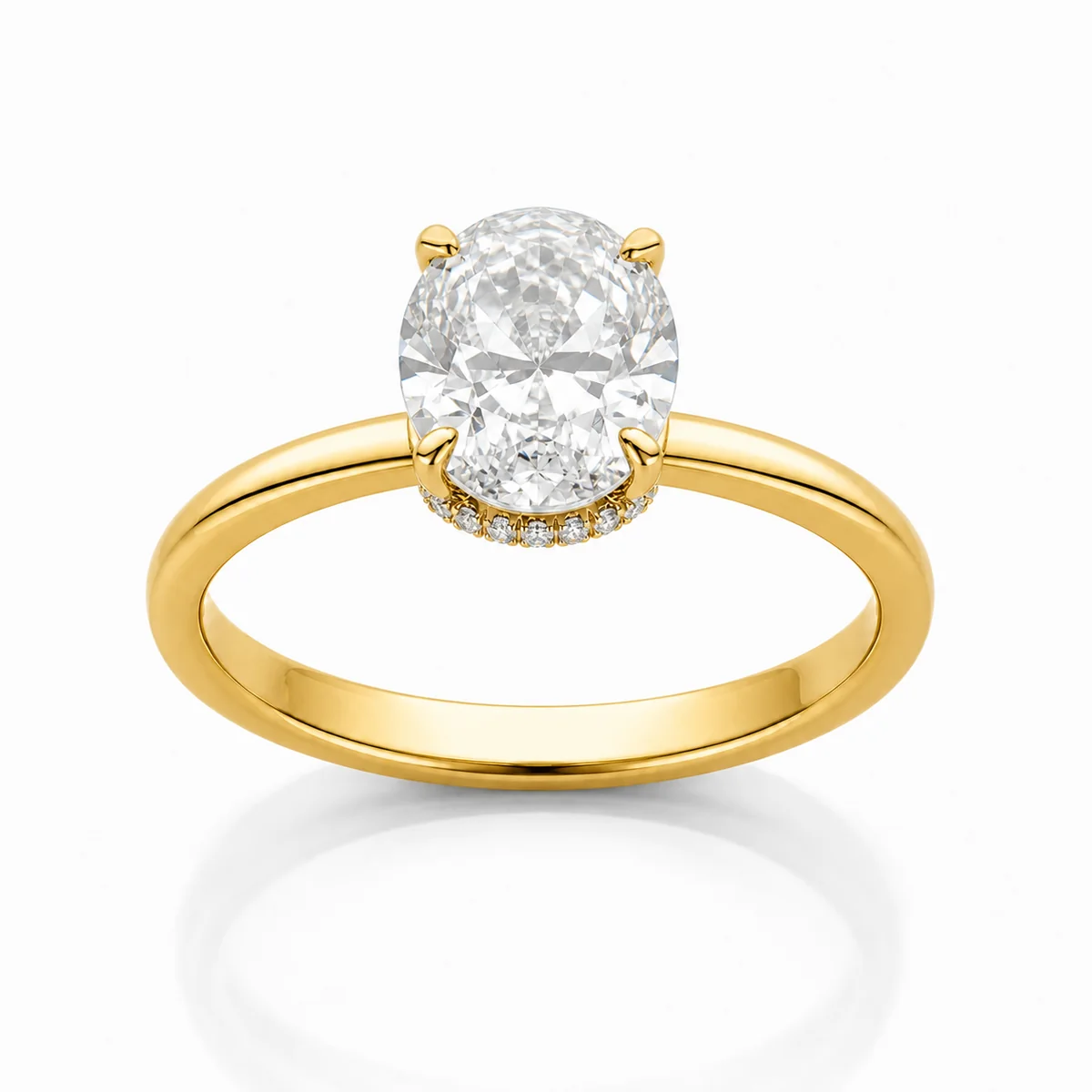
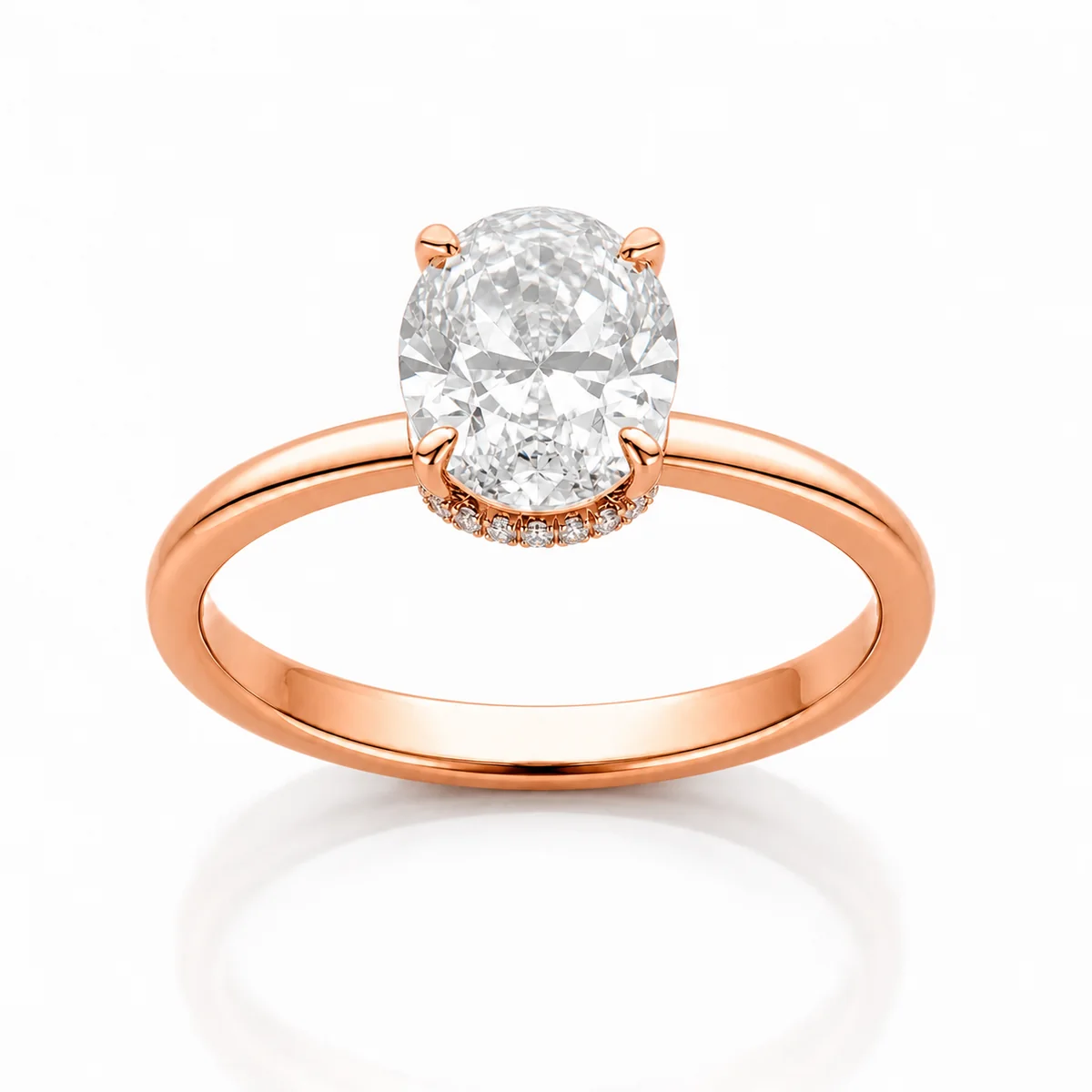 Oval, hidden haloA ring of tiny diamonds tucked under the stone.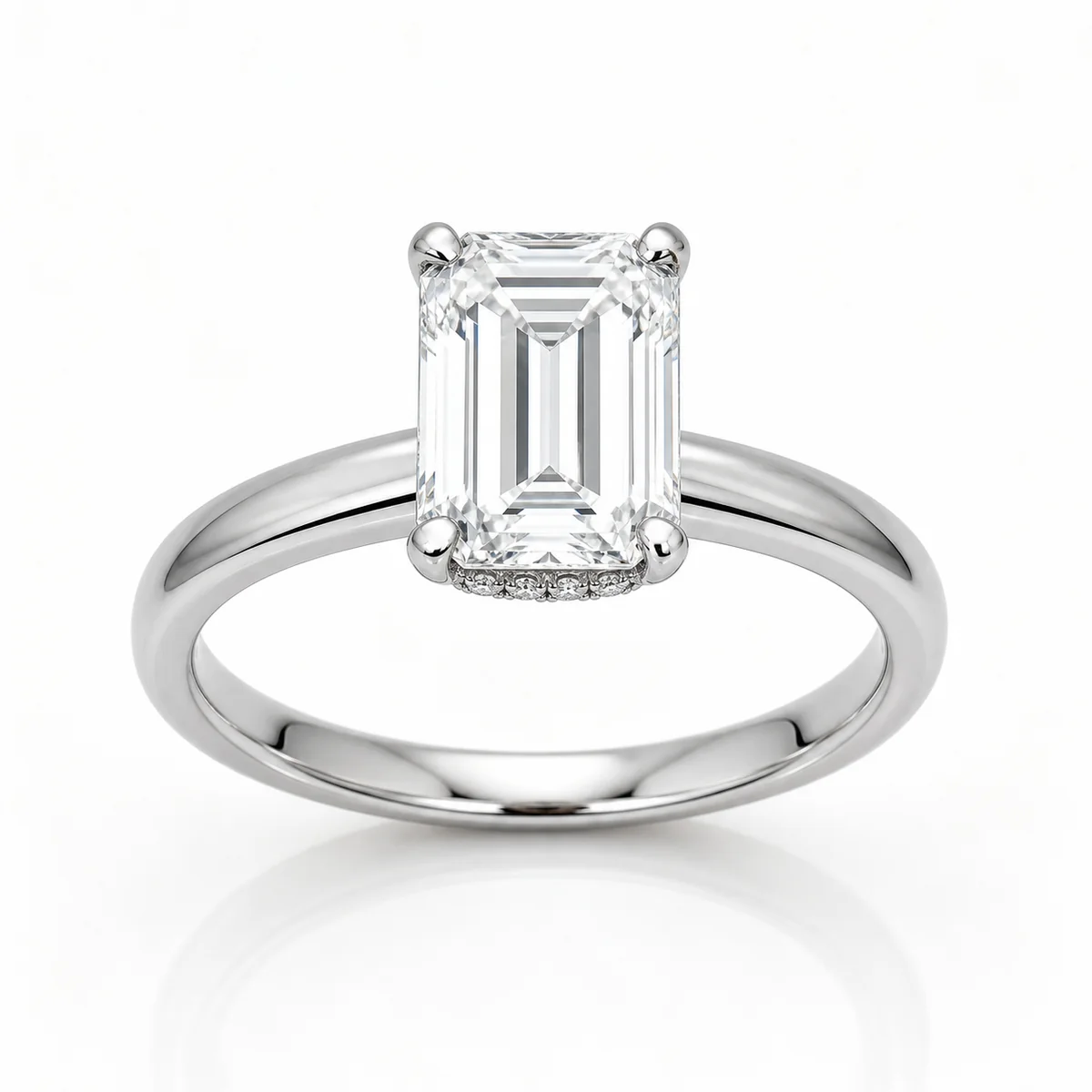
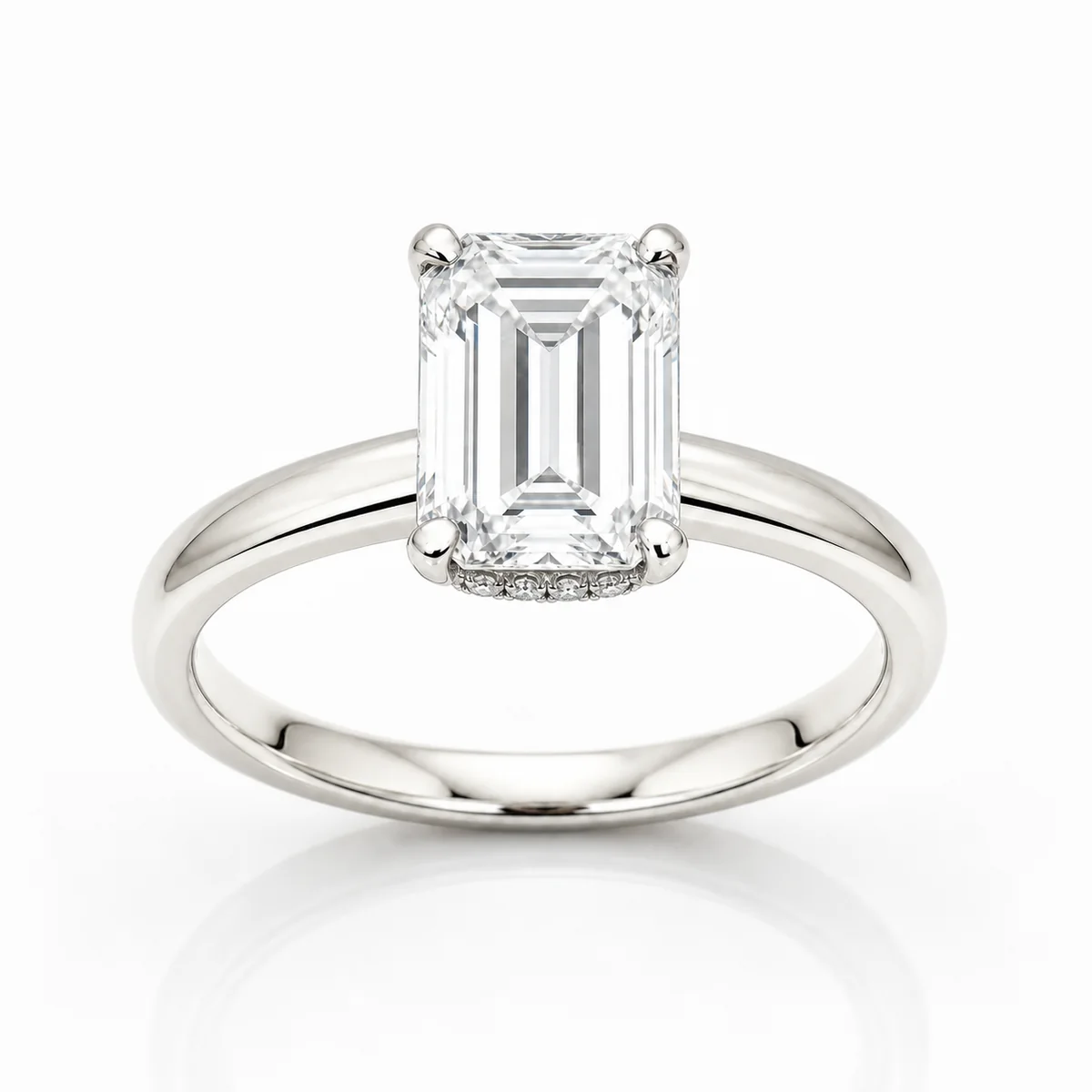
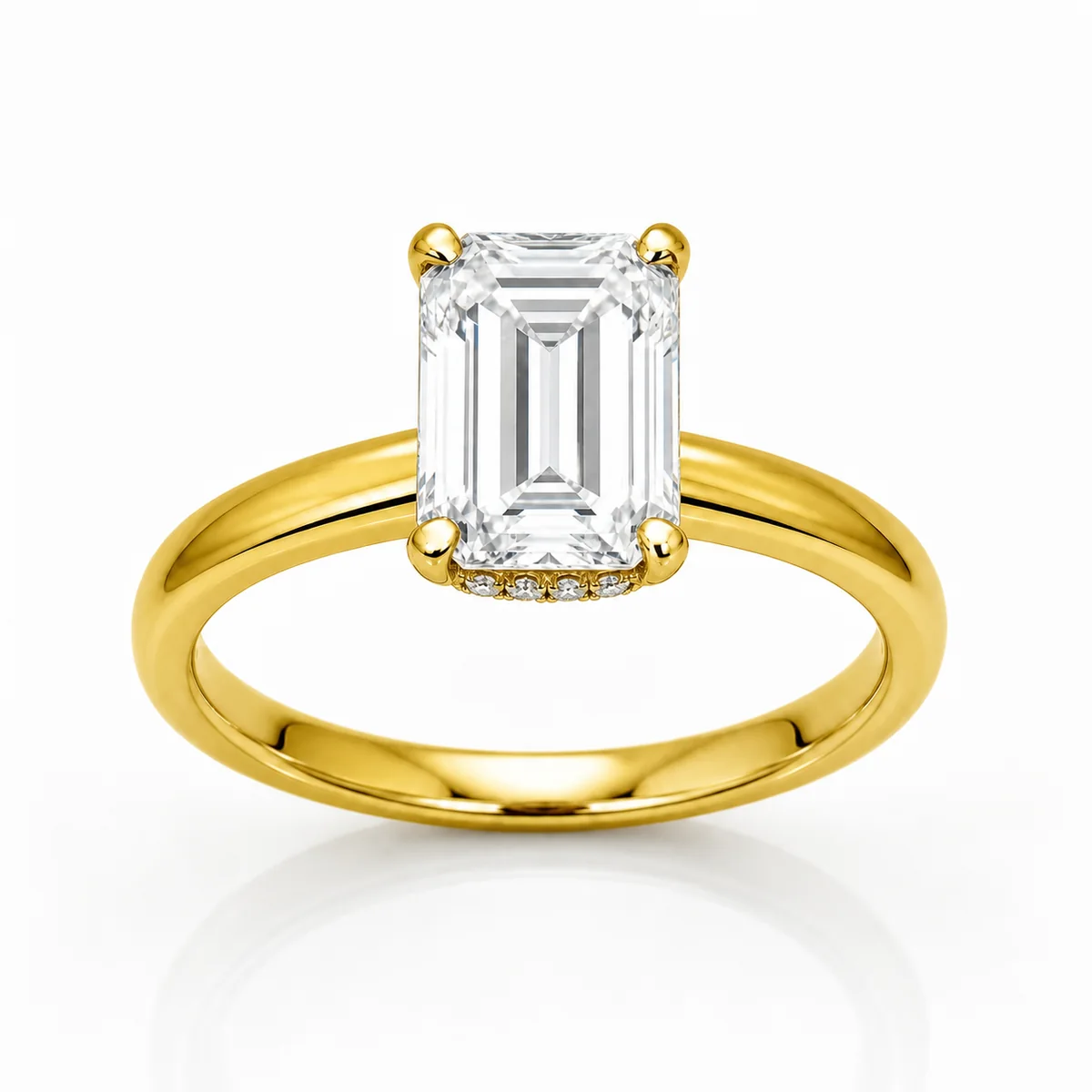
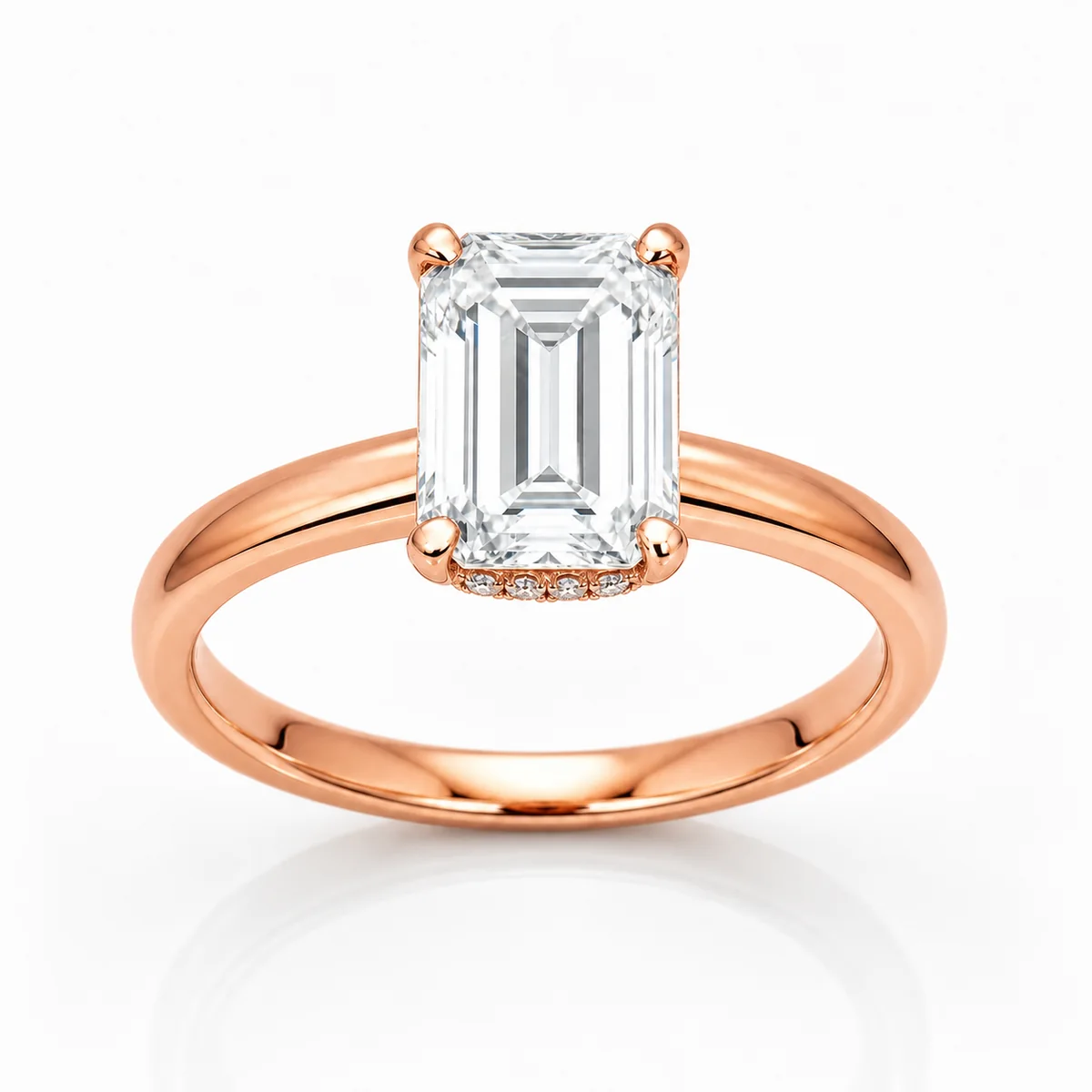 Emerald cut, hidden haloLong clean facets, quiet sparkle beneath.
These are examples, not a catalogue
We are a working bench, so we can make essentially anything: a design off this page, one of these changed, a piece you have seen elsewhere, a drawing, a photograph, or an heirloom reset into something new. Bring the idea in whatever form you have it and we will tell you what it takes and what it costs, before any work starts.
Message Prodiam on WhatsAppor send it through the contact page
Renders are illustrations of a design, not photographs of a piece in stock. The stones in the pictures are stand-ins; yours is the one you choose, certified, with its own report.
Diamond price guidance, captured 8 September 2026. These figures describe samples of sourced listings, with VAT and delivery for the stones included. They are not current stock guarantees. Settings and making are additional where jewellery is discussed; confirm the complete written quote.
What an engagement ring costs, by centre stone
An engagement ring's total is the centre diamond plus the setting, metal and making. In our captured H-colour sample, a one-carat stone was about R61 300, a 1.5ct about R148 700 and a two carat about R300 500. These are diamond-only guide prices at VS1–VS2 clarity, with an Excellent cut filter and no fluorescence. We quote your complete ring before work begins.
| Centre stone | H-colour guide | J-colour guide | At capture | |
|---|---|---|---|---|
| half carat | R12 400 | R10 500 | 34 053 | See these → |
| 1 carat | R61 300 | R41 700 | 25 599 | See these → |
| 1.5 carat | R148 700 | R100 400 | 11 390 | See these → |
| 2 carat | R300 500 | R198 300 | 5 877 | See these → |
| 3 carat | R880 300 | R574 500 | 2 060 | See these → |
Both columns show sampled guide prices, not an entry price or a complete ring. The count includes all grades in each weight band at capture. Set a budget for the whole ring, then choose the diamond and setting together.
No two diamonds are the same
A table describes a market, not a stone. Two diamonds identical on paper can differ by a third in price and both figures be right: how well the stone is actually cut and how much light it returns, where the inclusions sit and whether the eye finds them, how strongly it fluoresces, and how keenly that one happens to be priced against the international trade benchmark on the day. We check every stone against that benchmark before we show it to anybody, and the number that matters is the one quoted in writing on the stone you actually choose.
Ask us what your budget buysSearch the live inventory →
Captured 8 September 2026; guide figures rounded up to the next R100. Colour and clarity tables use sampled medians and percentile bands; rows without a measured range may use a limited lower-priced sample. Prices and availability can change. Your written quote identifies the actual stone and all inclusions.
What a halo setting is, and what it does
A halo is a ring of small matched diamonds, called melee, set in a tight frame around the centre stone. That frame changes how the ring reads in two ways. First, because the small stones sit flush against the centre, the eye takes in the whole bright cluster as a single diamond, so the centre faces up a size or two larger than its carat weight alone would suggest.
Second, the melee adds its own fire right around the centre, so the ring catches the light more readily and looks livelier on the hand. The result is a setting that punches above its centre-stone weight for both size and sparkle, which is exactly why the halo has become one of the most-requested engagement styles in South Africa after the plain solitaire.
At Prodiam a halo is not bought in as a finished mount and marked up. We are a Johannesburg diamond dealer and cutting house, directed by Darren Etkind, and we cut the centre stone in-house on our Bedfordview bench to GIA Excellent cut grade, then match and set the melee frame by hand on our own Bedfordview bench.
Matching that frame well is a cutter’s job: the small stones have to agree in colour and clarity with the centre and with each other so the halo reads as one continuous band of brightness, not a row of mismatched chips. Doing the cutting and the matching under one roof is what keeps a Prodiam halo crisp, even and honestly priced.
More presence per carat, the honest value of a halo
The genuine value of a halo, for a buyer who cares about quality rather than a sticker, is presence per carat. Because the frame lends the centre stone scale, you can choose a beautifully cut, properly certified centre and let the halo give it the face-up size of a noticeably larger stone.
A well-matched halo around a 0.70 ct centre, for instance, can read close to a one-carat look on the hand, and the per-carat price curve means a finely cut stone just under a popular weight threshold is often the cleverer buy than chasing the round number.
The point is not to spend less for its own sake; it is to put the budget into cut quality and certification, the things that make a diamond beautiful, and let the design do the work of scale.
It also gives a smaller, exceptional stone a way to wear large. A buyer who would rather have a higher colour and clarity grade, or a flawless GIA Excellent cut, in a modest carat weight can frame it in a halo and present it with real impact.
The 4Cs still set the centre stone’s character and price, and the halo is the setting decision layered on top, so you choose the stone on its merit first and the frame second.
Single, double and hidden halo
- Single halo, one row of matched melee encircling the centre. The classic look, adding size and sparkle while staying close to the proportions of the centre diamond. The most restrained and timeless of the three.
- Double halo, a second, slightly larger row of melee set outside the first. This pushes the apparent size and the sparkle further and gives the ring a more elaborate, statement face, for a buyer who wants maximum presence.
- Hidden halo, a row of small diamonds set under the centre stone, around the basket, so it shows only from the side. From above the ring reads as a clean solitaire, then flashes diamonds along the profile when the hand turns. A subtle, contemporary detail.
- Halo with pavé shoulders, the frame carried into small diamonds set along the band, so the light runs down the finger. Any of the above can be combined with pavé or a plain polished shank.
Choosing the centre stone for a halo
A halo flatters almost every diamond shape, and the frame is shaped to follow the centre, a round halo around a round brilliant, an elongated halo around an oval or a cushion, a squared frame around a princess or an emerald cut.
Cushions and rounds are the classic halo partners because the soft outline sits so naturally inside a frame, but the choice is yours, and you can weigh every option on our diamond shapes guide before the design begins.
One practical note: because the halo already adds brightness and the melee draws the eye outward, a near-colourless centre often faces up beautifully in a halo, which is part of how the setting earns its presence per carat.
| Choice | What we make to order |
|---|---|
| Halo style | Single, double or hidden halo, with or without pavé shoulders |
| Centre shape | Round, oval, cushion, emerald, pear, princess and more, frame shaped to suit |
| Centre cut | Round brilliants polished to the GIA Excellent cut standard, on our own bench where we cut the stone |
| Centre colour | D–F colourless, or G–I near-colourless that faces up white in a halo |
| Centre clarity | IF–VVS, or an eye-clean VS–SI1 where inclusions do not show |
| Melee frame | Matched for colour and clarity to the centre, set by hand at the bench |
| Metal | 18k white, yellow or rose gold, or platinum |
| Certification | GIA / EGL certified centre stone; report supplied with the diamond |
White gold and platinum are the most-requested metals for a halo, because a cool, bright frame reads seamlessly against a colourless or near-colourless centre, while yellow and rose gold give a warmer, more vintage character. We make all of them to order, and pricing is on application: the centre stone drives the figure, the melee and the make are quoted on top, and you receive a firm ZAR quote, excl.
VAT, before any work begins. You can see fully-landed ZAR prices on real GIA-certified centre stones on our diamond search.
How a halo ring is made to order
- 01
Brief
The halo style you want, the centre-stone shape, carat, colour and clarity range, the metal, finger size, budget and deadline. We respond within 24 hours.
- 02
Choose the centre stone
We cut or match a GIA-certified centre diamond on our Bedfordview bench, on the daylight tray or by video, each with its report, and quote firm against the stone, the melee and the make.
- 03
Design & match the melee
The halo is drawn up, by CAD render where helpful, and the frame stones are selected and calibrated to agree in colour and clarity with the centre, so the halo reads as one bright band.
- 04
Cast, set & finish
The setting is cast in your chosen metal, the centre and every melee stone are set by hand at the bench, and the ring is hand-polished, then checked under loupe and microscope.
- 05
Hand-over
Presentation at the Bedfordview studio by appointment, or insured overnight courier nationwide via Brink’s or G4S. Certification are included, and a written insurance valuation is available on request.
A halo is one of several ways to set a centre stone. If you would rather the diamond stand alone, compare the solitaire; if you want the full bespoke route across any setting, see how a custom engagement ring comes together, or browse the wider world of diamond rings we make. When you are ready, brief us and Darren will come back within 24 hours.
Halo engagement rings: common questions
What is a halo engagement ring?
A halo engagement ring is a setting in which the centre diamond is encircled by a ring of small matched diamonds, called melee, that frame it like a border. The halo does two jobs at once: the bright frame makes the centre stone look noticeably larger than its carat weight, and the extra diamonds add sparkle right around it, so the ring reads bigger and livelier on the hand.
It is one of the most-requested engagement settings in South Africa after the plain solitaire, and at Prodiam the centre stone is cut on our Bedfordview bench or sourced to order, rounds to the GIA Excellent standard, with the melee frame matched and set by hand on our own Bedfordview bench.
Does a halo make the centre diamond look bigger?
Yes, that is the point of a halo. Because a tight ring of small diamonds sits flush against the centre stone, the eye reads the whole bright cluster as one diamond, so the centre presents a size or two larger than its actual carat weight. A well-matched halo around, for example, a 0.70 ct centre can face up close to a one-carat look.
For a premium buyer this is an honest way to get more presence per carat: you spend on a beautifully cut, properly certified centre stone, and the halo lends it scale and extra fire, rather than paying for raw weight you cannot see edge-on.
What is the difference between a single halo and a double halo?
A single halo is one row of melee encircling the centre stone, the classic look, which adds size and sparkle while staying close to the proportions of the centre diamond. A double halo adds a second, slightly larger row of melee outside the first, which pushes the apparent size and the sparkle further and gives the ring a more elaborate, statement face.
A double halo makes the centre look larger still and suits a buyer who wants maximum presence, while a single halo is the more restrained, timeless choice. Both are built to order at Prodiam, with every row of melee matched for colour and clarity to the centre on our bench.
What is a hidden halo?
A hidden halo is a row of small diamonds set underneath the centre stone, around the basket of the setting rather than on the top face, so it is only visible from the side. From above the ring looks like a clean solitaire, then it surprises with a flash of diamonds along the profile and when the hand turns.
It is a subtle, contemporary detail that adds sparkle and a sense of lift without changing the face-up outline of the centre stone, and it is often combined with a classic claw head. We build hidden-halo settings to order on the same bench, matching the concealed melee to the centre diamond.
Halo or solitaire: which should I choose?
A solitaire shows a single diamond on its own, the purest, most timeless statement, where every rand sits in the one stone you can see. A halo frames that stone in melee, so the ring faces up larger and sparkles more for a given centre-stone budget, at the cost of a slightly busier look and a little more cleaning around the small stones.
Choose a solitaire if you want a clean classic and are buying the centre stone for its own merit; choose a halo if you want maximum presence and brilliance per carat, or want a smaller, finely cut centre to wear larger. Both are made to order at Prodiam, so the decision is about the look you want, not what happens to be in stock.
You can read the case for each on our solitaire engagement rings page.
Last reviewed: June 2026.