
Diamond stud earrings · matched pairs by weight · Bedfordview, Johannesburg
Diamond stud earrings in South Africa, matched pairs by weight.
Diamond stud earrings from Prodiam are made to order in South Africa around two matched natural diamonds. Compare total carat weight, four-claw, six-claw, bezel and martini settings, then request a quote for your finished pair including the stones, settings, posts and VAT.
Choose a stud setting ↓Compare diamond-pair prices ↓WhatsApp ProdiamEmail Prodiam
Some stones we cut ourselves, as a De Beers beneficiation cutting house; others we source to order from the certified trade at a landed rand price with VAT and insured delivery. The dated examples below price the two loose stones only. The setting and posts are additional; your written quote gives the complete pair price.
Diamond stud earrings from the Prodiam bench
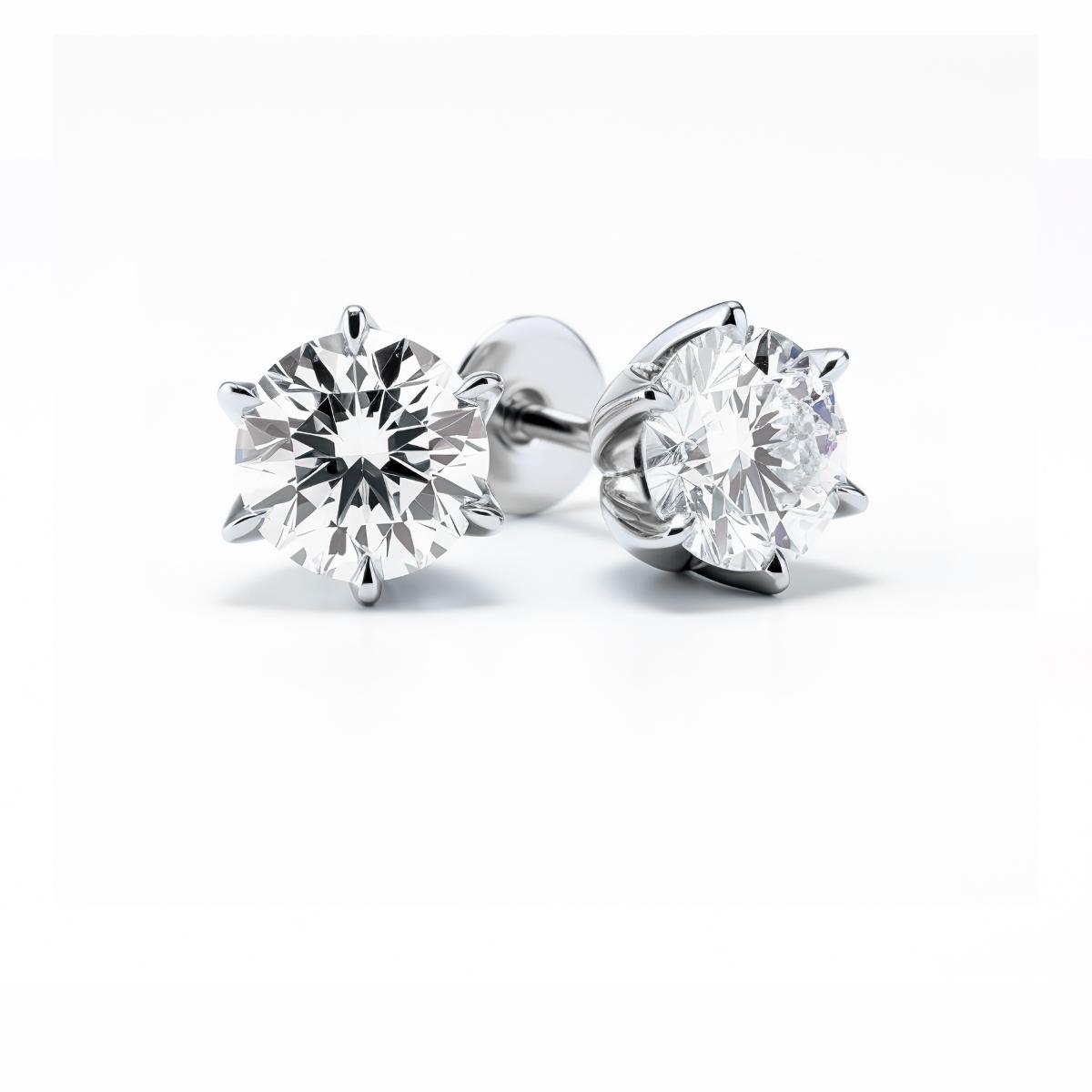
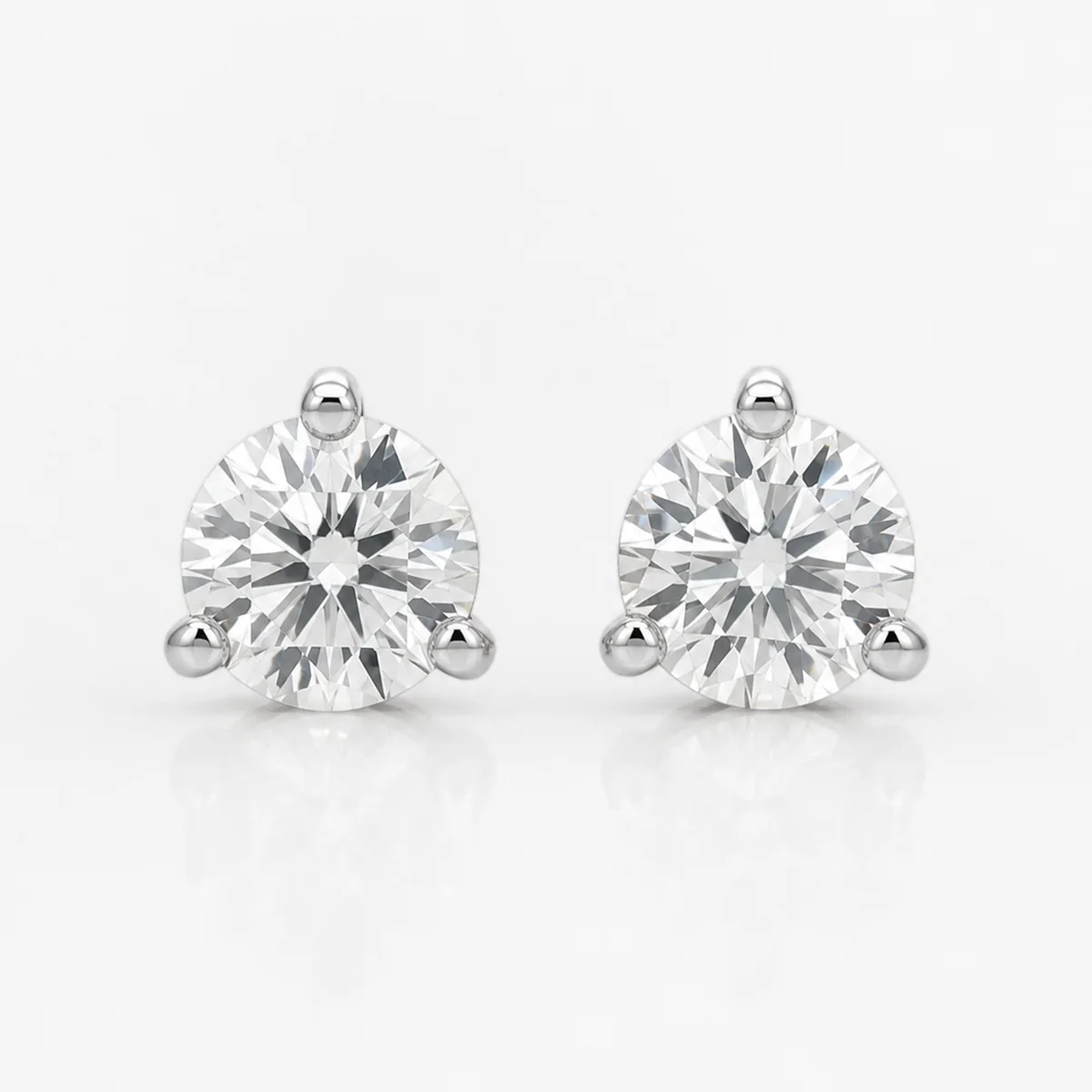
18k white gold six-claw diamond stud earrings, 1.50 ct matched pair 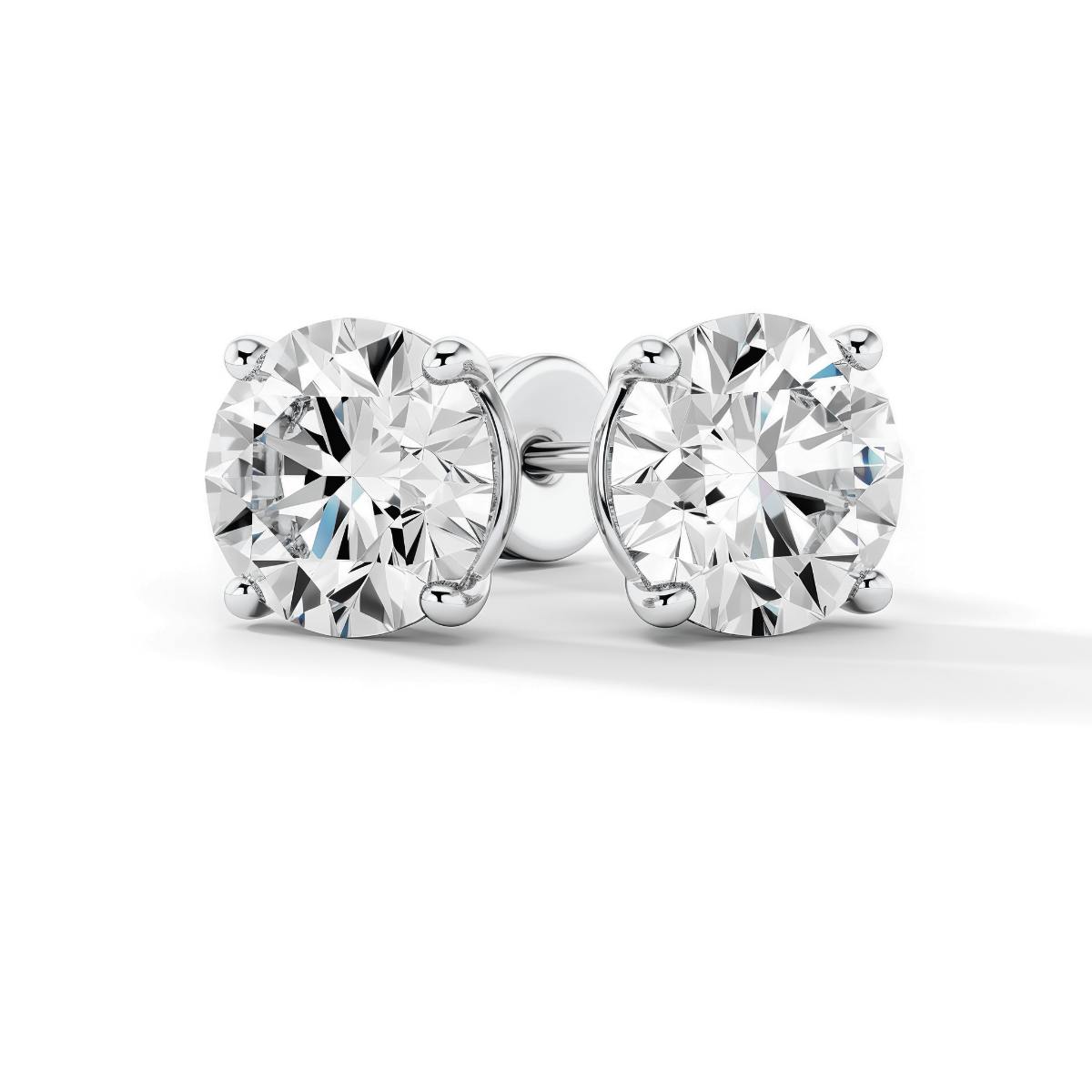
18k four-claw diamond stud earrings, 2.03 ct matched pair 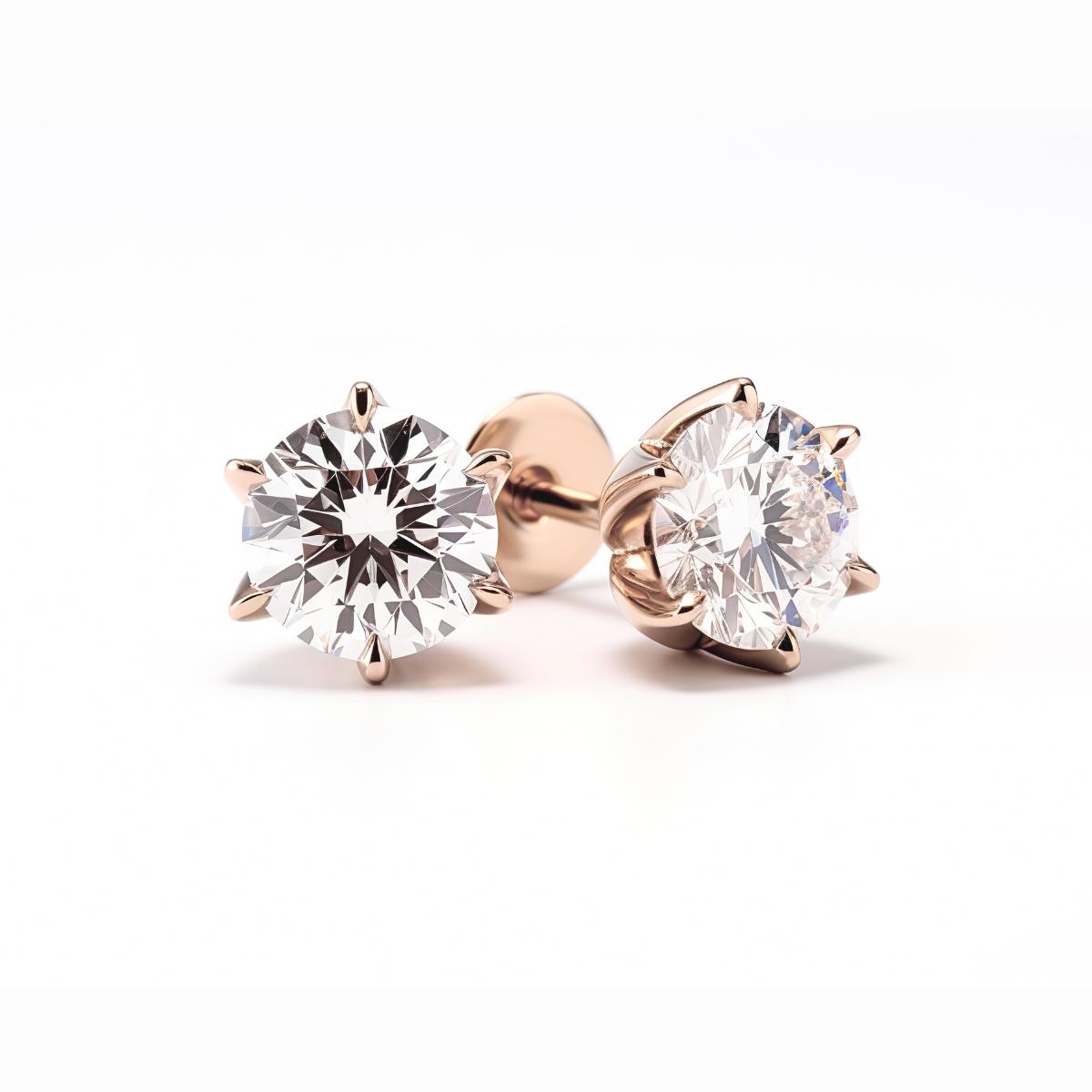
18k rose gold six-claw diamond stud earrings, matched pair 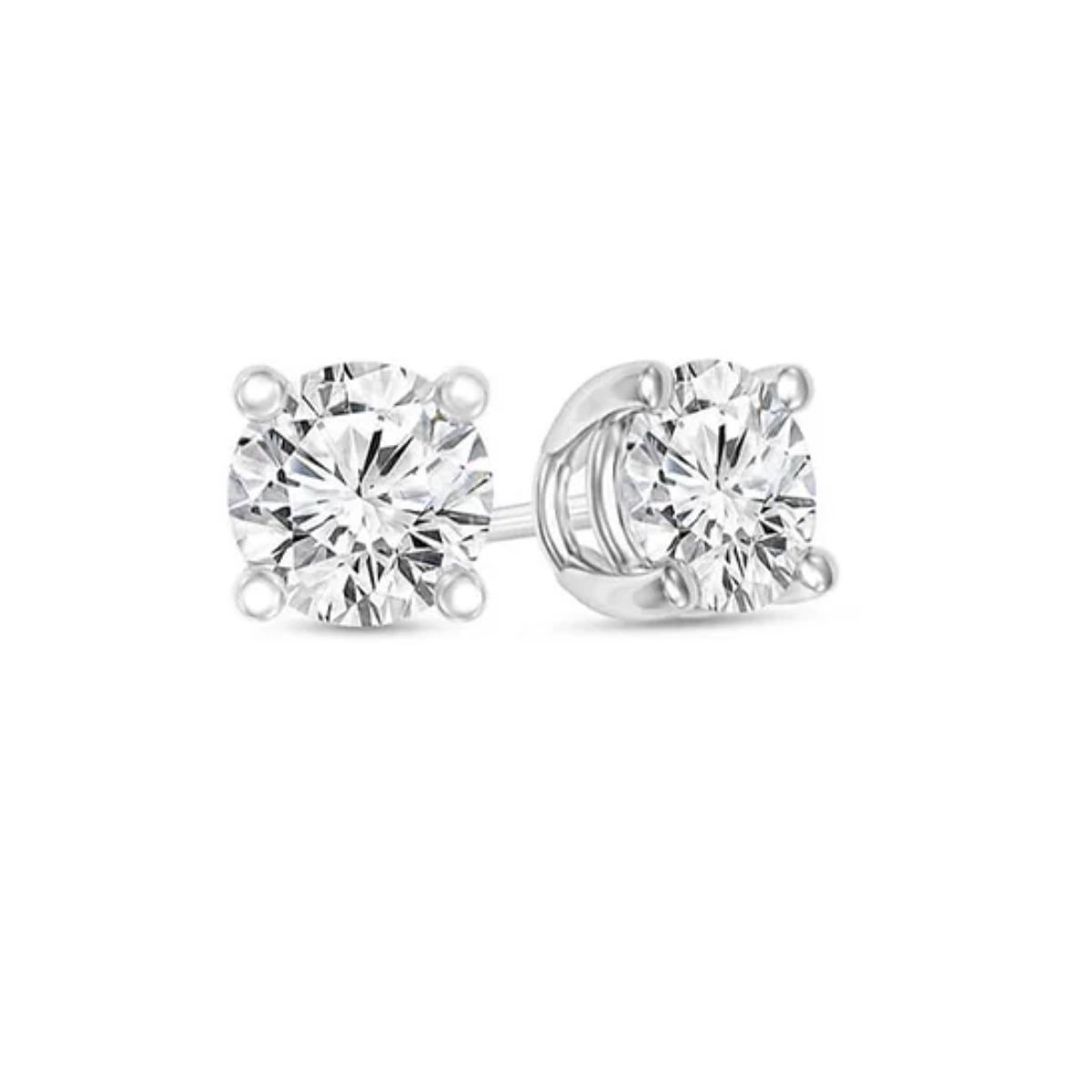
18k white gold four-claw diamond stud earrings
Past commissions from the Prodiam bench. Each pair is made to order; nothing shown is offered as stock.
-
Natural diamonds only
We sell natural diamonds and diamond-set jewellery. Ask us about the grading report and available origin documentation for your chosen stone. Why we don’t sell lab-grown →
-
Independent grading reports
The grading laboratory is shown per stone. Review its report and the individual diamond before choosing; sourced examples can include GIA, EGL and IGI.
-
Insured delivery, SA & worldwide
Overnight across South Africa via Brink’s, G4S or our nominated jewellery courier. Insured worldwide dispatch via Ferrari Group and FedEx Custom Critical.
-
14-day in-person exchange
In-person sales at the viewing room come with a 14-day exchange courtesy on stock pieces. Distance-sale CPA cooling-off applies.
Example pairs · rendered design references
Diamond stud earring settings: examples we can make
Diamond earrings are made to order on our Bedfordview bench, so there is no tray of finished pairs to photograph. These are rendered examples of standard settings, in the metal of your choice: point at one and say that, with this pair.
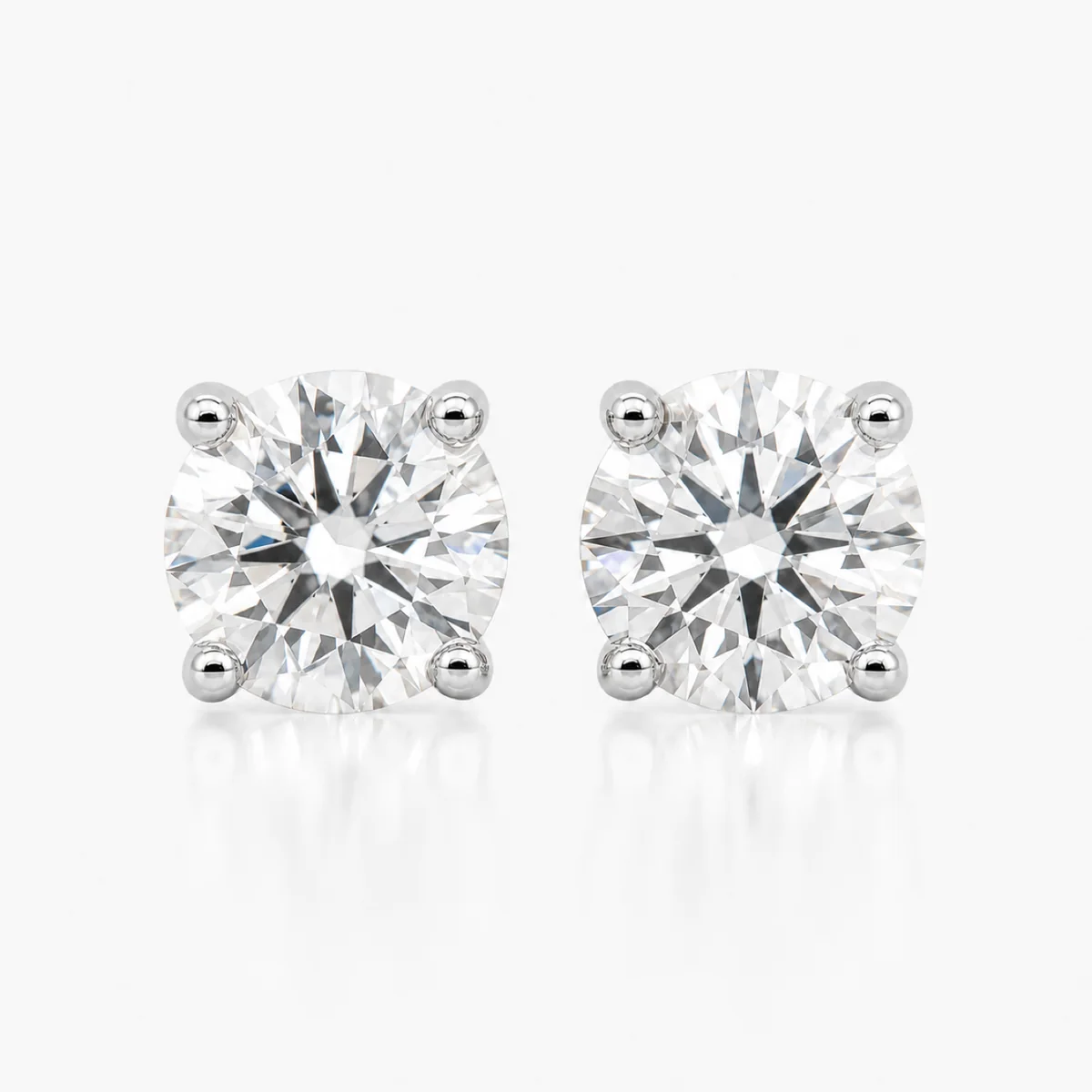
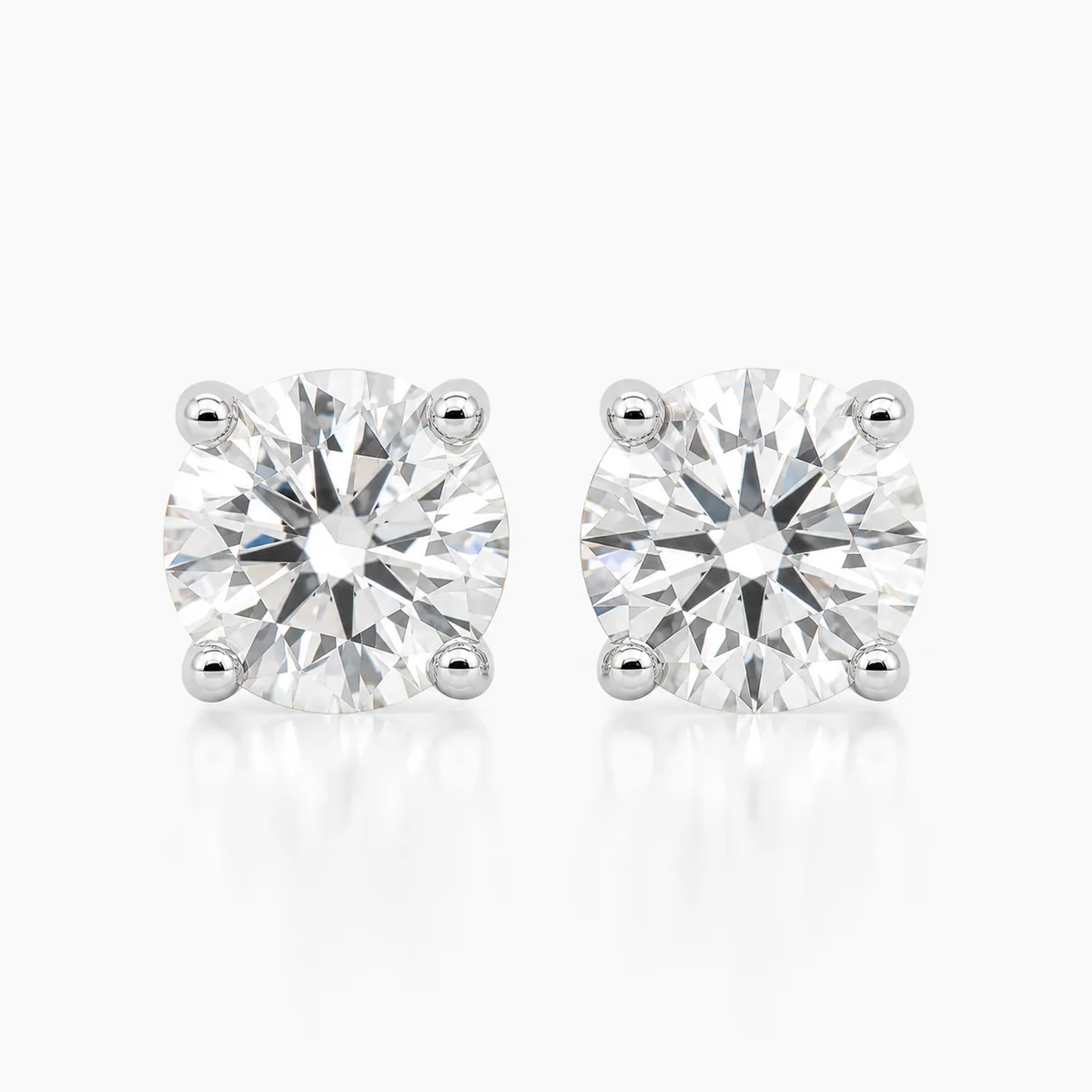
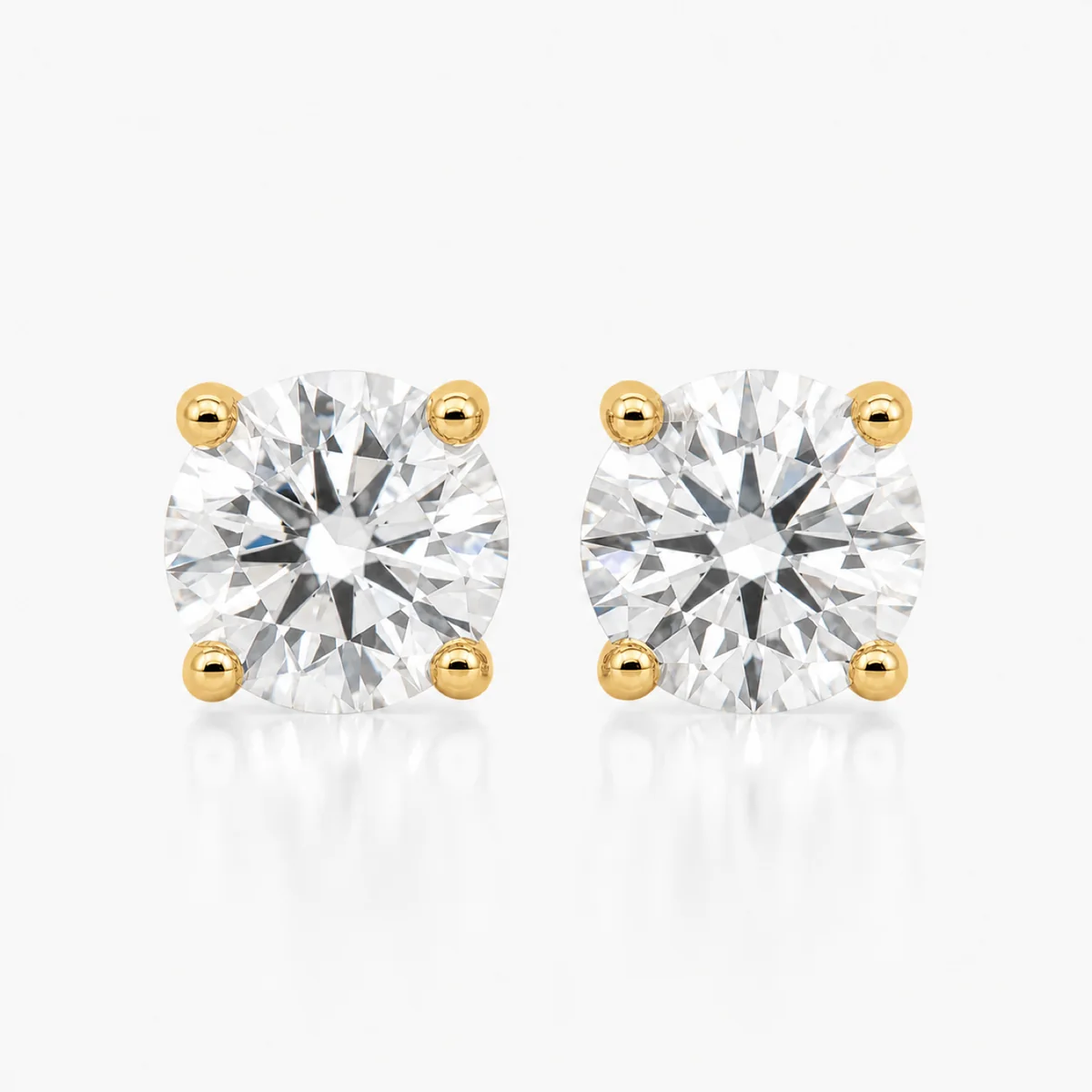
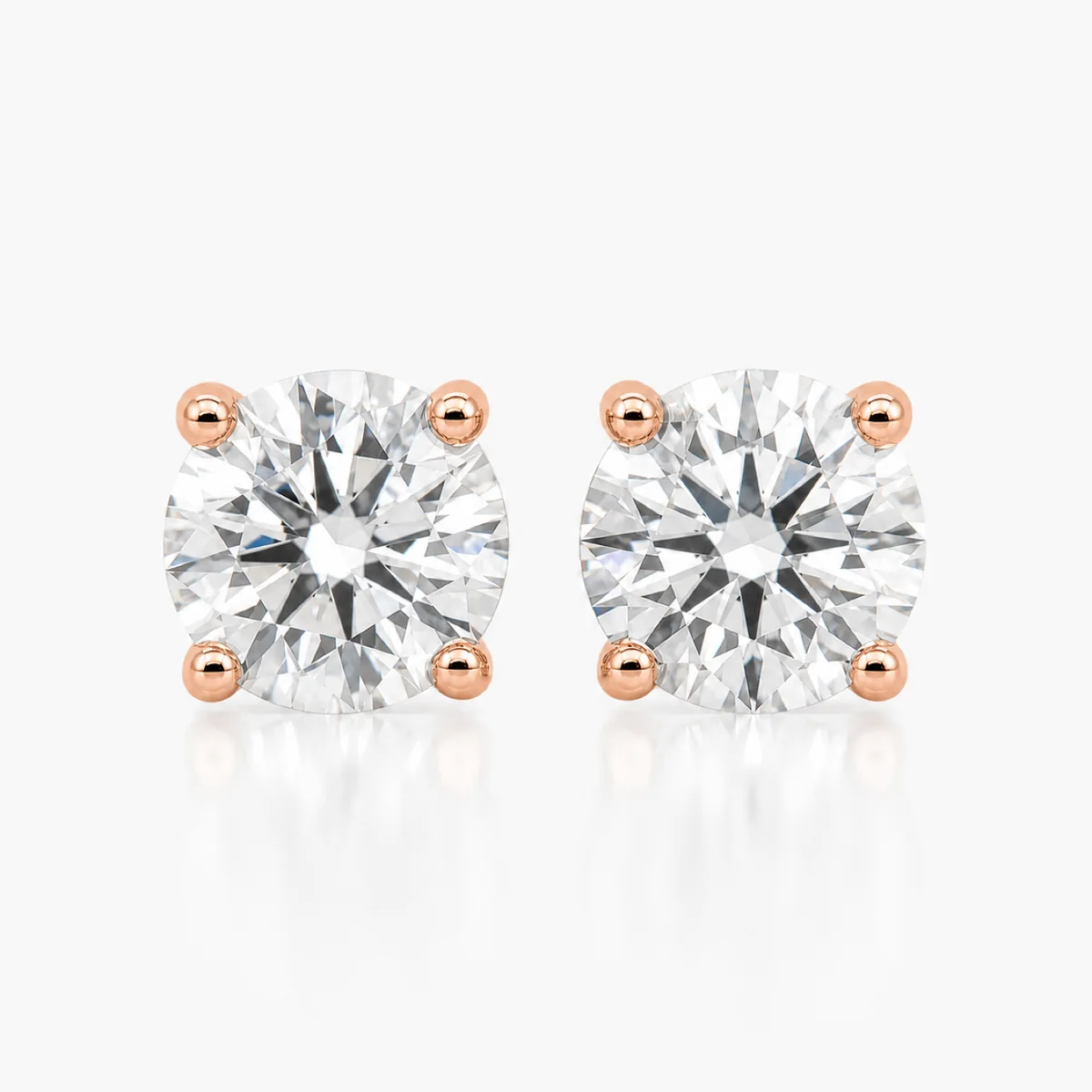 Four-claw studsThe everyday pair. Nothing to catch.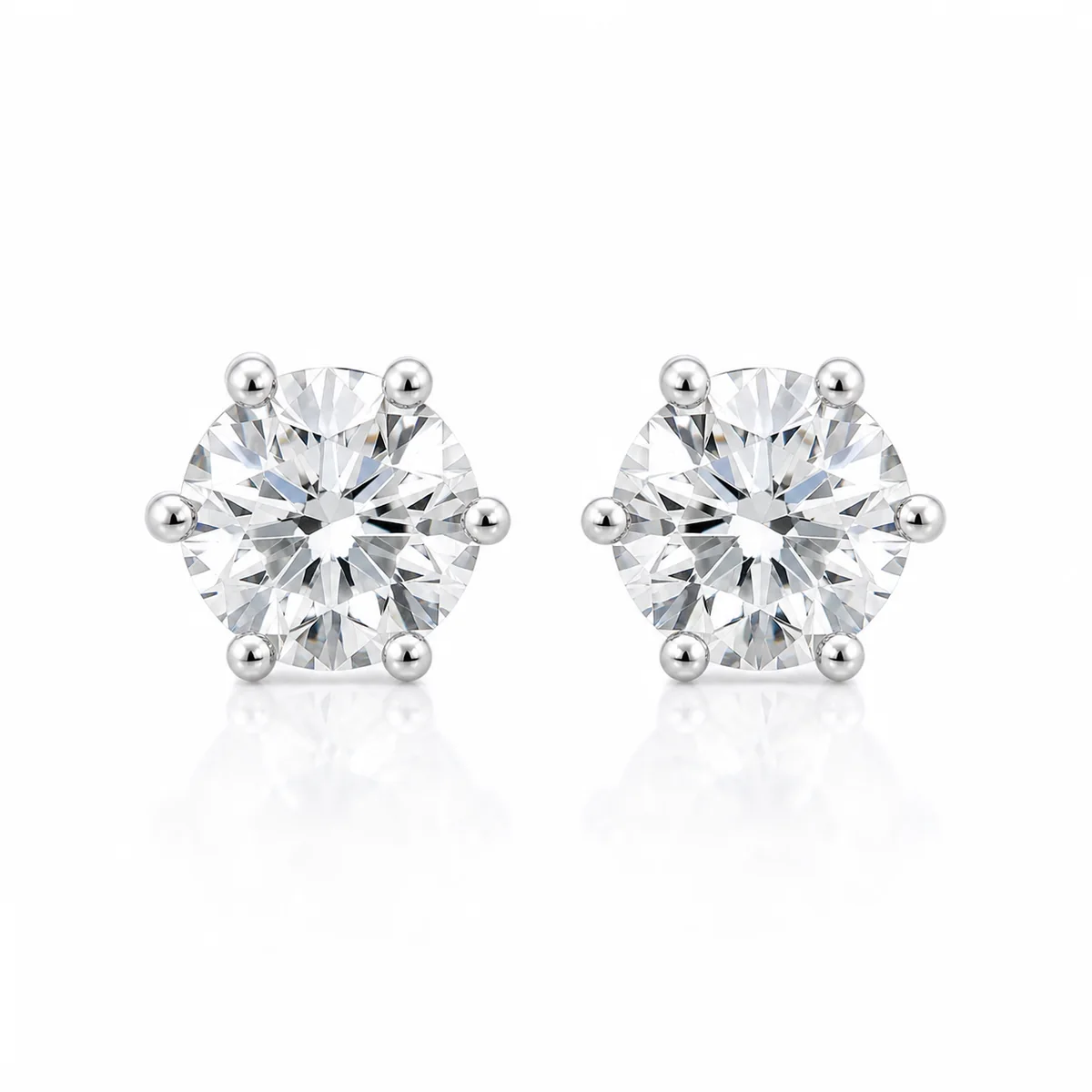
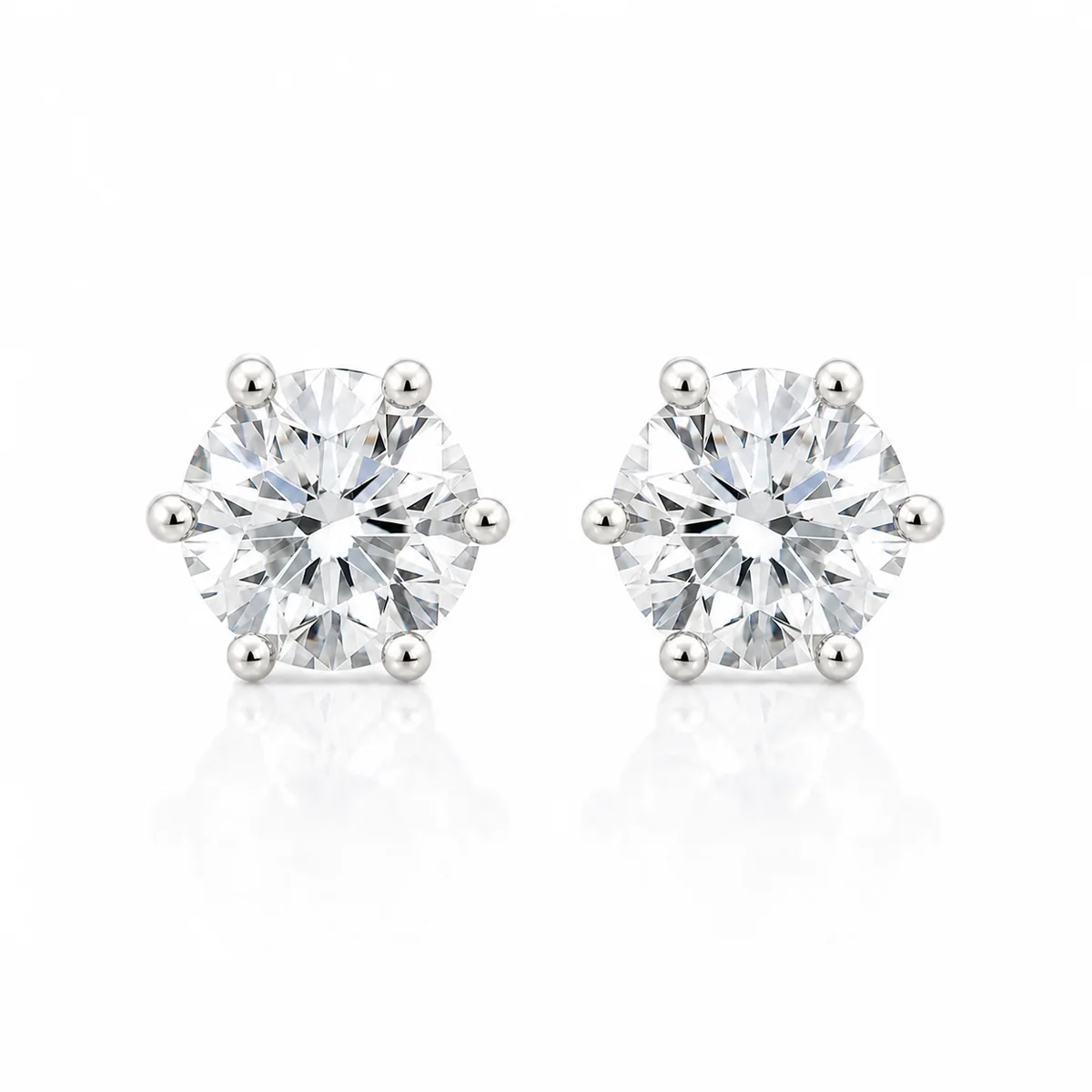
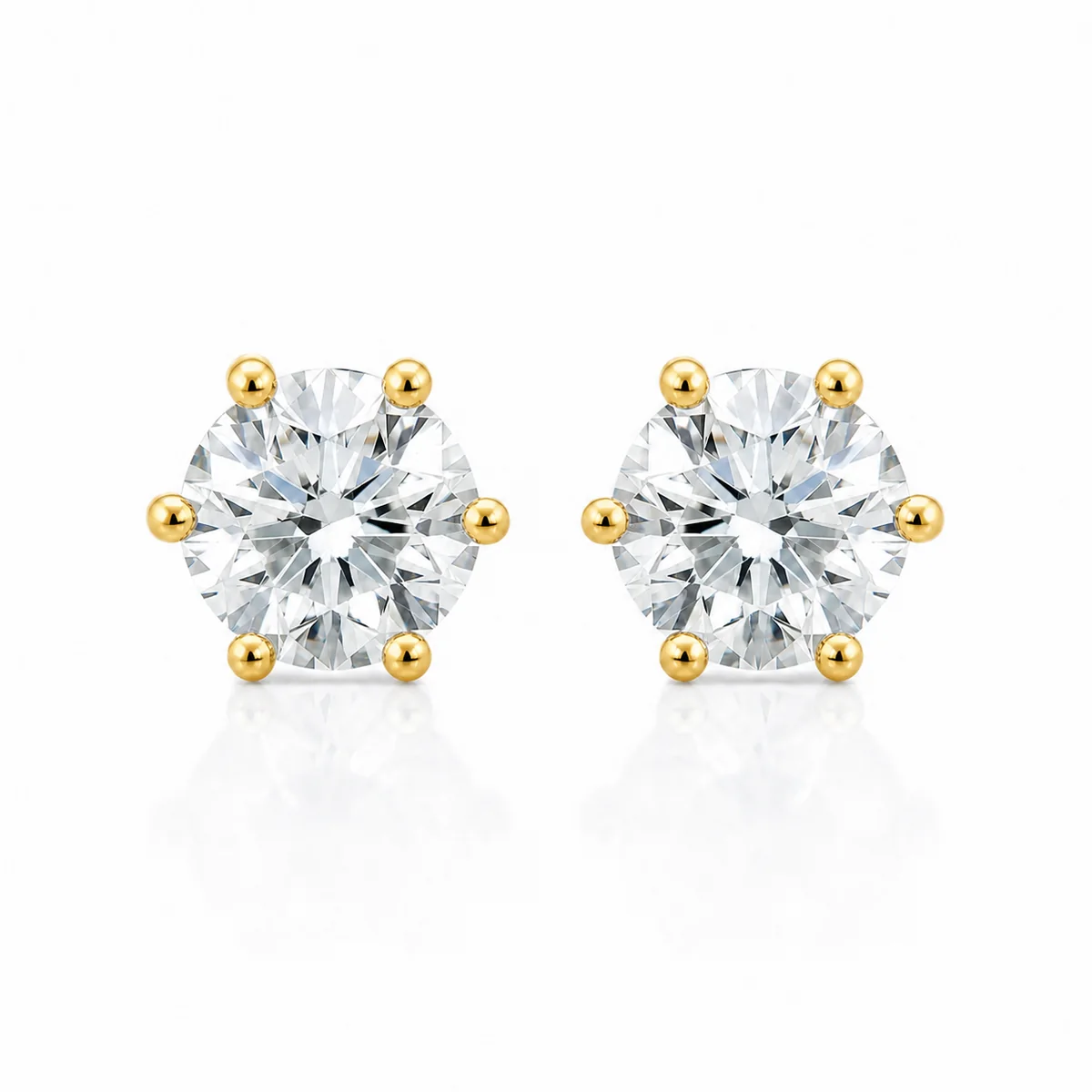
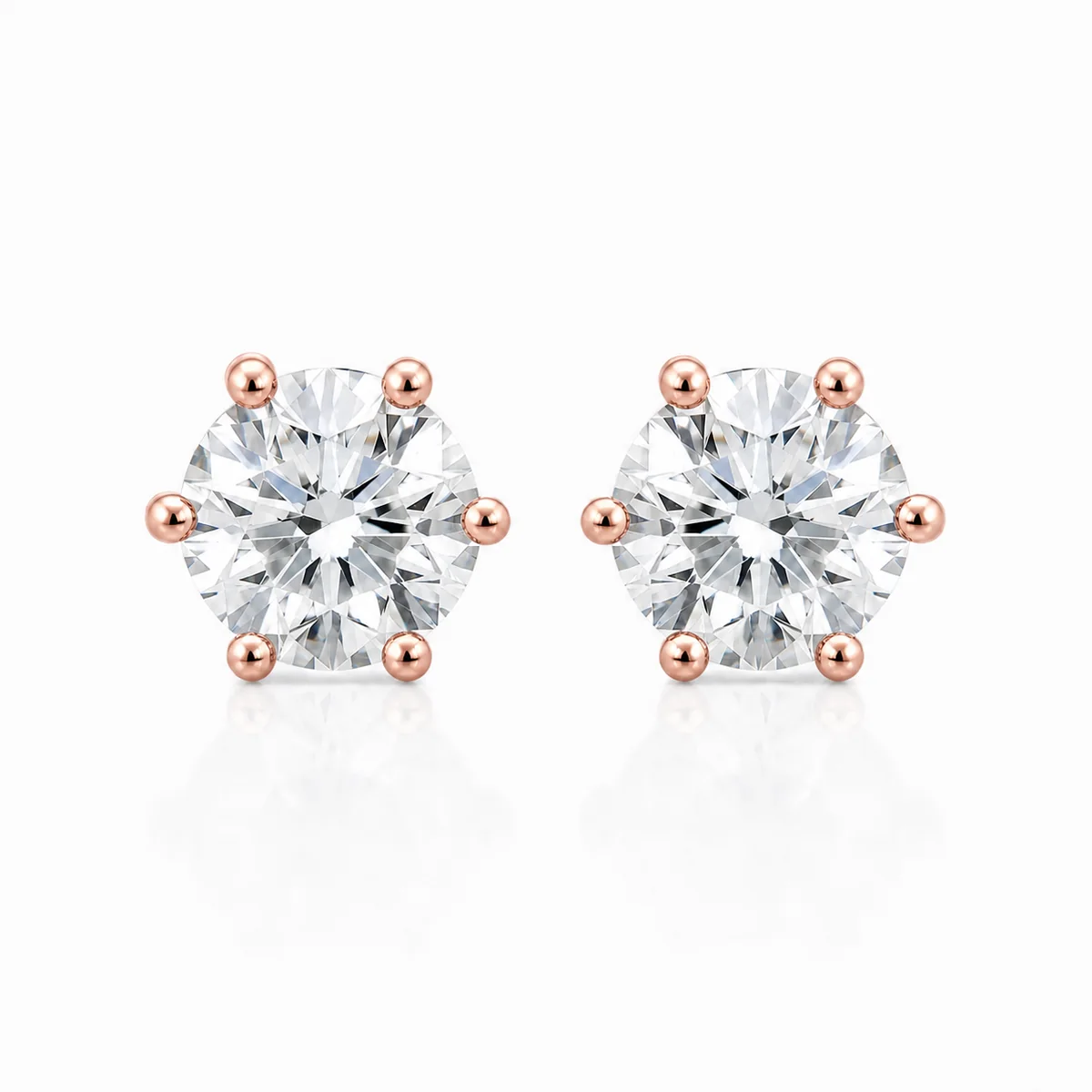 Six-claw studsThe classic crown setting, in miniature.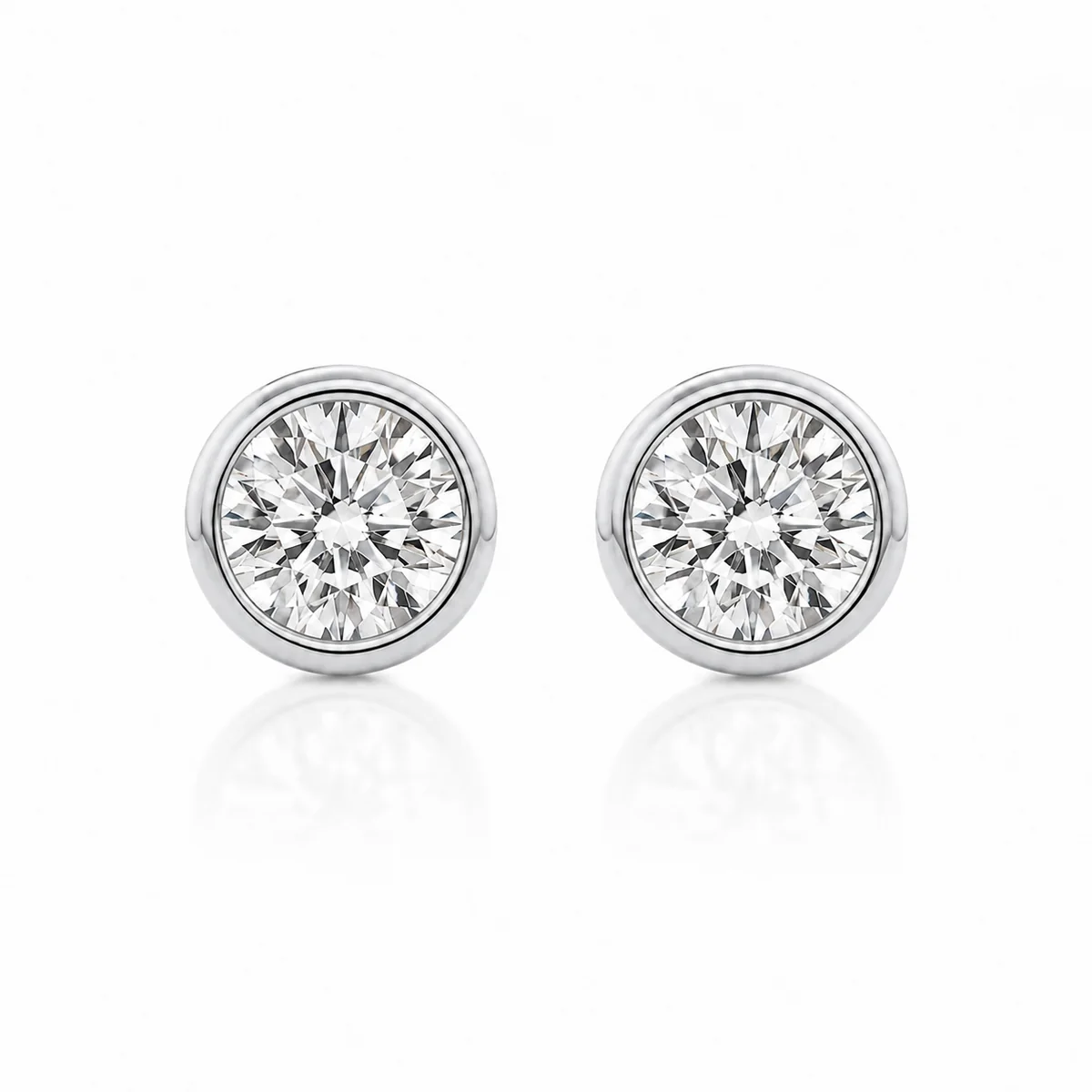
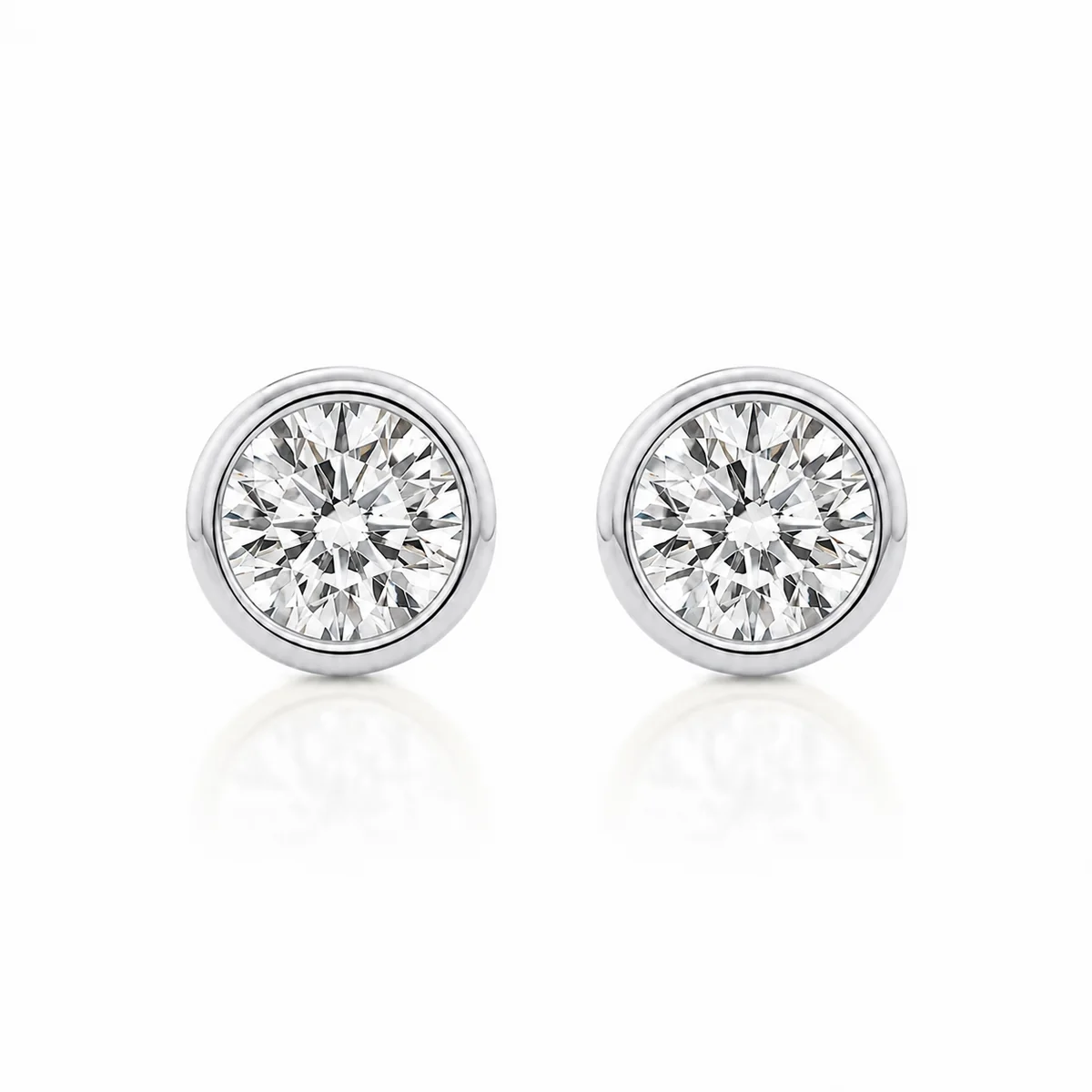
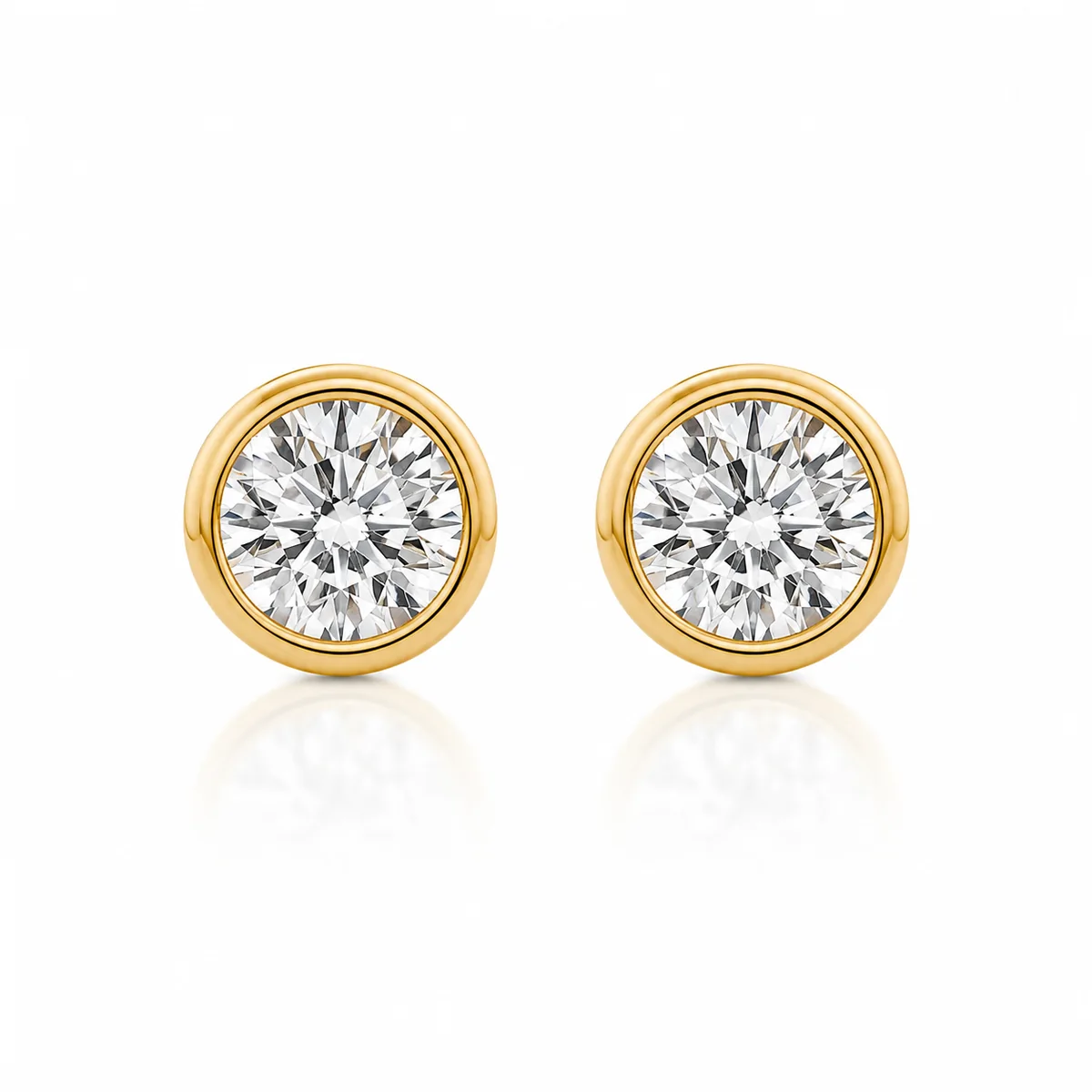
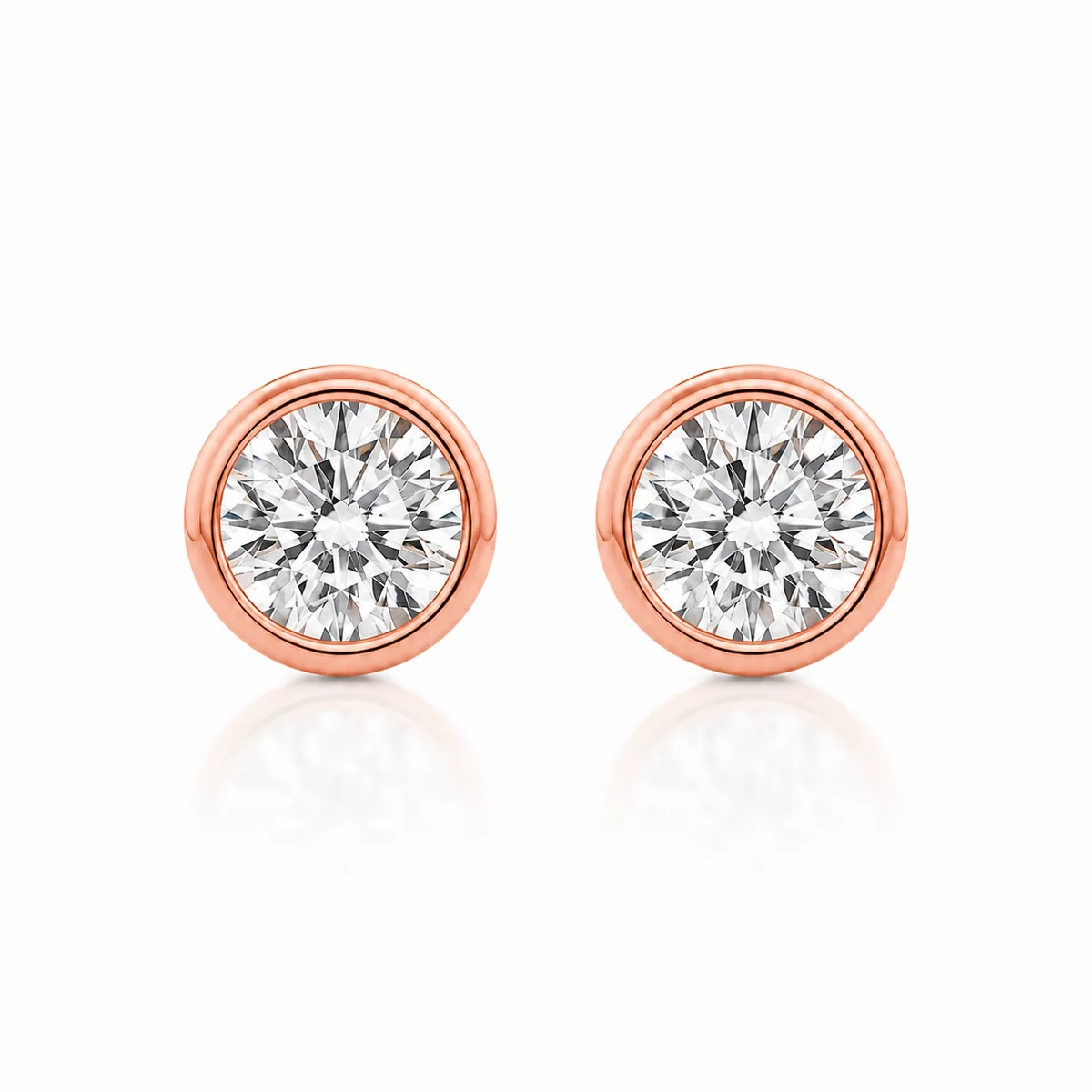 Bezel studsA smooth rim all round. Sleeps in.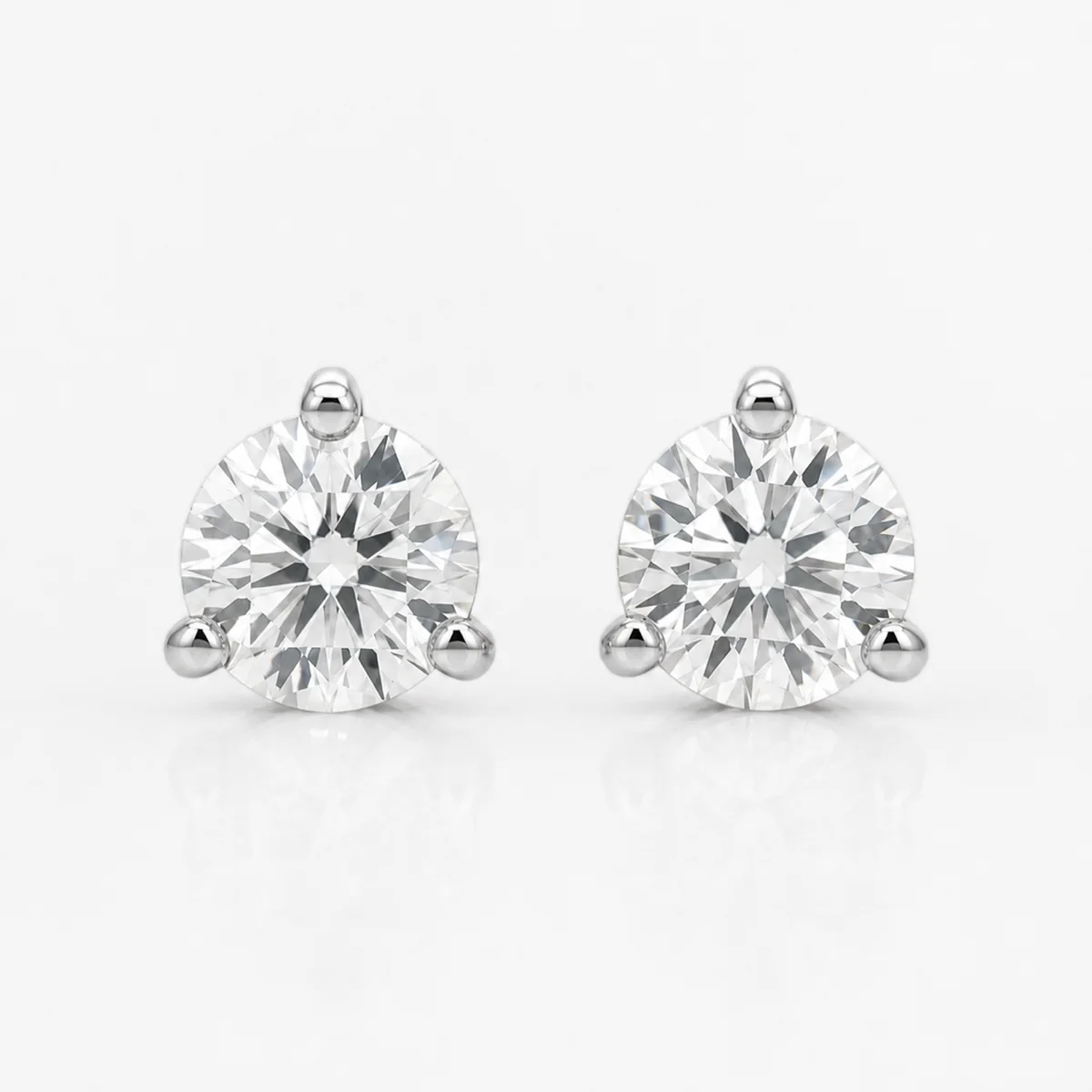
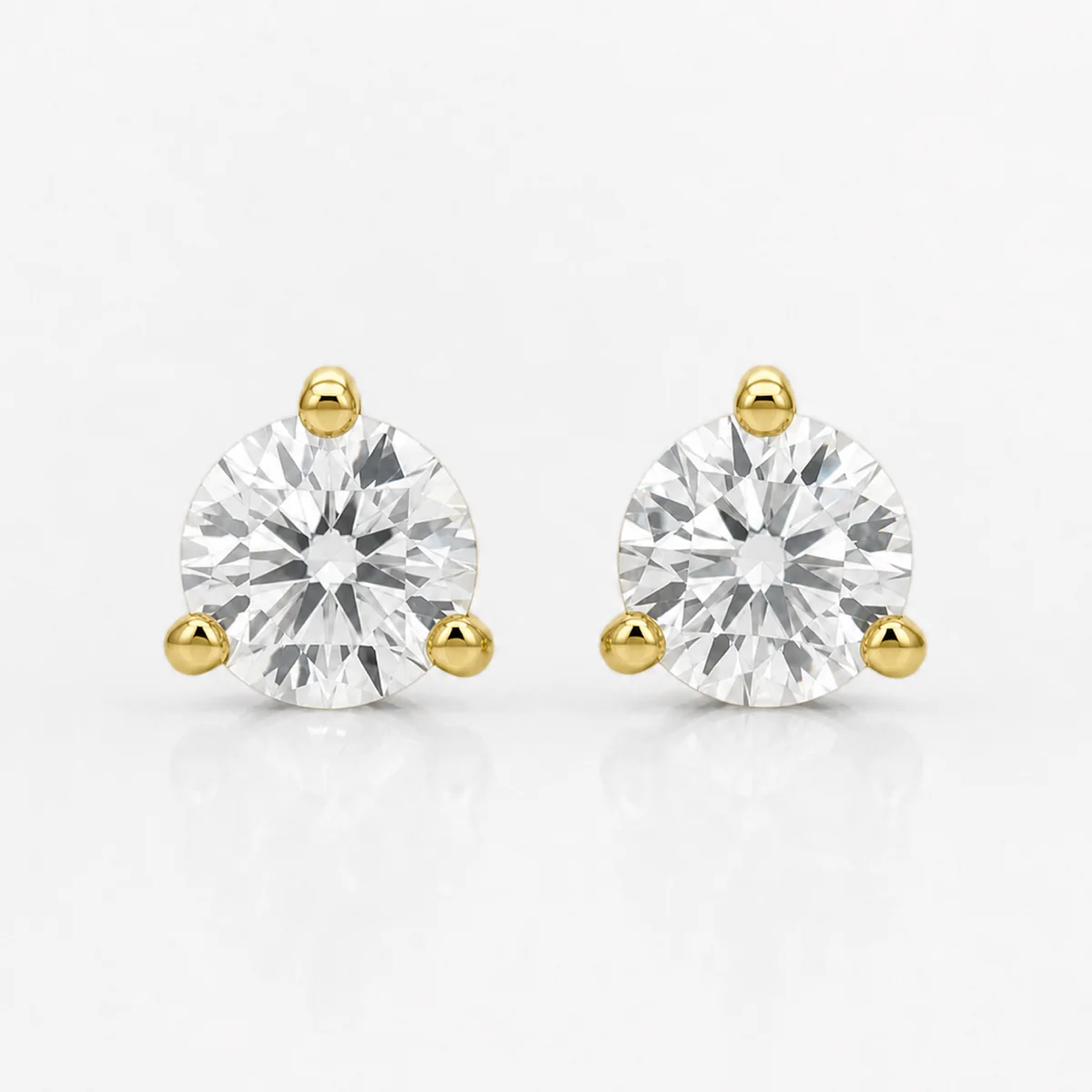
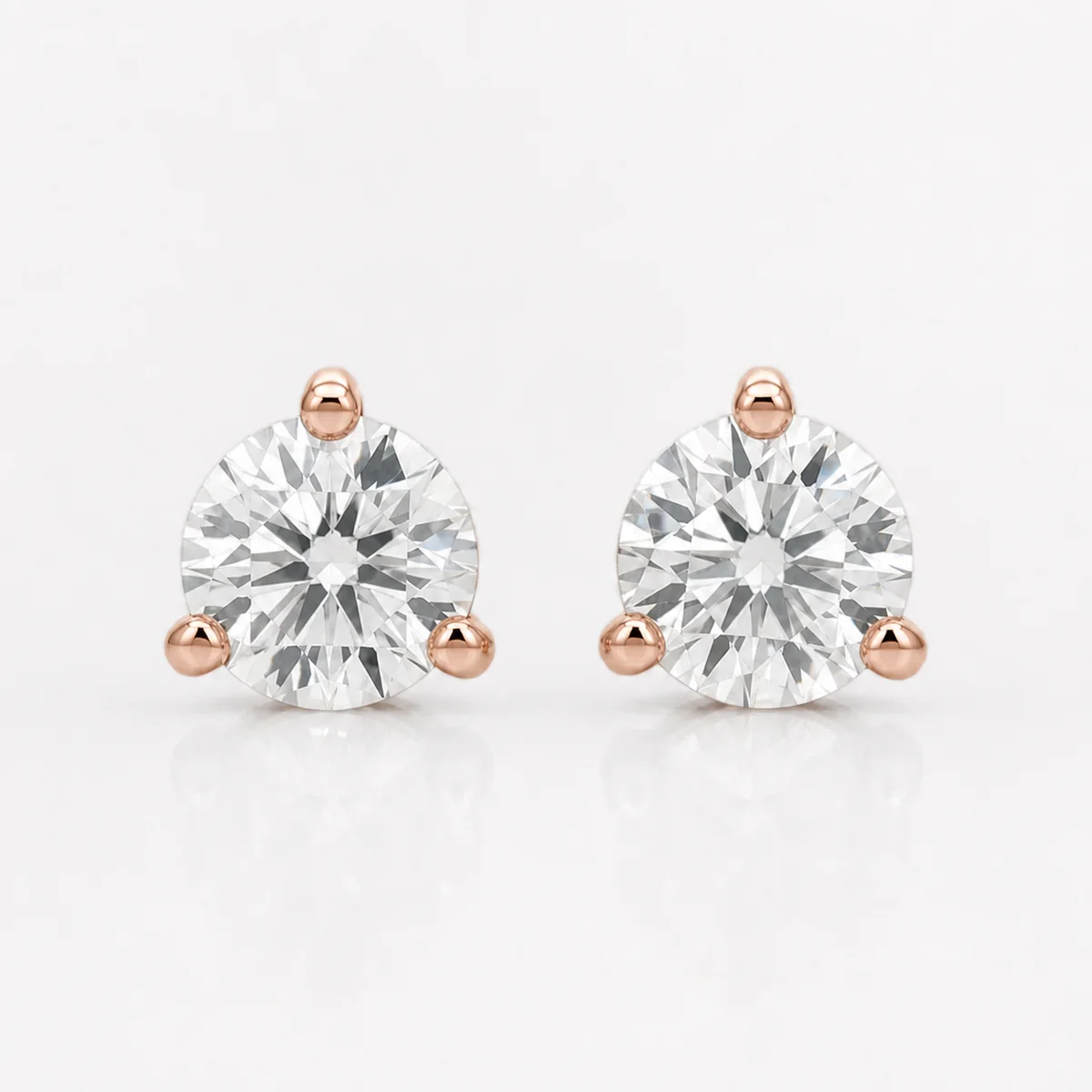 Martini studsThree claws, a tapered cone. Sits low.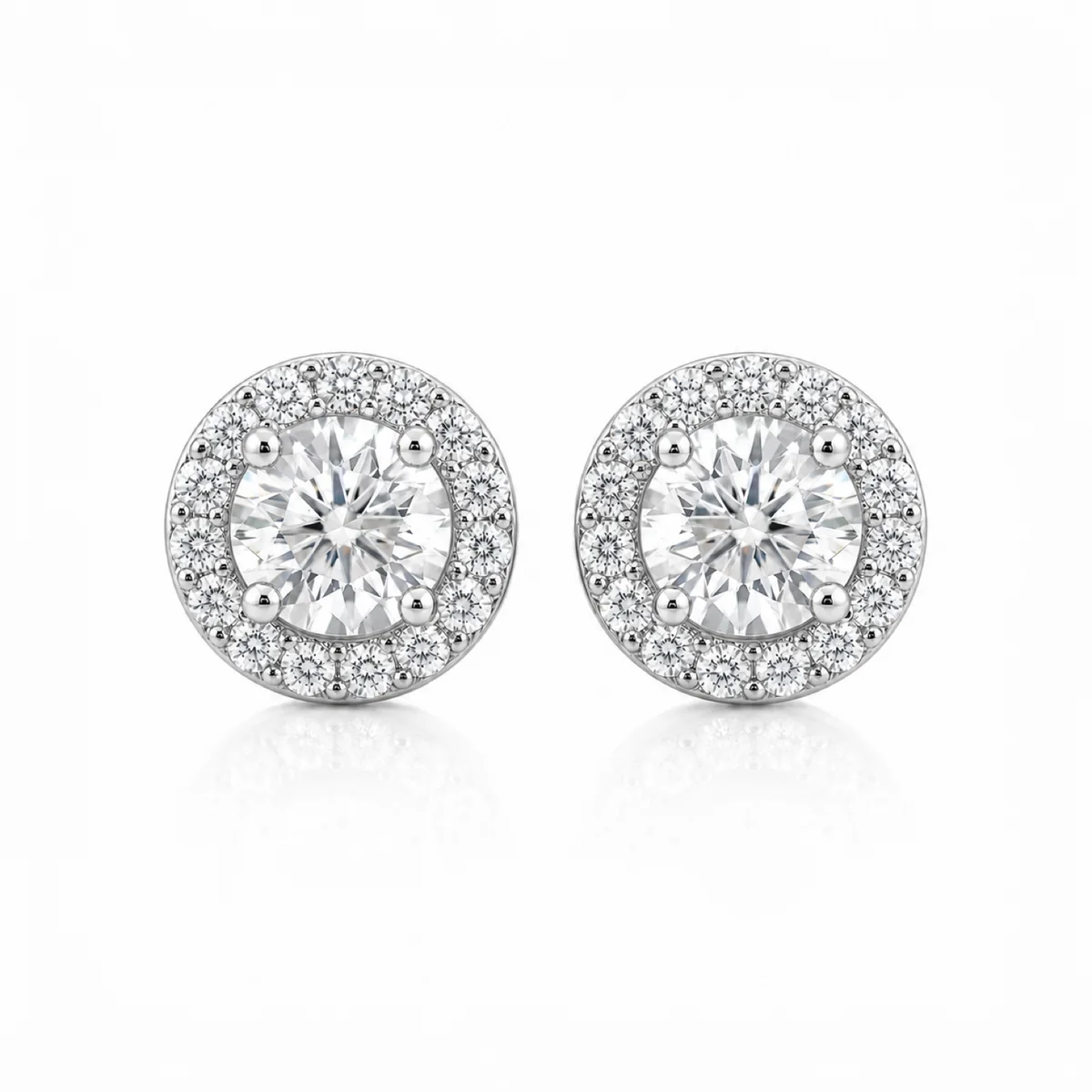
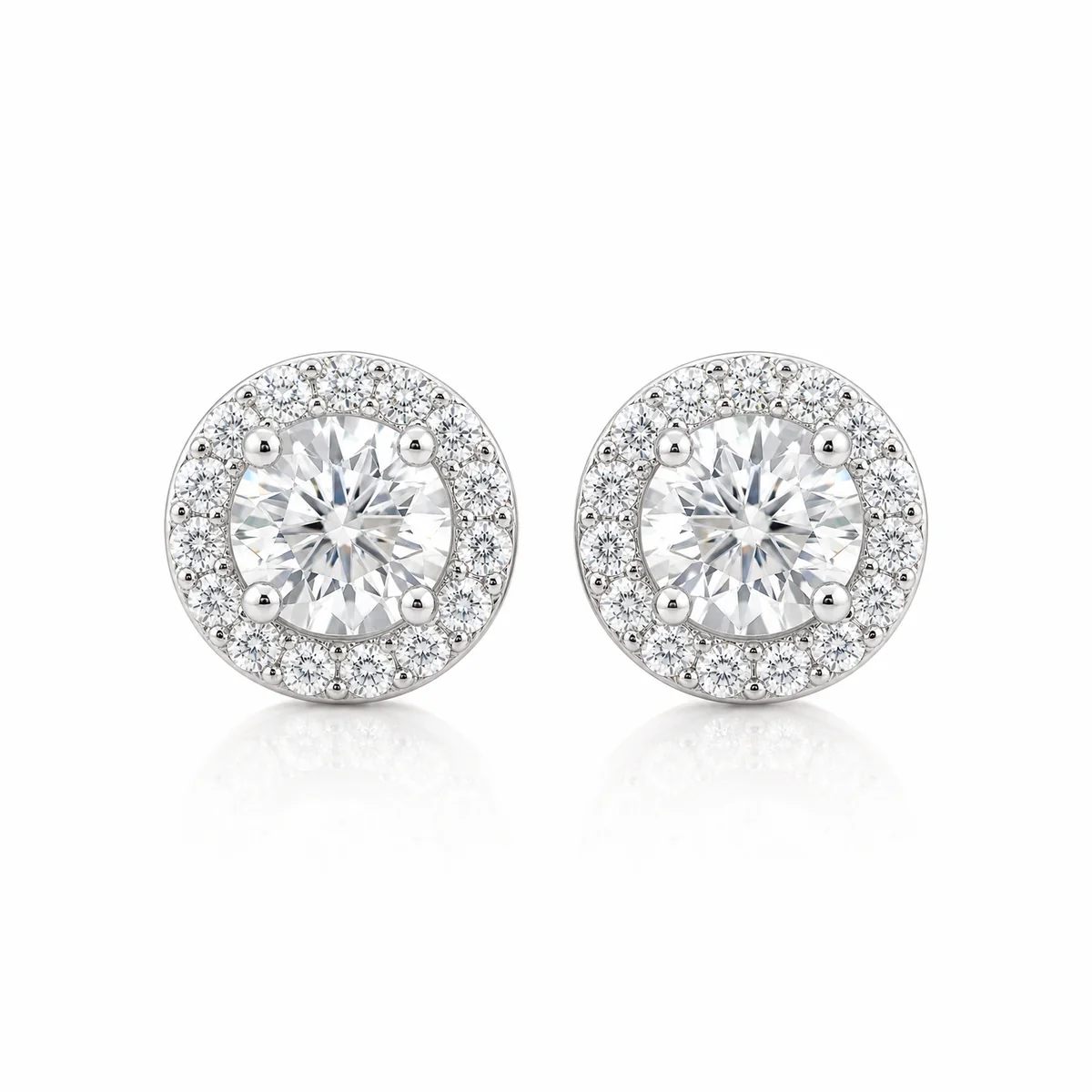
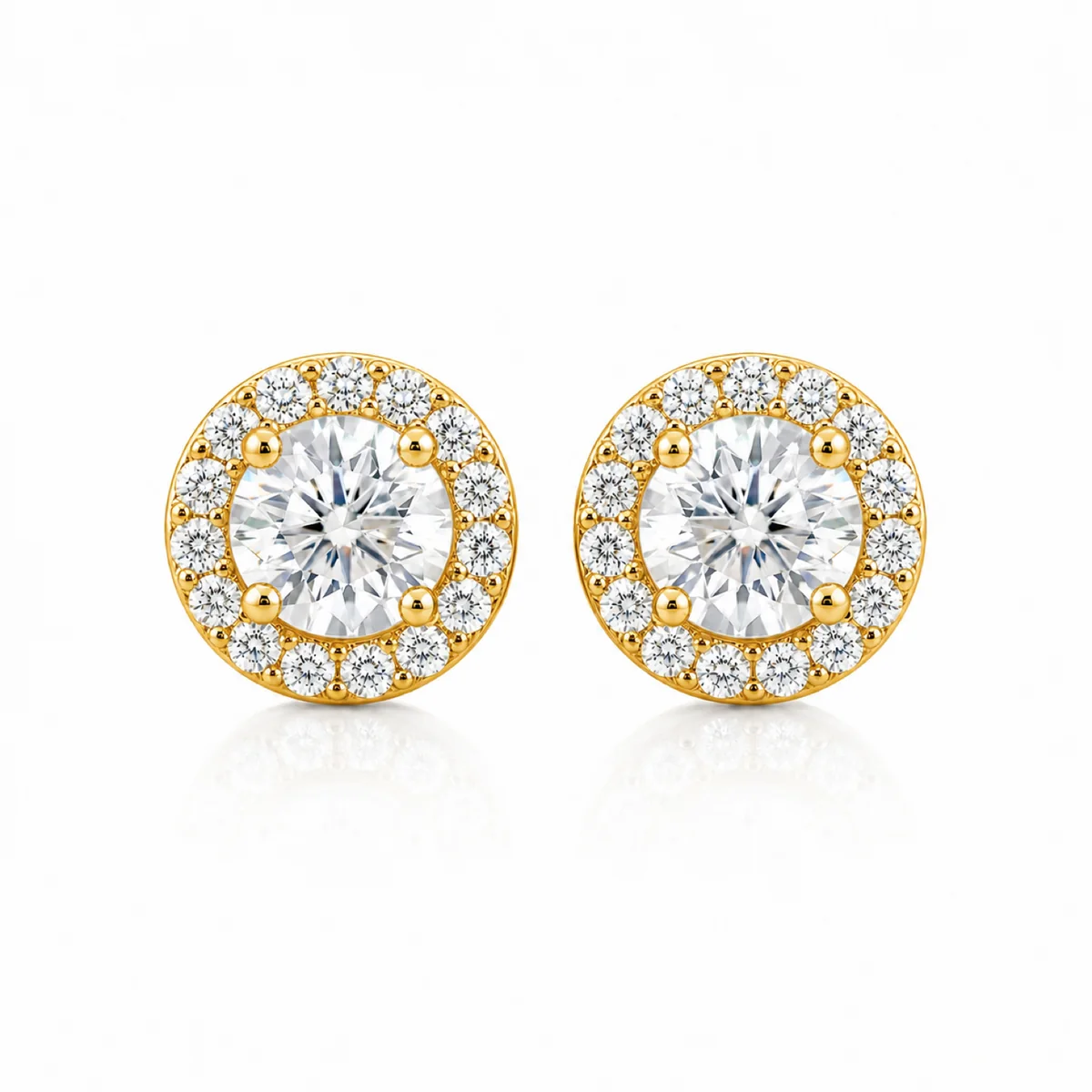
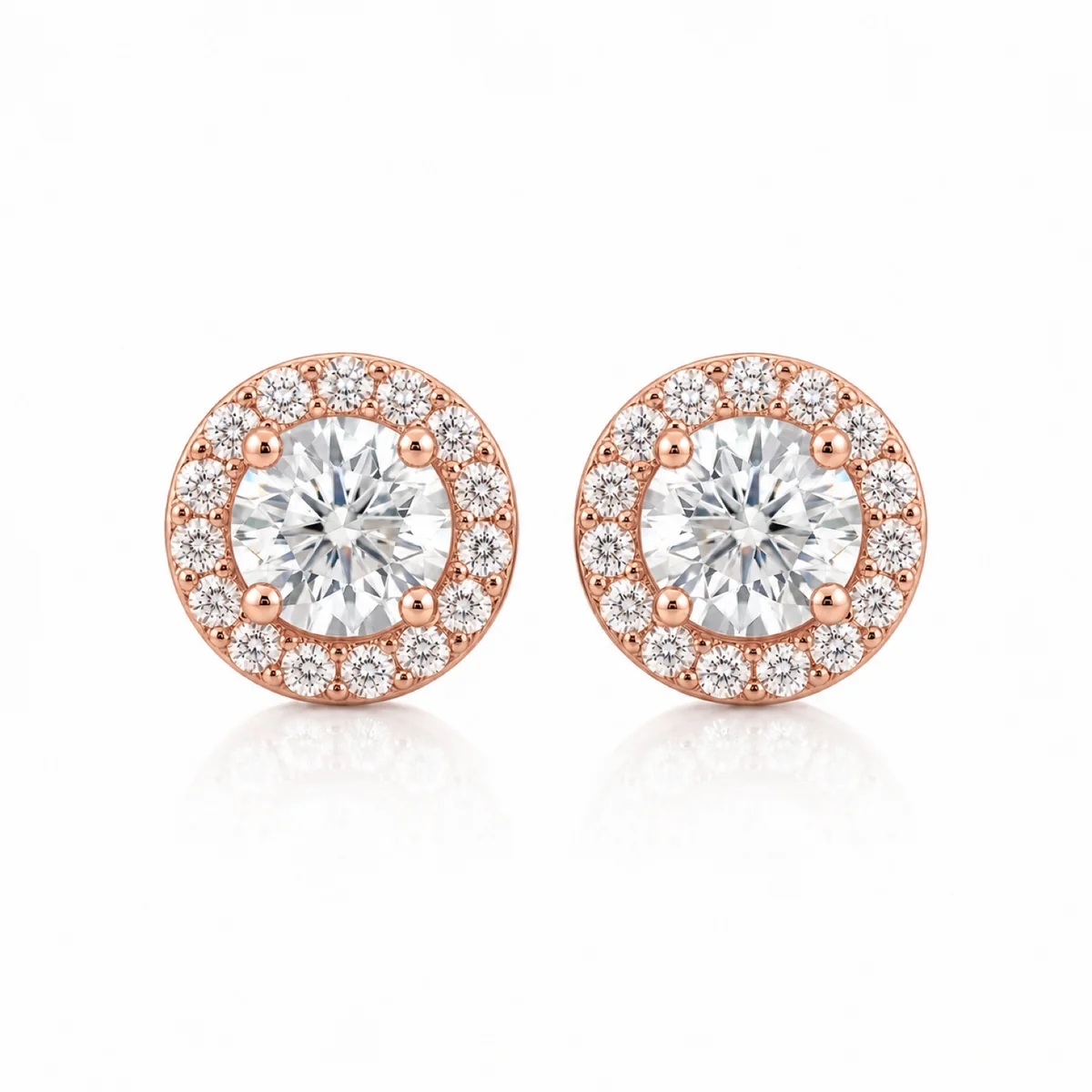 Halo studsA ring of small stones. Reads twice the size.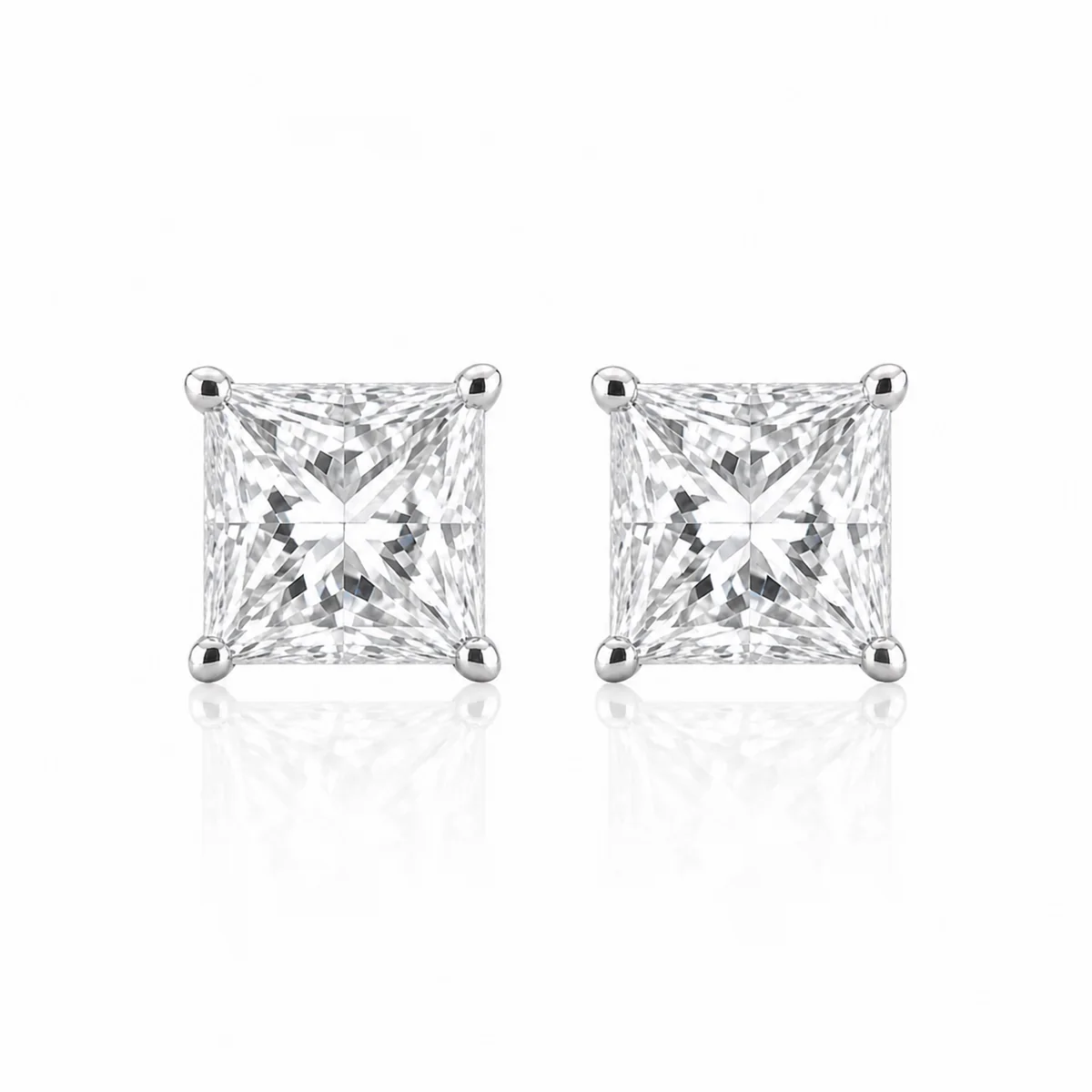
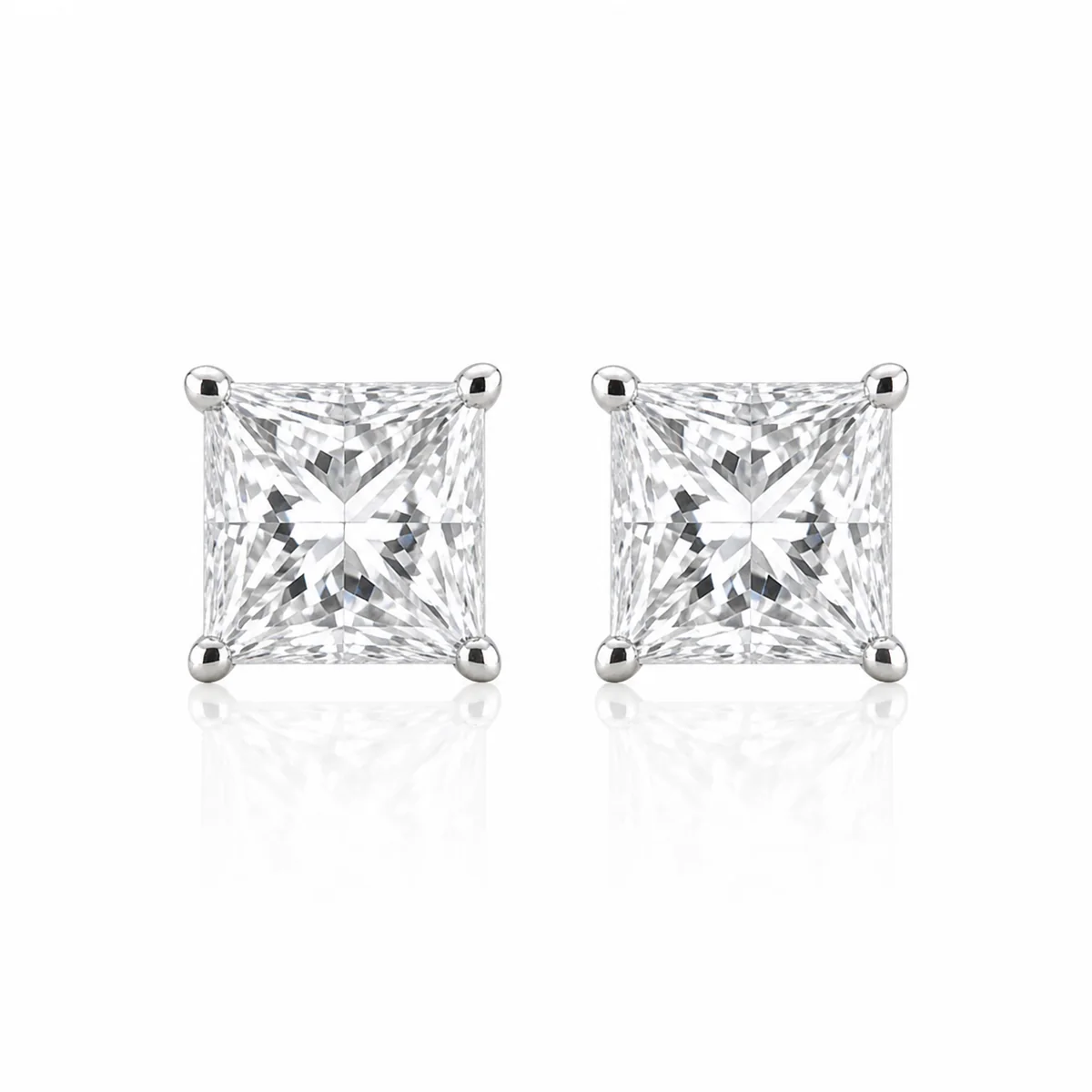
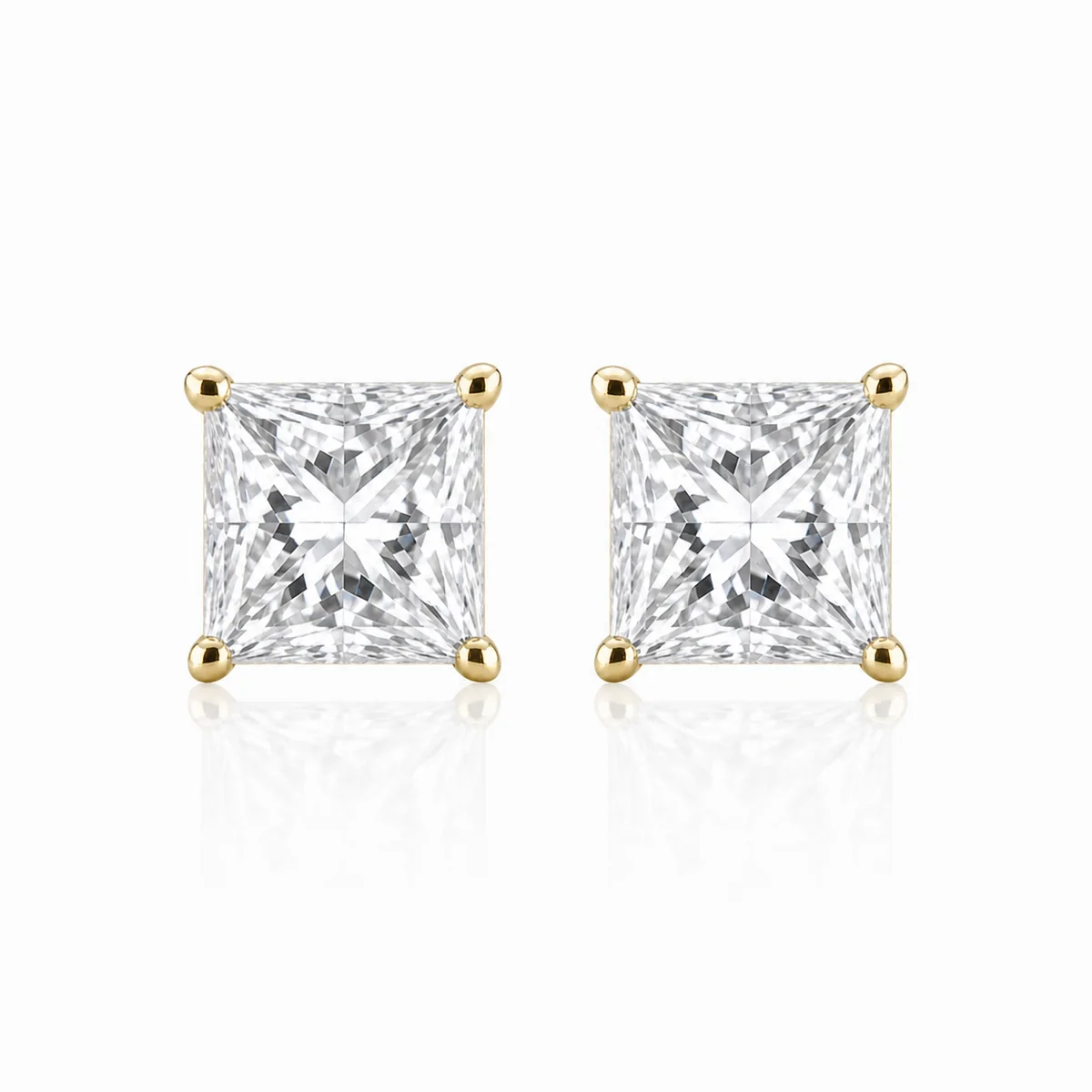
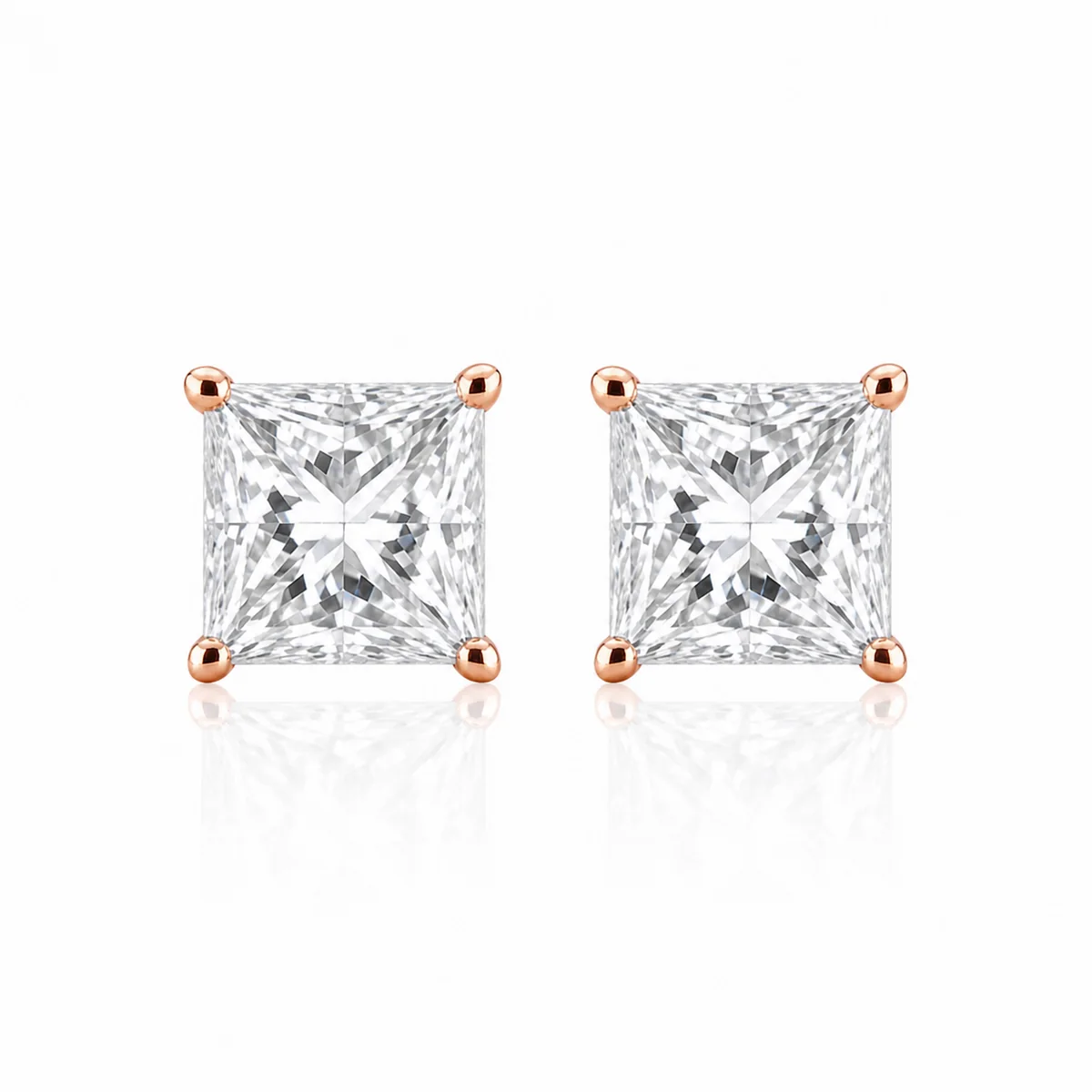 Princess studsSquare stones, sharp corners.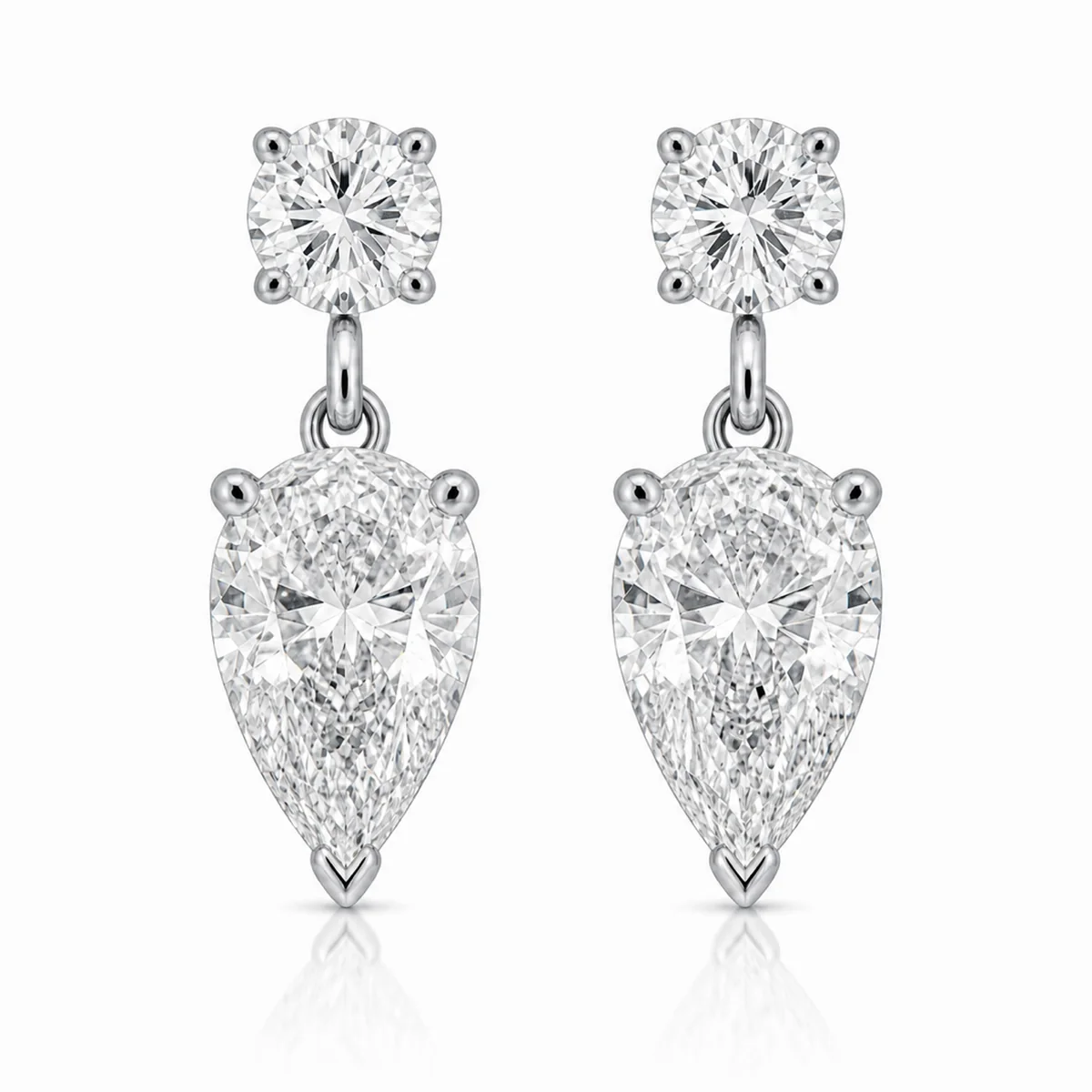
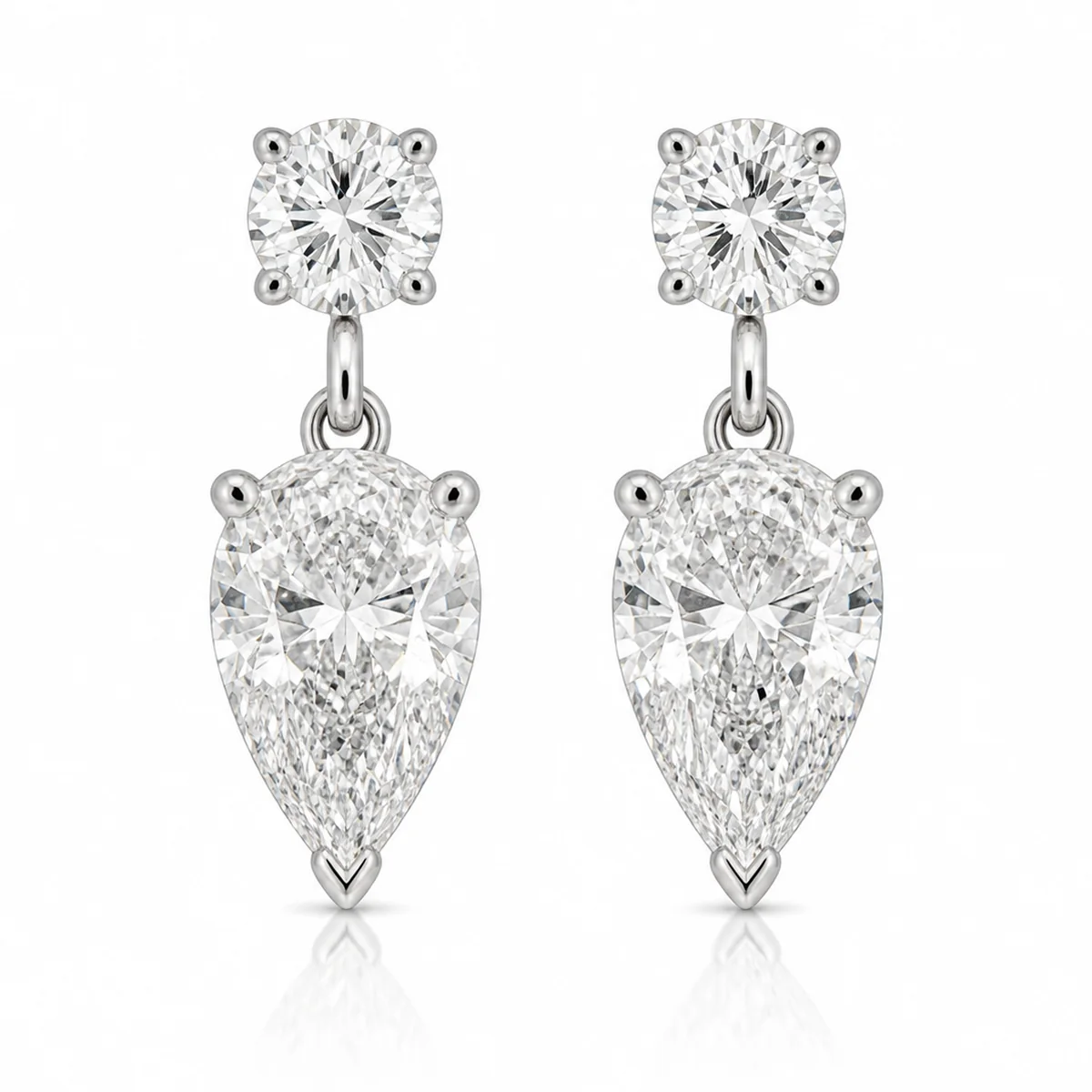
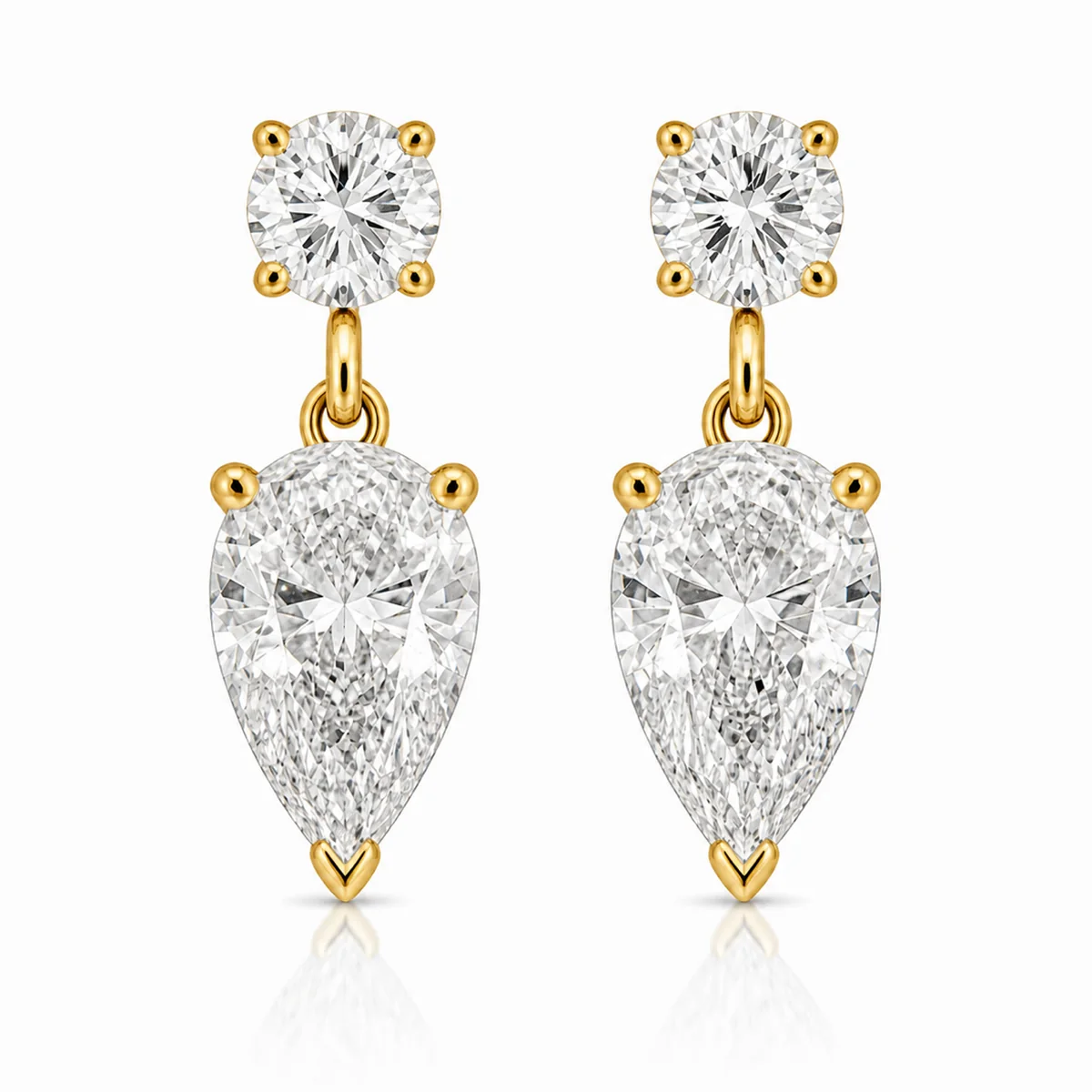
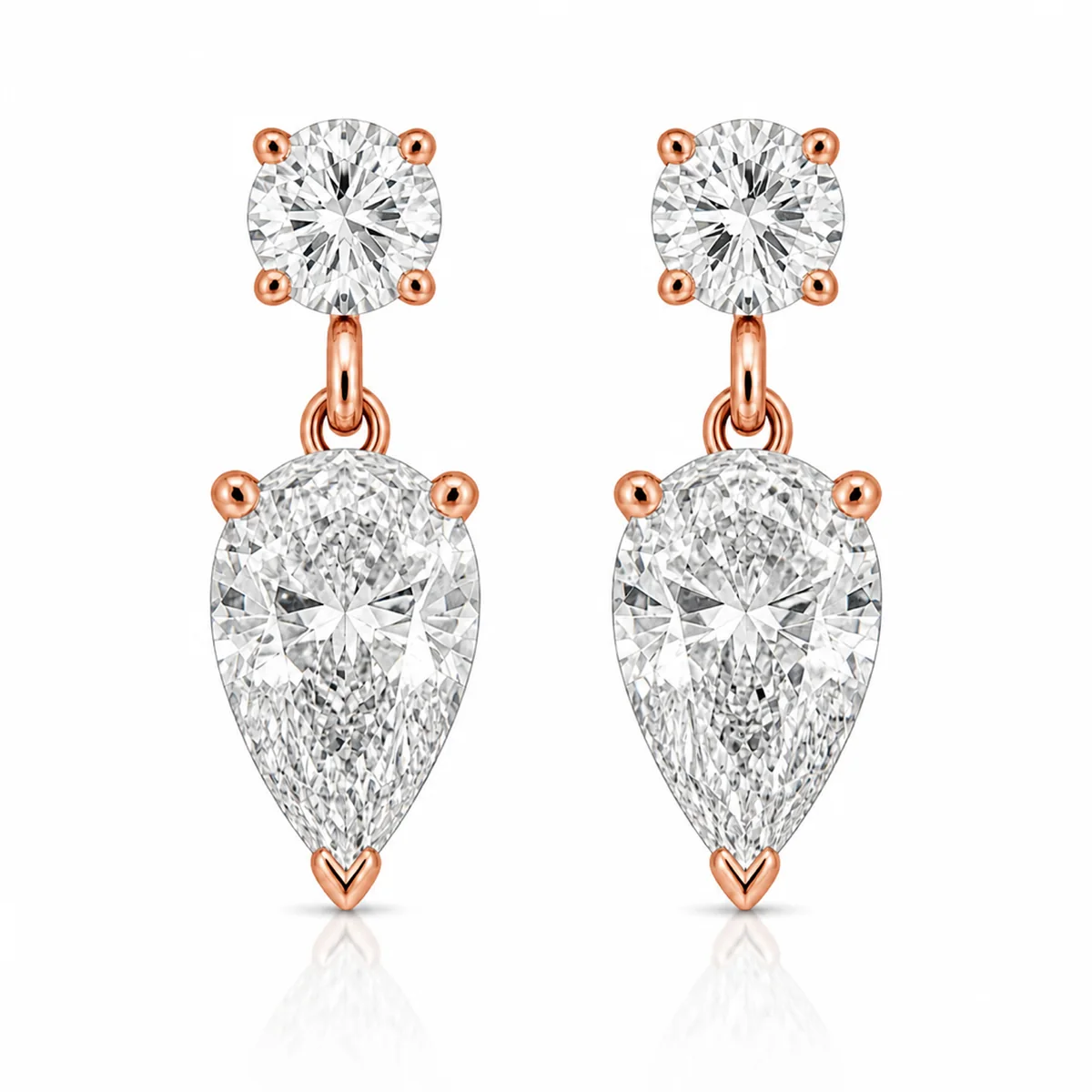 Pear dropsA stud above, a pear hanging below.
These are examples, not a catalogue
We are a working bench, so we can make essentially anything: a design off this page, one of these changed, a piece you have seen elsewhere, a drawing, a photograph, or an heirloom reset into something new. Bring the idea in whatever form you have it and we will tell you what it takes and what it costs, before any work starts.
Message Prodiam on WhatsAppor send it through the contact page
Renders are illustrations of a design, not photographs of a piece in stock. The stones in the pictures are stand-ins; yours is the one you choose, certified, with its own report.
Matched pairs · real stones, landed rand prices
Diamond stud earrings: dated matched-pair price examples, by weight
Each pair below is two certified natural diamonds of one shape, one colour, one clarity and one cut grade, within three percent of each other in weight, at the price of the two stones with VAT and insured delivery included. These are sourced examples captured on 2 September 2026; availability must be confirmed. The setting, posts and making are additional and are included in your complete quote.
About half a carat across the pair
0.25ct each · 2 291 stones in this band at capture
-
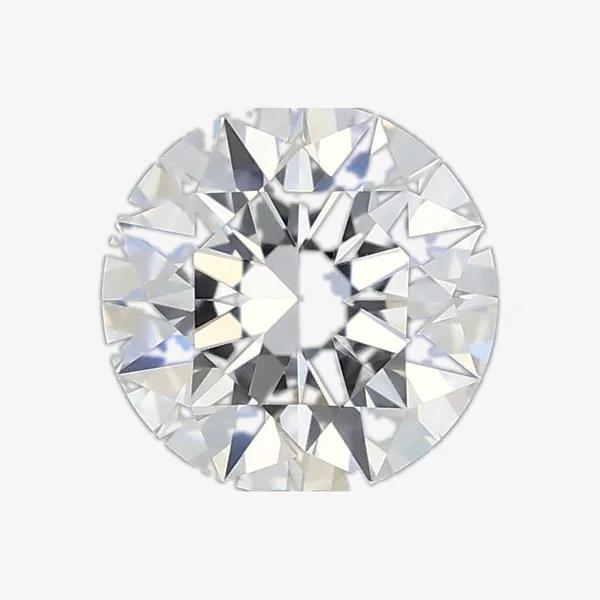
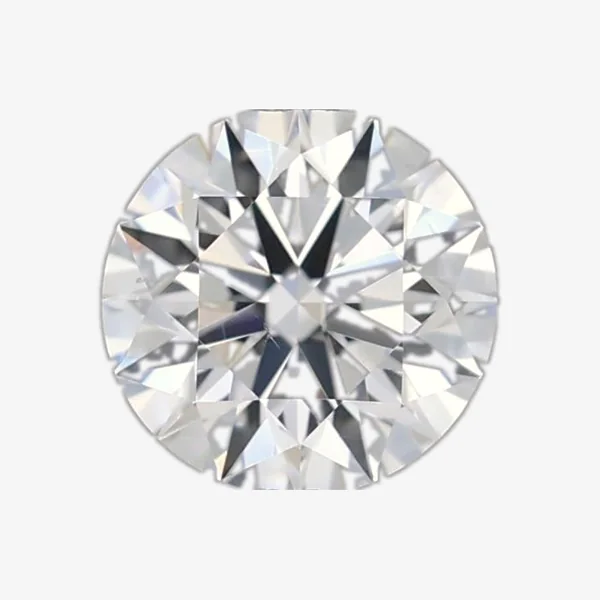
2 × 0.26ct Round · D/VS2 · EX cut · GIA
R14 400 for the two stones
PD-1JQAE91 · PD-EDTUHF
Ask about this pair → -
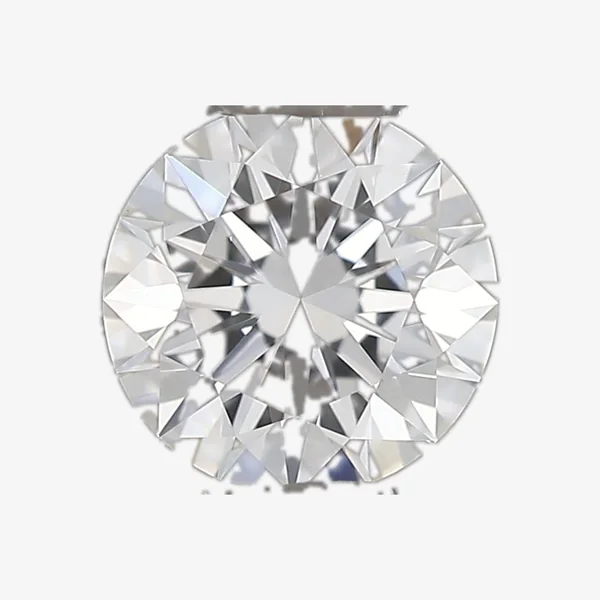
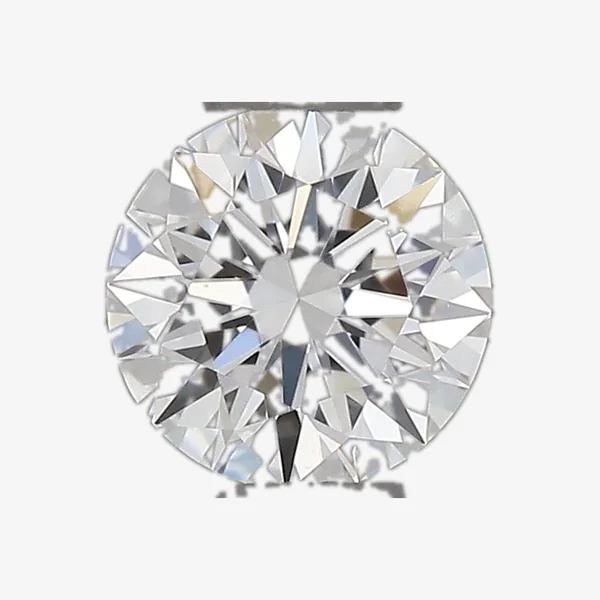
2 × 0.23ct Round · D/VS1 · EX cut · GIA
R14 400 for the two stones
PD-1Y7VUMW · PD-CR1A06
Ask about this pair → -
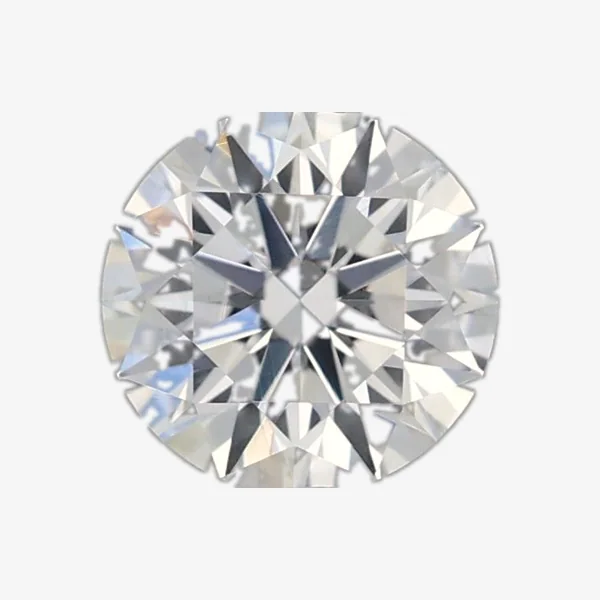
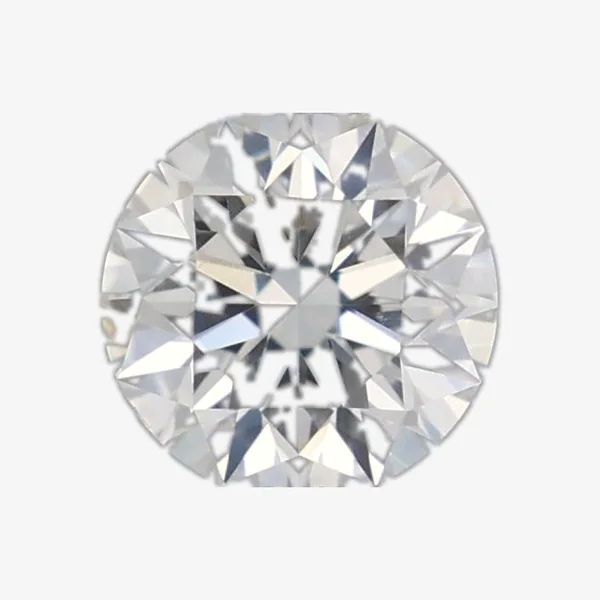
2 × 0.26ct Round · E/VS1 · VG cut · GIA
R14 200 for the two stones
PD-72453F · PD-53B5PI
Ask about this pair →
One carat across the pair
0.50ct each · 15 505 stones in this band at capture
-
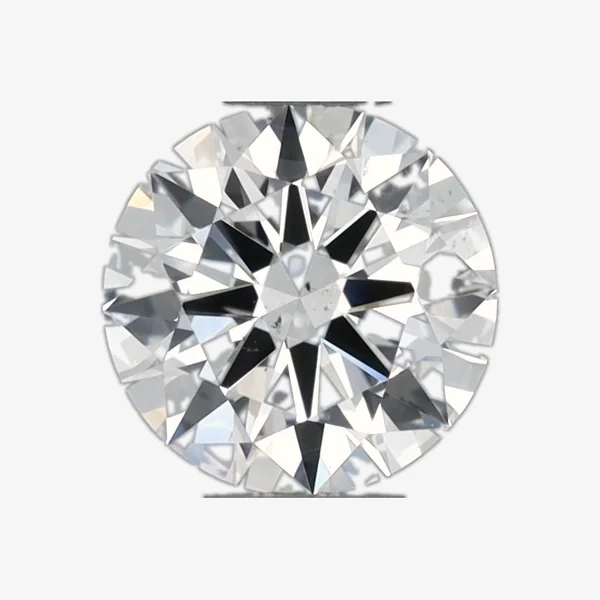
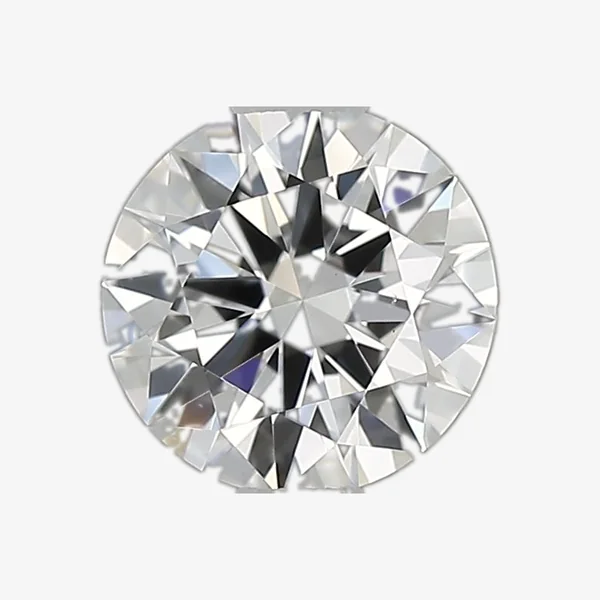
2 × 0.5ct Round · D/SI1 · EX cut · GIA
R32 200 for the two stones
PD-QQYOG0 · PD-TWTAH9
Ask about this pair → -
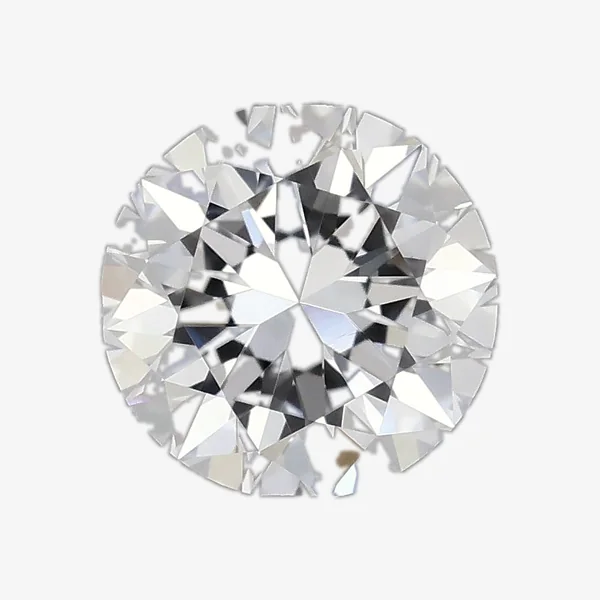
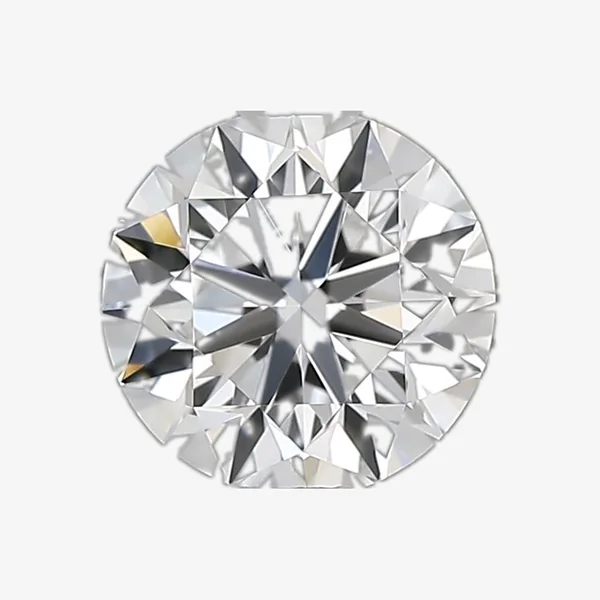
2 × 0.5ct Round · E/VS1 · VG cut · GIA
R32 200 for the two stones
PD-1LFCSWW · PD-TXY4ZU
Ask about this pair → -
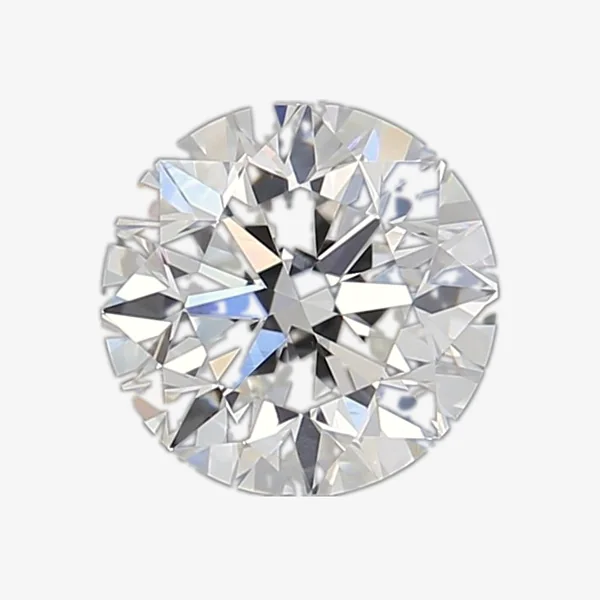
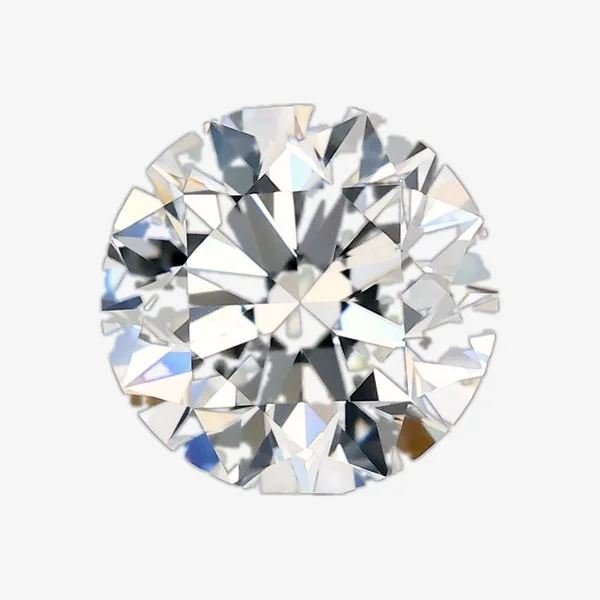
2 × 0.5ct Round · F/VS1 · VG cut · GIA
R32 200 for the two stones
PD-18RBDNN · PD-1BRGGWR
Ask about this pair →
One and a half carats across the pair
0.75ct each · 8 259 stones in this band at capture
-
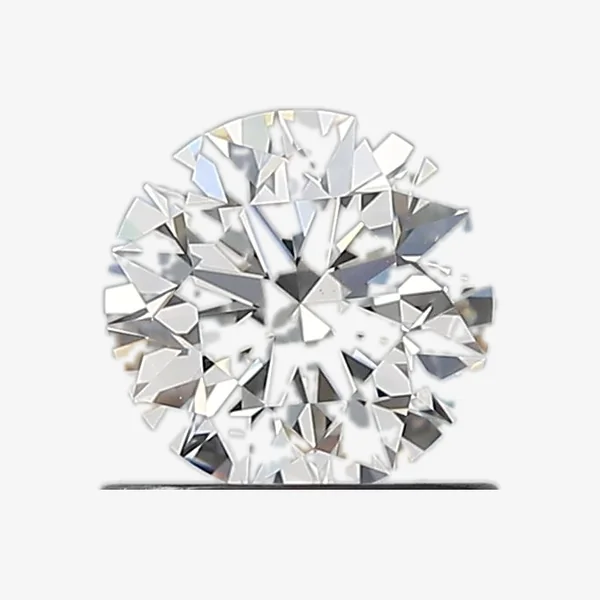
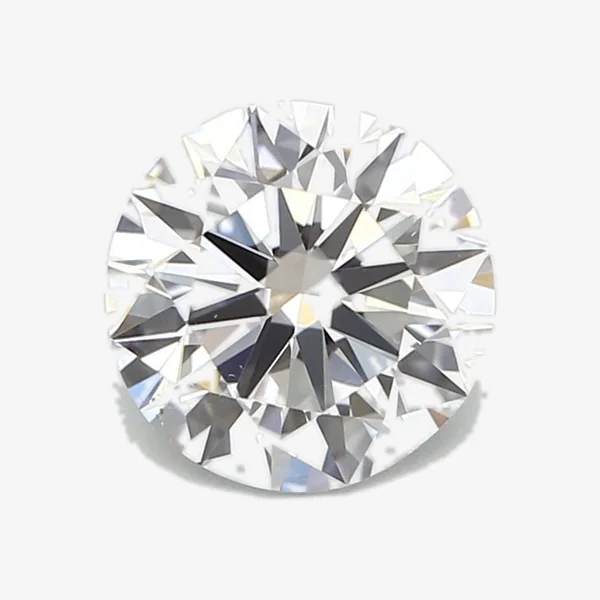
2 × 0.7ct Round · D/VS2 · EX cut · GIA
R59 600 for the two stones
PD-V3O70O · PD-FJEB4A
Ask about this pair → -
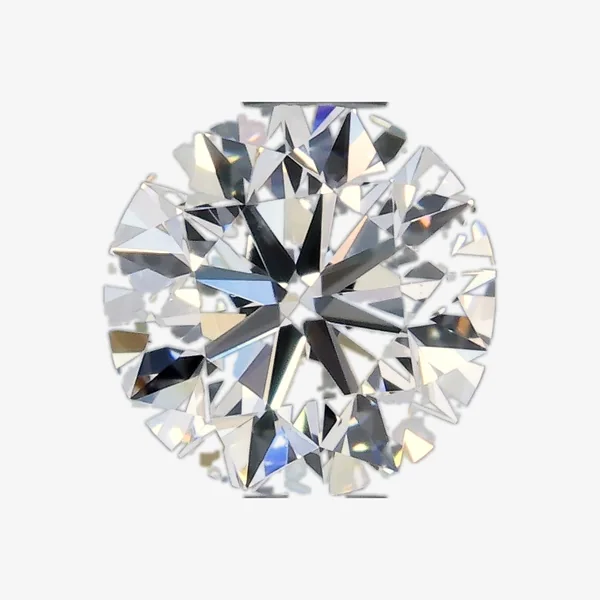
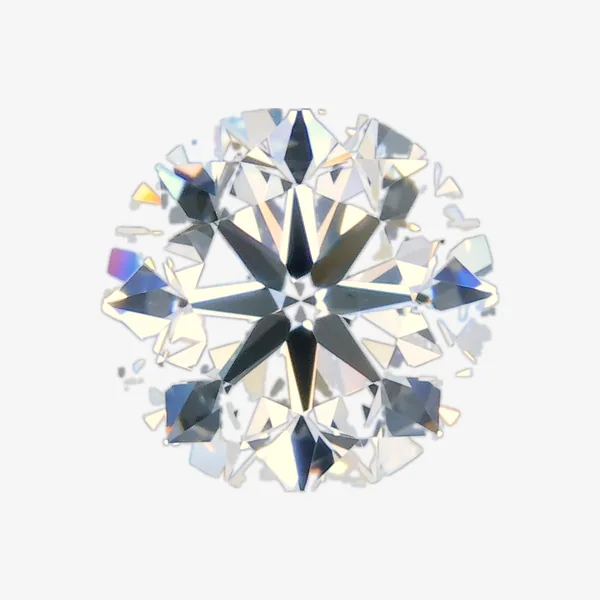
2 × 0.7ct Round · E/VS2 · VG cut · GIA
R59 200 for the two stones
PD-WA4D0V · PD-H821O3
Ask about this pair → -
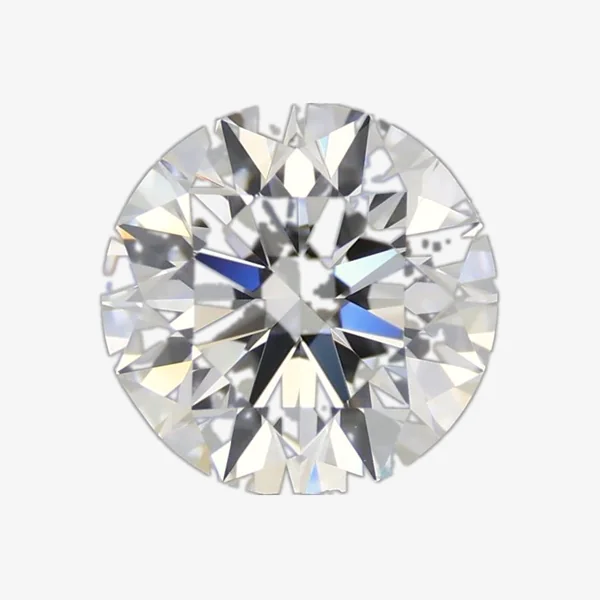
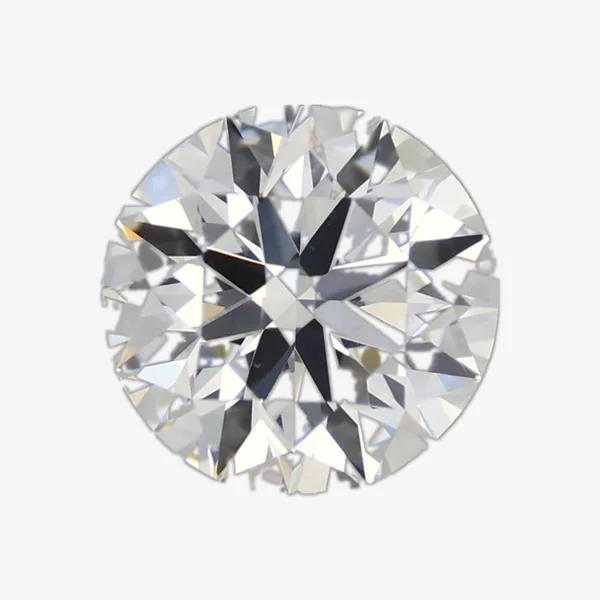
2 × 0.7ct Round · E/VS1 · EX cut · GIA
R60 400 for the two stones
PD-17LUXUJ · PD-V8JC68
Ask about this pair →
Two carats across the pair
1.00ct each · 7 596 stones in this band at capture
-
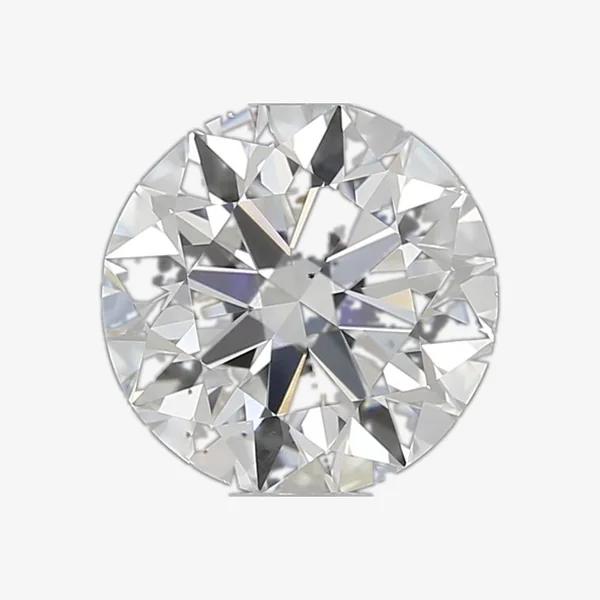
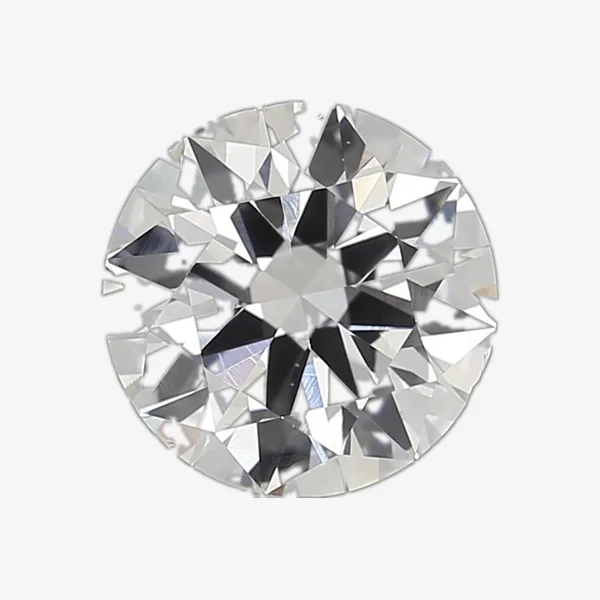
2 × 1ct Round · F/VS2 · EX cut · GIA
R146 400 for the two stones
PD-3RUZHG · PD-1D3CQ8D
Ask about this pair → -
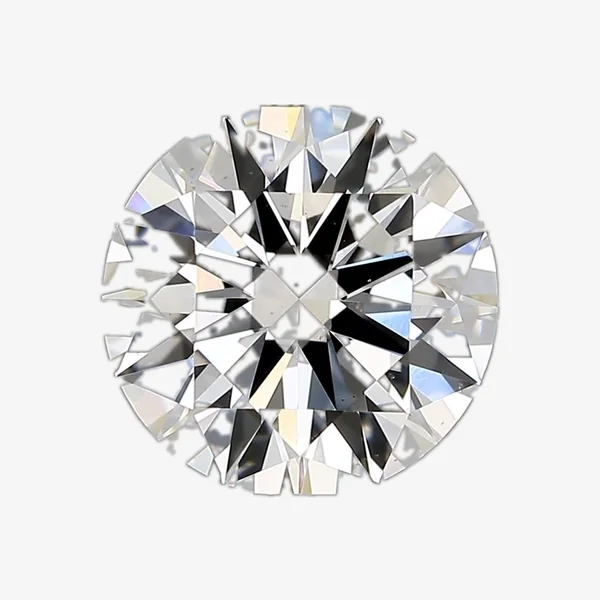
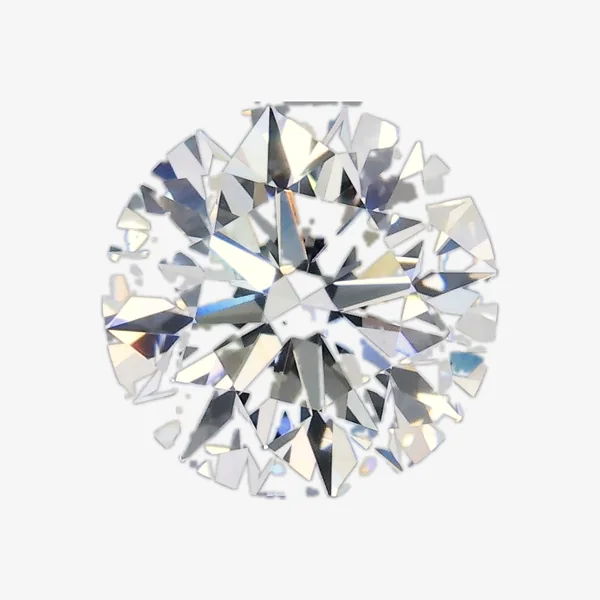
2 × 1.01ct Round · G/VS2 · EX cut · GIA
R145 000 for the two stones
PD-20X45D · PD-RWEHK3
Ask about this pair → -
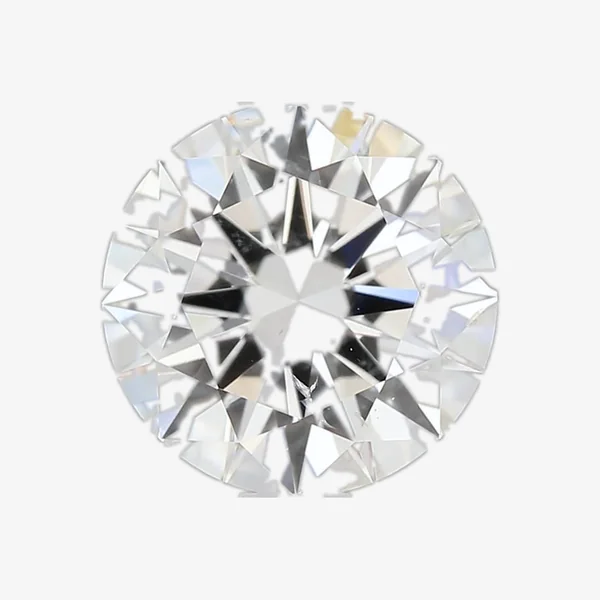
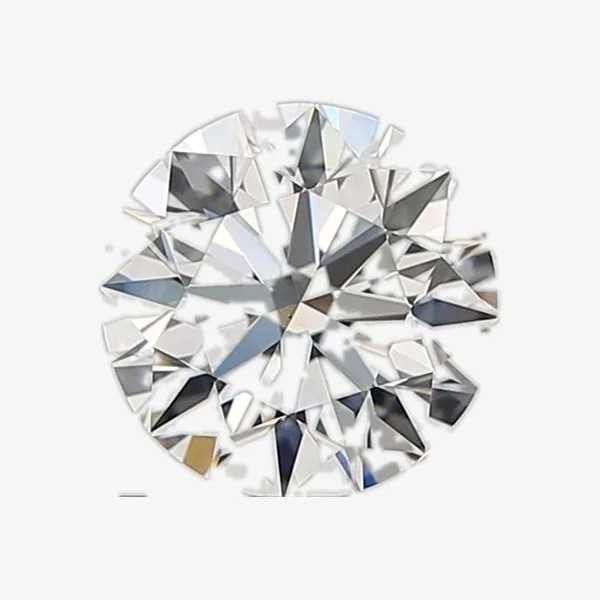
2 × 1.01ct Round · G/SI1 · EX cut · GIA
R145 200 for the two stones
PD-W28EXI · PD-6EKQXA
Ask about this pair →
Captured from live inventory on 2 September 2026. Quality floor of H colour, SI1 clarity and Very Good cut. Prices and availability change. Check current listings or ask us to confirm the pair before deciding.
How a pair of diamond studs is made to order
- 01
Brief
Carat weight per stone, colour and clarity range, the setting, the metal, the back, your budget and your date. We reply within a working day.
- 02
Match the pair
Two stones of one shape, colour, clarity and cut grade, within a few percent in weight, checked side by side under loupe. You approve the pair from the reports and a video viewing.
- 03
Make and set
Settings cast in 18k white, yellow or rose gold, or platinum; each stone set at the bench; posts and backs fitted; hand-polished and checked under the microscope.
- 04
Hand over
Collect in Bedfordview by appointment, or insured overnight courier anywhere in South Africa. Certificates and an insurance valuation included.
Studs are one of the pairs we make; for halo studs, drops and hoops see diamond earrings. Every pair comes from the same bench as our engagement rings.
Diamond stud earrings: common questions
How much do diamond stud earrings cost in South Africa?
The two stones set most of the price, then the setting, posts and metal. On 2 September 2026 the sourced matched-pair examples ran from R14 200 for two quarter-carat stones to R146 400 for two one-carat stones, VAT and insured delivery included, before the setting. The setting and posts are quoted as a separate, firm rand figure before any work begins.
How big is a half-carat or one-carat diamond stud?
Studs are sold by the total weight across both ears, so a "one carat pair" is two half-carat stones. A round brilliant of 0.25ct measures about 4.1mm across, 0.50ct about 5.1mm, 0.75ct about 5.8mm and 1.00ct about 6.4mm. Two half-carat stones read as a clear, everyday pair; two one-carat stones are a statement.
Screw backs or push backs?
Push backs (butterflies) are the everyday standard and easy to wear; screw backs need a threaded post and are the secure choice for heavier stones and for anyone who sleeps in their studs. We fit either, and for larger stones we add a wider disc so the earring sits up rather than tipping forward.
Which setting sits lowest and snags least?
A bezel stud, where a smooth rim of metal holds the stone, sits lowest and catches on nothing; a martini (three-claw cone) setting sits low too and shows more of the stone; a four-claw basket sits higher and lets in the most light. The choice is yours against how the pair will be worn.
Do you make single diamond studs for men?
Yes. A single stud is made the same way as a pair, most often a round brilliant between a quarter and one carat in a four-claw, bezel or martini setting with a screw back. Tell us whether you want one or two when you brief us.
The Prodiam promise
The quote is free. So is walking away.
Ask us to quote any stone or ring and you get a firm figure in writing within 24 hours, VAT inclusive, with the trade-offs explained in plain English. It costs nothing and commits you to nothing: no deposit, no account, no follow-up campaign. Worst case, you learned the honest number and bought elsewhere better informed.
We actually want you to compare. Buying well means weighing options; it is how we buy rough at the viewings, and it is how you should buy a diamond. Bring any written quote and we will price it like-for-like, and if we cannot beat it, we will tell you so bluntly. Either way you leave knowing where you stand.
One more thing worth knowing: this site shows a selection of our stock, never the full range. Far more passes across the bench than we ever list, so if the exact stone or design you want is not here, ask us for it. It is usually one message away.
Get my written quoteWhatsApp Prodiam instead →
Prefer to talk it through first? That works too. Tell us how you like to be reached, and that is how we will reach you.