
Yellow Gold Engagement Rings · Bedfordview, Johannesburg
Yellow gold engagement rings, made to order in South Africa.
Yellow gold diamond engagement rings pair a warm gold setting with a natural centre diamond. Choose your design, gold alloy and diamond together, with Prodiam quoting the complete ring including VAT before making begins.
Every Prodiam yellow gold ring is made to order in our Bedfordview workshop, around a certified centre diamond, some cut in our own cutting house and others sourced to order, to GIA Excellent cut grade, then set on our own bench and sold direct. Natural, GIA-certified diamonds, with insured delivery anywhere in South Africa.
Brief us on a yellow gold ring Get a firm ZAR diamond price →
-
Natural diamonds only
We sell natural diamonds and diamond-set jewellery. Ask us about the grading report and available origin documentation for your chosen stone. Why we don’t sell lab-grown →
-
Independent grading reports
The grading laboratory is shown per stone. Review its report and the individual diamond before choosing; sourced examples can include GIA, EGL and IGI.
-
Insured delivery, SA & worldwide
Overnight across South Africa via Brink’s, G4S or our nominated jewellery courier. Insured worldwide dispatch via Ferrari Group and FedEx Custom Critical.
-
14-day in-person exchange
In-person sales at the viewing room come with a 14-day exchange courtesy on stock pieces. Distance-sale CPA cooling-off applies.
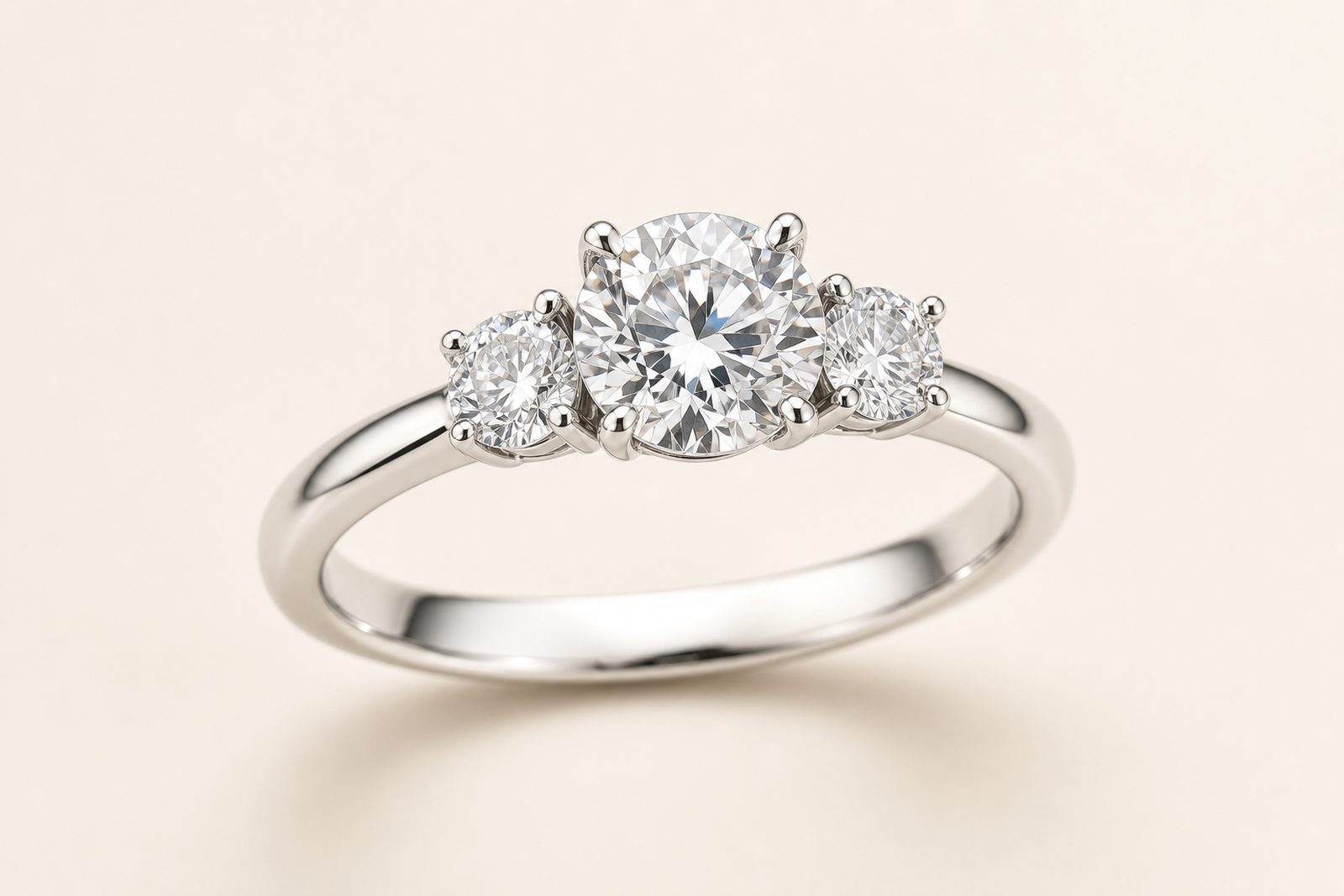
Example settings · rendered design references
Engagement ring settings in 18k yellow gold
Every setting from our bench shown in 18k yellow gold, rendered as design references. Switch the dots to compare the same design in another metal.
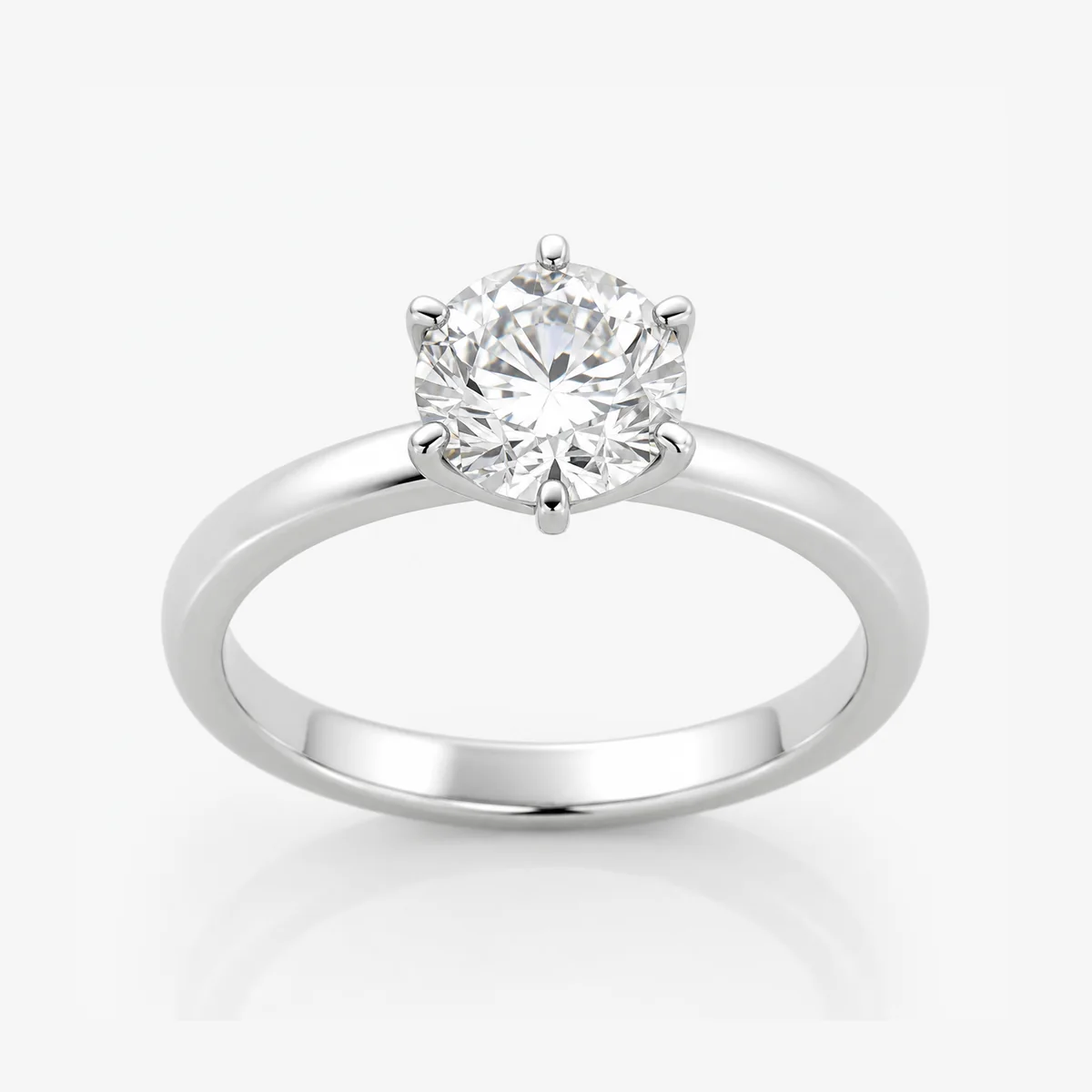
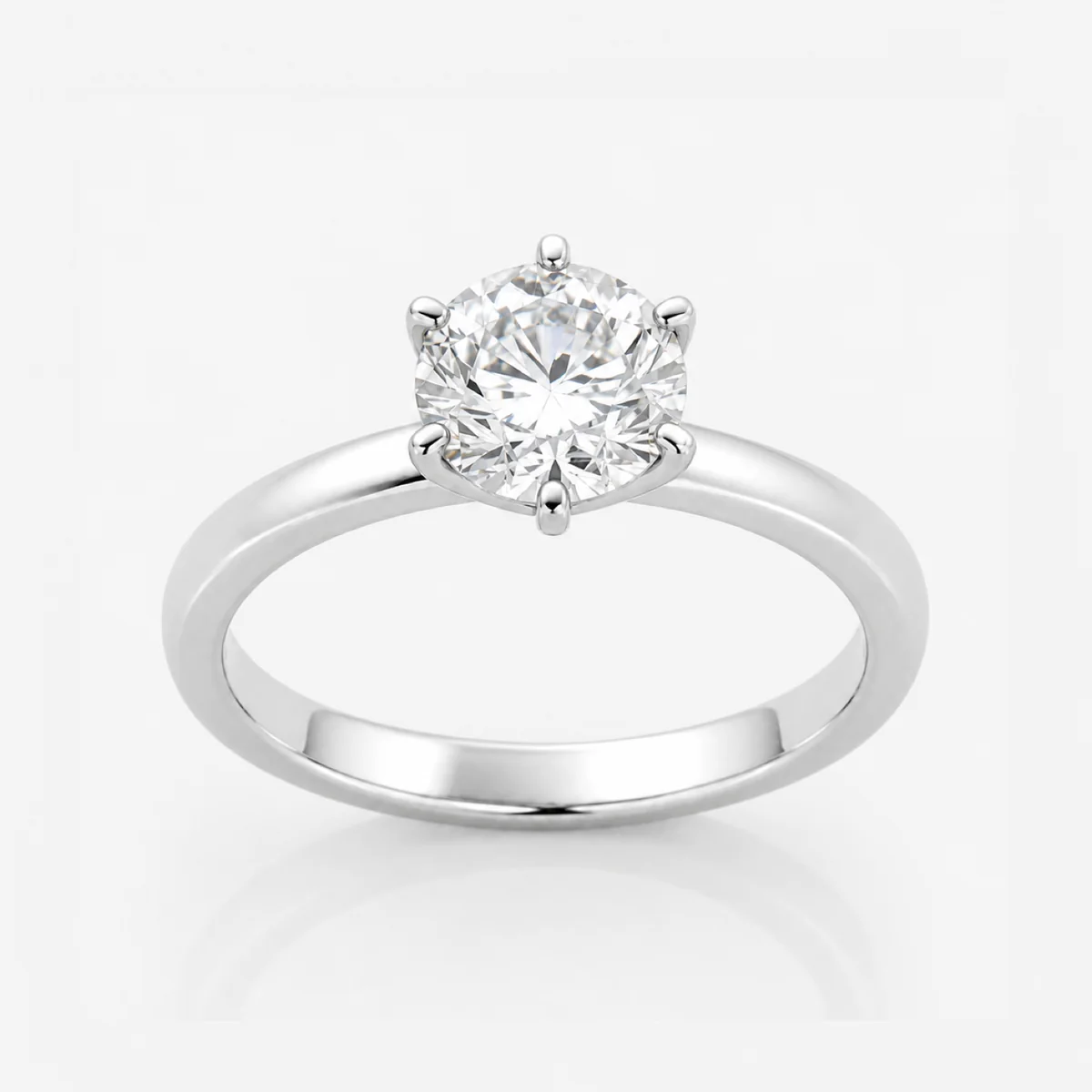
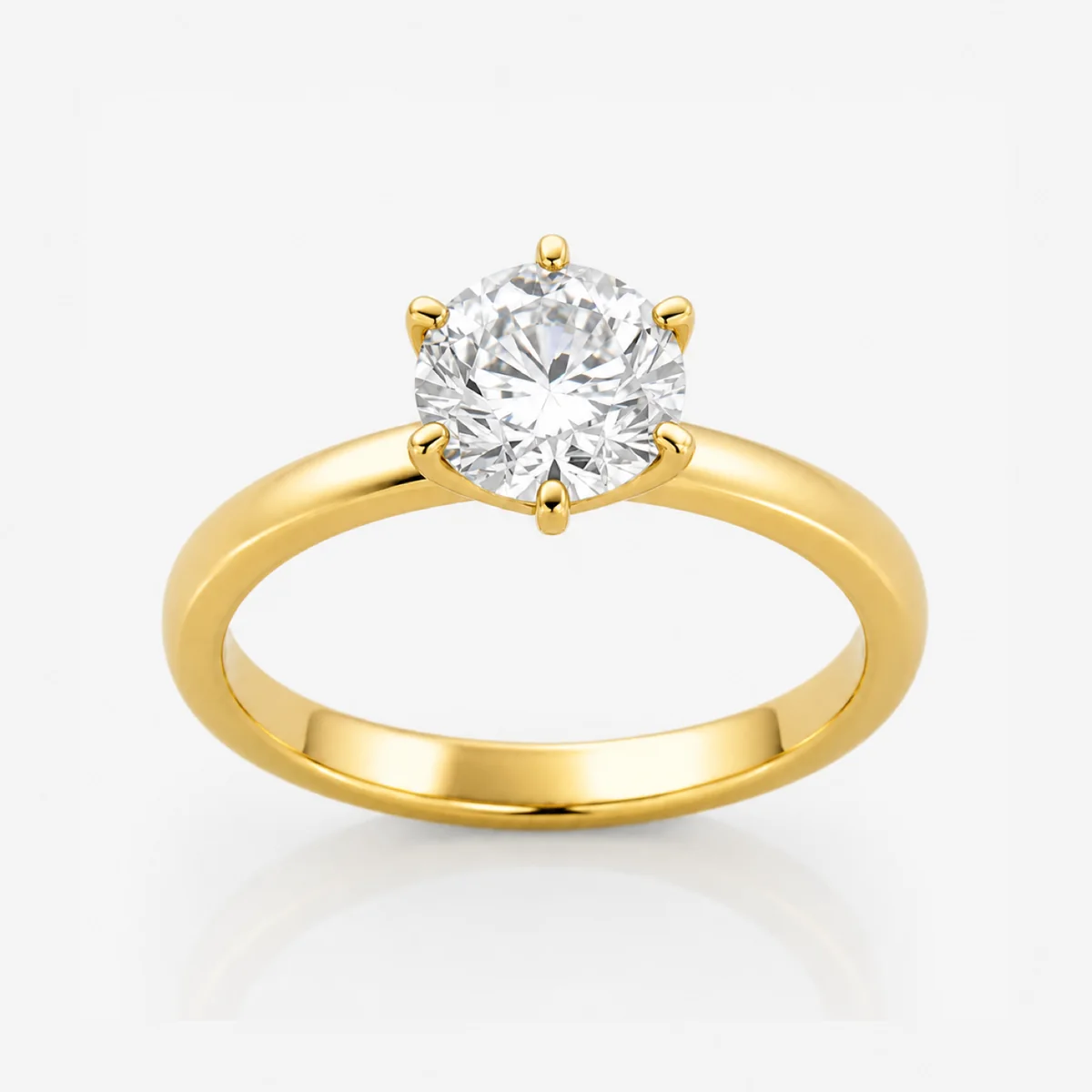
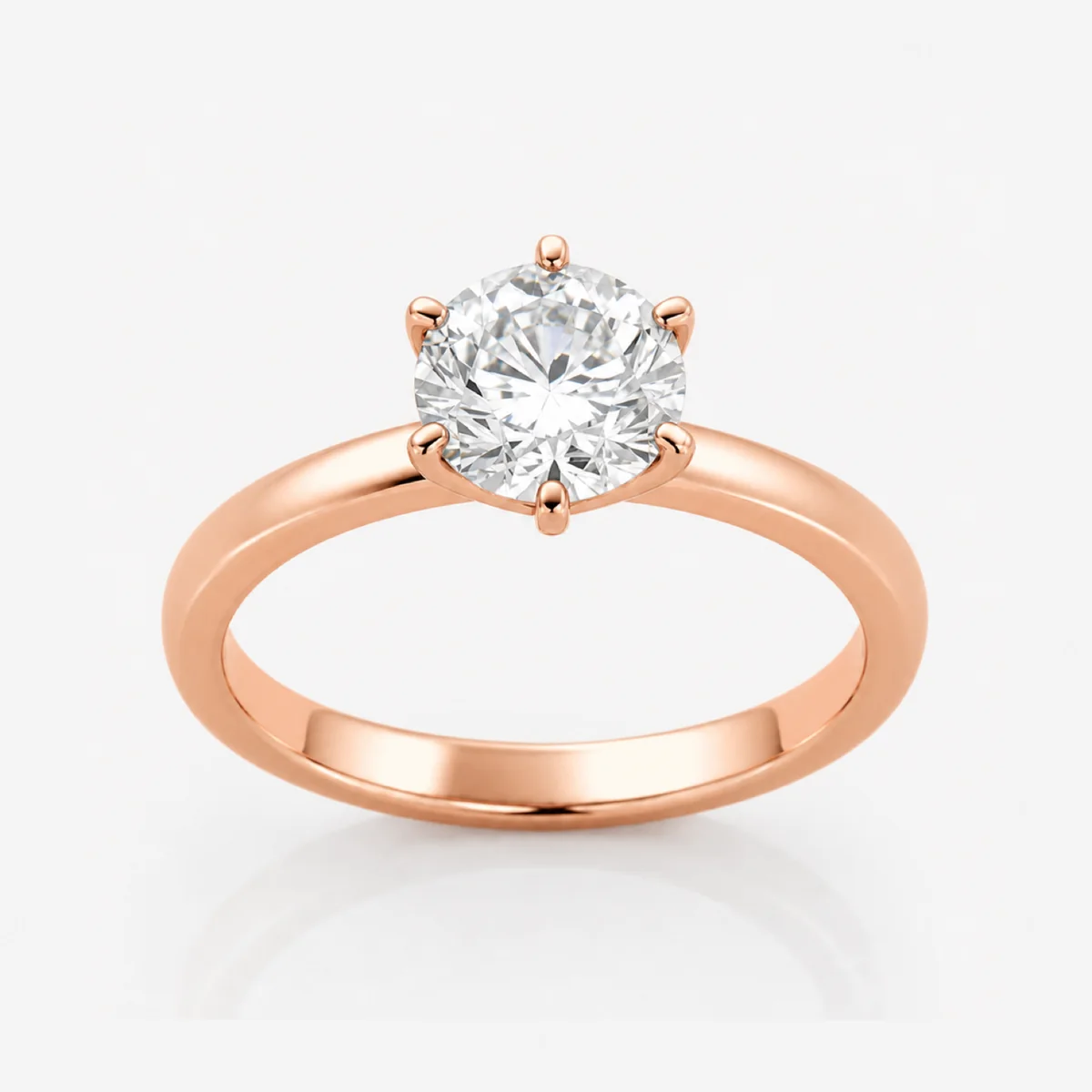 Six-claw solitaireThe classic. Nothing between you and the stone.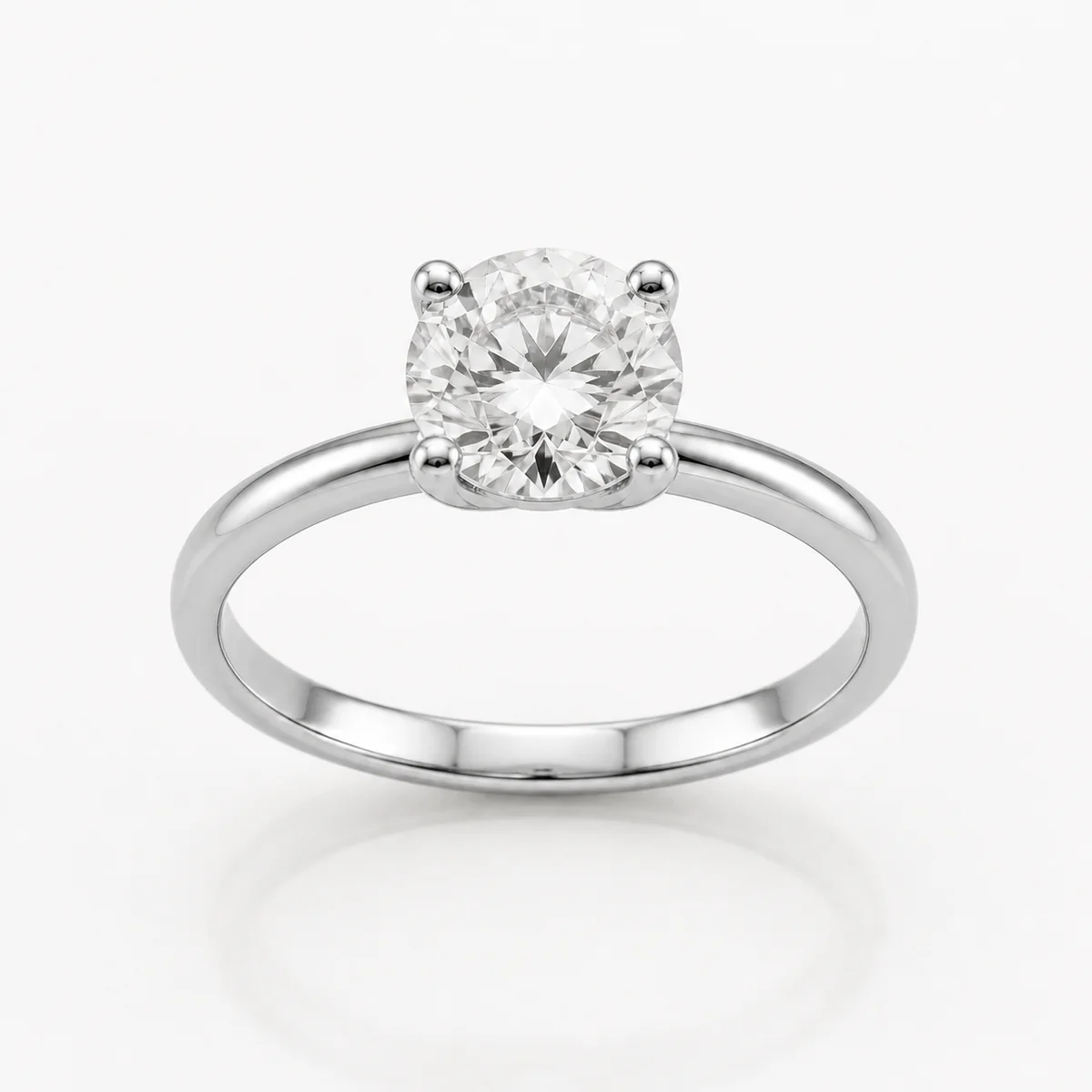
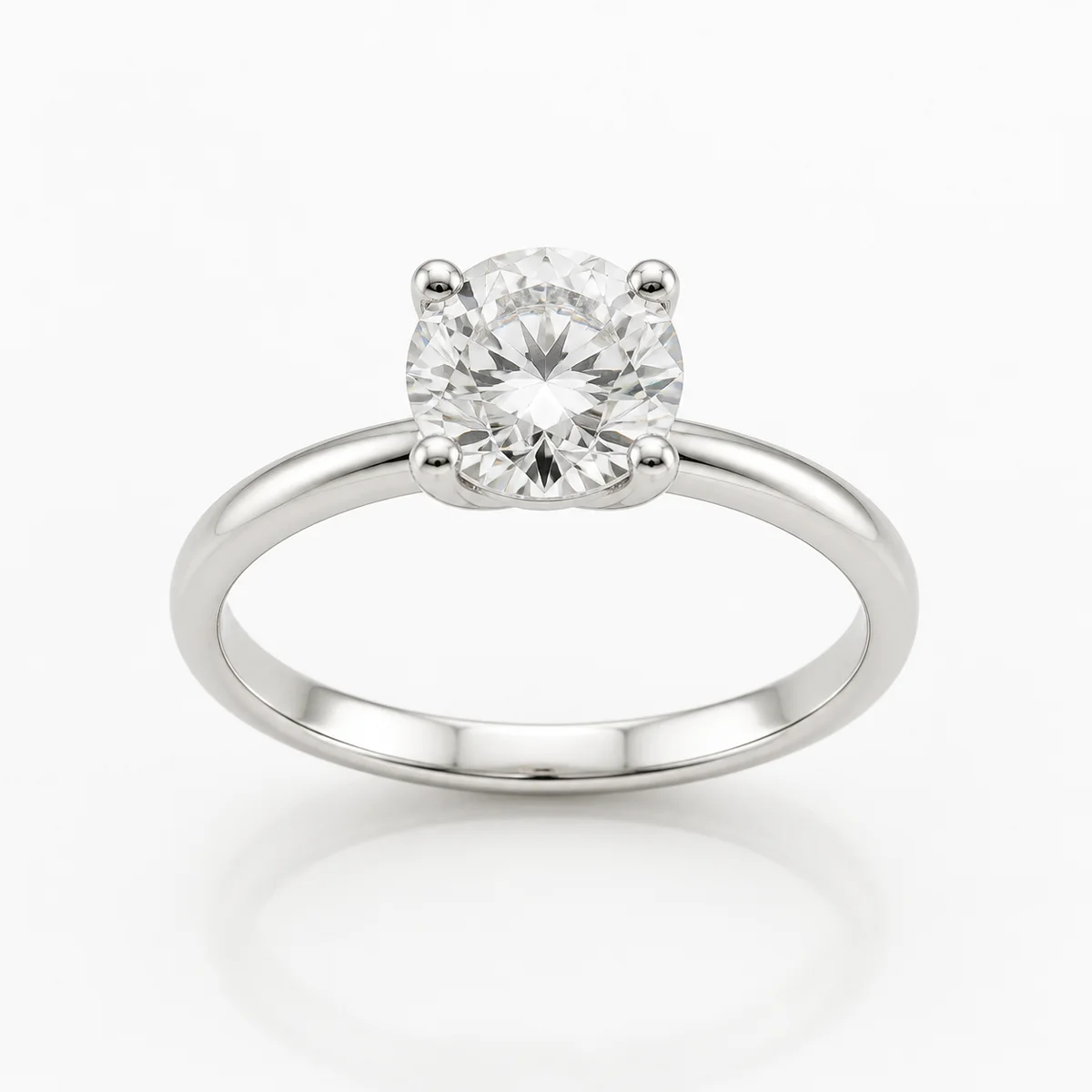
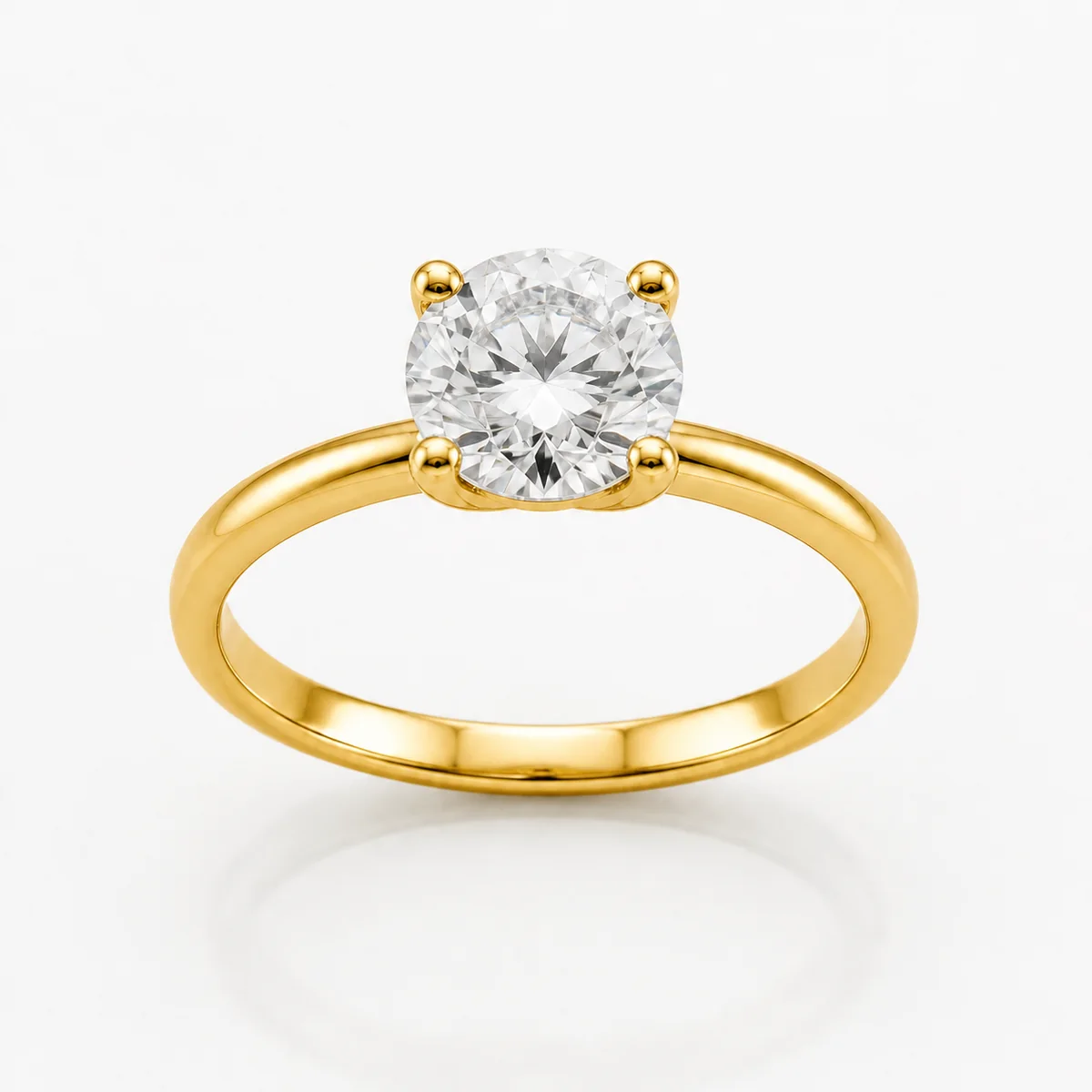
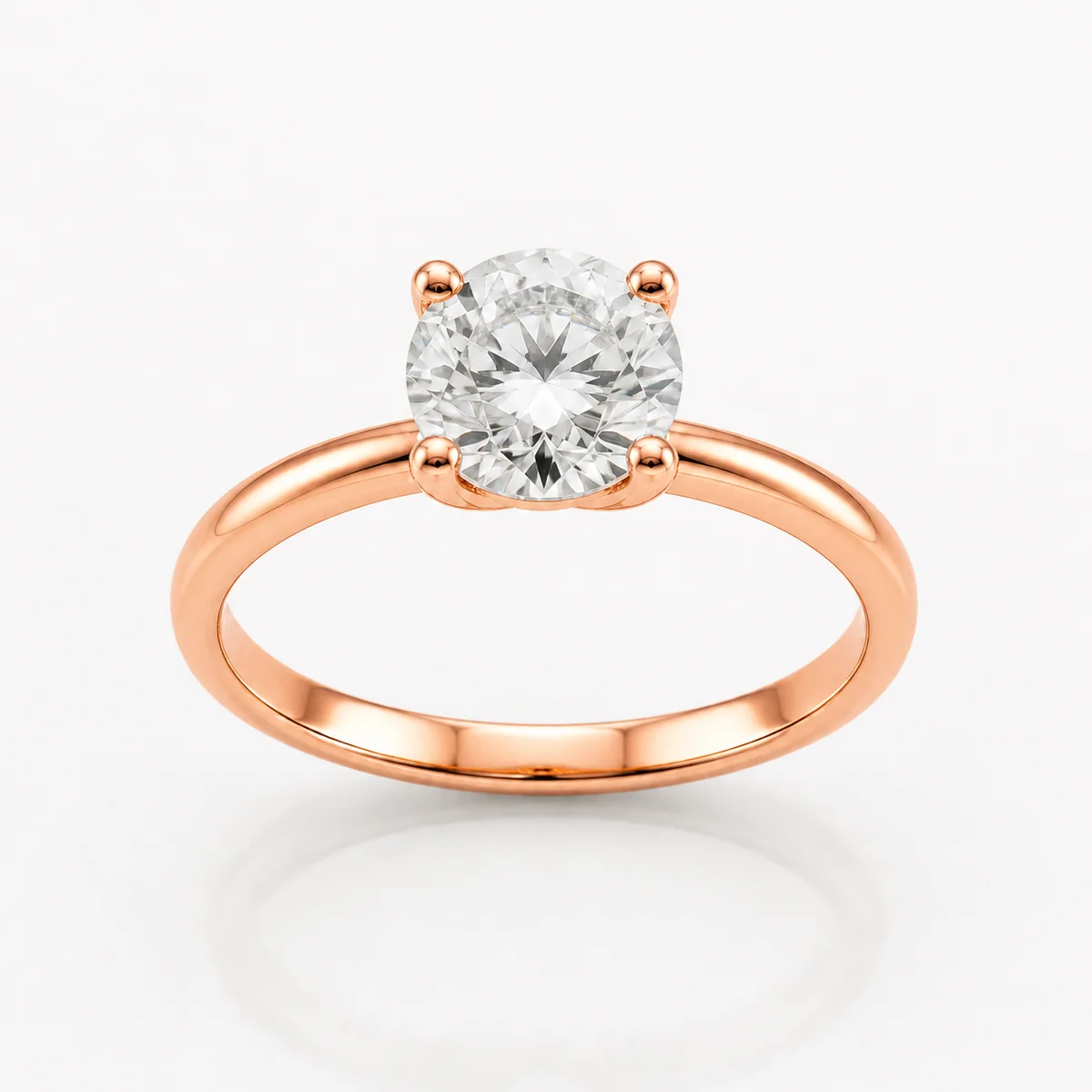 Four-claw solitaireLighter claws, more diamond on show.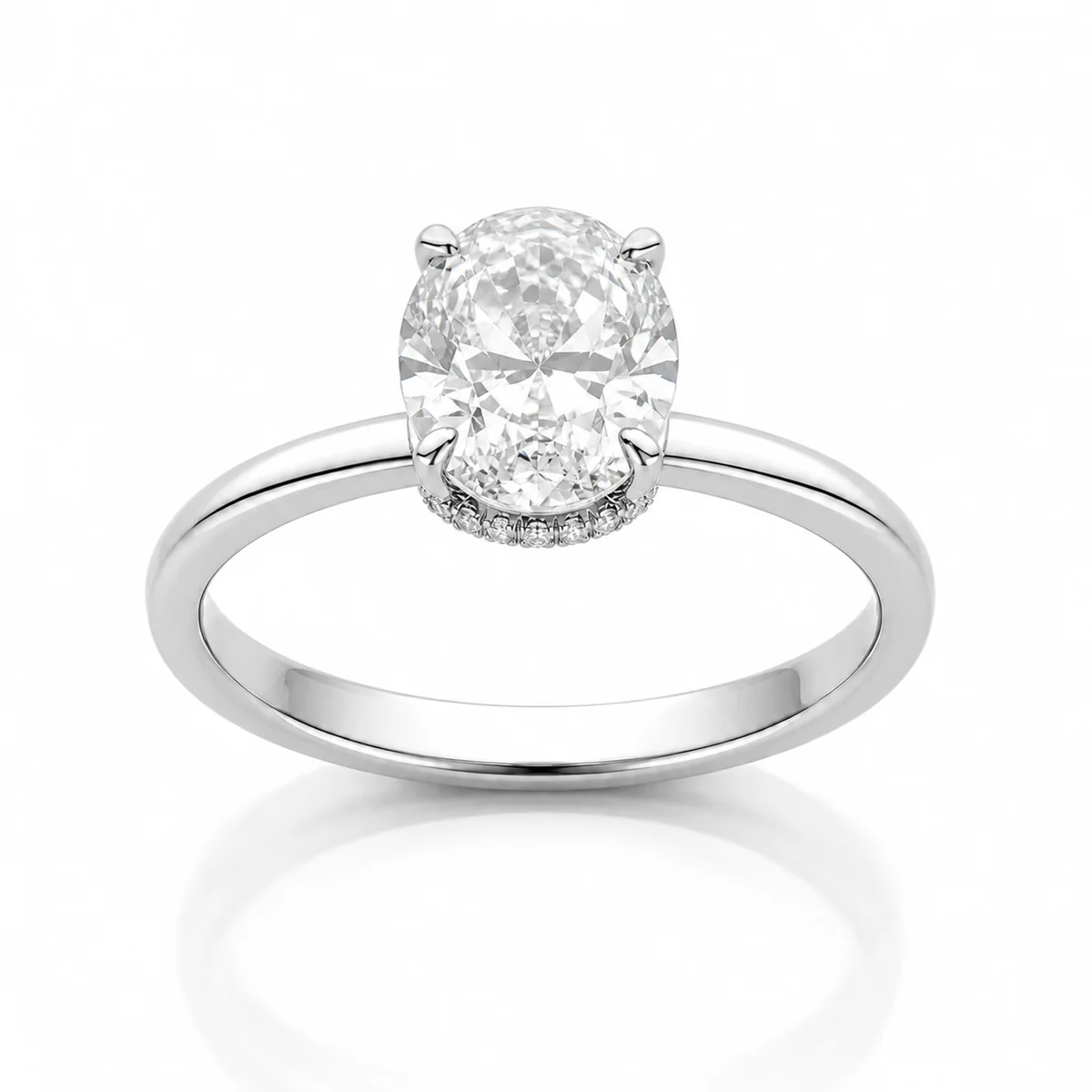
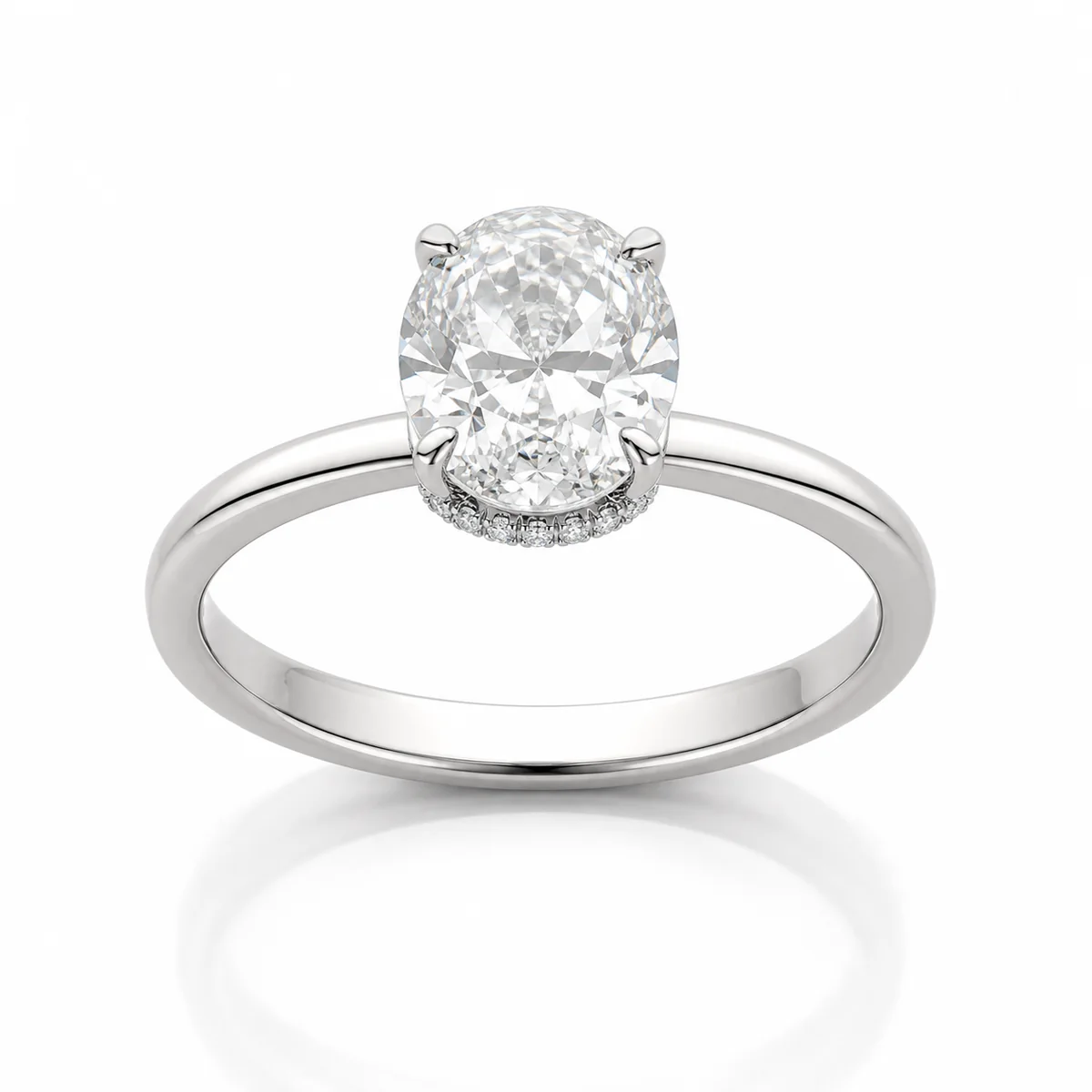
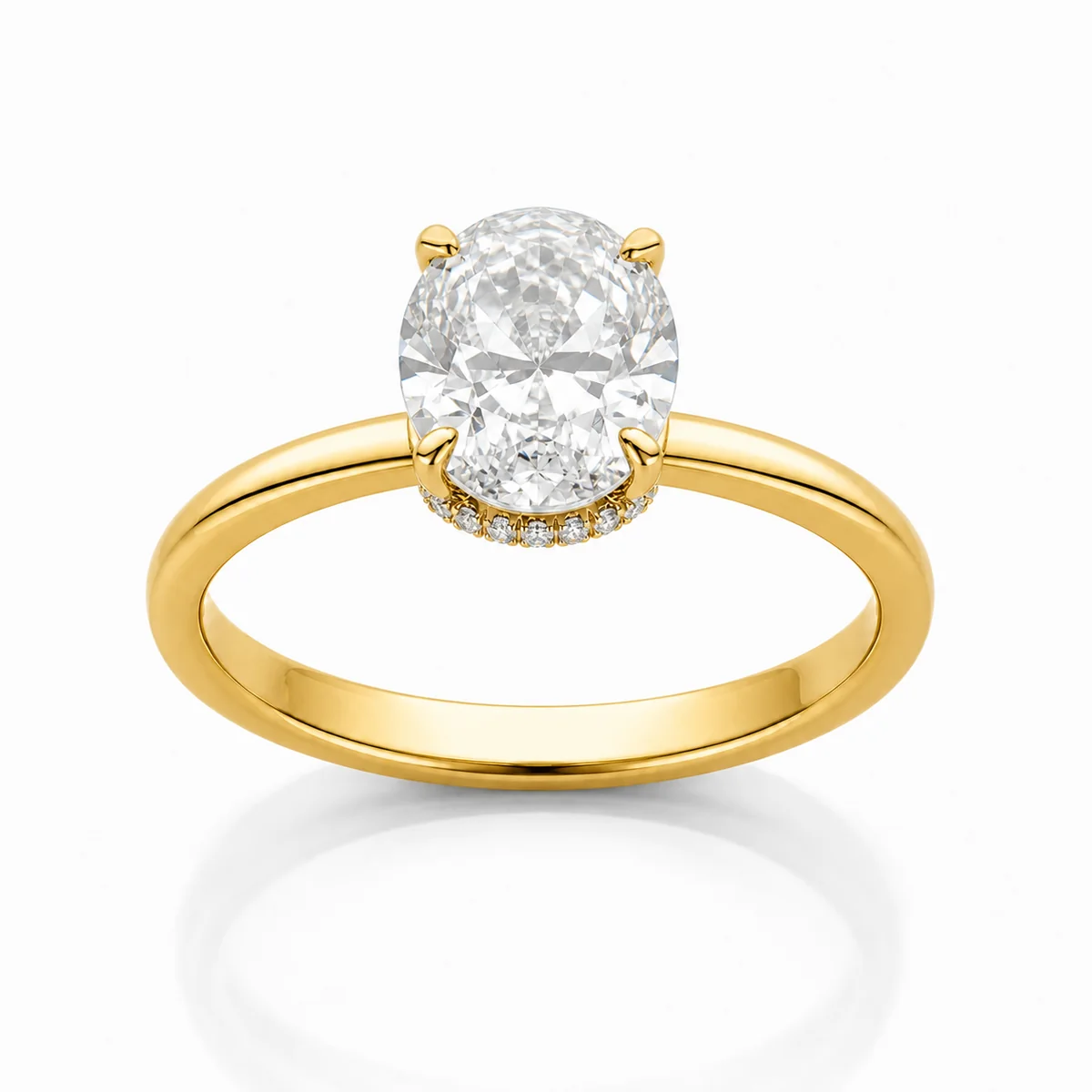
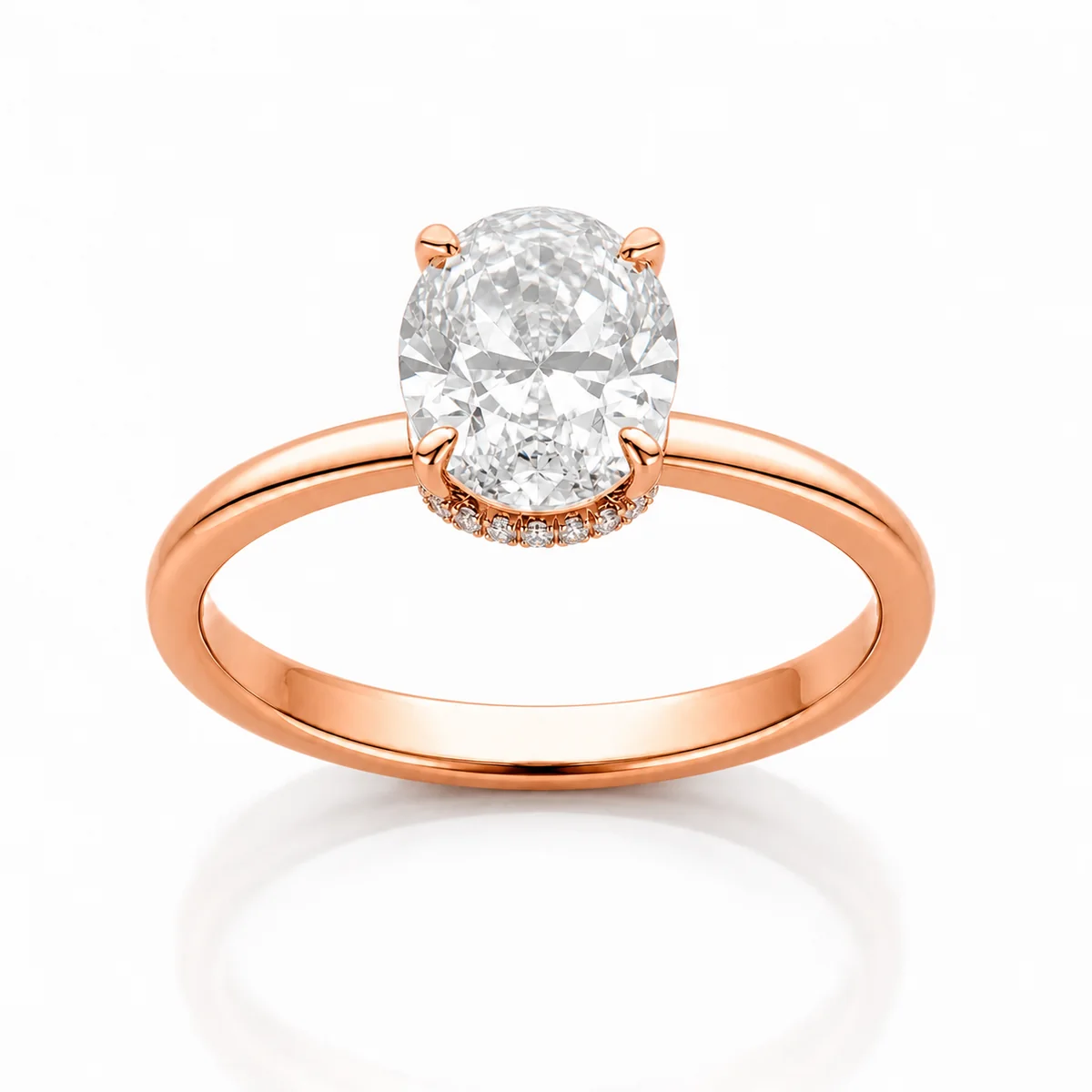 Oval, hidden haloA ring of tiny diamonds tucked under the stone.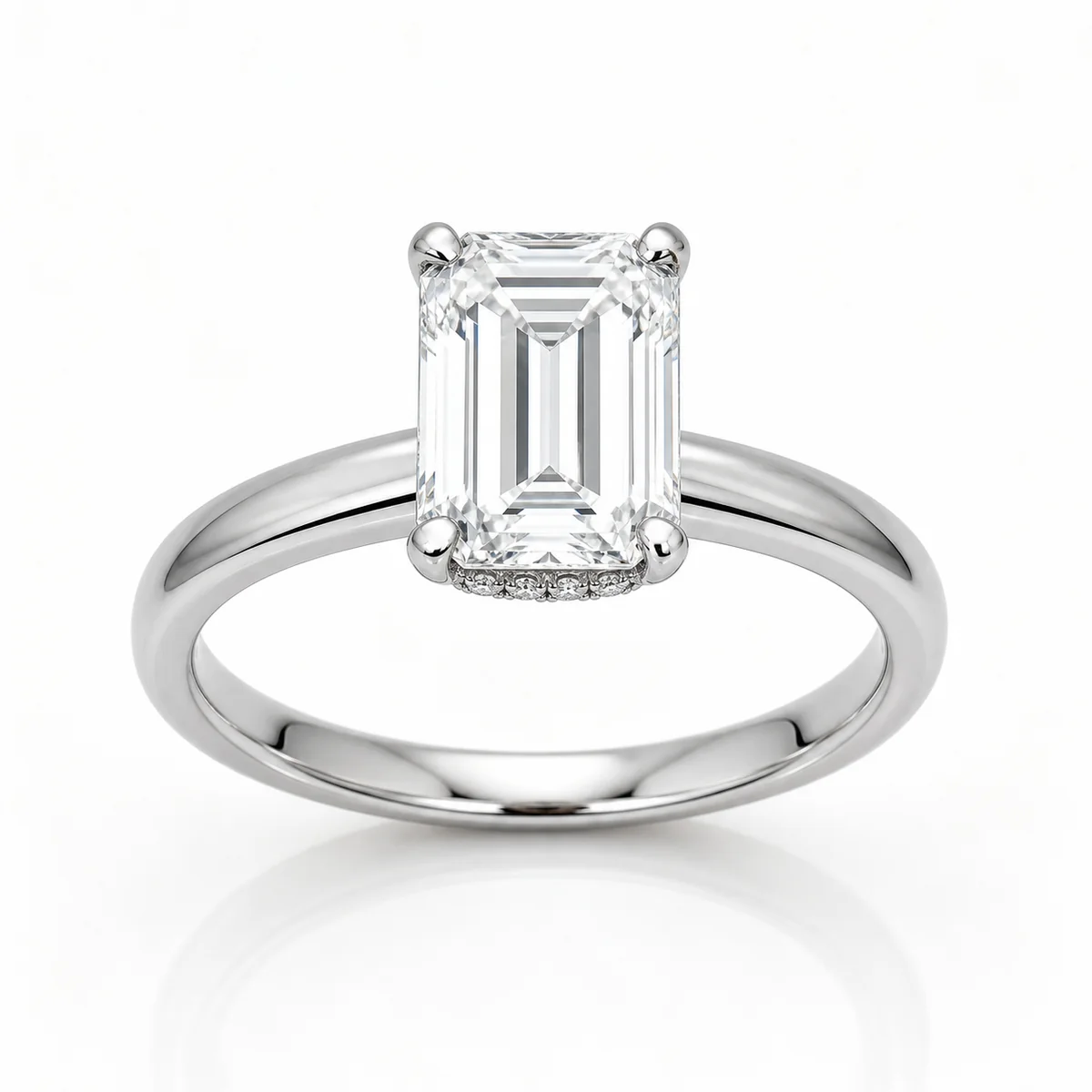
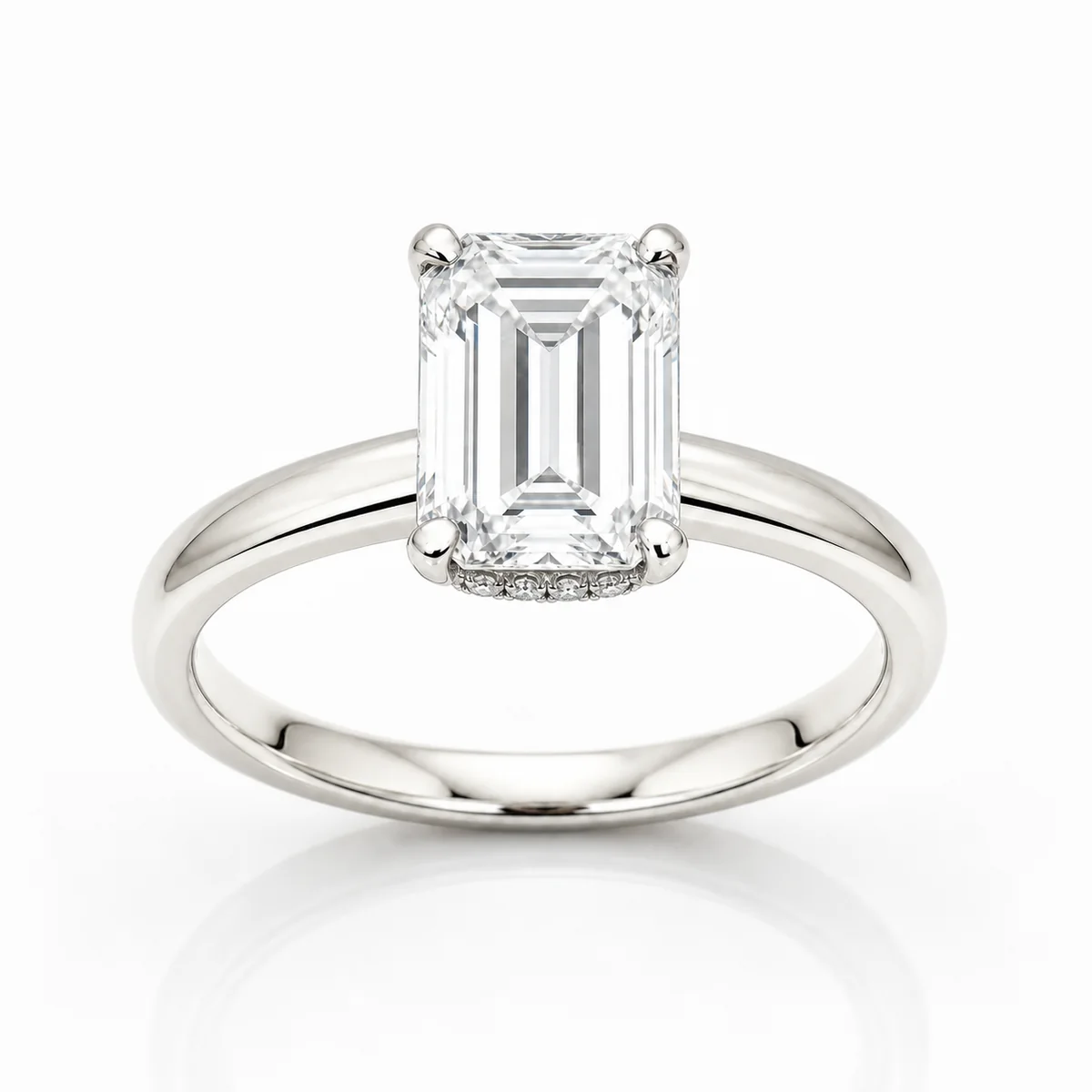
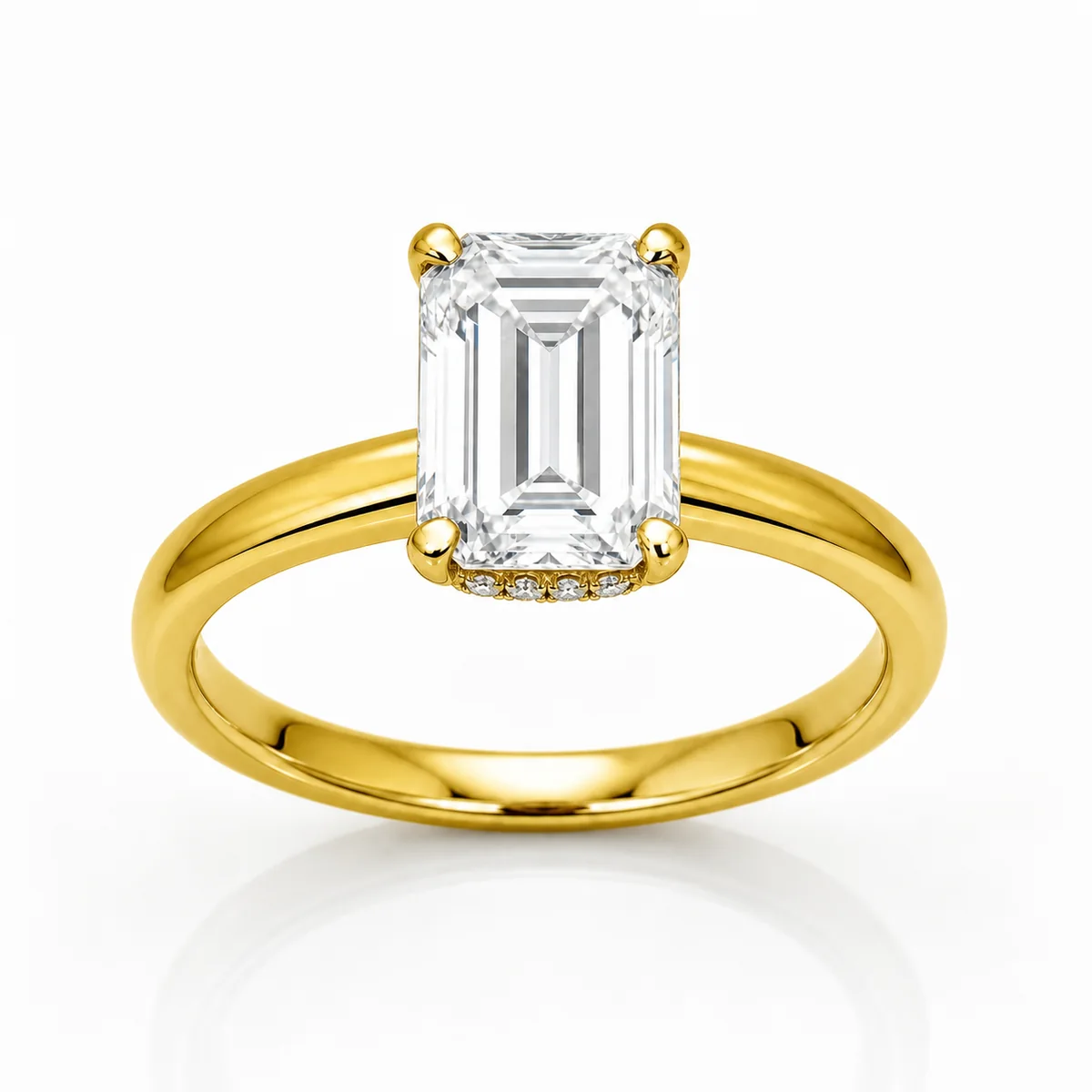
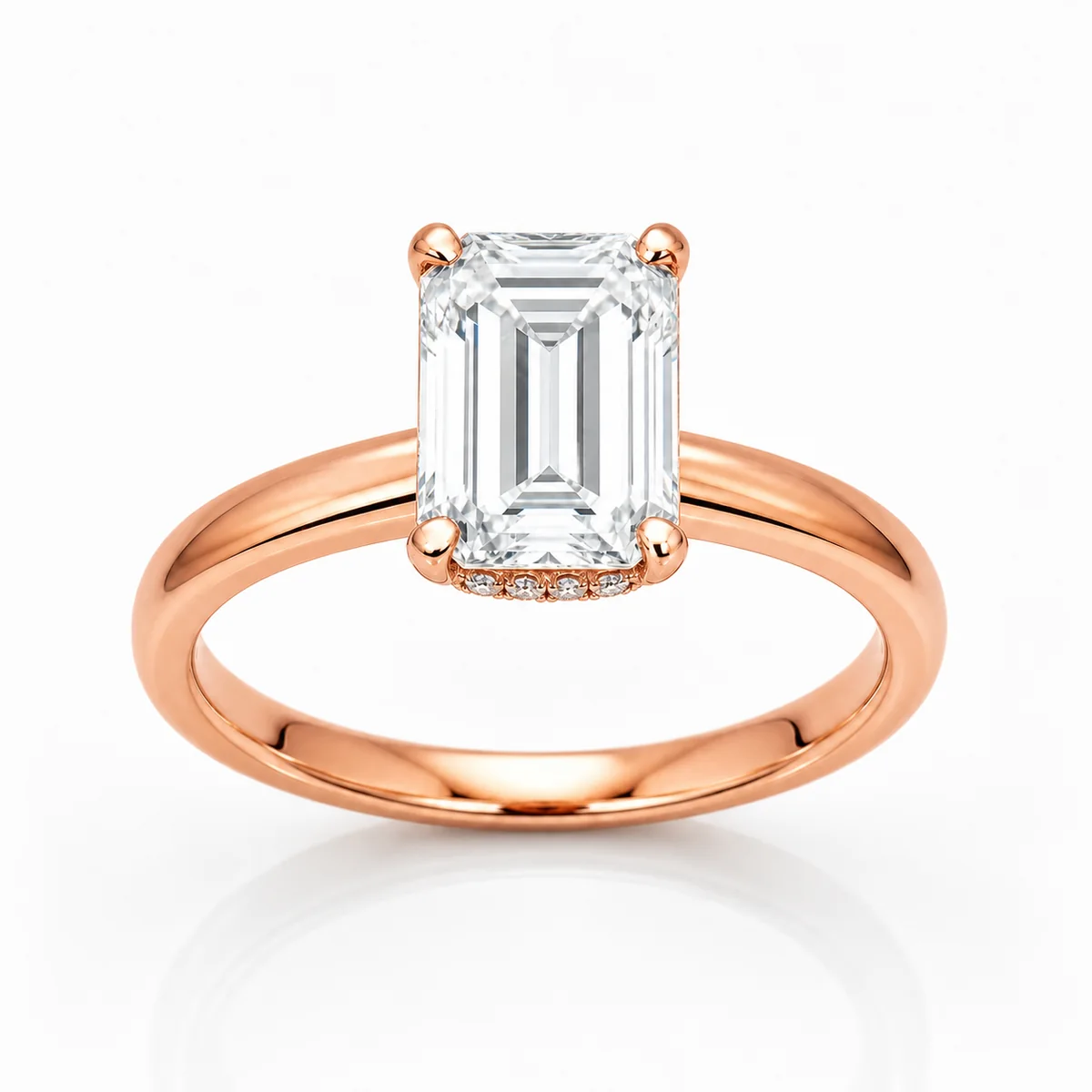 Emerald cut, hidden haloLong clean facets, quiet sparkle beneath.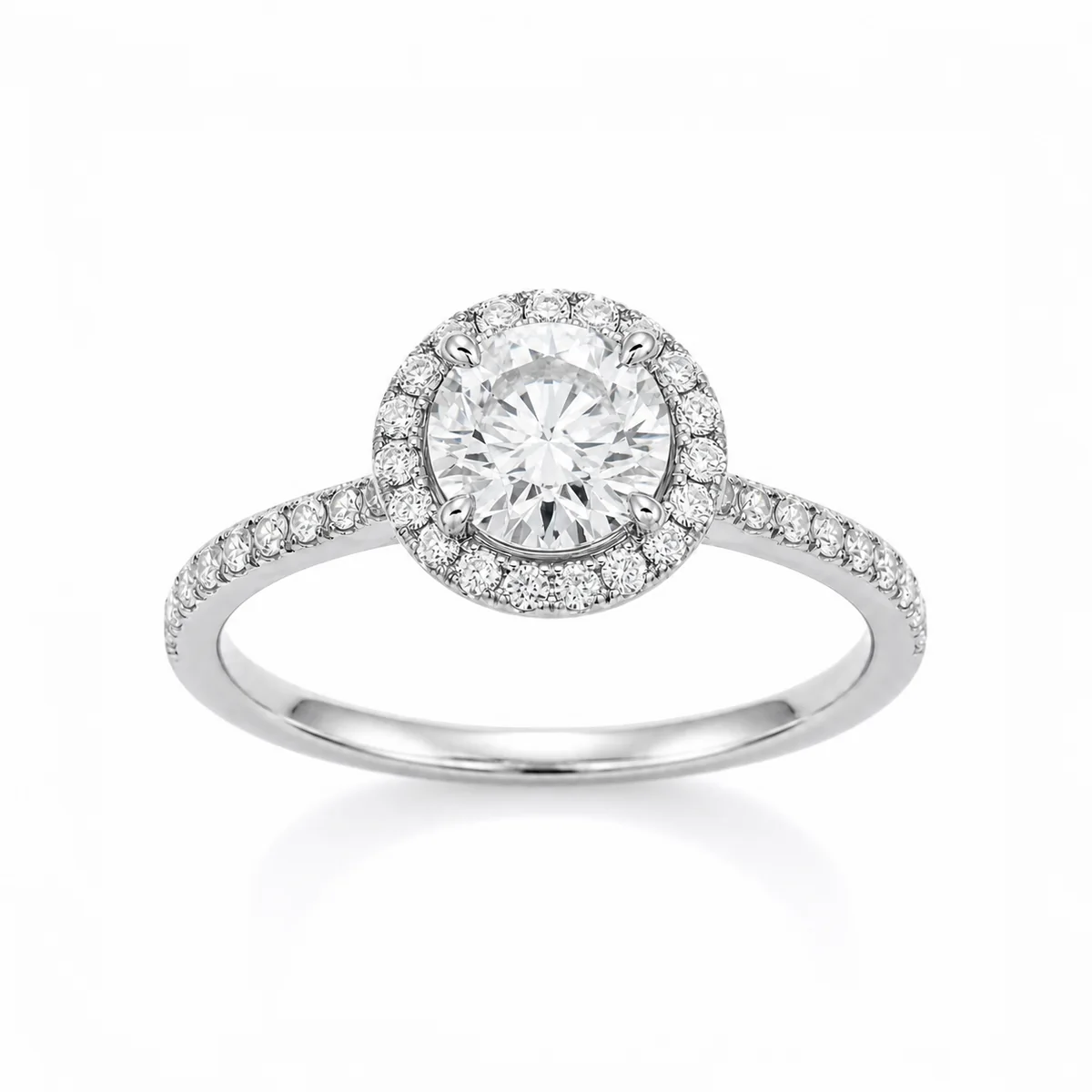
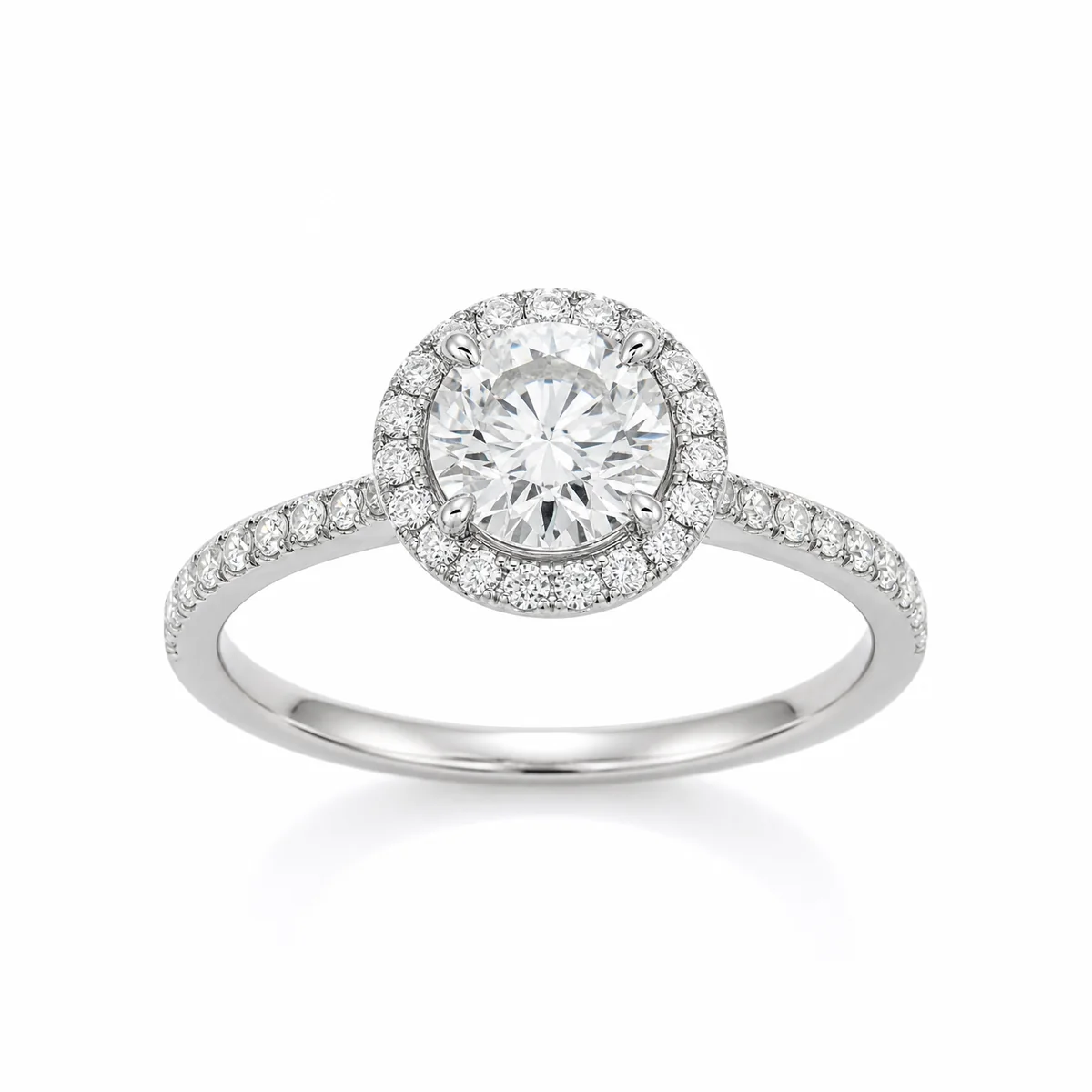
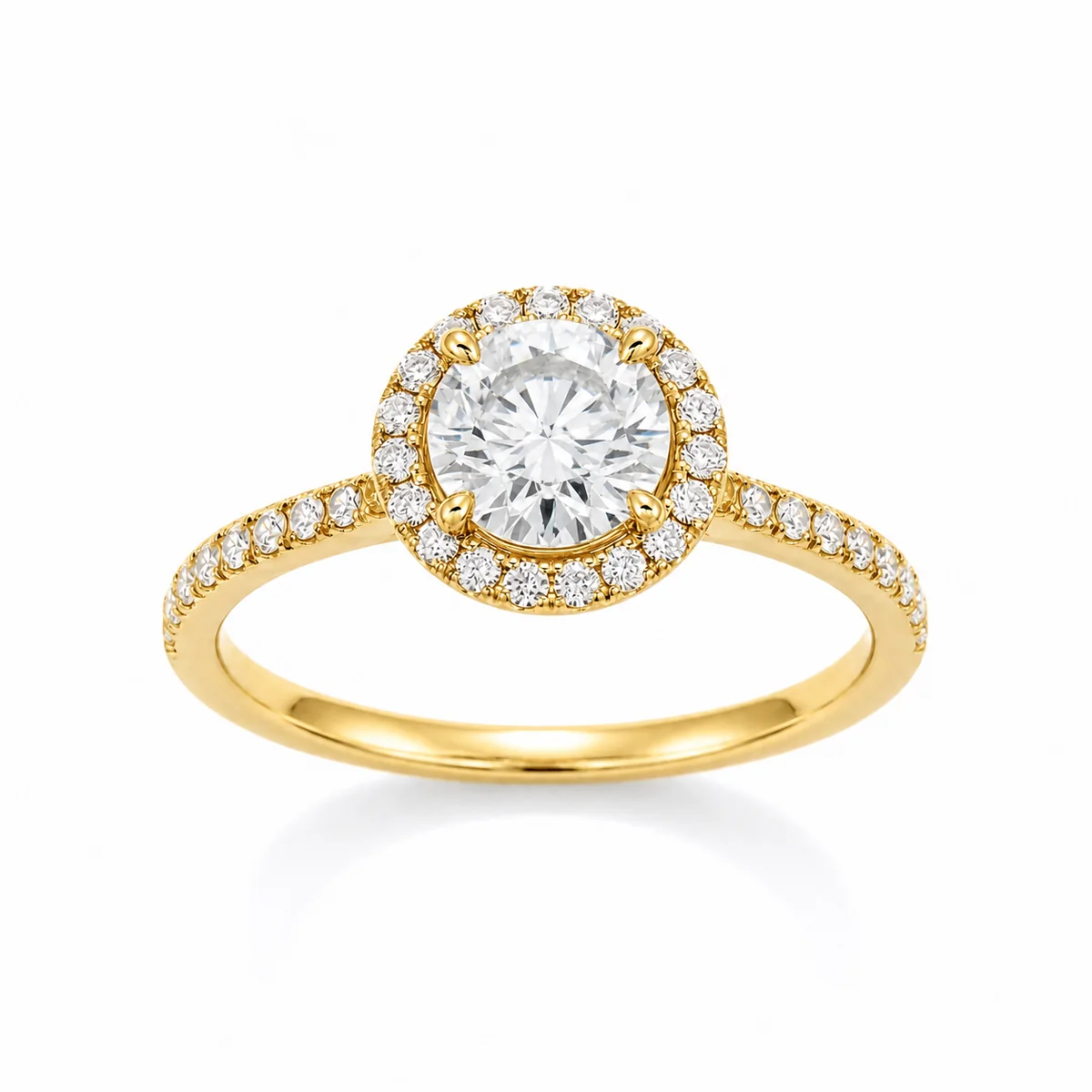
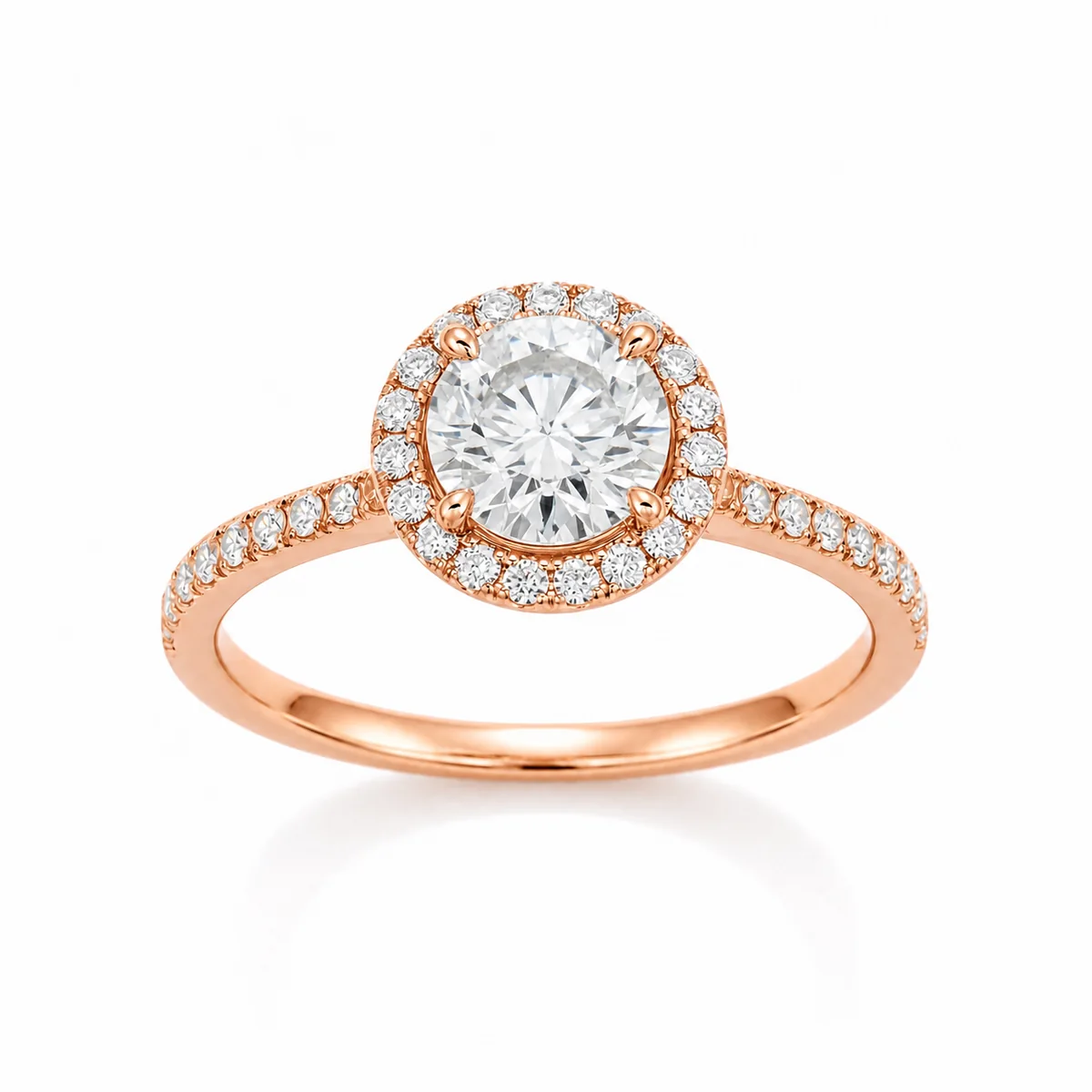 Halo with pavé bandReads a size larger than the centre stone alone.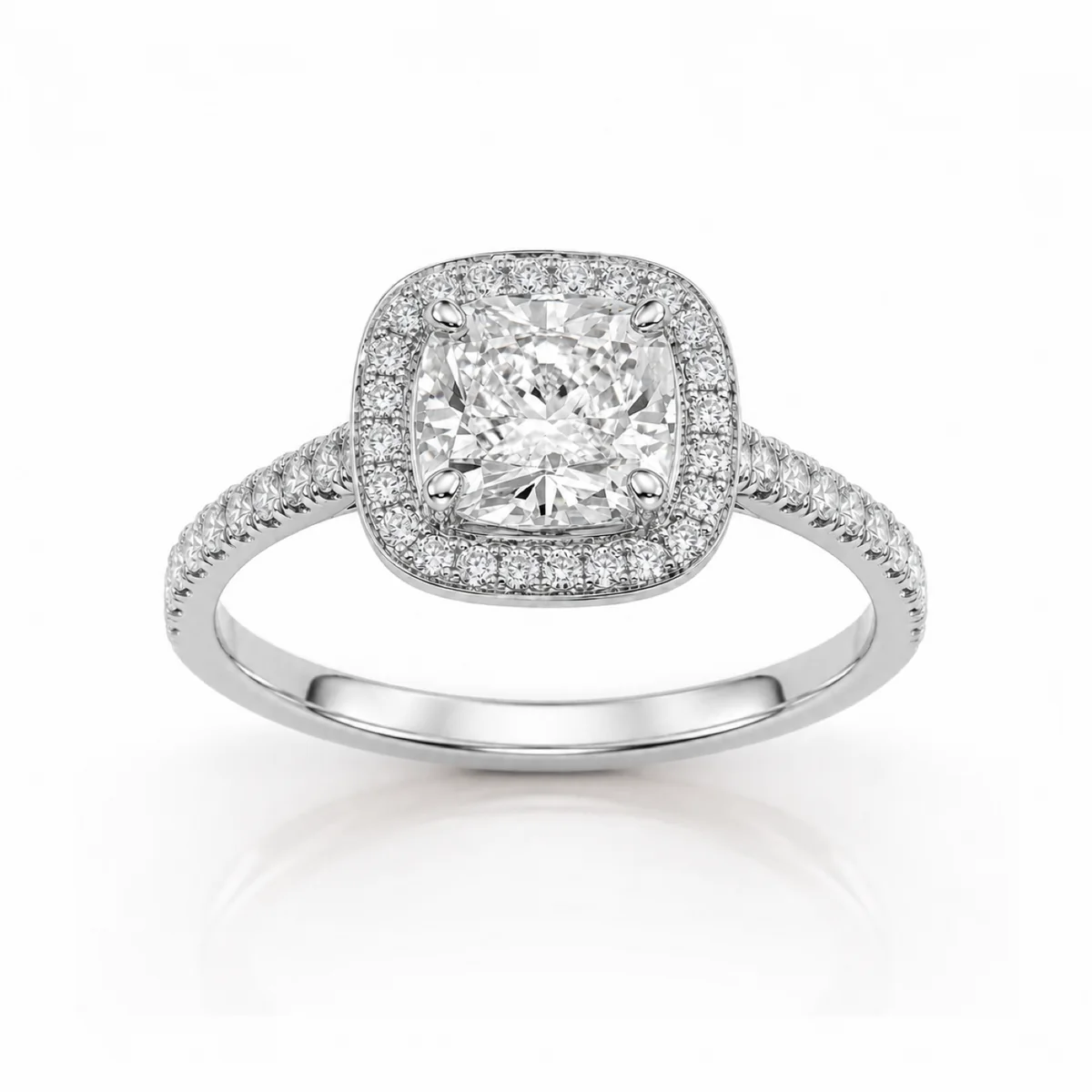
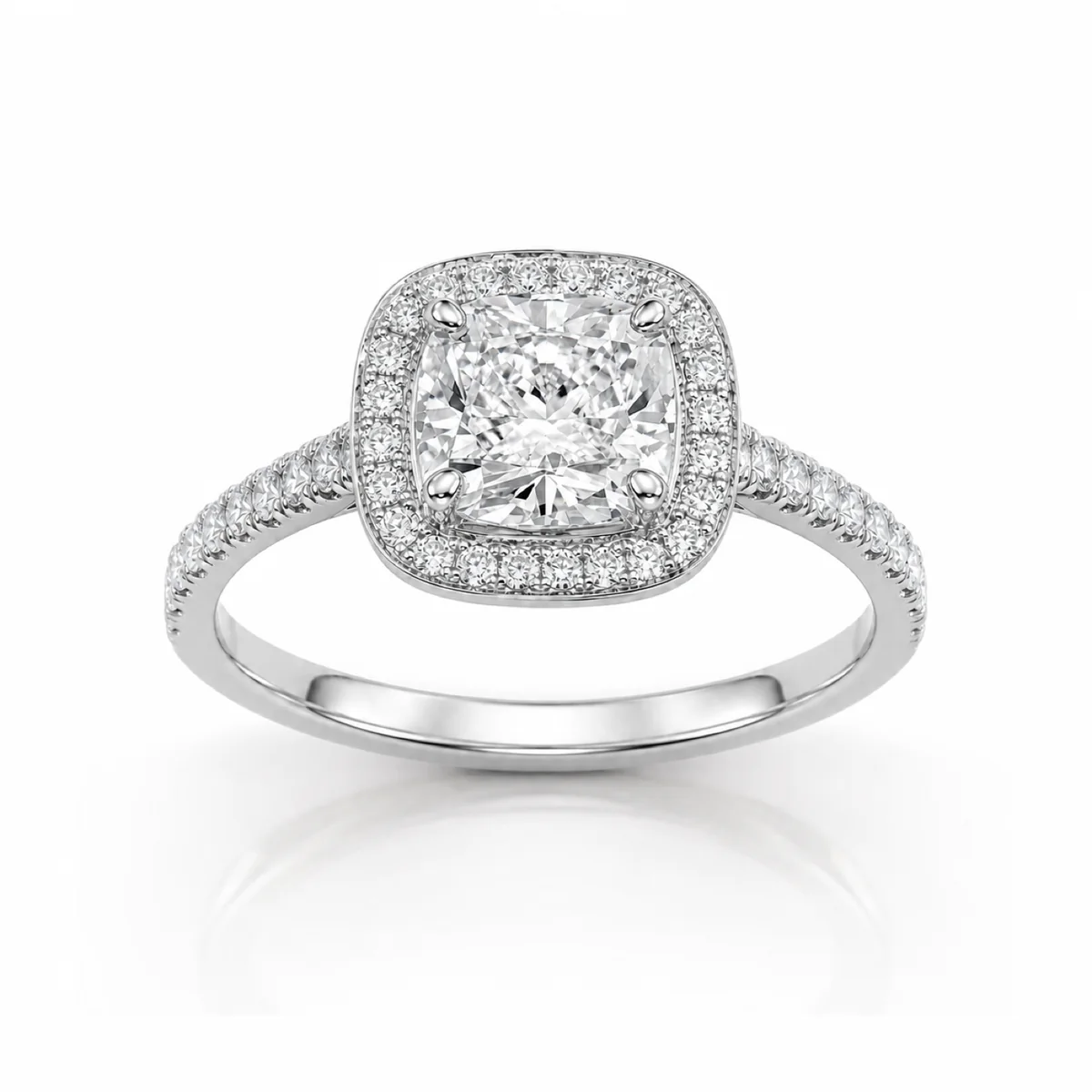
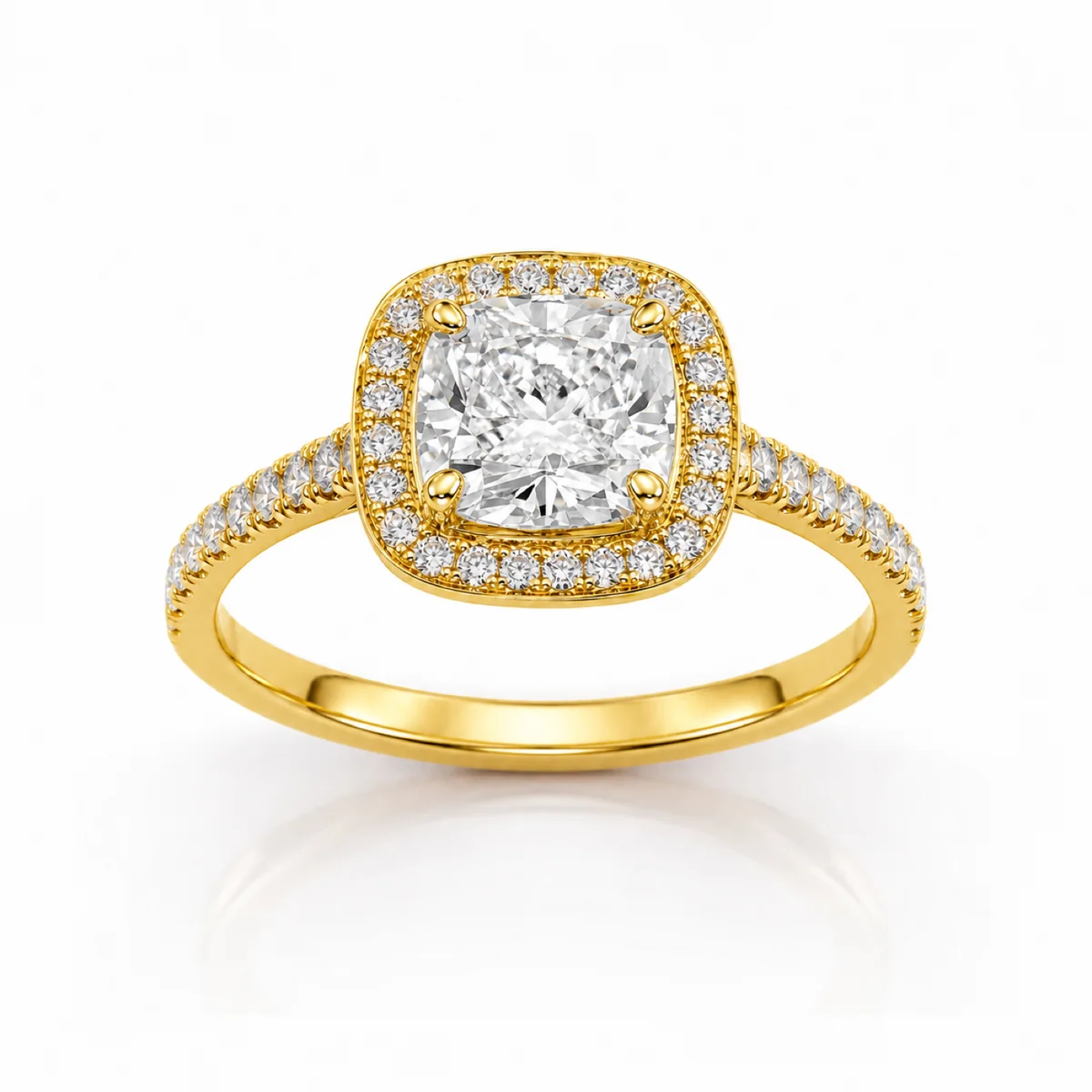
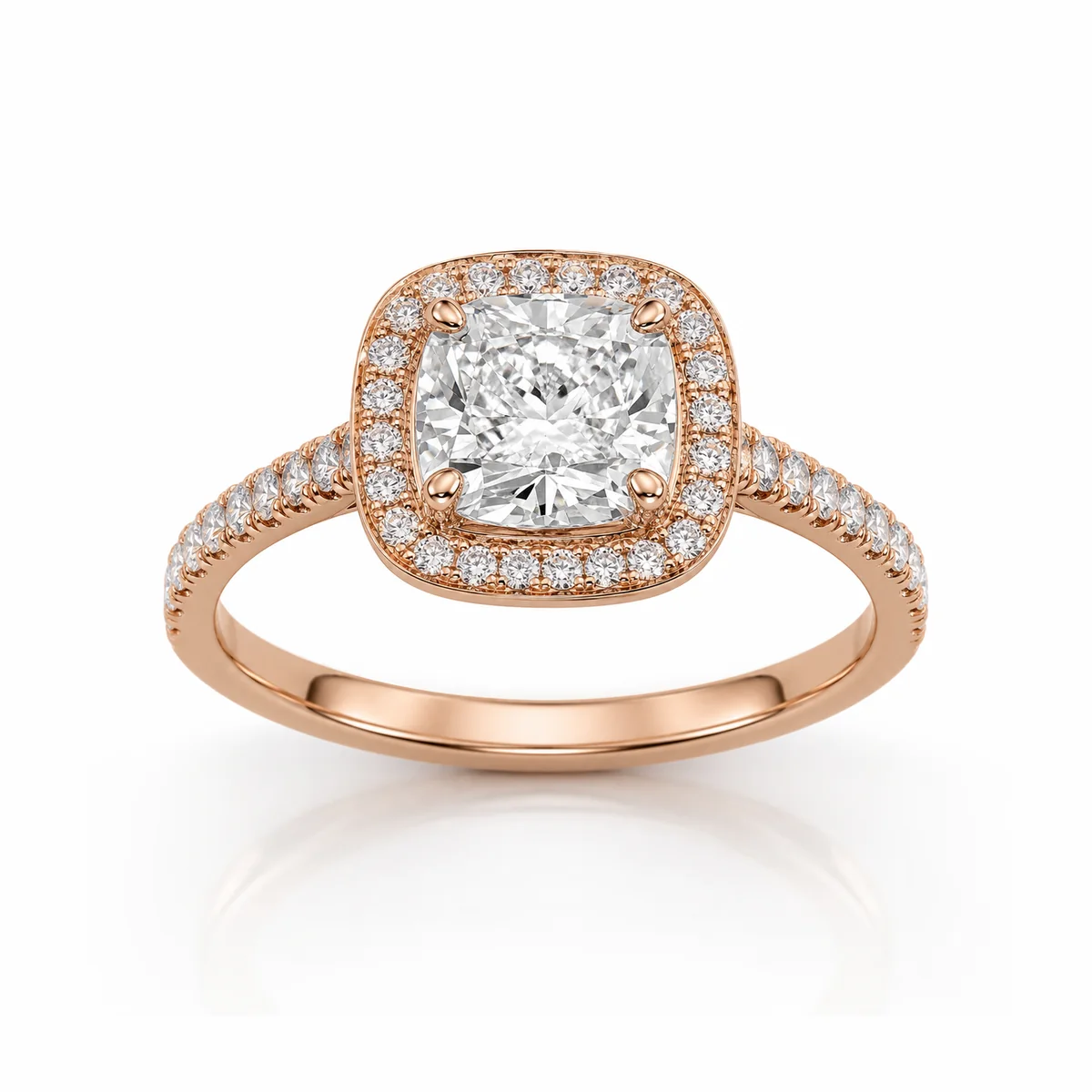 Cushion haloSoft corners, warm metal.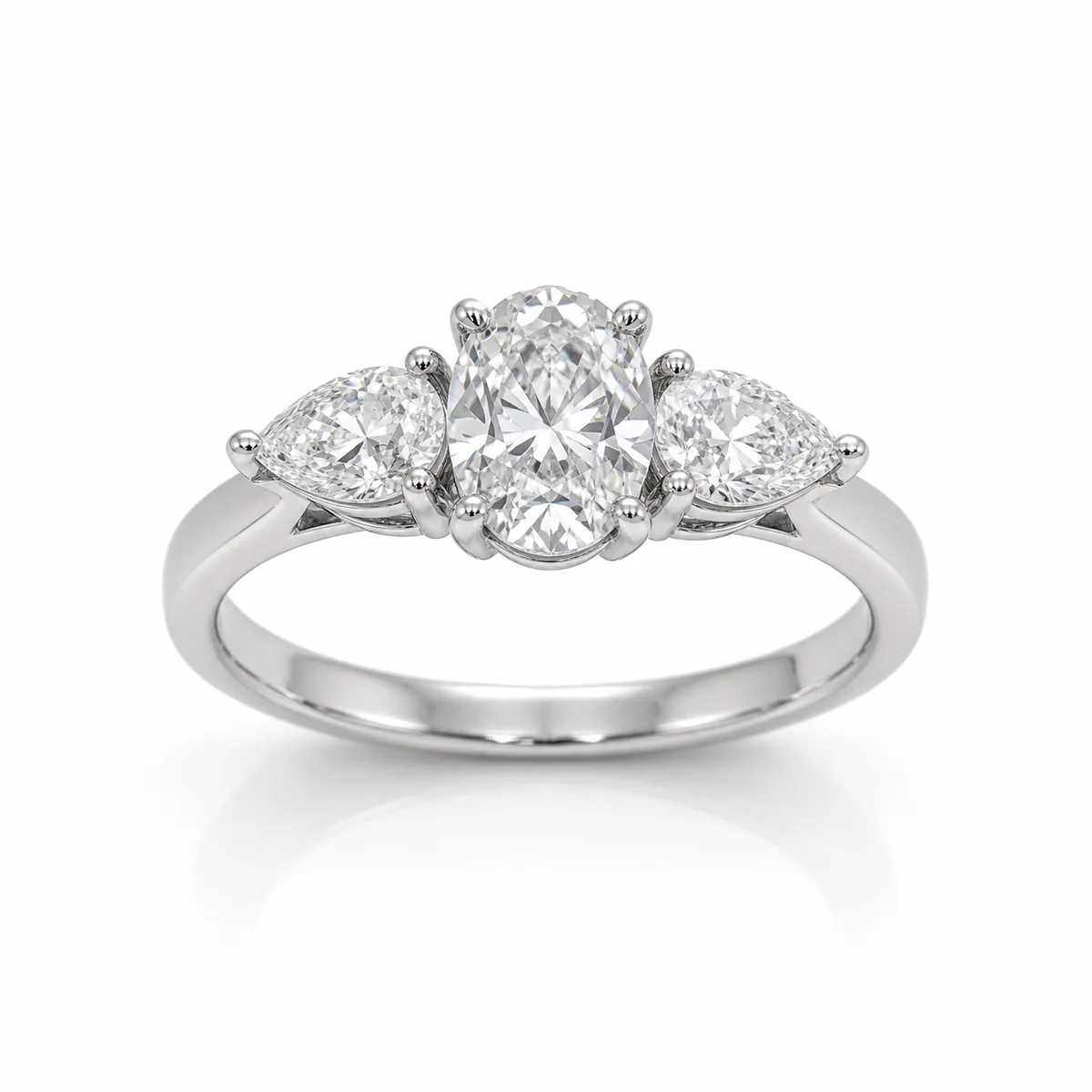
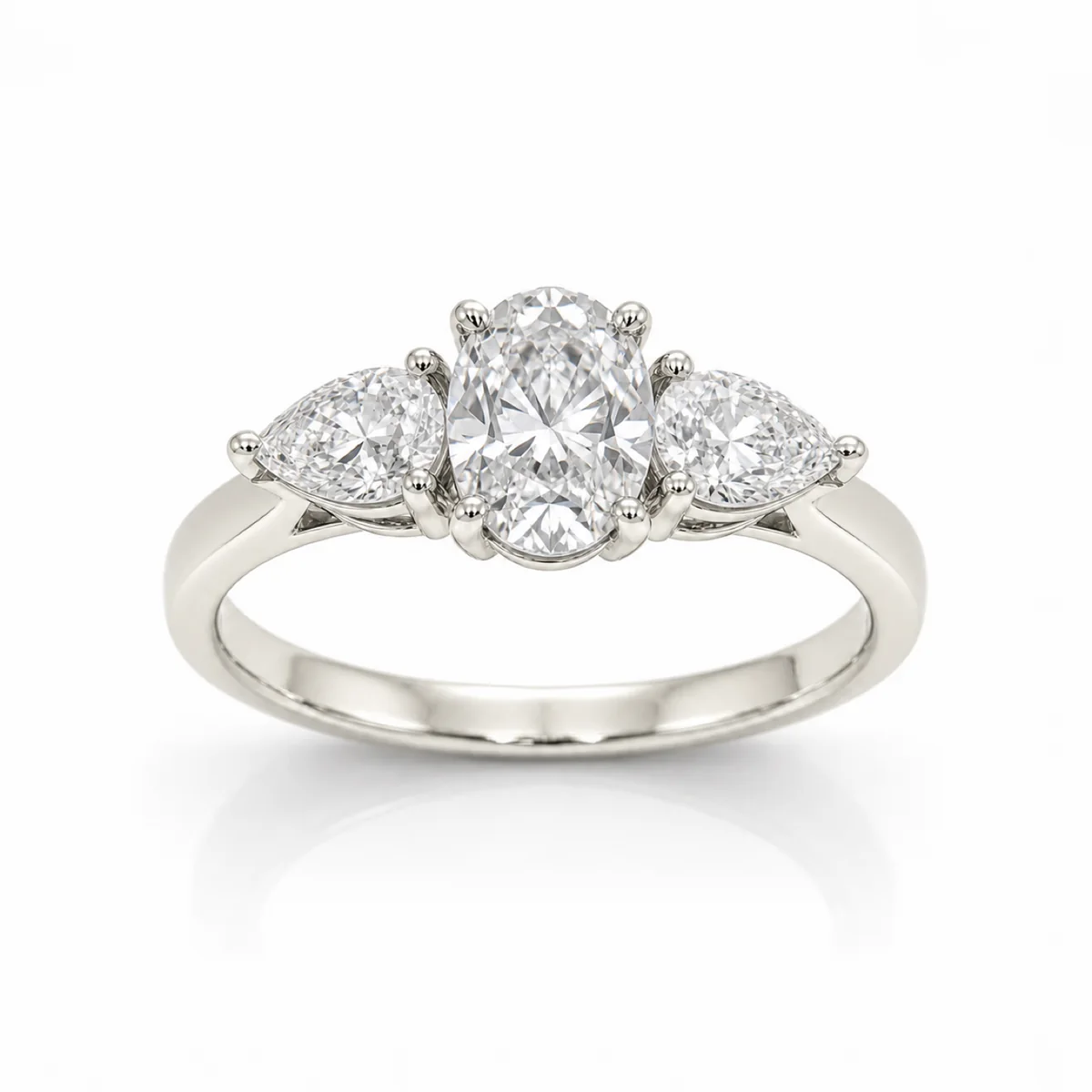
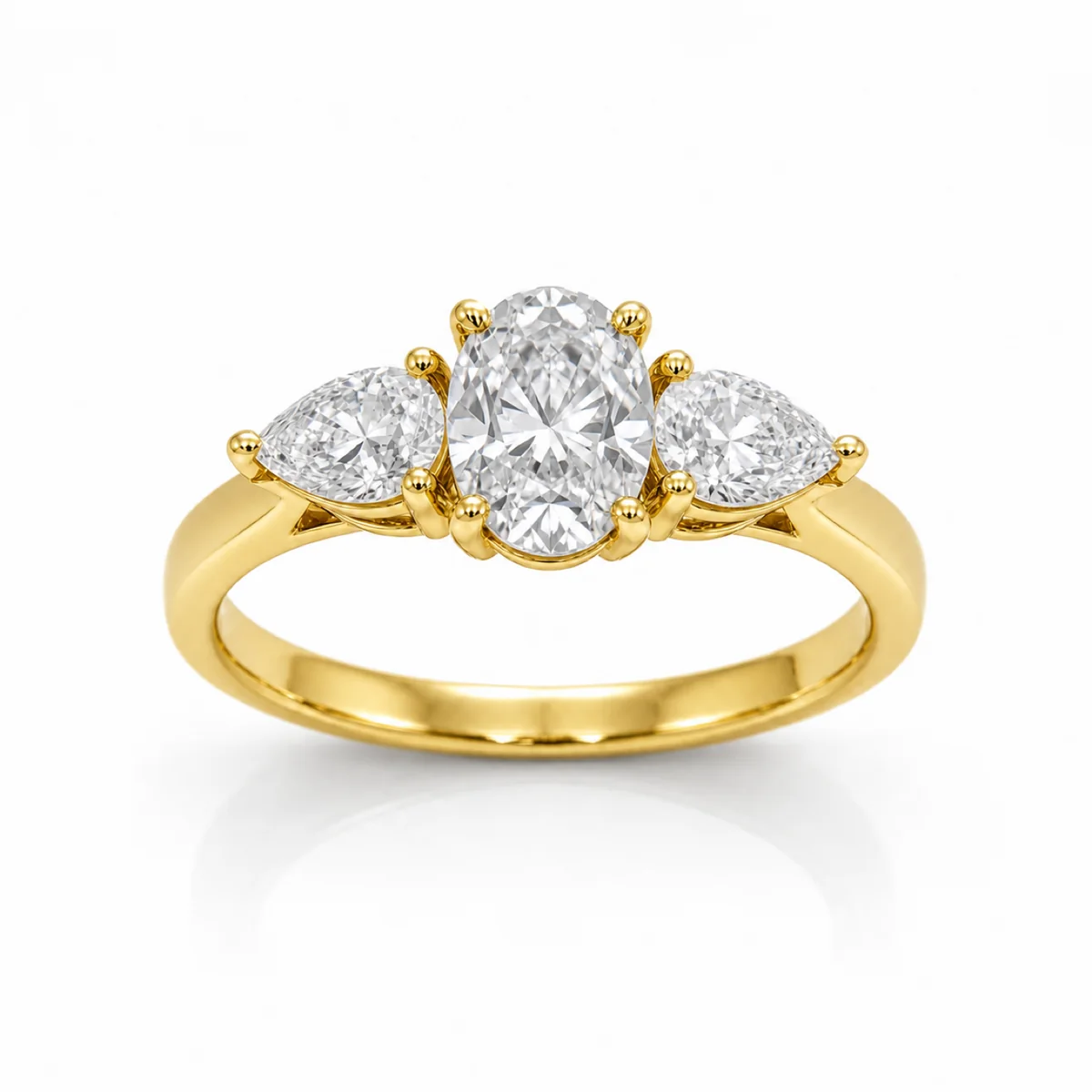
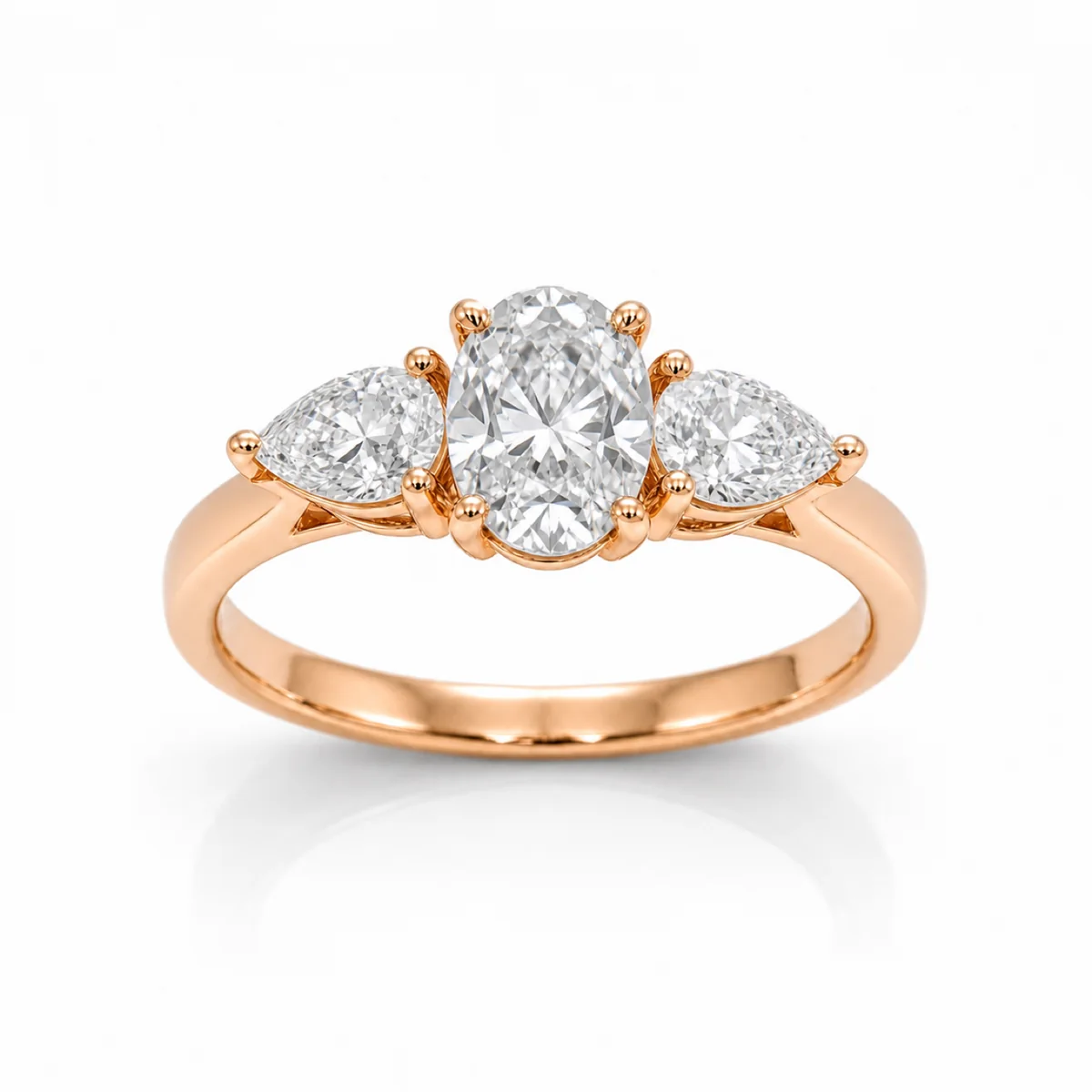 Three-stone, pear sidesPast, present, future. Oval centre, pear shoulders.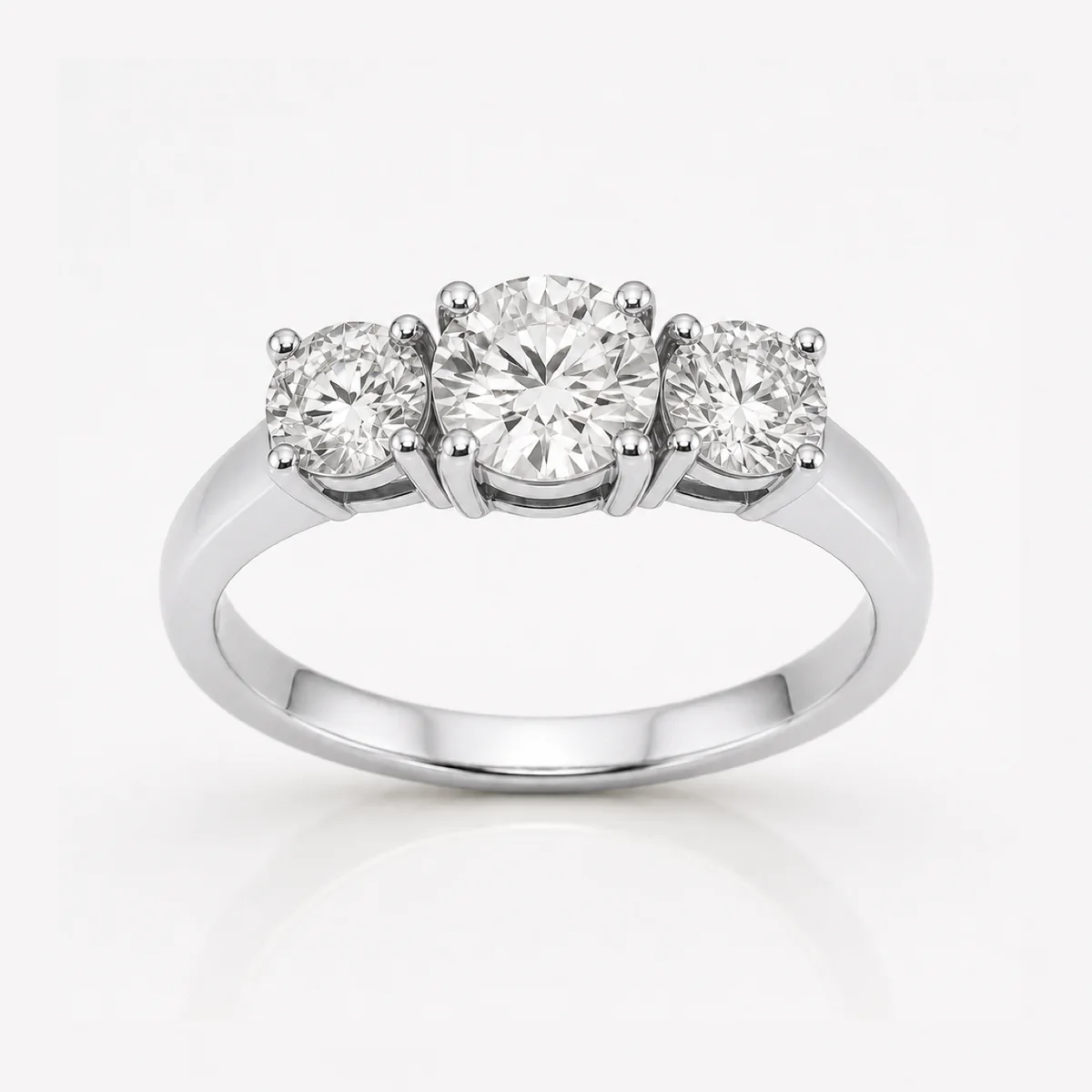
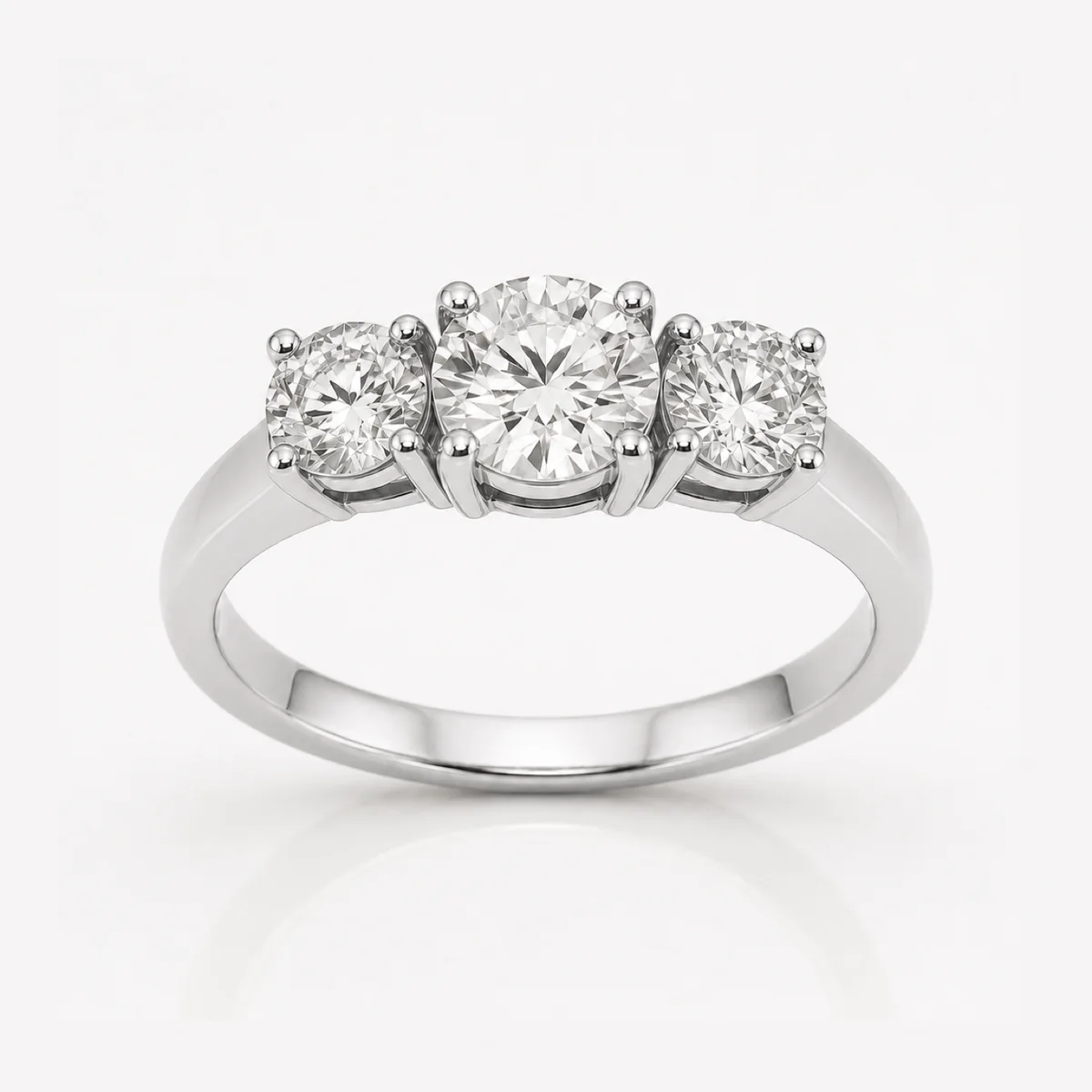
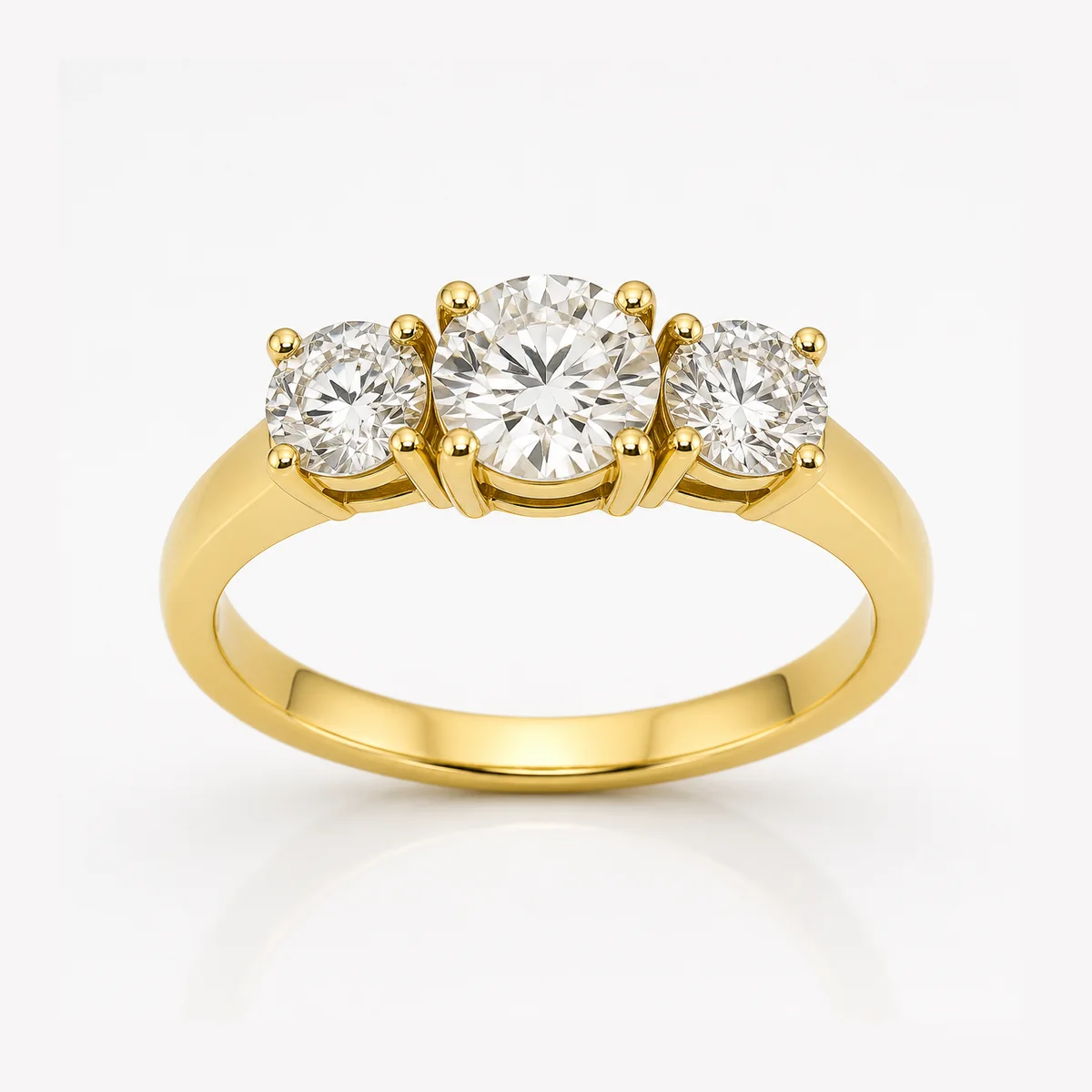
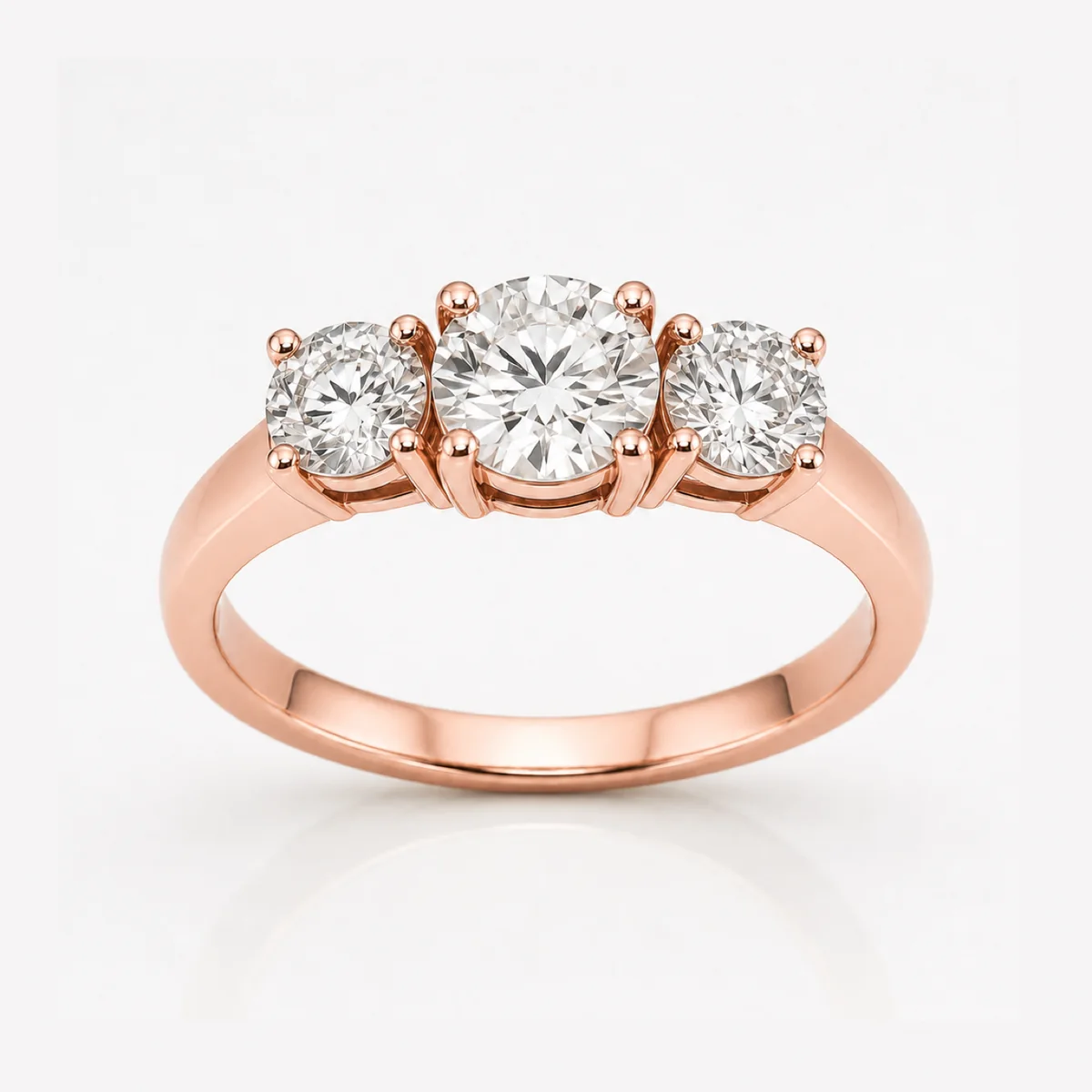 Round trilogyThree rounds, four claws each.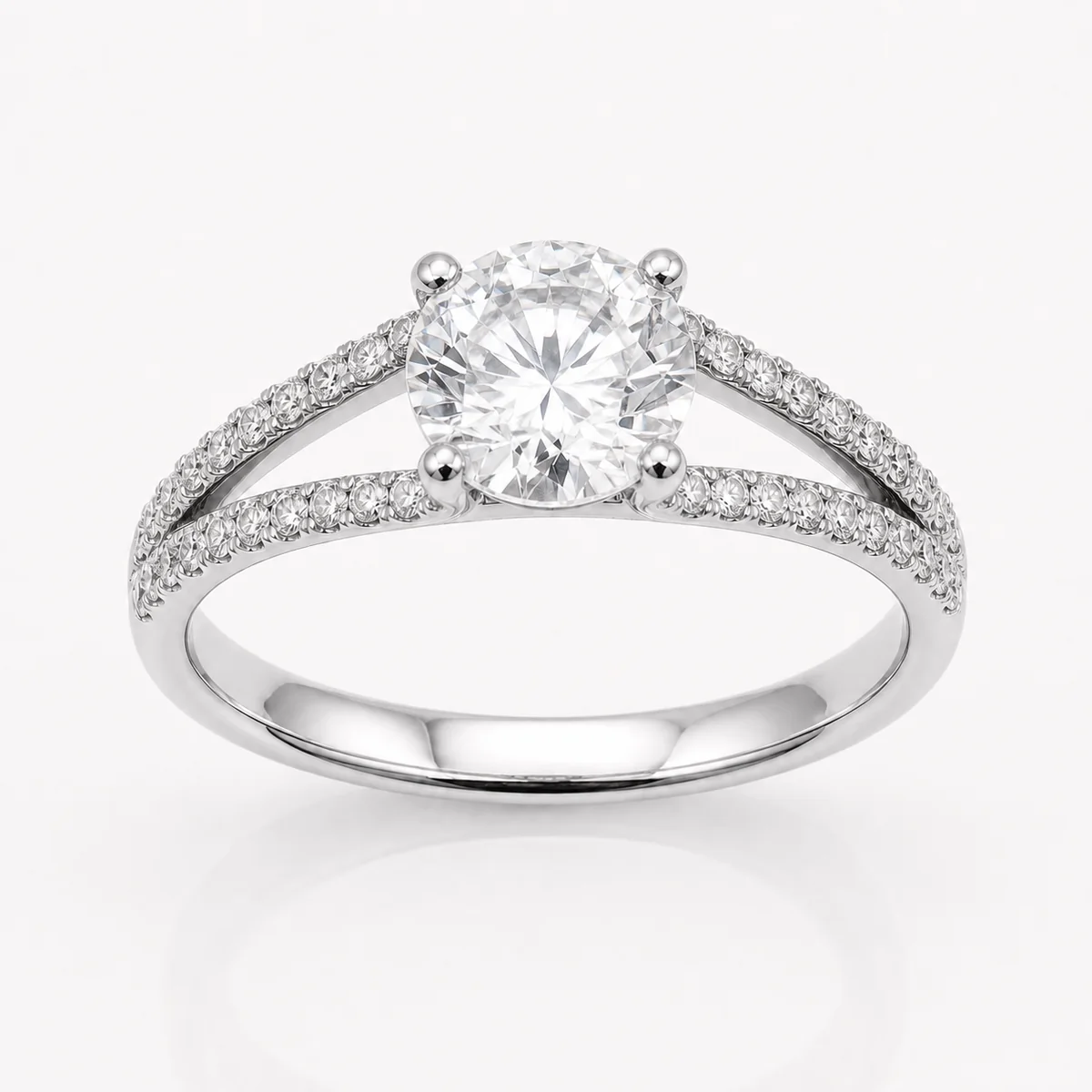
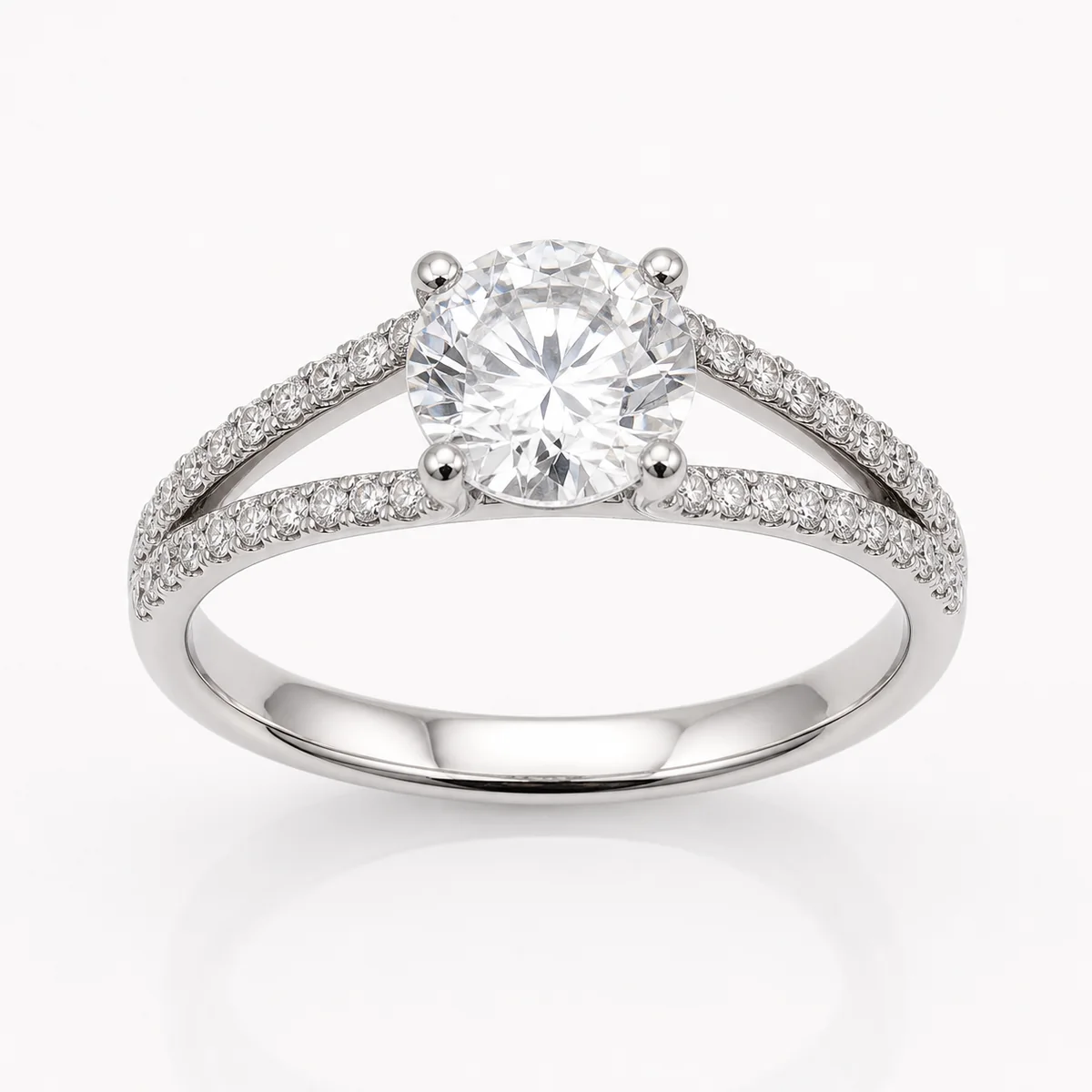
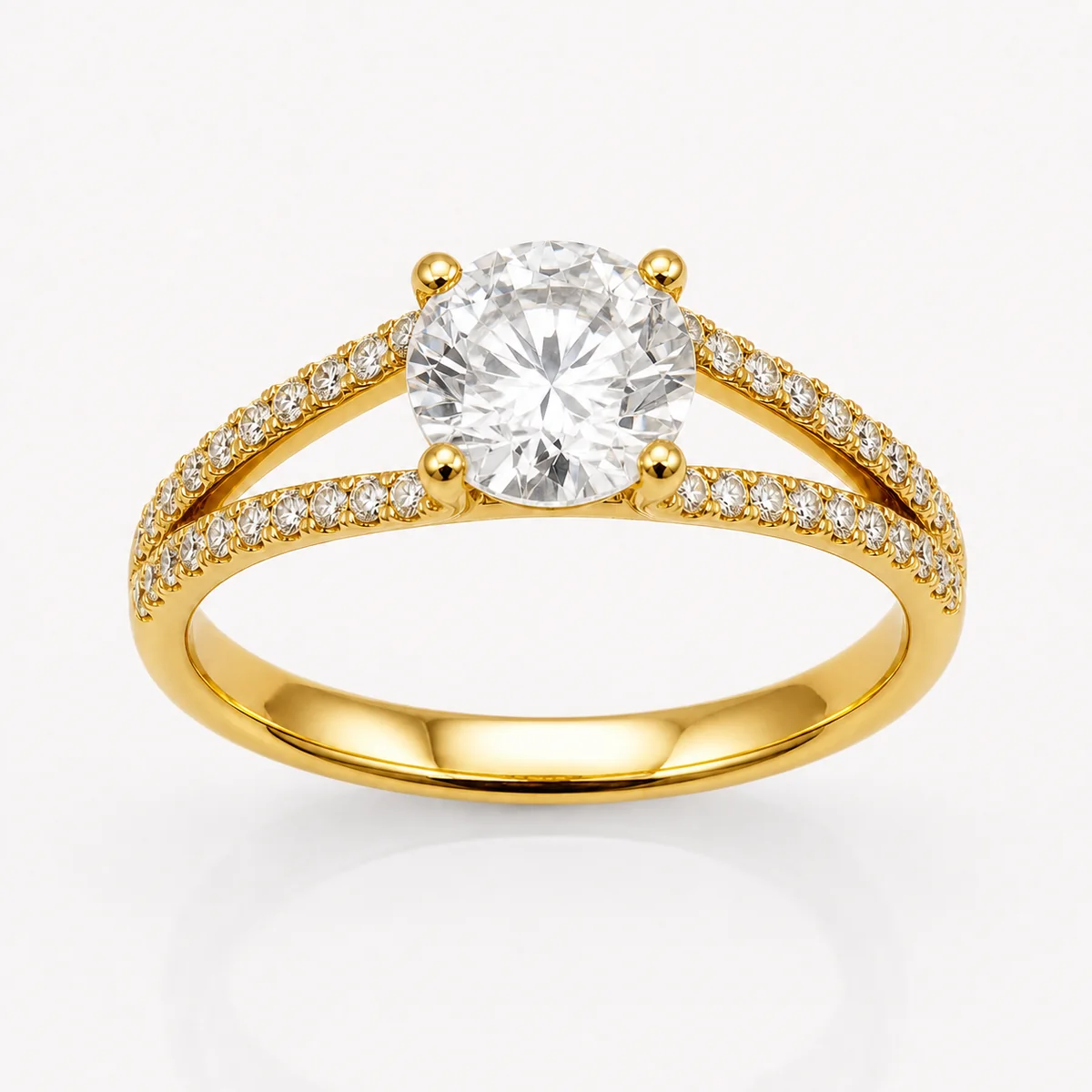
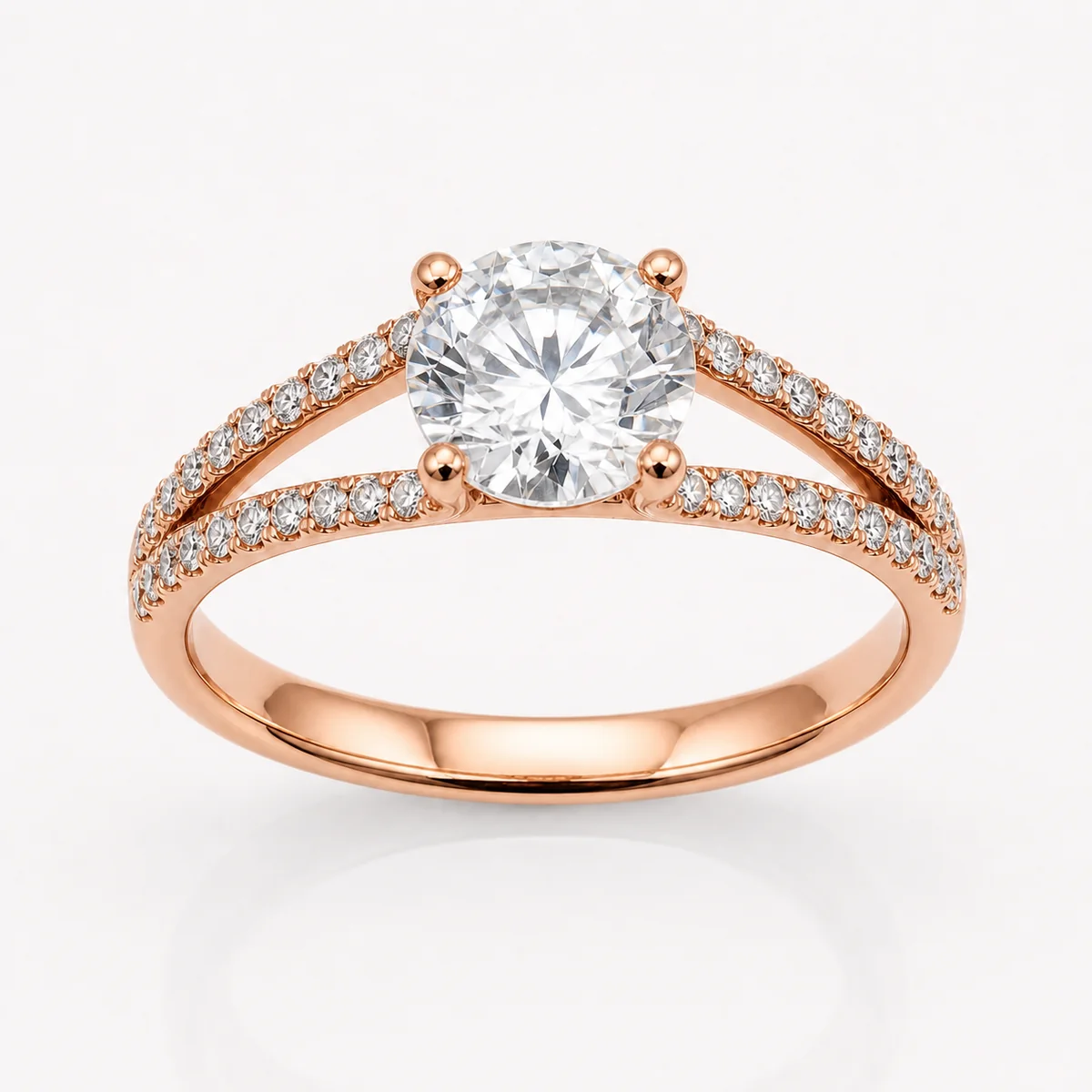 Split band, pavéThe band parts to hold the stone.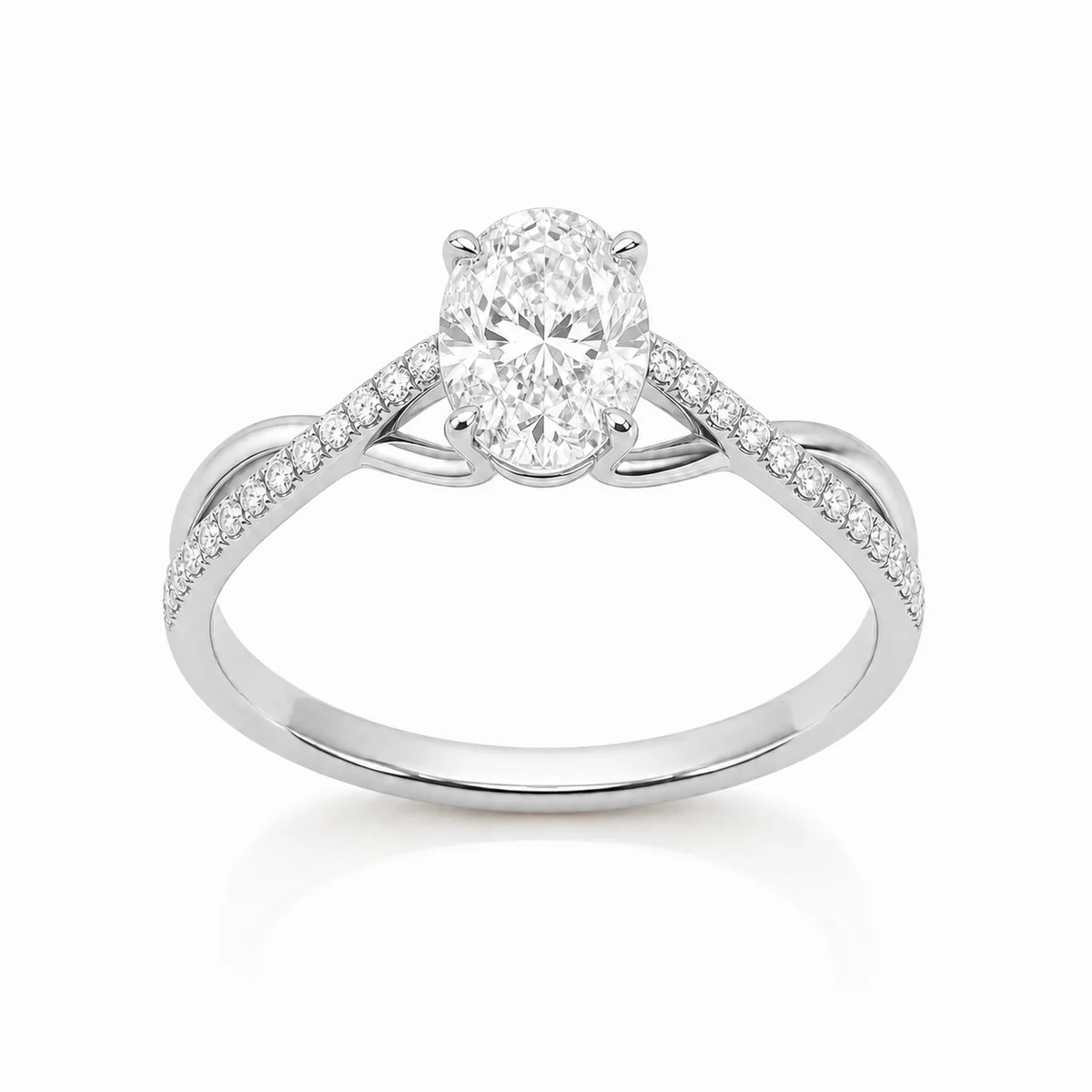
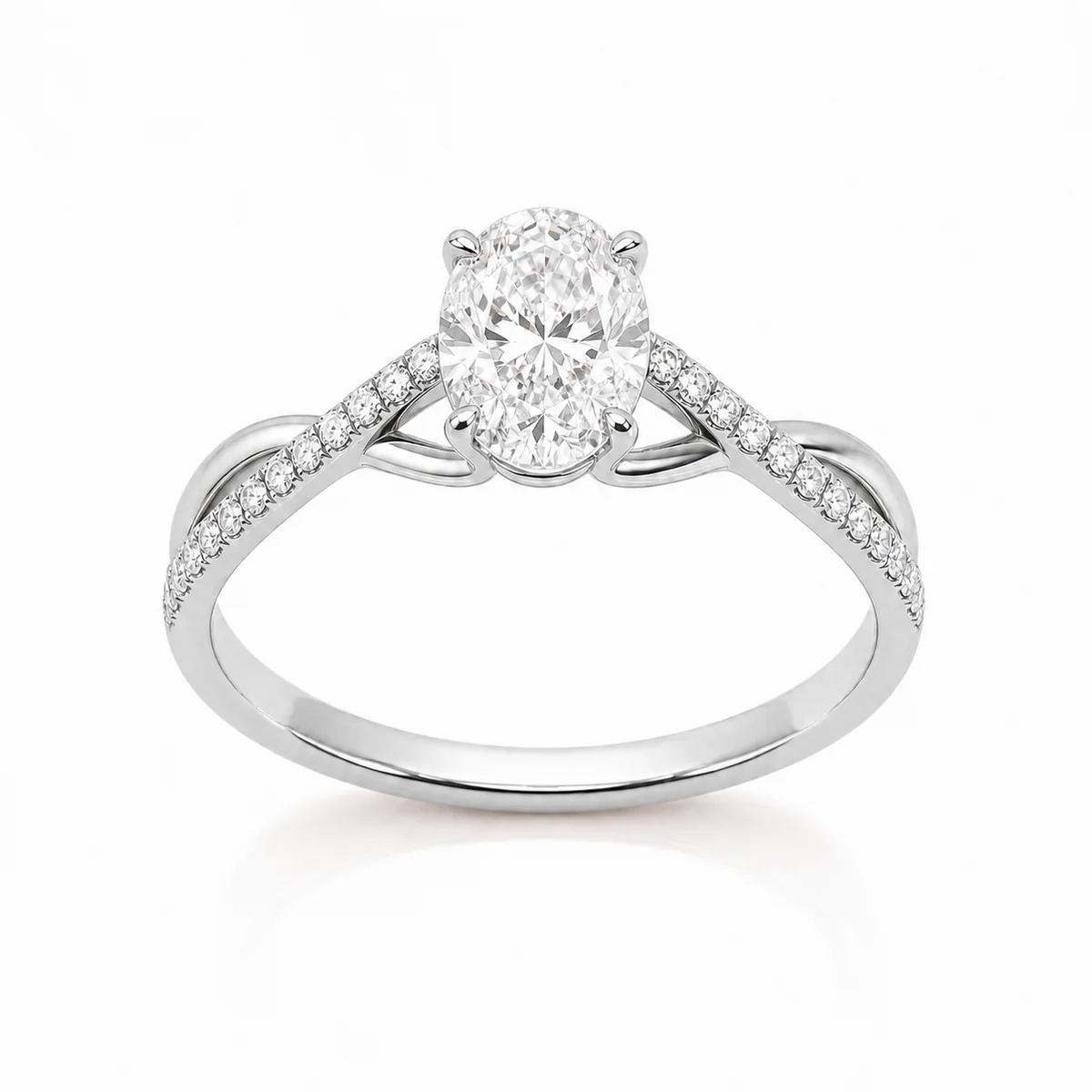
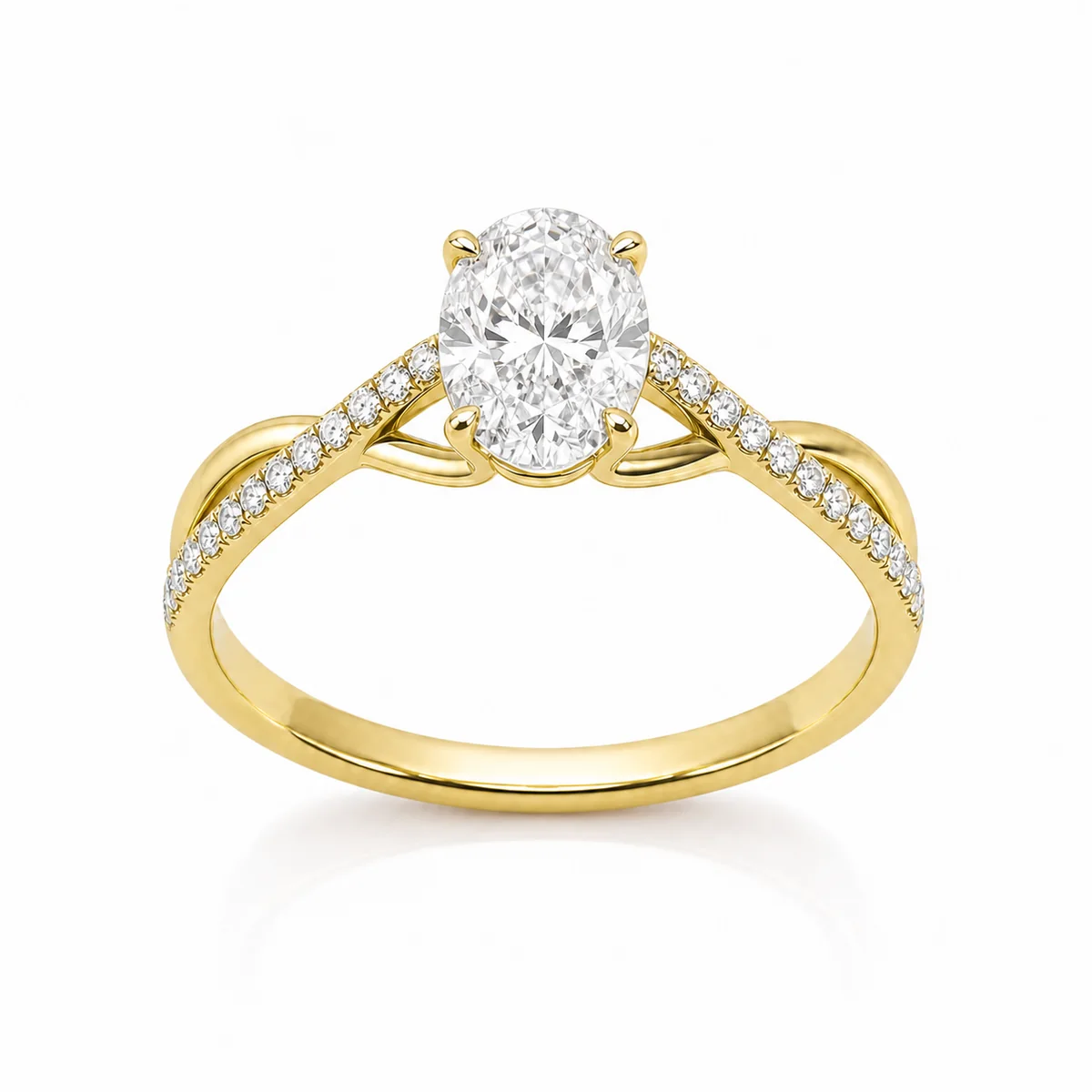
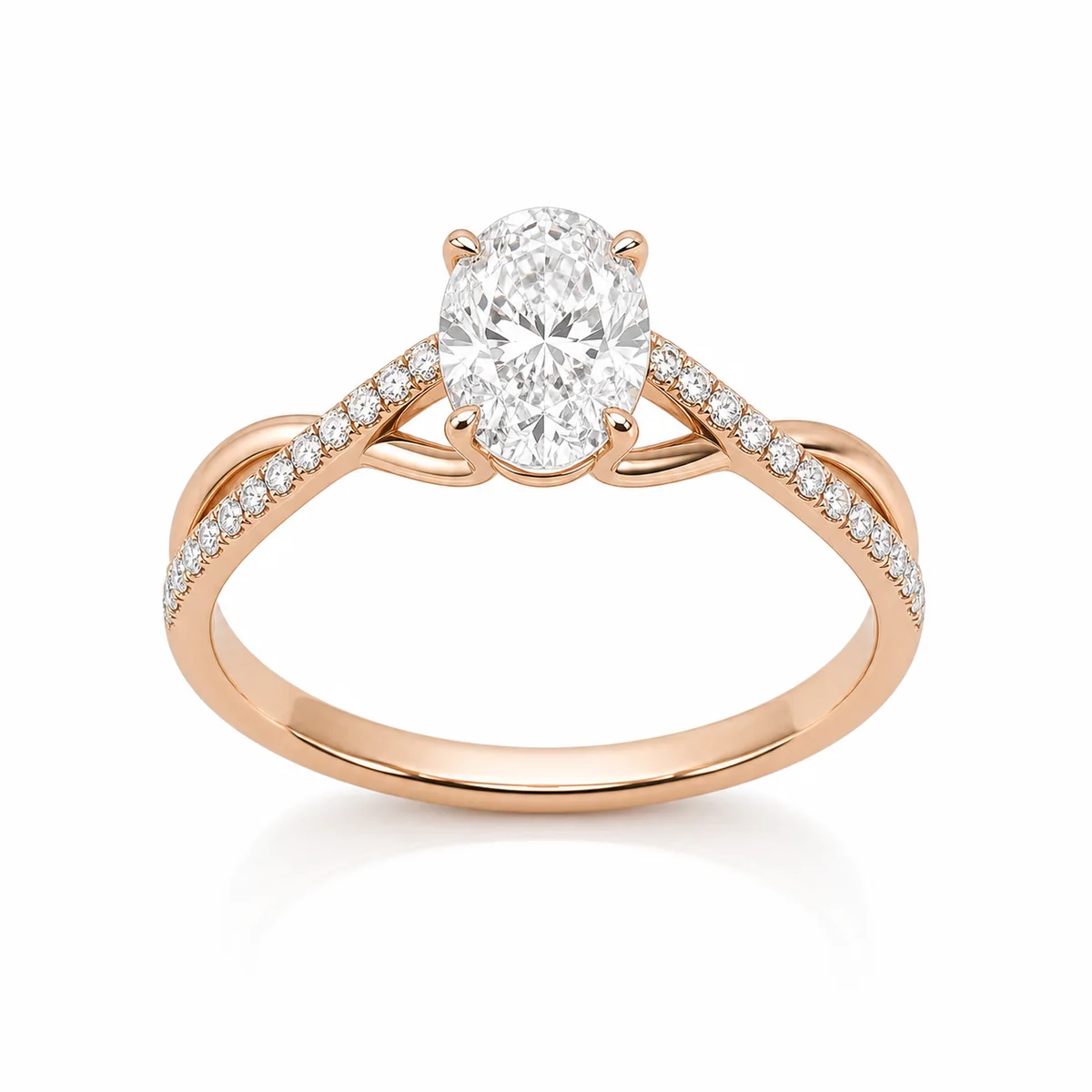 Twisted pavé, ovalA rope of small diamonds up to the centre.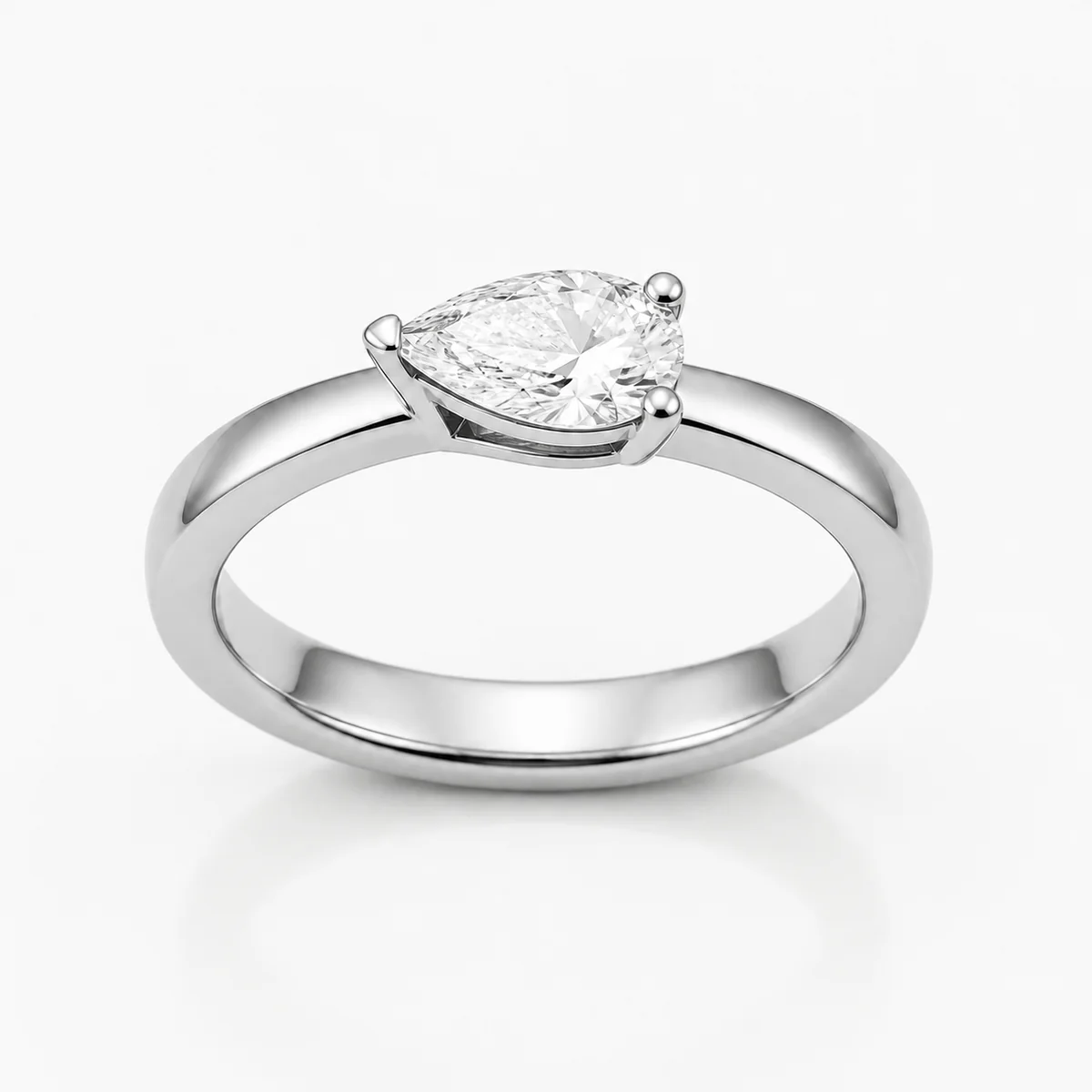
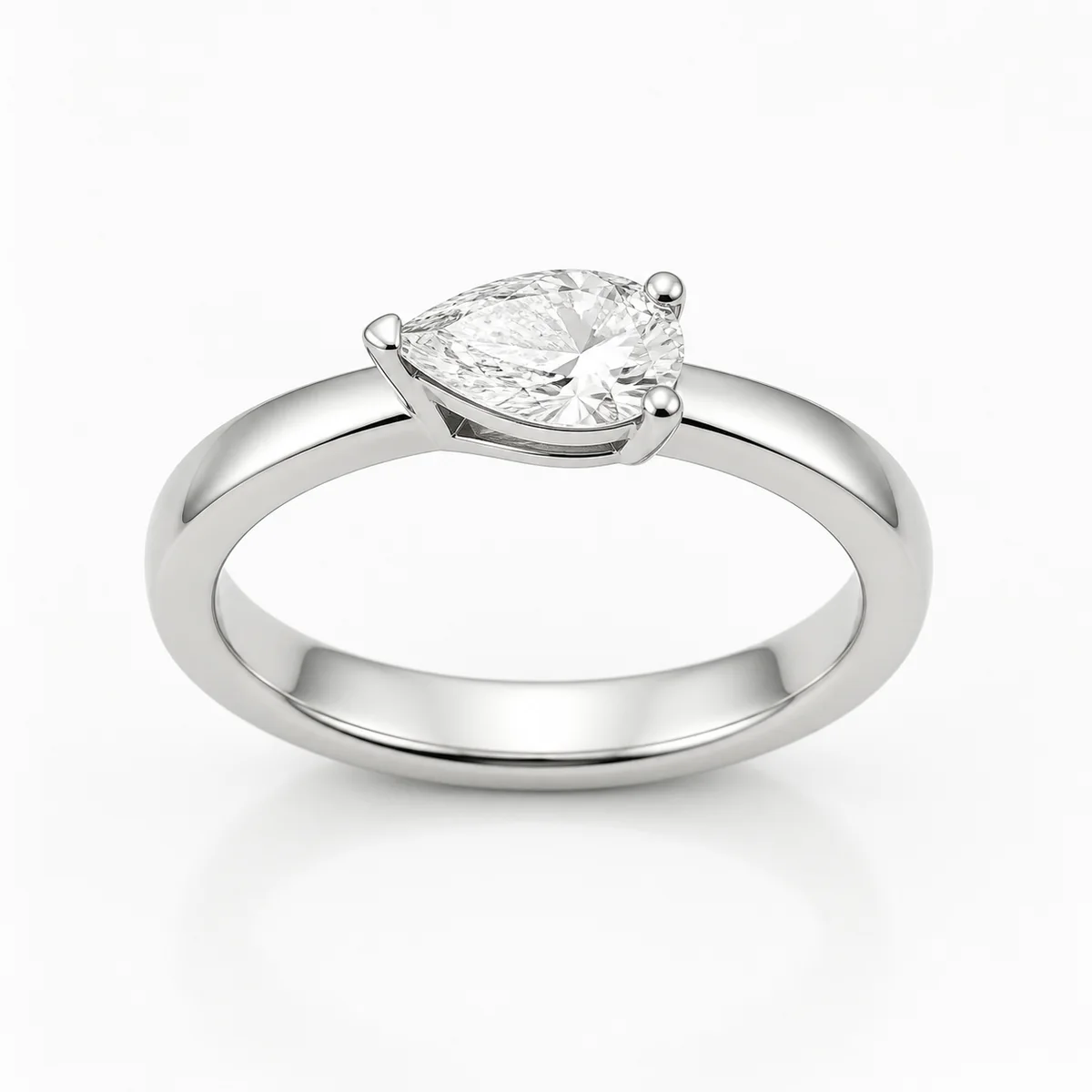
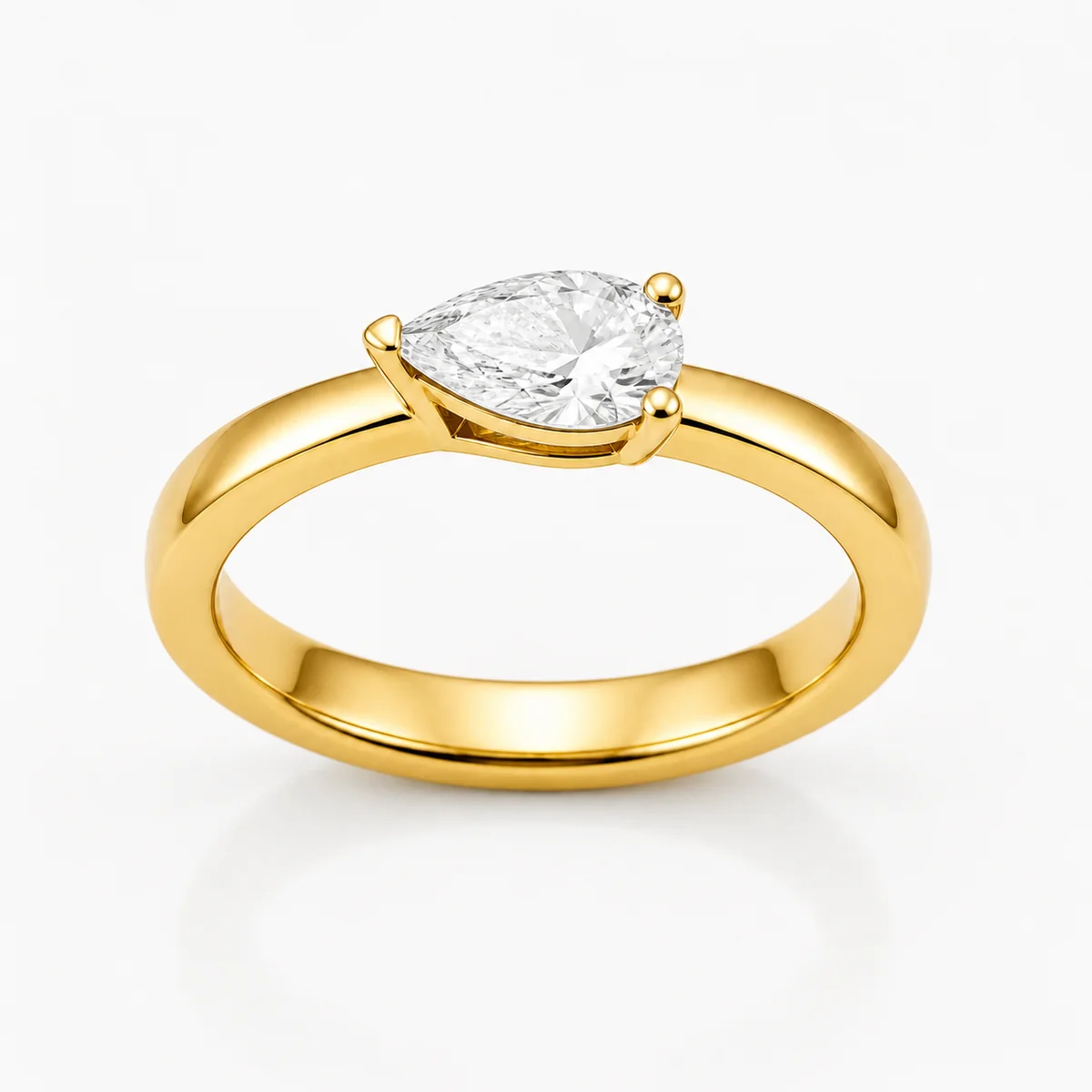
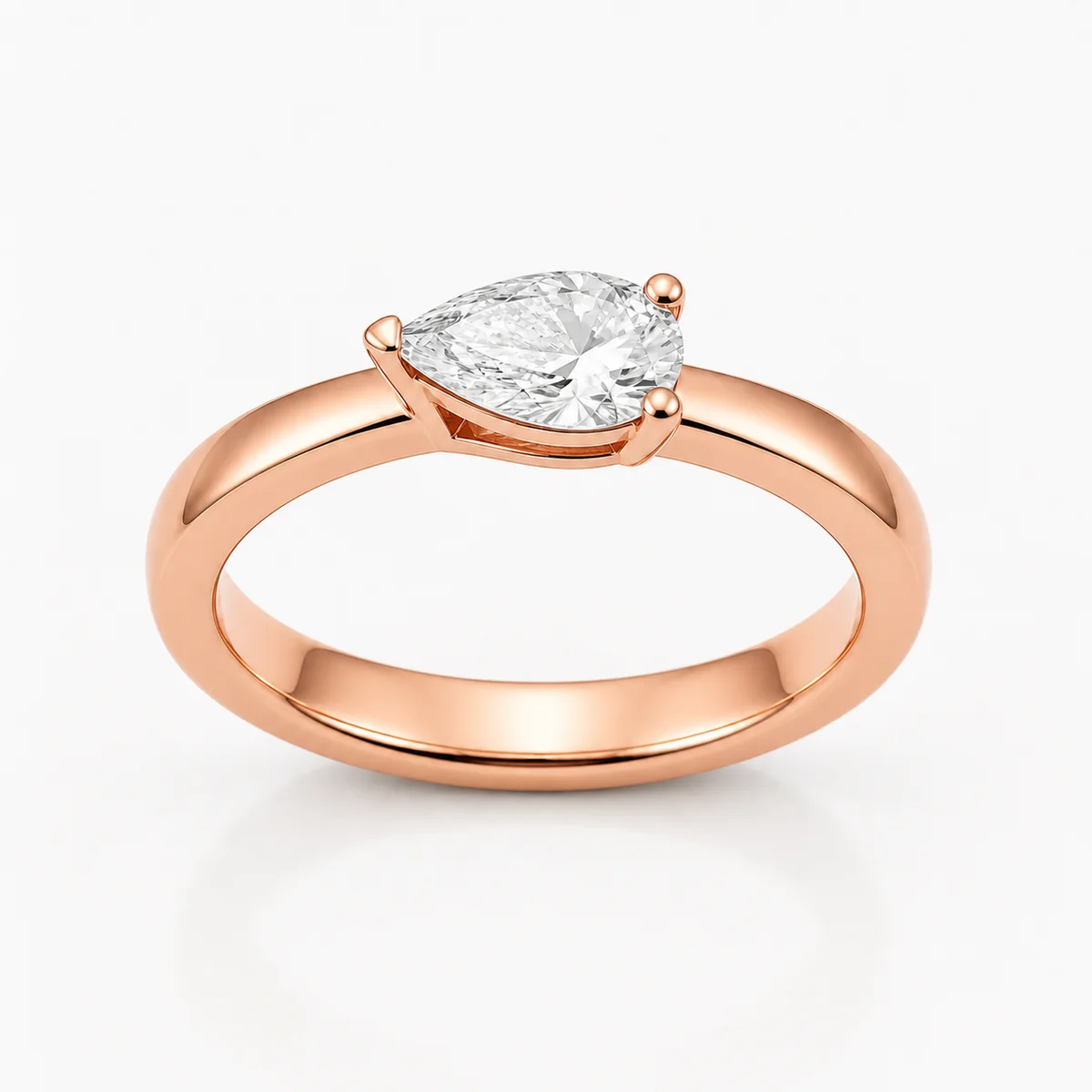 East-west pearThe stone set sideways. Modern, and rarer than it should be.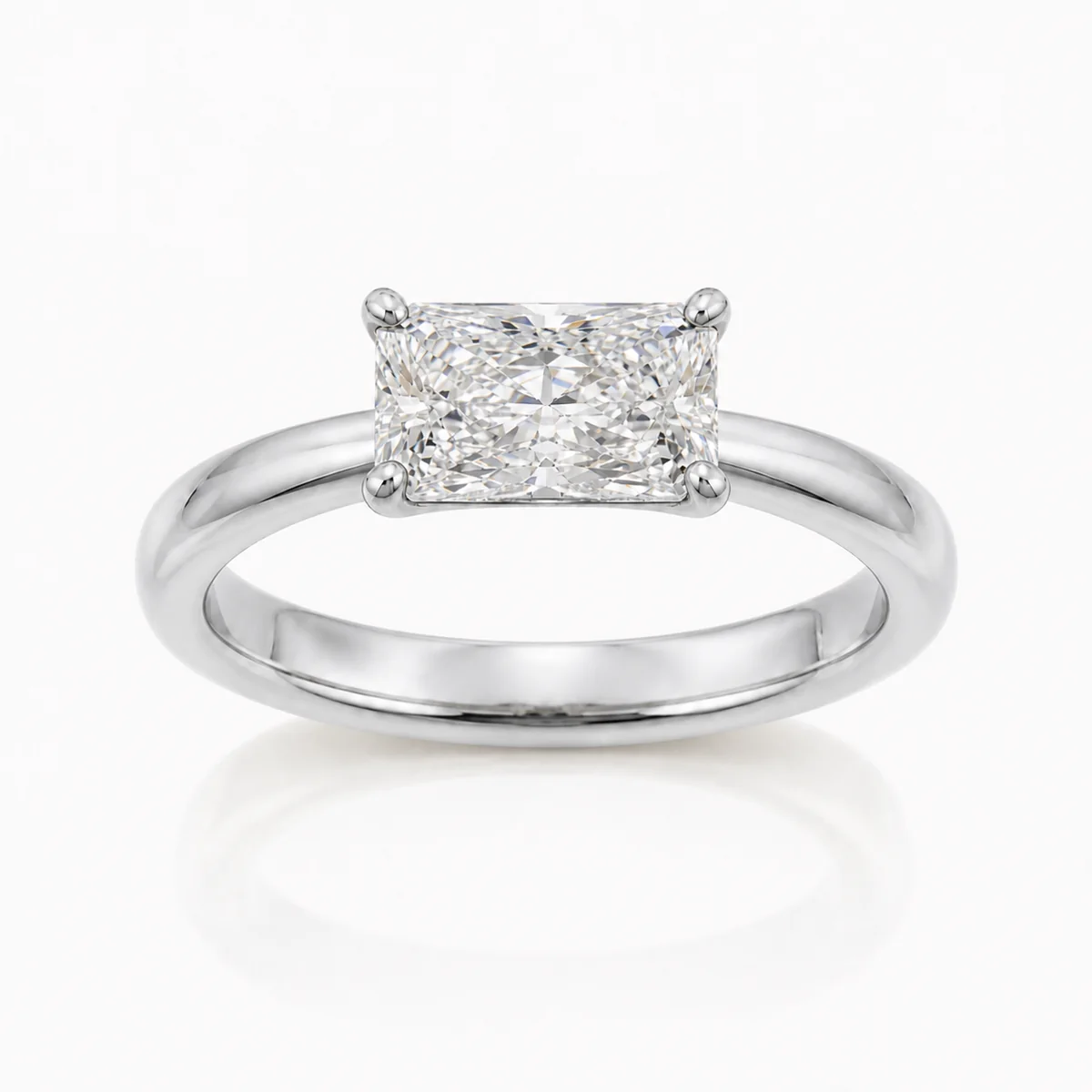
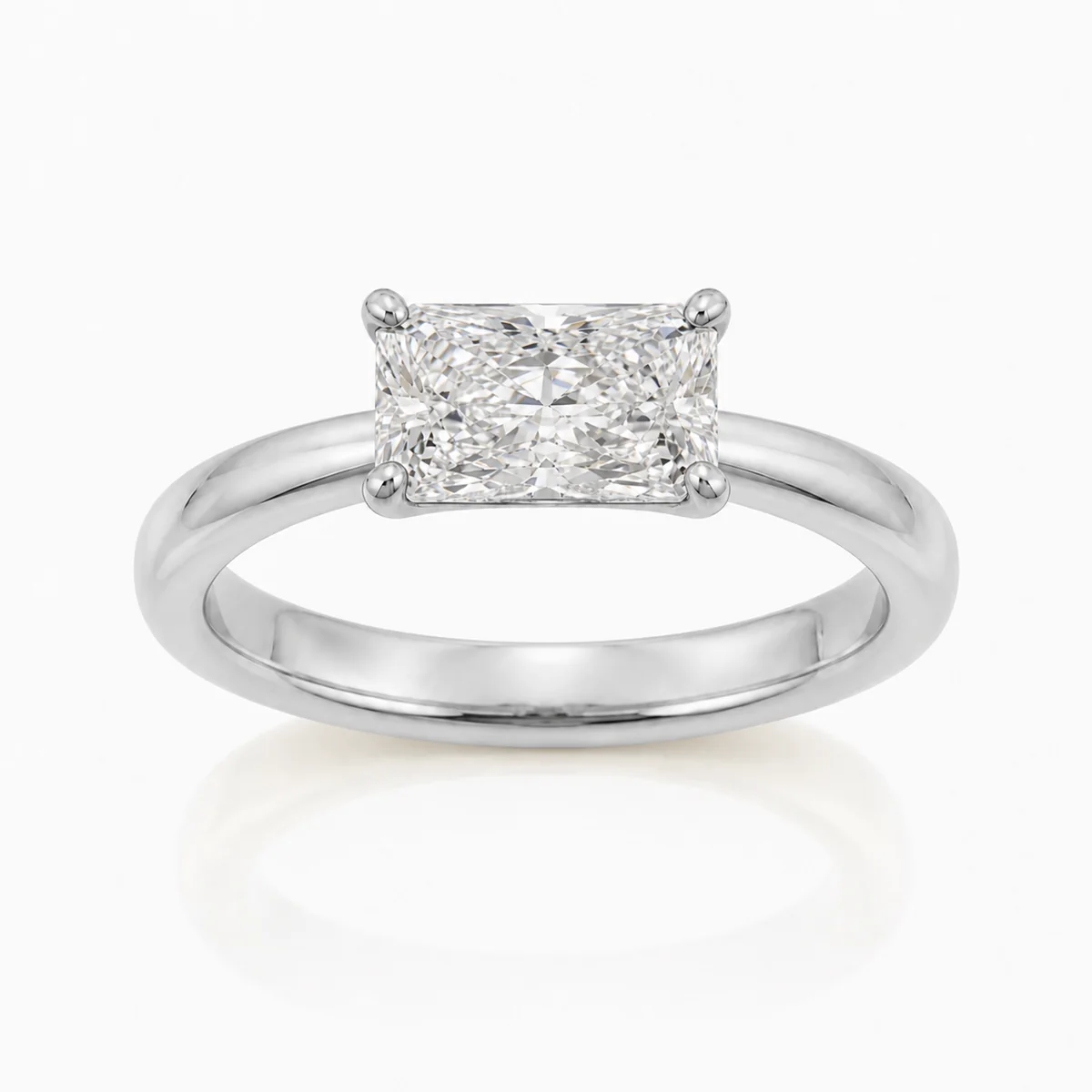
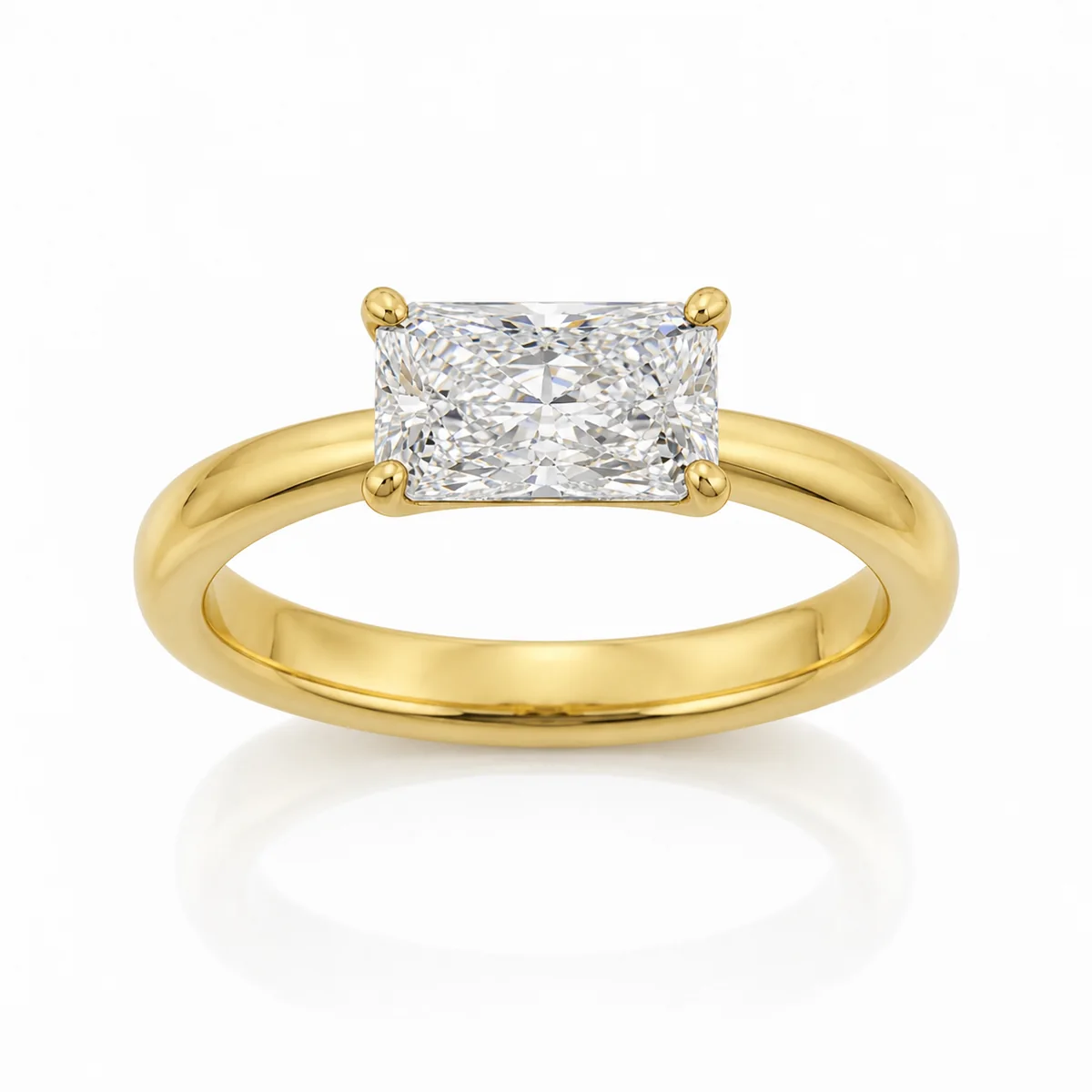
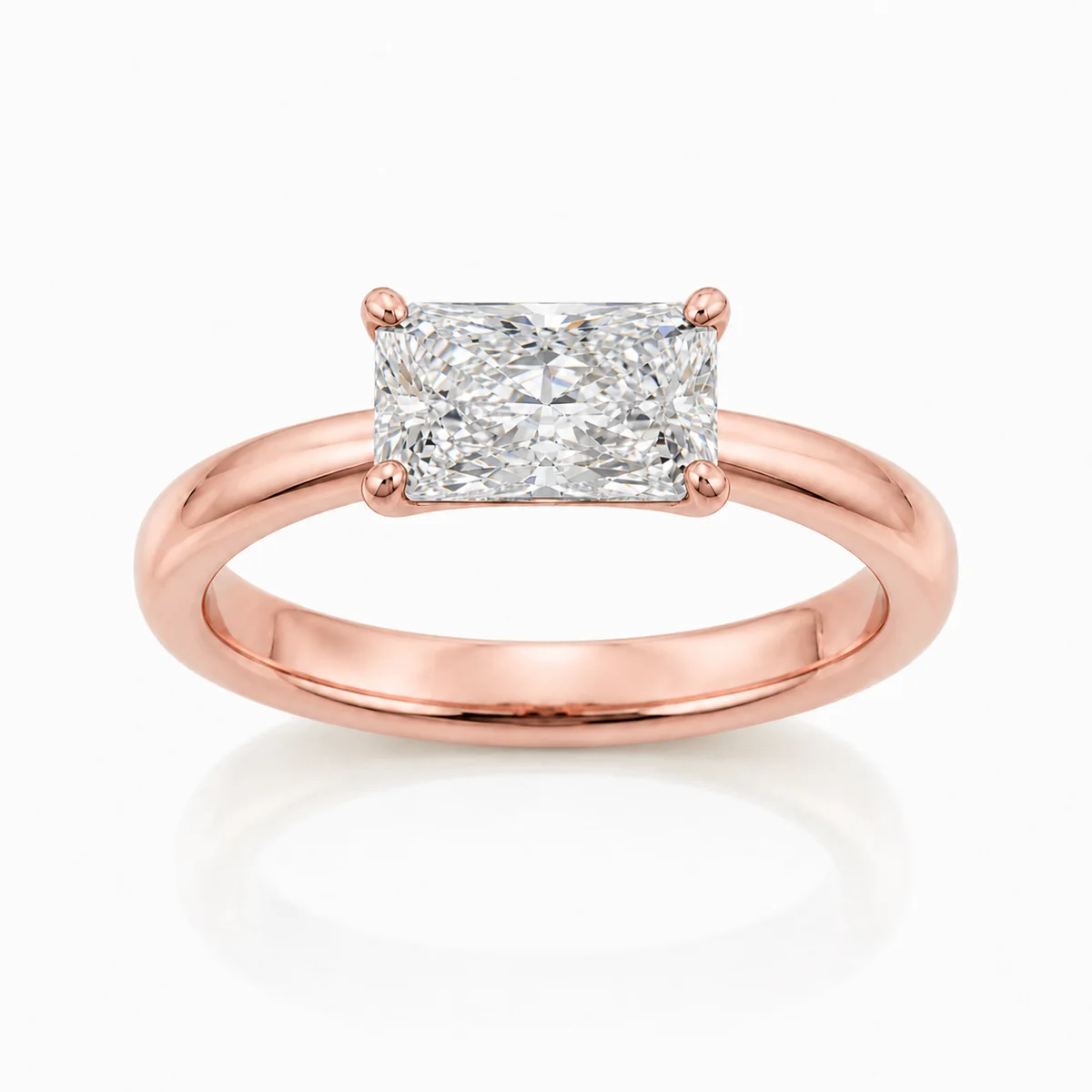 East-west radiantLong stone, low profile.
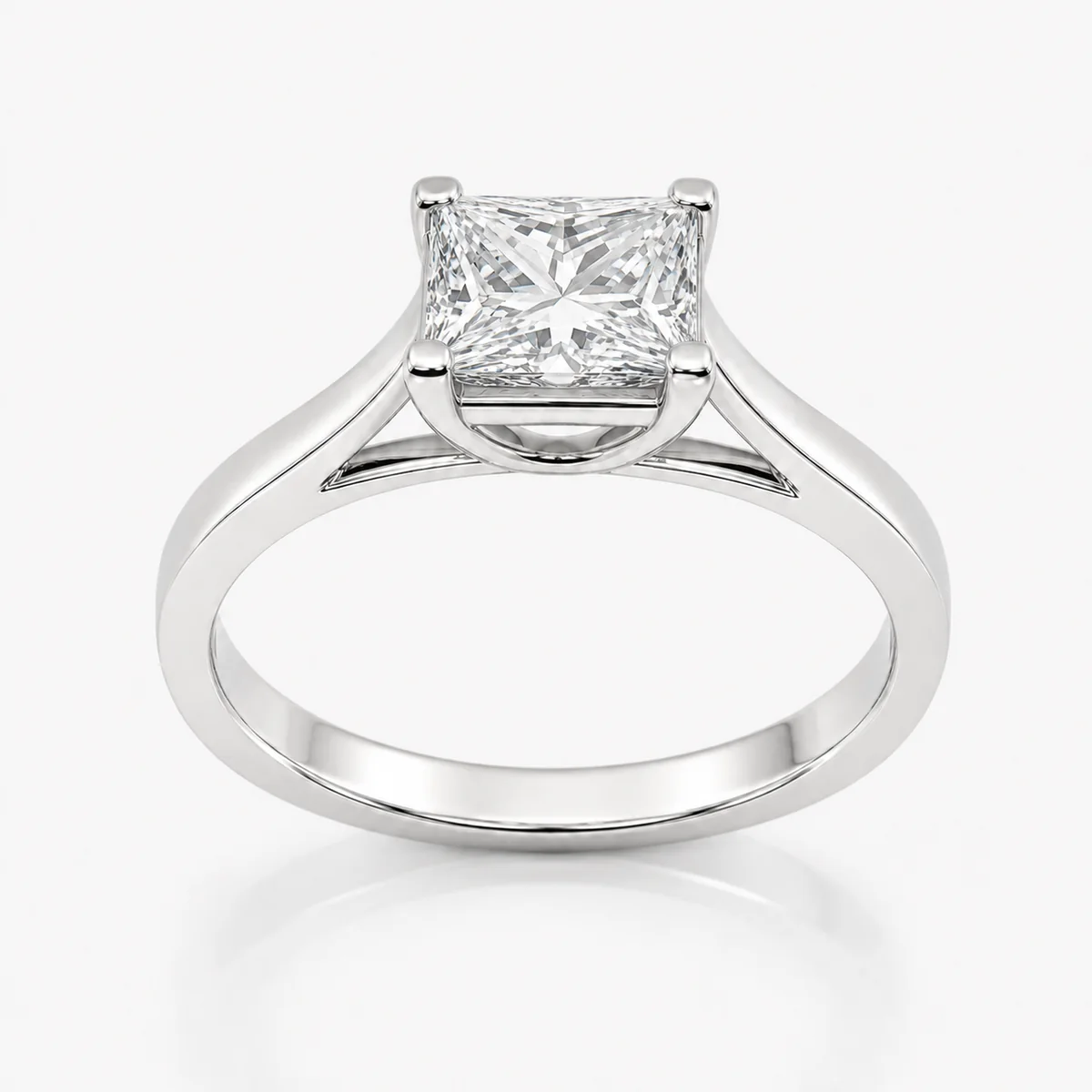
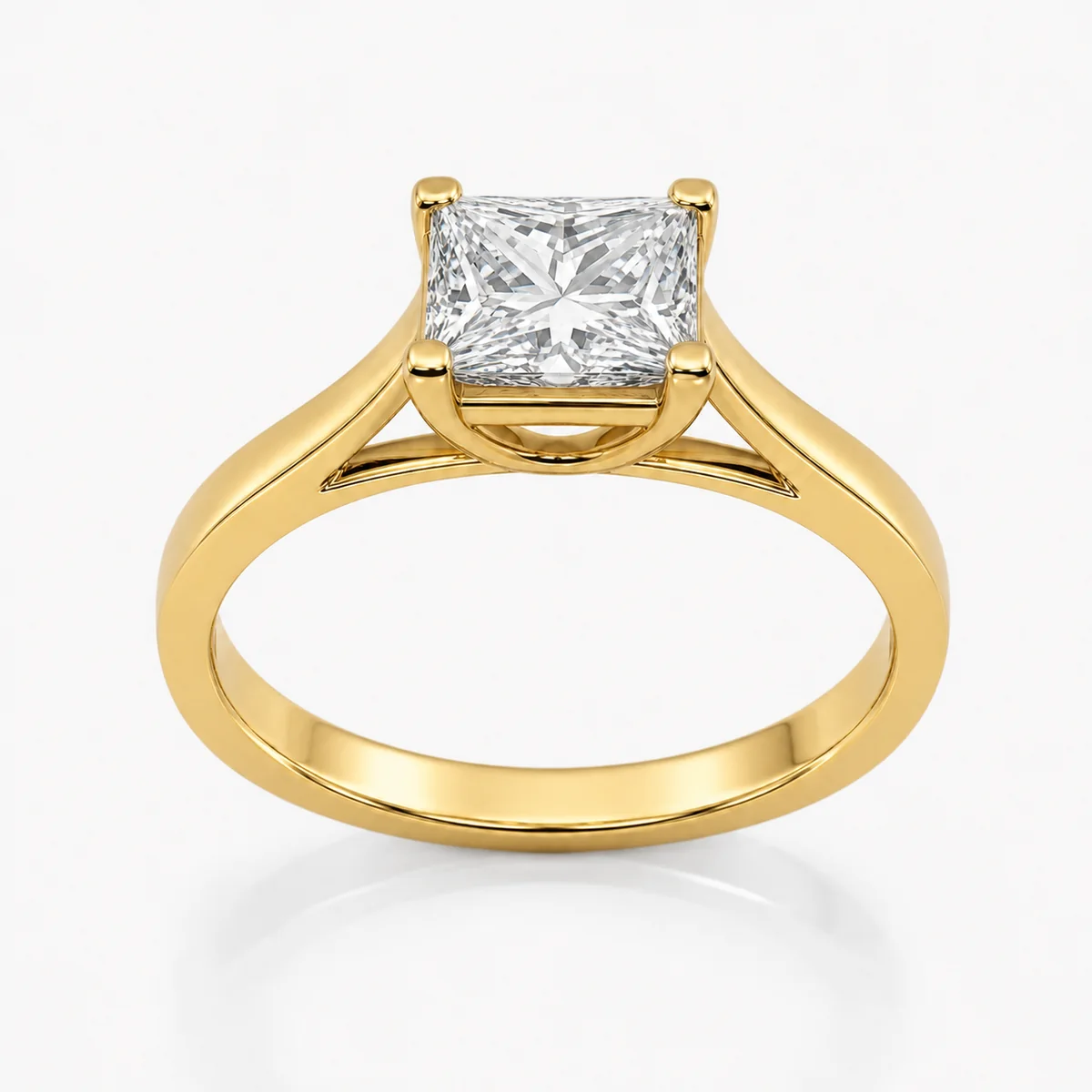
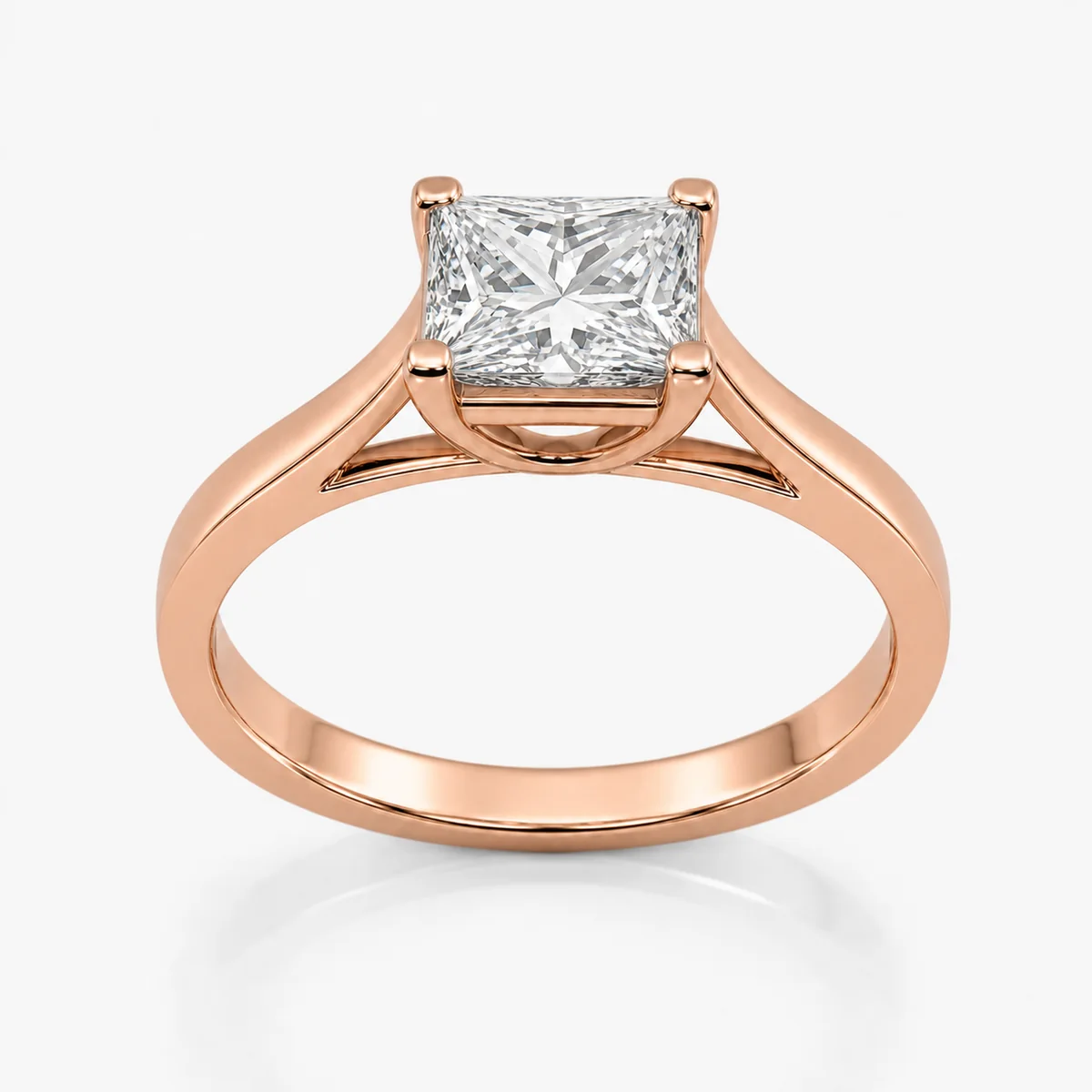 Cathedral princessRaised shoulders lift a square stone.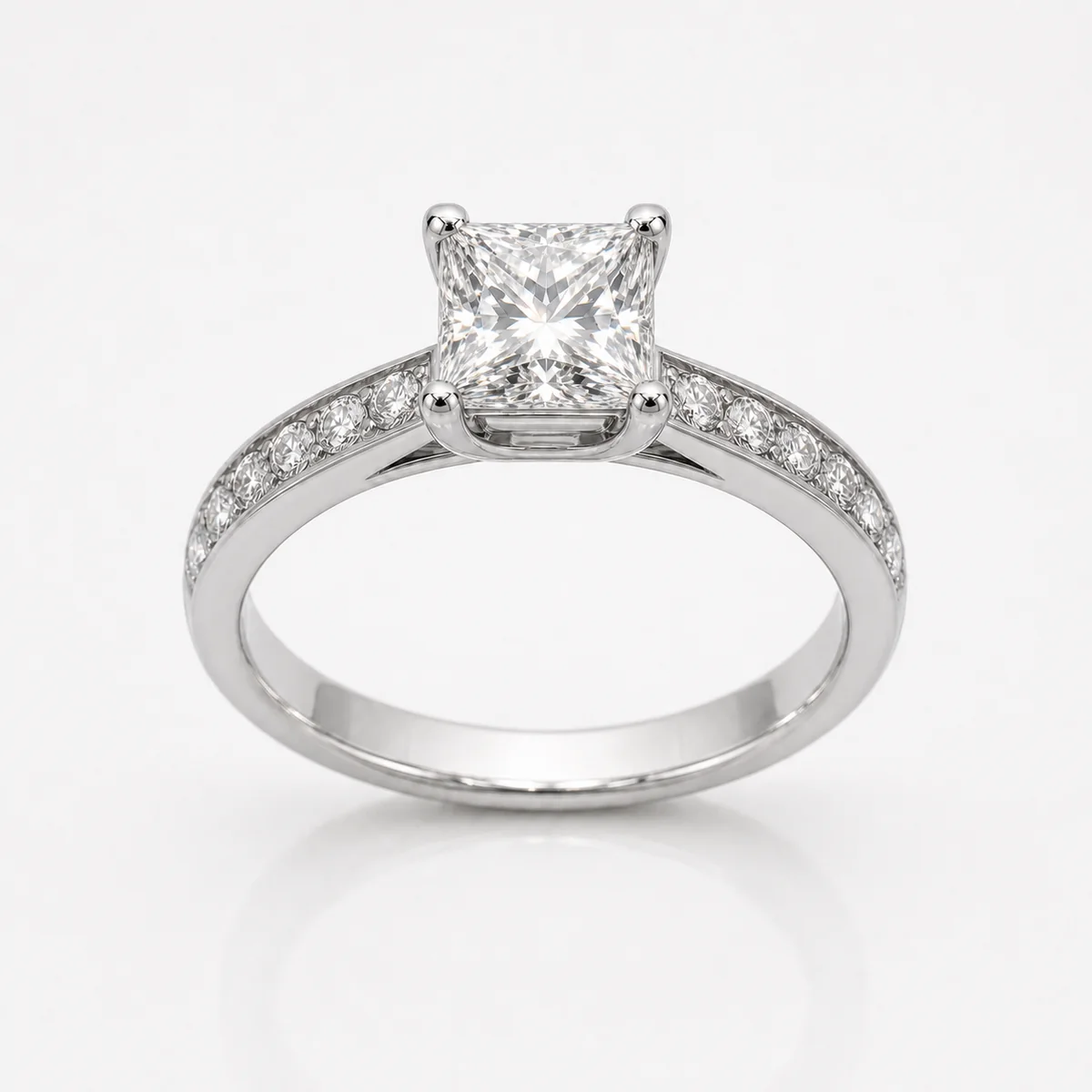
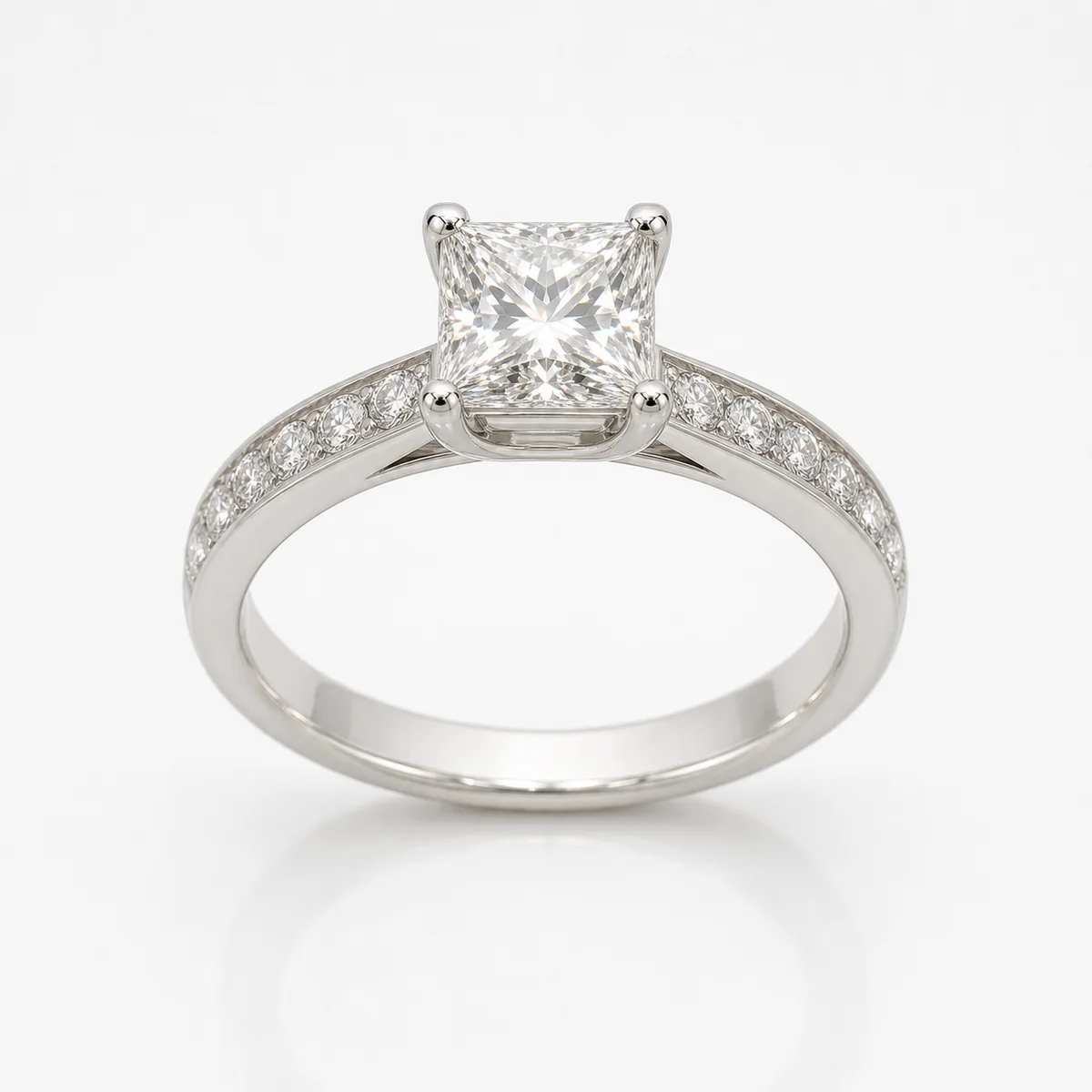
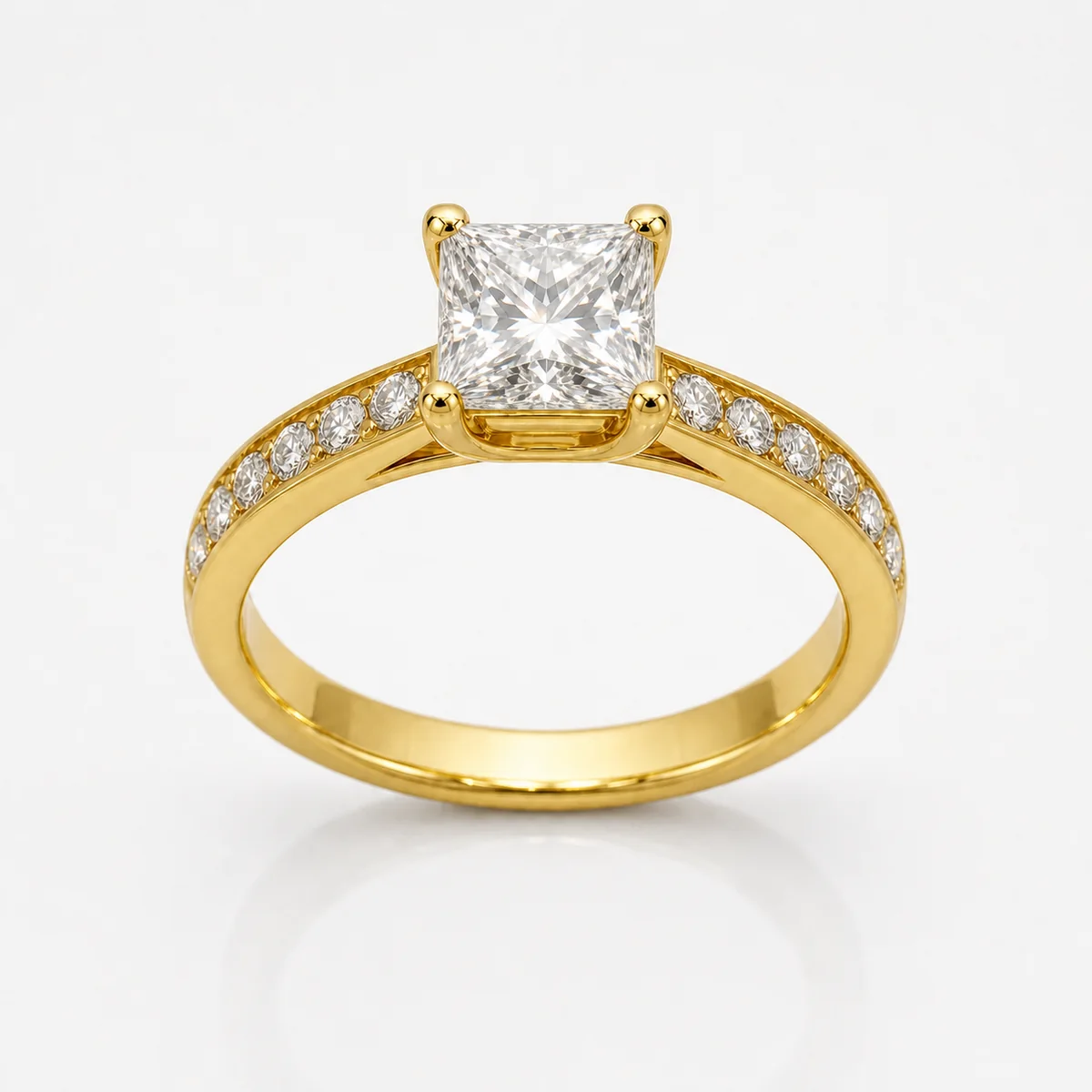
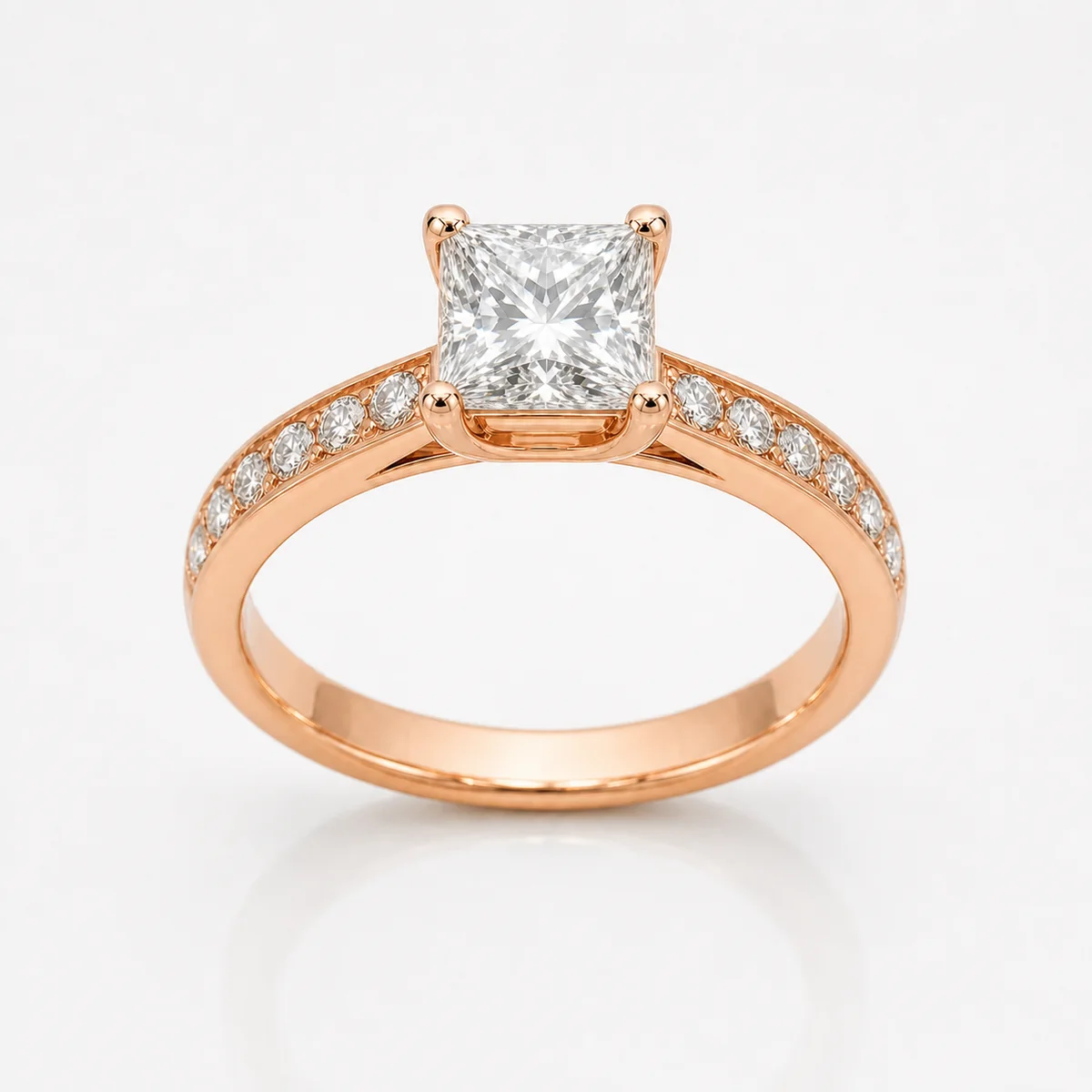 Princess with side stonesSquare centre, a line of small stones each side.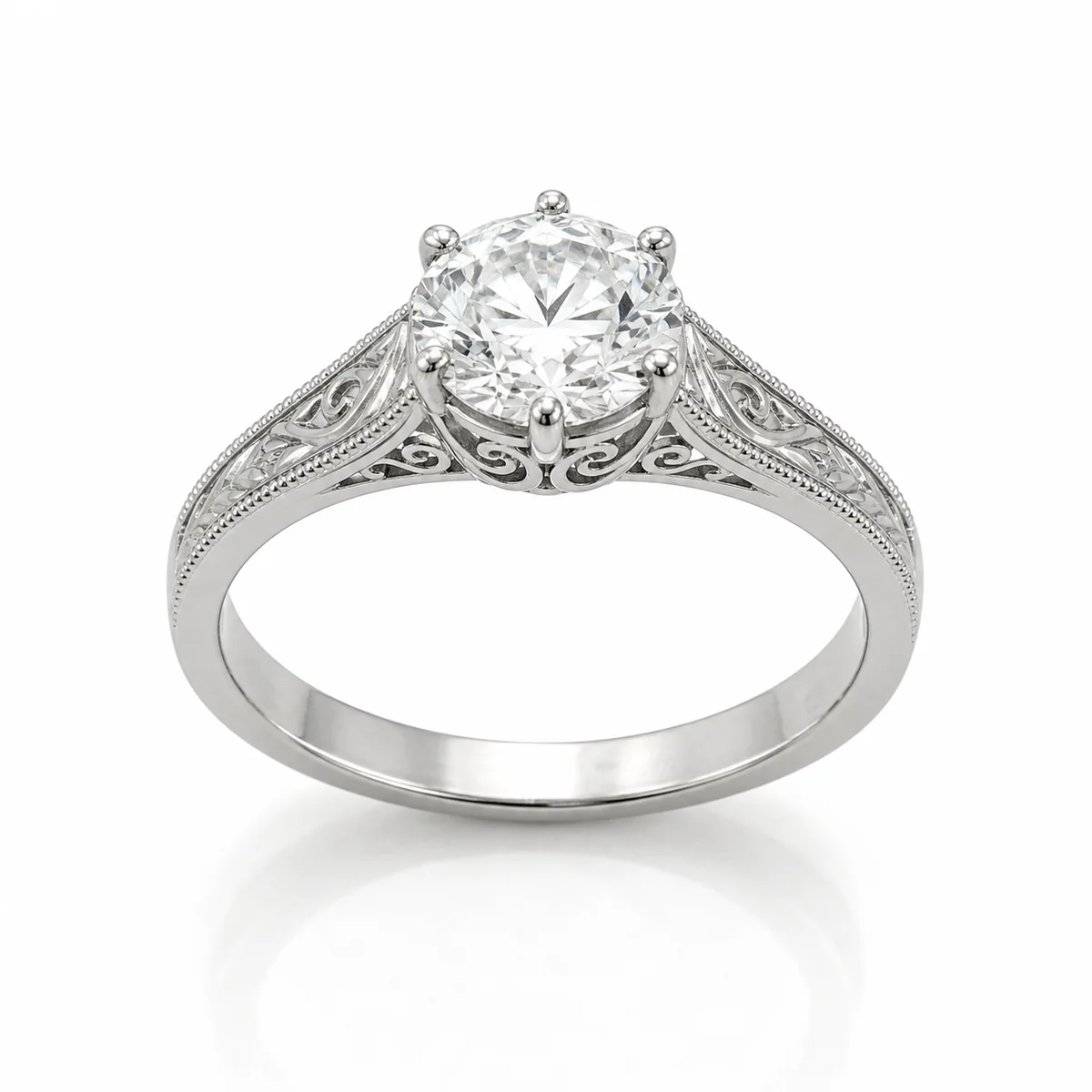
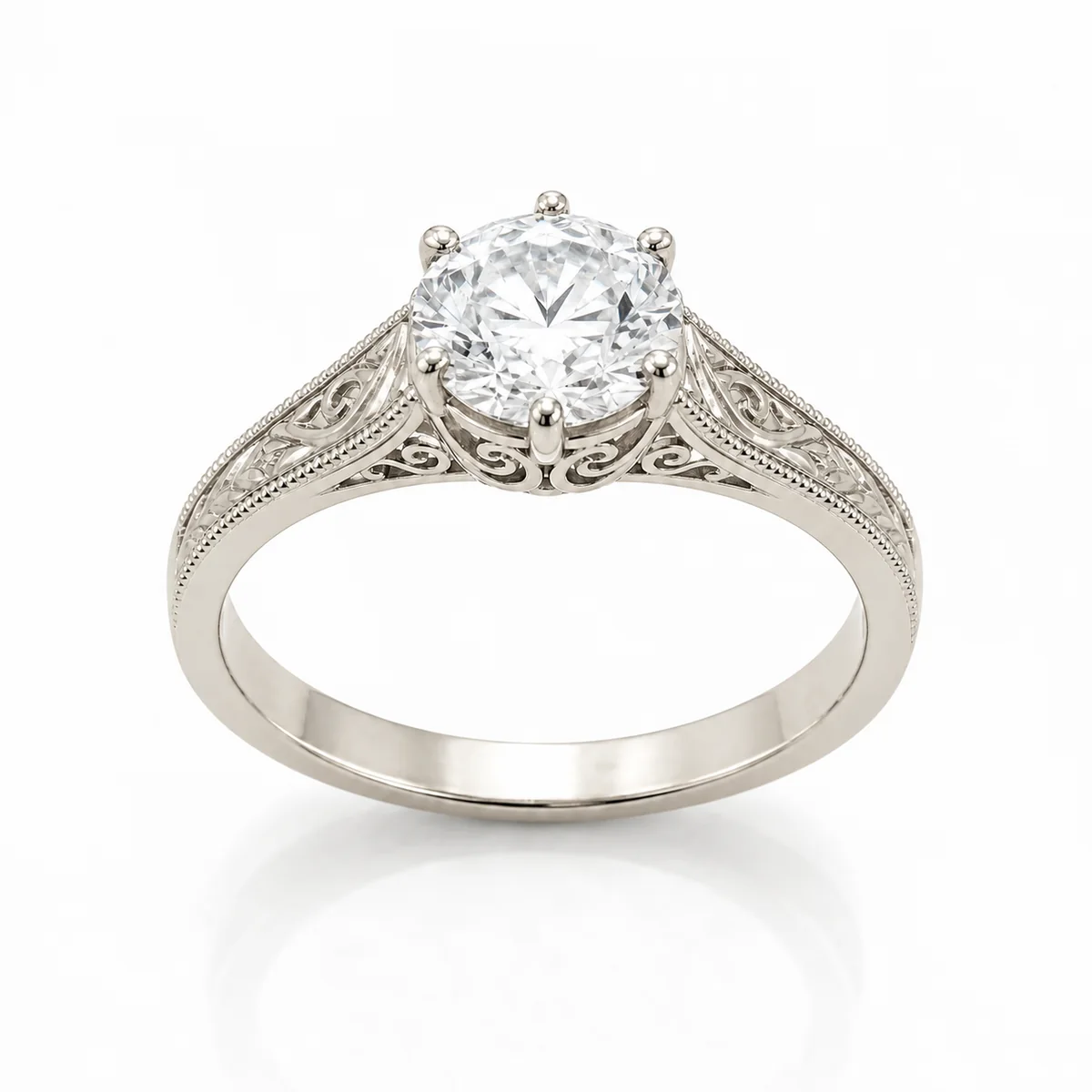
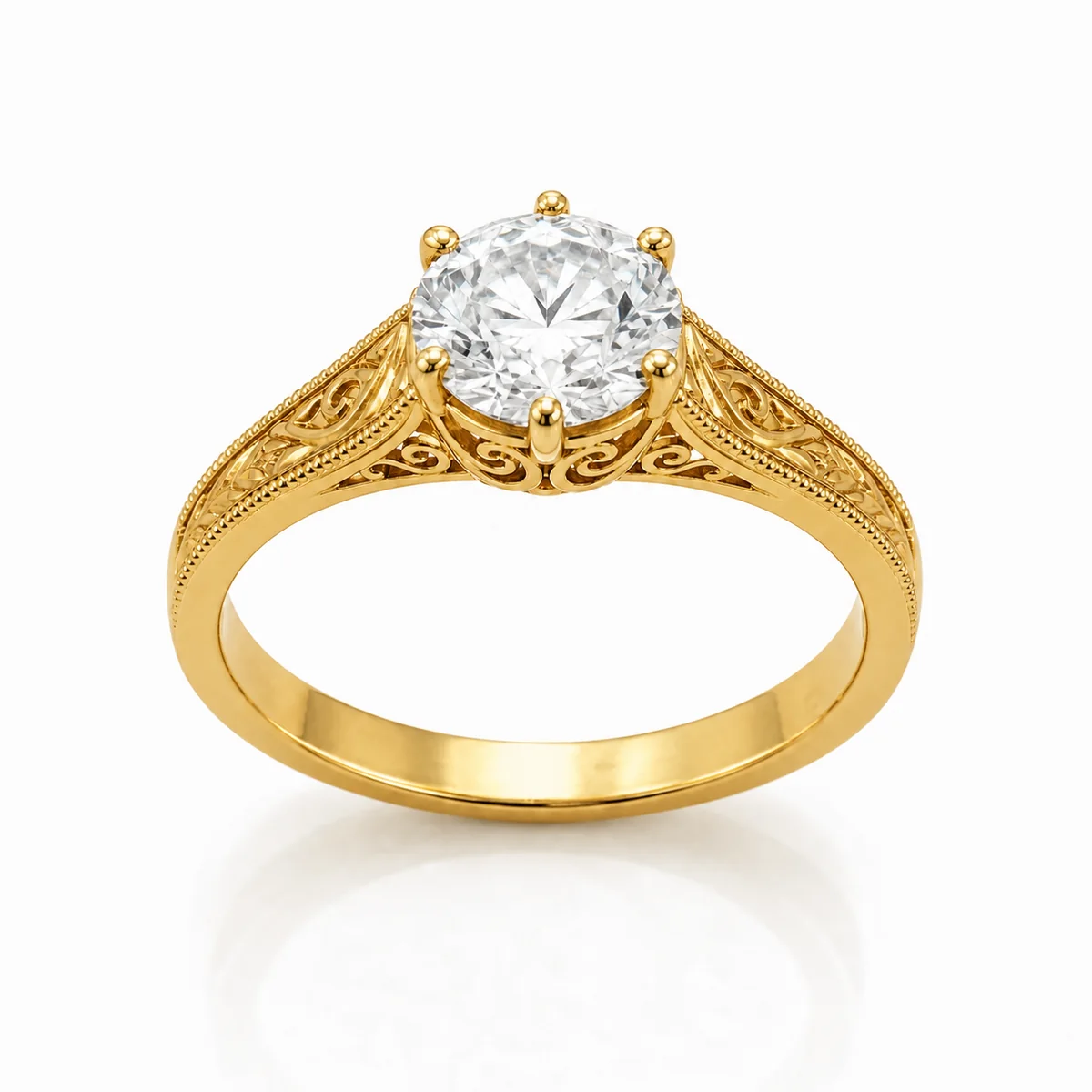
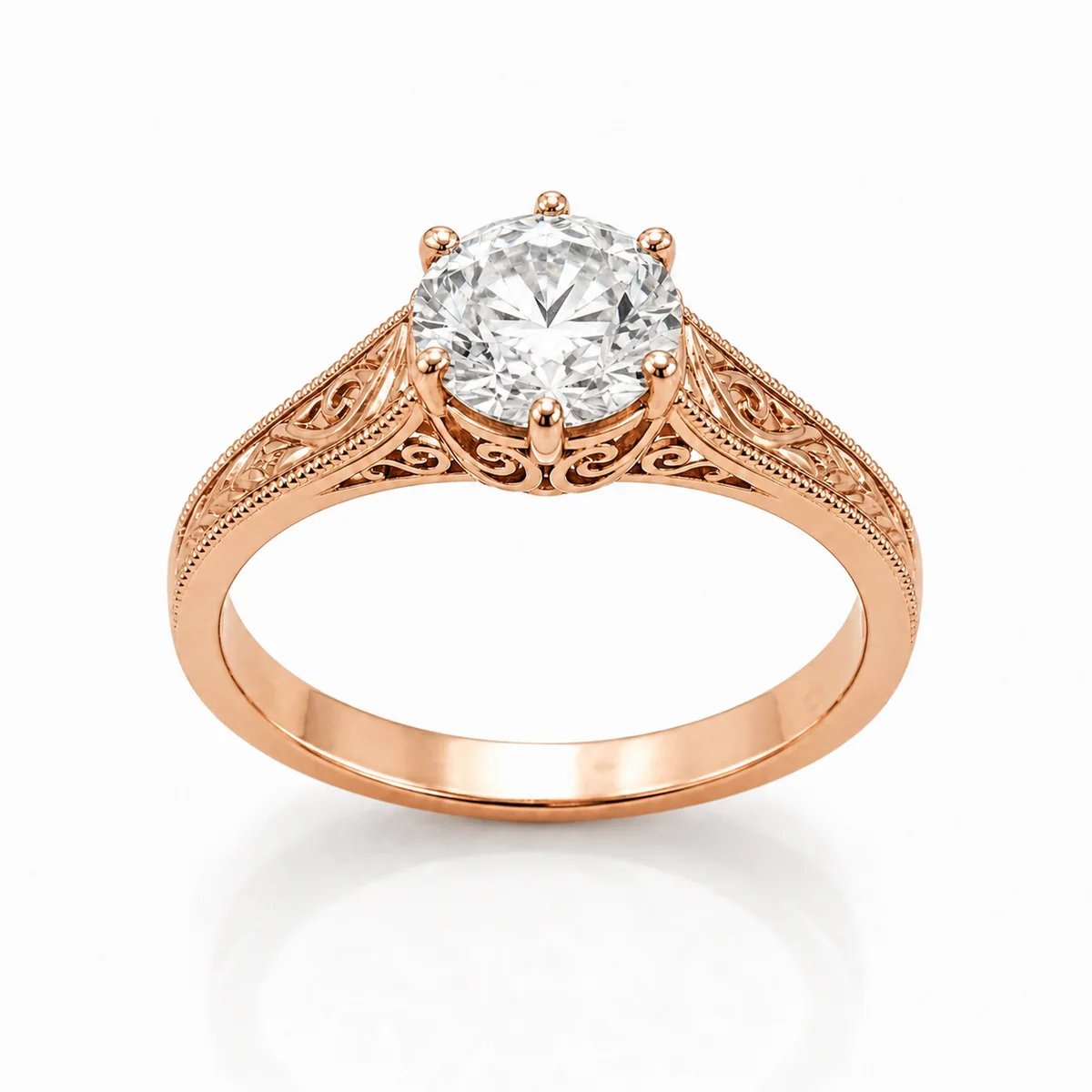 Antique filigreeMilgrain and scrollwork. Made new, looks inherited.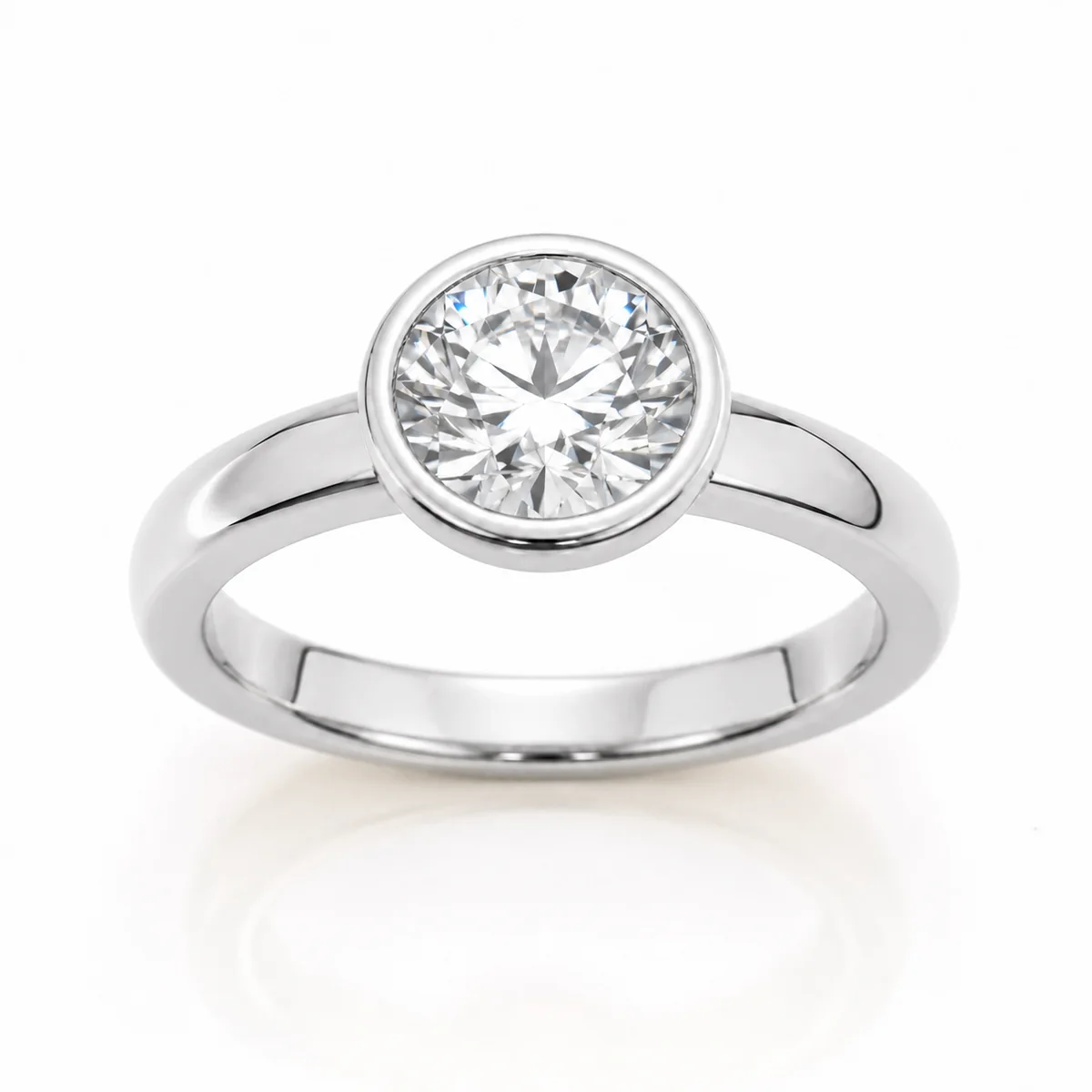
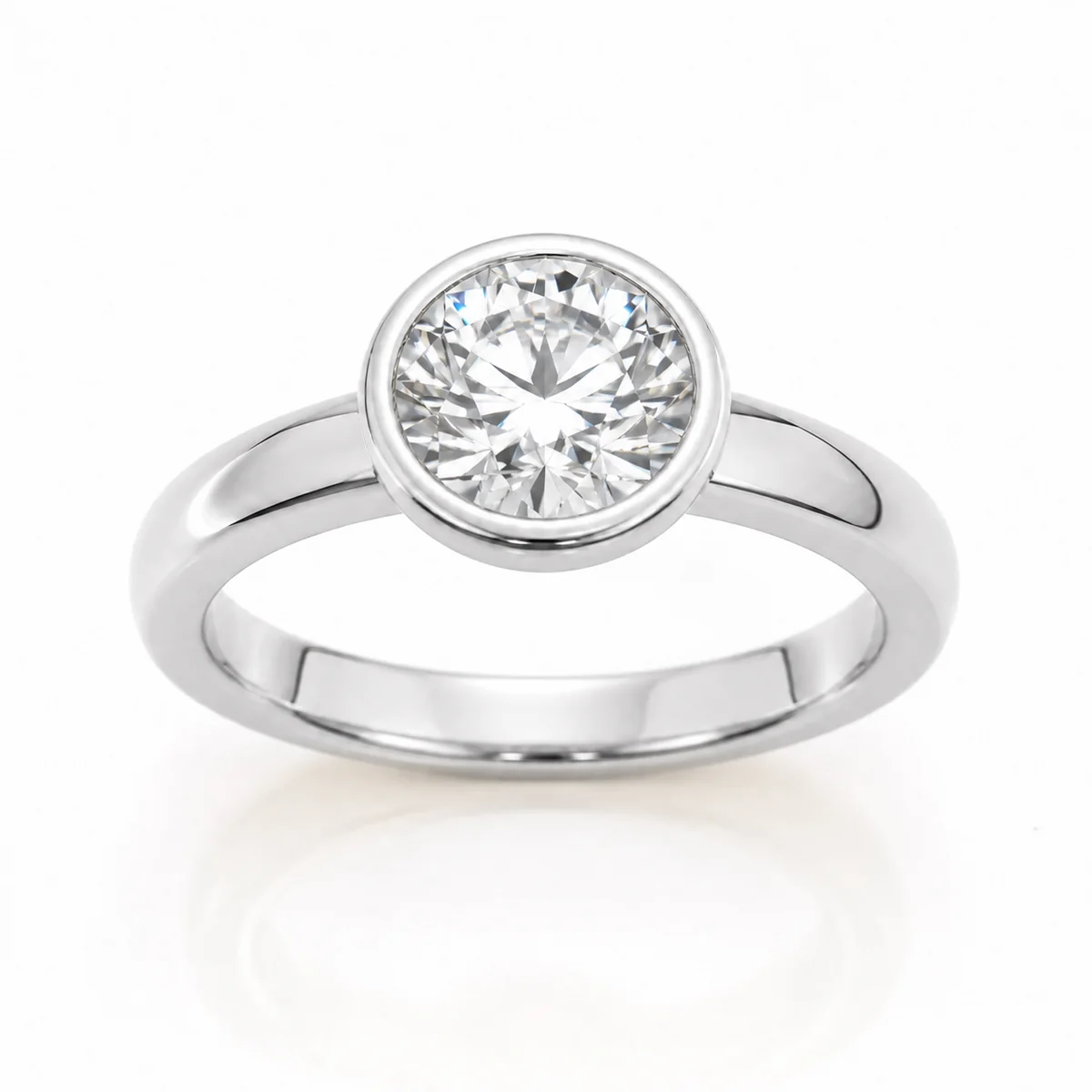
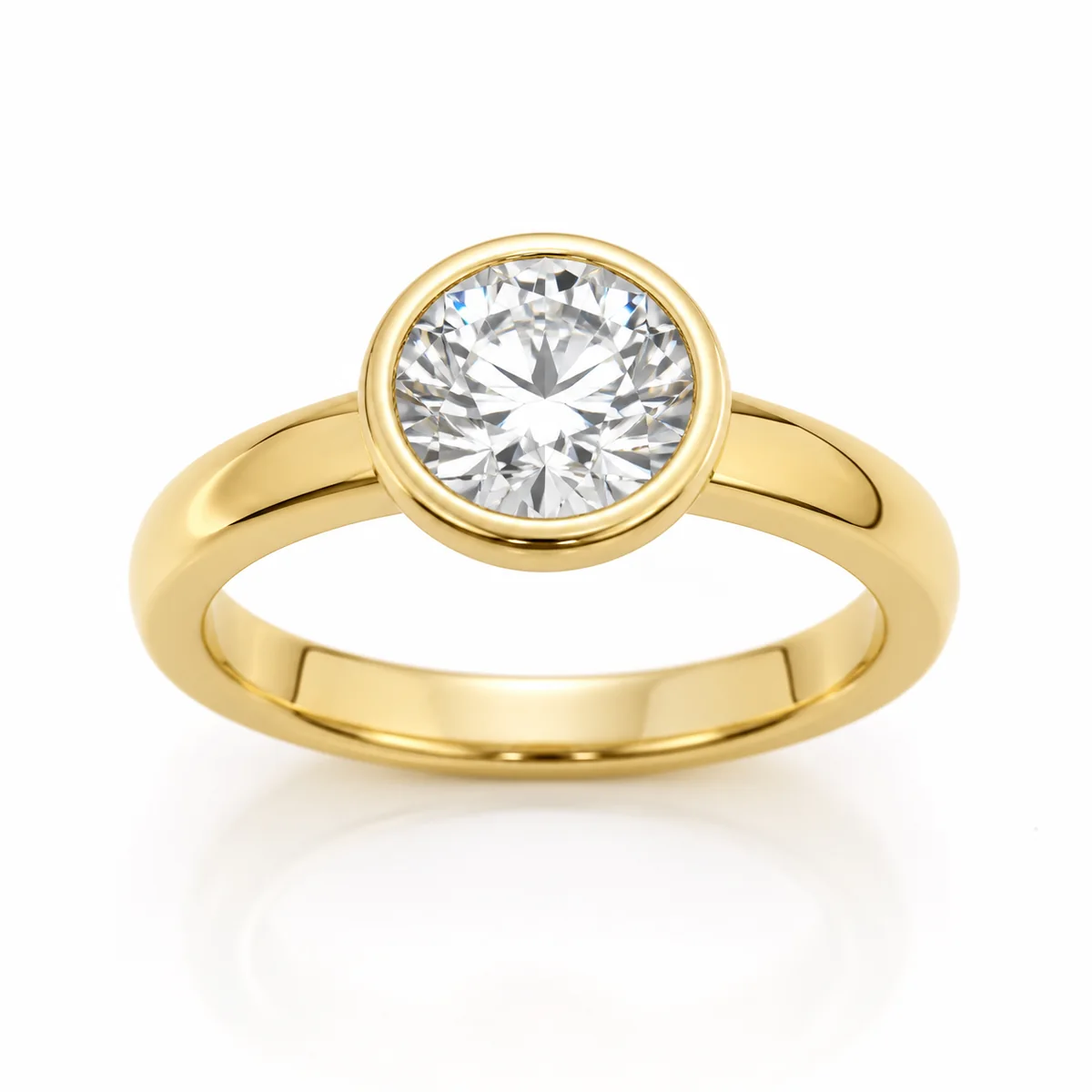
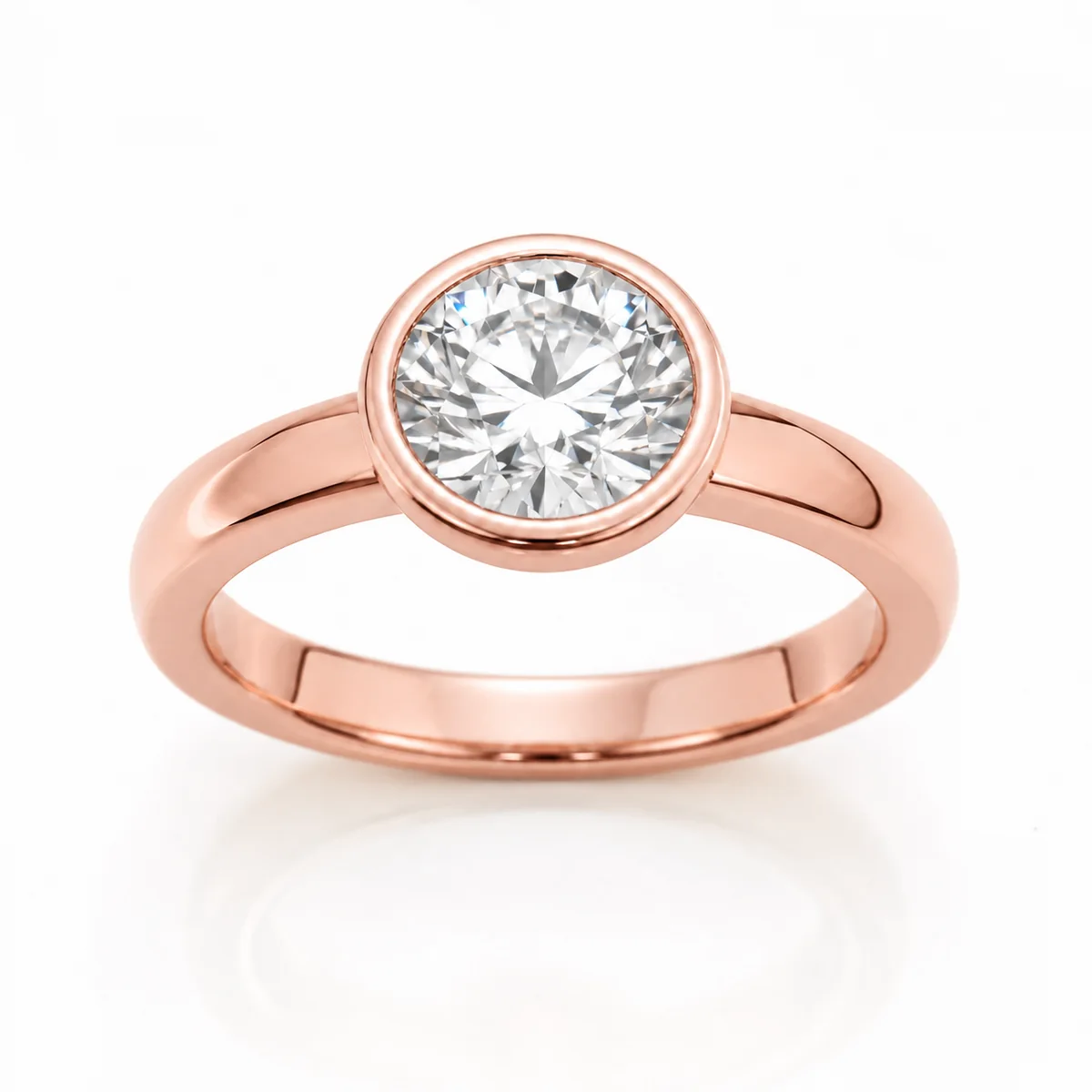 Bezel solitaireA rim of metal all the way round. Nothing catches.
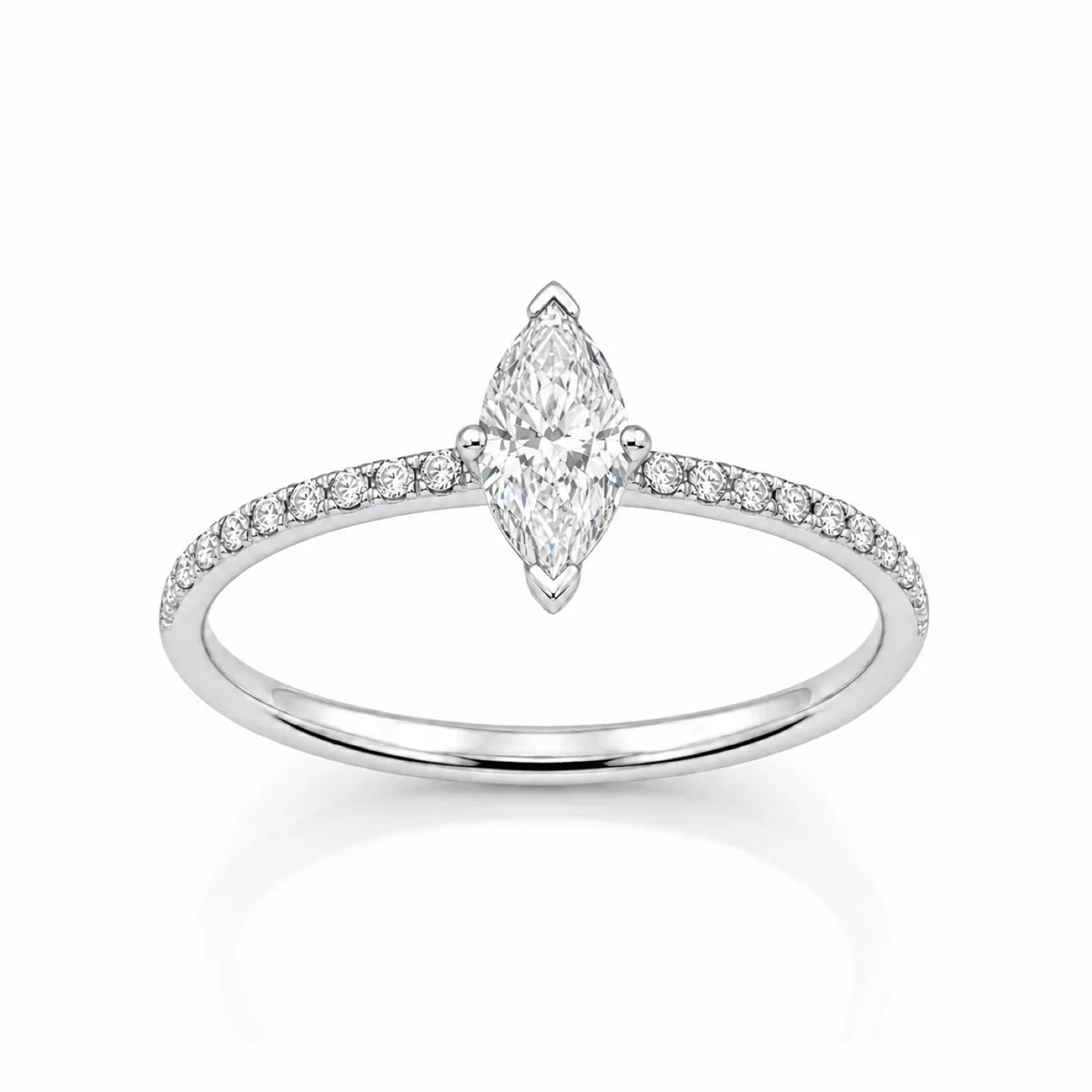
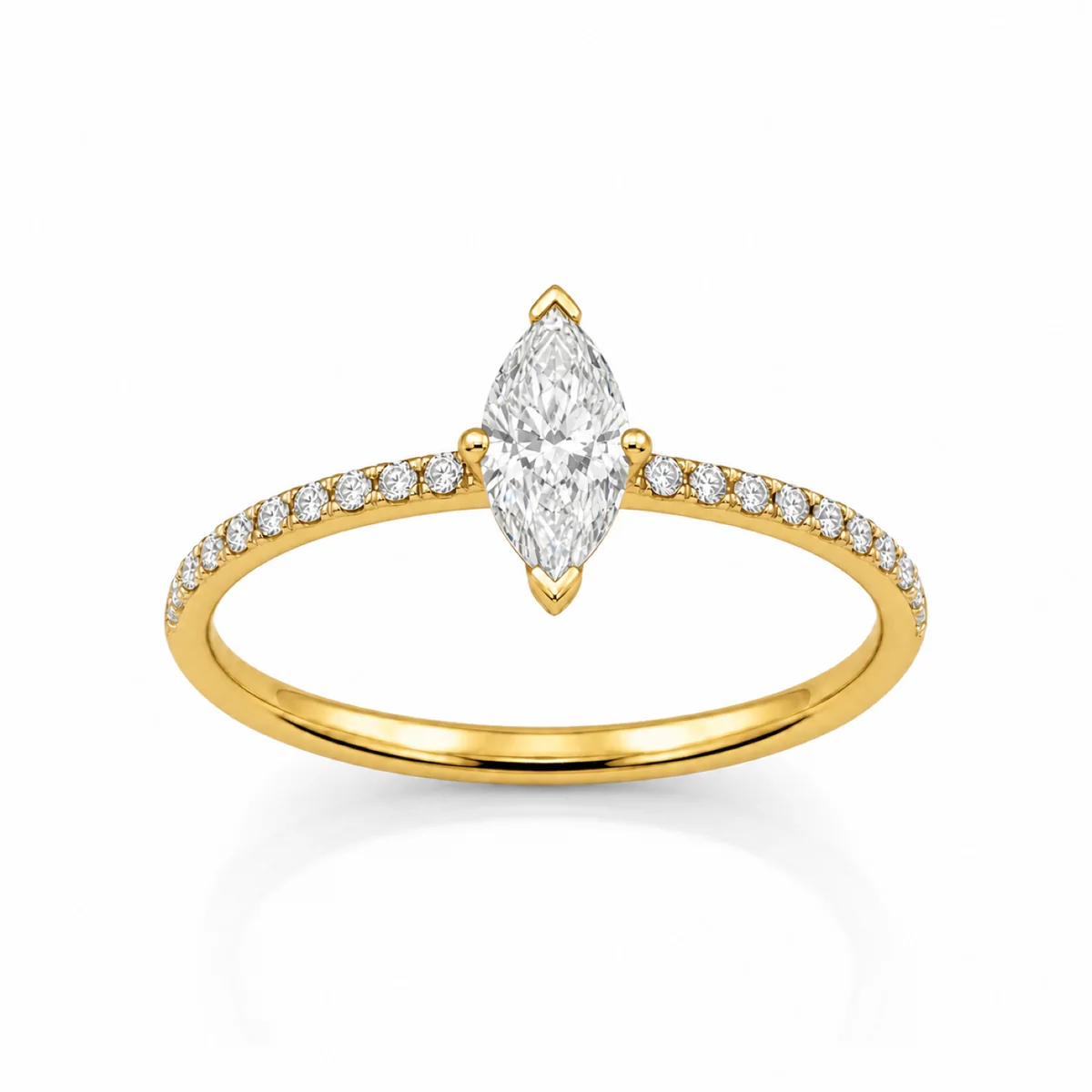
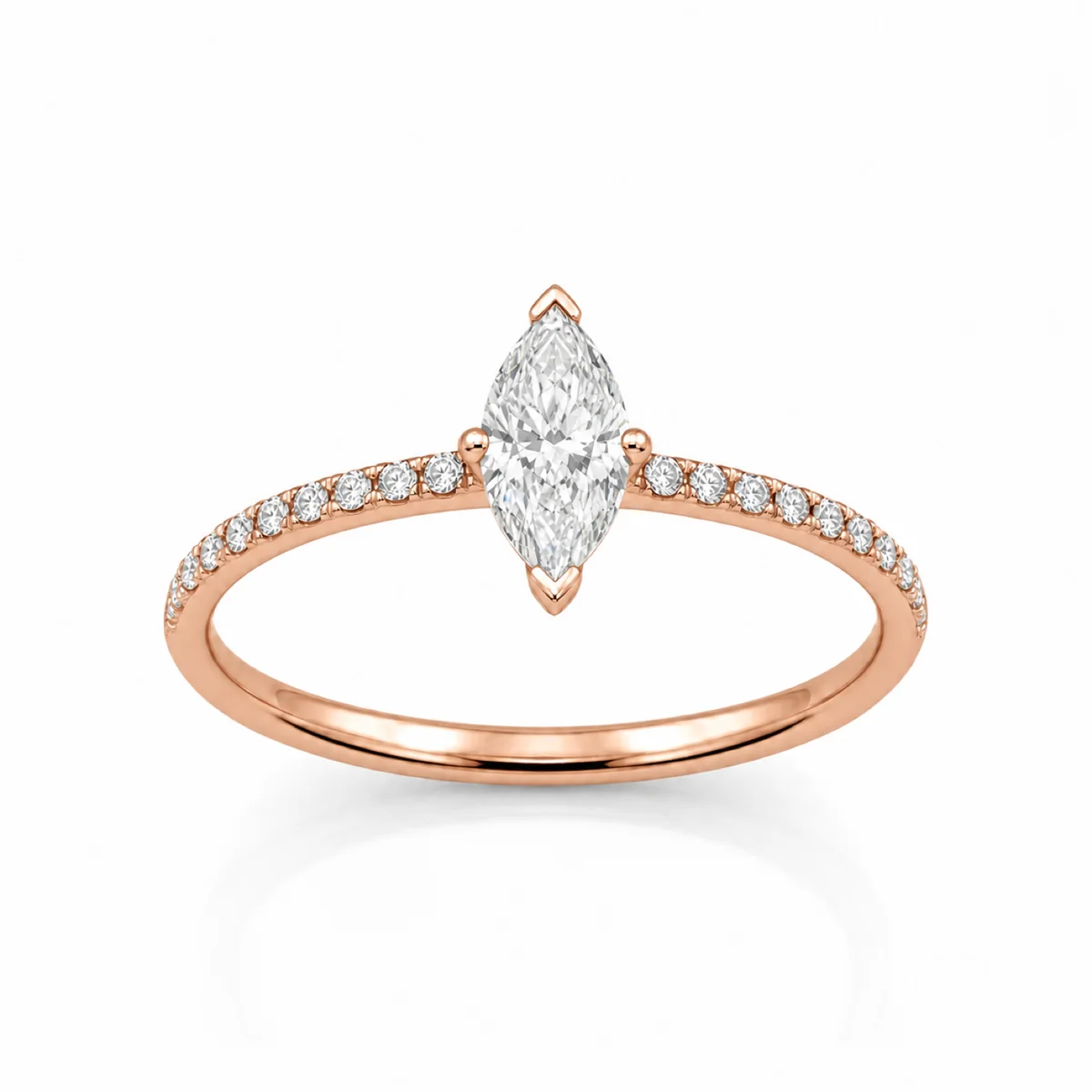 Marquise on pavéA pointed stone on a diamond-lined band.
These are examples, not a catalogue
We are a working bench, so we can make essentially anything: a design off this page, one of these changed, a piece you have seen elsewhere, a drawing, a photograph, or an heirloom reset into something new. Bring the idea in whatever form you have it and we will tell you what it takes and what it costs, before any work starts.
Message Prodiam on WhatsAppor send it through the contact page
Renders are illustrations of a design, not photographs of a piece in stock. The stones in the pictures are stand-ins; yours is the one you choose, certified, with its own report.
What yellow gold actually is
Yellow gold is pure gold alloyed with warmer metals to hold its colour while making it hard enough to wear every day. The grade we cast for engagement rings is 18k, which is 75 per cent pure gold by weight, with the remaining quarter made up mostly of copper and silver. The exact balance of those two sets how warm or deep the yellow reads.
That alloy matters, because pure 24k gold, while gloriously rich in colour, is far too soft to hold a diamond securely in a ring worn daily; the copper and silver give the band its strength. We build engagement rings to 18k rather than a lower-karat, higher-alloy mix because it keeps a fuller, warmer colour and is recognised, here and internationally, as a premium fine-jewellery standard.
Unlike white gold, yellow gold wears as its own colour, with no plating over the top. There is no rhodium layer to apply or renew: the shade you see is the metal itself, all the way through. That is worth knowing up front, because it is the single biggest practical difference between yellow and white gold, and we come back to it below. Prodiam casts in 18k yellow gold and works rose gold, white gold and platinum on the same Bedfordview bench, so you can compare a stone against each.
Why a warm metal can flatter your diamond, and your budget
The metal a diamond sits in changes how its colour reads, and this is where yellow gold does something a white metal cannot. A cool white setting suits a colourless to near-colourless stone and lets it read icy and bright. A warm yellow setting, by contrast, flatters a stone that carries a faint tint.
A diamond a few grades down the GIA colour scale, an I, a J, or lower, can look very slightly warm against a stark white setting. Place that same stone in yellow gold and the warmth of the metal makes the hint of colour look deliberate and harmonious, so the diamond reads white-enough and completely at home rather than off-white.
That is not only an aesthetic point, it is a genuine value move. Colour is one of the grades you pay a premium for as you climb the scale, yet in a warm setting much of that premium becomes invisible. Choosing yellow gold can let you buy a lower, less expensive colour grade and redirect the saving into the cut or the carat, where it actually shows on the hand. We will show you your real stone against a warm and a white metal so the decision is made on what you can see, not on a chart.
Yellow gold versus white gold, the honest comparison
Yellow and white gold start from the same pure gold and the same 18k standard; what differs is the alloy, the finish and the upkeep. Neither is better in the absolute, and the right answer depends on the look you want and the stone you are setting. The table lays out where they part ways.
| 18k yellow gold | 18k white gold | |
|---|---|---|
| Colour | Warm, classic yellow; the natural colour of the alloy | Cool, bright white; achieved with a rhodium plate over a faintly warm alloy |
| Plating & upkeep | None needed; occasional clean and polish only | Rhodium re-plating every few years to stay at its whitest |
| Suits which diamond | Forgiving on colour; flatters high and faintly tinted stones alike | Best behind a colourless to near-colourless stone |
| Character | Vintage, timeless, currently very much in fashion again | Modern, icy, high-contrast |
| Wear | Hard-wearing 18k alloy; develops a soft lived-in lustre | Hard surface; plating thins with wear |
In short: yellow gold gives you a warm, classic look with no re-plating and a forgiving attitude to diamond colour; white gold gives you a bright, icy look that suits a high-colour stone, with periodic re-plating as the trade-off. The same GIA-certified centre diamond can go into either, made to order on our bench.
Caring for a yellow gold engagement ring
Yellow gold is refreshingly low-maintenance, precisely because there is no plating involved. It will not develop a warm cast over time the way white gold does, because its colour is not a surface layer; it is the metal itself. What an 18k yellow gold ring asks for is only the light care any fine ring appreciates.
A gentle clean at home in warm water with a drop of mild detergent and a soft brush lifts the everyday film that dulls a diamond, and an occasional professional polish removes the fine surface scratches that any daily-worn ring picks up and returns the gold to a bright finish. Over years of wear, many people come to love the soft, slightly satin lustre that a yellow gold band naturally develops.
The one thing worth doing on schedule has nothing to do with the metal and everything to do with the stone: have the claws holding your diamond checked every year or two. We handle polishing, resizing and claw checks on our own bench through our resizing and repair service, so the ring stays cared for by the people who made it.
Settings that suit yellow gold
Yellow gold has a particular affinity with classic, vintage and warm designs, and its rich tone frames a single bright diamond beautifully. These are the styles we are asked for most in yellow gold.
- Solitaire, the centre diamond alone, where a warm band gives a timeless, heirloom feel and a bright stone pops against the gold. The classic solitaire engagement ring is as at home in yellow gold as in white.
- Vintage and antique-inspired, milgrain edges, engraving and detailed galleries, which yellow gold suits more naturally than any other metal, echoing the rings of earlier eras.
- Three-stone, a centre flanked by two side diamonds. Against yellow gold the three stones read warm and unified, with the gold carrying the design between them.
- Bezel and half-bezel, where a rim of gold wraps the stone. Yellow gold makes a bold, modern bezel that protects the diamond and suits an active hand.
Whatever the setting, the shape of the centre stone is the other half of the decision. Yellow gold suits every cut, and pairs especially handsomely with warm-friendly shapes like the cushion, oval and old-style cuts; compare them on the diamond shapes page, and remember that cut quality governs how alive the stone looks far more than the metal around it.
How a yellow gold ring is made to order
- 01
Brief
Tell us you want yellow gold, then the centre-stone shape and carat, the colour and clarity you have in mind, the setting style, the finger size, your budget and your deadline. The colour decision is the one we will press you on, because in a warm band you can sensibly drop a grade or two and spend the difference elsewhere. We reply within 24 hours, in person, by video or on WhatsApp.
- 02
Stone & quote
We cut or match the centre diamond on our Bedfordview bench to GIA Excellent cut grade and supply its GIA report. Then we quote one firm ZAR figure, including VAT, covering the stone, the 18k yellow gold the design uses and the make, before any work begins. This is the step where the metal pays you back: because yellow gold disguises a faint tint, a lower colour grade that costs less can be the smart buy, and we will show you exactly where that line sits for your stone.
- 03
Design & sign-off
The setting is drawn up, by CAD render where it helps you picture it, and adjusted until it is right. Any side or accent diamonds are calibrated on the bench so they sit true against the centre stone and the warm gold carries cleanly between them.
- 04
Cast, set & finish
The ring is cast in 18k yellow gold, the diamond is set at the bench, and the piece is hand-polished to a bright finish, then checked under loupe and microscope. There is no plating stage and never will be: the colour you approve is the colour of the metal, final from the cast, with nothing to wear off later.
- 05
Hand-over
Presentation at the Bedfordview studio by appointment, or insured overnight courier nationwide via Brink’s or G4S. GIA or EGL certification are included, and a written insurance valuation is available on request.
Still torn between the metals, or drawn to the warmer pink alternative? Yellow gold is one path through our wider engagement ring guide, which sets out every shape, setting and step in one place, and it sits next to rose gold and the rest of our diamond ring work. For a commission worked up from a blank page, see how the custom engagement-ring process runs end to end.
When you are ready, tell us what the ring is for and Darren will come back within 24 hours.
How a yellow gold engagement ring is priced in South Africa
A yellow gold engagement ring has no shelf price, because it is built around a diamond and the diamond, not the metal, drives most of the cost. Two parts make up the figure: the centre stone, and the gold-and-making that surrounds it.
For the diamond, the trade works off the Rapaport list, the international wholesale benchmark quoted in US dollars per carat for every colour-and-clarity combination at each size. A real stone trades at a discount to that dollar list for its exact make, the rand-dollar rate of the day converts the figure into ZAR, and 15% VAT goes on top. Two forces you do not control therefore move the number, the dollar list and the exchange rate, and you can see how the rand has moved diamond prices since 2022 rather than take our word for it. The yellow gold is then priced on the metal weight the design actually uses, with the bench work added.
Because we cut the diamond ourselves, the importer-and-wholesaler markup is simply absent from your price: you pay a landed, Rapaport-referenced level for the same GIA-certified specification a retail counter would mark up. Yellow gold then has a second saving the white metals cannot offer, since it lets you choose a lower, cheaper colour grade without the eye reading it as off-white, which is why it is often the metal on which we build the best-value ring of the four. The only honest figure is one quoted against your exact stone and design, so we show fully-landed ZAR prices on real GIA-certified diamonds and then put your chosen ring in writing, firm, before any work begins.
Yellow gold engagement rings: common questions
Is yellow gold a good choice for an engagement ring?
Yes, and it is enjoying a strong revival after years in which white metals dominated. Yellow gold is the warm, classic metal most associated with fine jewellery through history, it suits a vintage or timeless design beautifully, and it has one practical advantage over white gold: because its warm colour is the natural colour of the alloy, it never needs rhodium re-plating.
The 18k yellow gold we cast for engagement rings is a hard-wearing alloy well suited to daily wear. The one thing to weigh is the diamond: a warm setting reads best with a stone that either is high in colour or, just as usefully, carries a faint warm tint that the gold makes look deliberate.
We make engagement rings in yellow, rose, white gold and platinum on the same Bedfordview bench, and will show you the stone against each before you choose.
What is 18k yellow gold actually made of?
Yellow gold is pure gold alloyed with warmer metals to keep its colour while making it hard enough for daily wear. At 18k, the standard we cast for engagement rings, the metal is 75 per cent pure gold by weight, with the remaining quarter made up mostly of copper and silver, the balance of those two setting the exact warmth of the yellow.
Pure 24k gold is rich and deeply yellow but far too soft to hold a diamond securely, so the alloy gives the band its strength while keeping a full, warm colour. Unlike white gold, yellow gold is worn as its own colour with no plating over the top, so the shade you see is the metal itself, all the way through.
We build to 18k rather than a lower-karat, higher-alloy mix because it holds a richer colour and is recognised as a premium fine-jewellery standard.
Does a yellow gold engagement ring need re-plating like white gold?
No, and this is one of yellow gold’s real advantages. White gold is plated with rhodium to reach its bright white finish, and that plating wears thin every few years and has to be re-applied. Yellow gold has no plating at all: its warm colour is the natural colour of the 18k alloy, so there is nothing to wear off and reveal a different shade underneath.
A yellow gold ring asks only for the occasional clean and polish to lift everyday dulling and fine surface scratches, the same light care any fine ring appreciates. Over many years the surface develops a soft, lived-in lustre that many people grow to love. If low upkeep matters to you, yellow gold and platinum are the two metals that never need re-plating, where white gold does.
Yellow gold or white gold for a diamond engagement ring?
It comes down to the look you want and, usefully, the colour grade of your diamond. White gold and platinum are cool and bright, and sit invisibly behind a colourless to near-colourless stone, roughly D to H on the GIA scale, so the diamond reads icy and modern.
Yellow gold is warm and classic, and it does two things a white metal cannot: it gives a vintage, timeless character, and it flatters a diamond that carries a faint tint. A stone a few grades down the colour scale, an I, J or lower, can look slightly warm against a white setting, but in yellow gold that same warmth reads as intentional and harmonious.
So a yellow setting is not only a style choice, it can be a genuine value move, letting you buy a lower, less expensive colour grade and have it look perfectly at home. We will show you your actual stone against both before you decide.
What colour diamond looks best in a yellow gold ring?
Yellow gold is the most forgiving metal on diamond colour, which is part of its appeal. A high-colour stone, D to H, looks crisp and clean in yellow gold and gives a bright, classic contrast against the warm band.
But the metal also opens up the near-colourless and faint range, roughly I through L and sometimes lower, because the warmth of the gold absorbs and disguises the faint tint that those grades carry, so the stone reads white-enough and intentional rather than off-white.
The practical upshot is that yellow gold lets you spend less on colour and put the saving into the cut or the carat, where it actually shows. We would talk you through exactly how low you can sensibly go for your design, and show you the stone in the setting before you commit, so the choice is made on the metal in front of you, not on a chart.
Can you make a yellow gold engagement ring if I am not in Johannesburg?
Yes, a large share of our engagement rings are commissioned remotely, across South Africa, as well as from South Africans abroad. The design and stone conversation happens by video and WhatsApp, you approve the centre diamond from its GIA report plus loupe photography and a live video viewing, and you sign off the design before the ring is cast in 18k yellow gold.
We quote a firm rand figure before any work begins, and the finished ring is delivered insured and overnight nationwide via Brink’s or G4S, with its GIA or EGL certificate included, and a written insurance valuation on request. If you are unsure of the finger size, we size it from a ring she already wears, so the proposal stays a surprise.
Last reviewed: June 2026.