
Platinum Engagement Rings · Bedfordview, Johannesburg
Platinum engagement rings, made to order in South Africa.
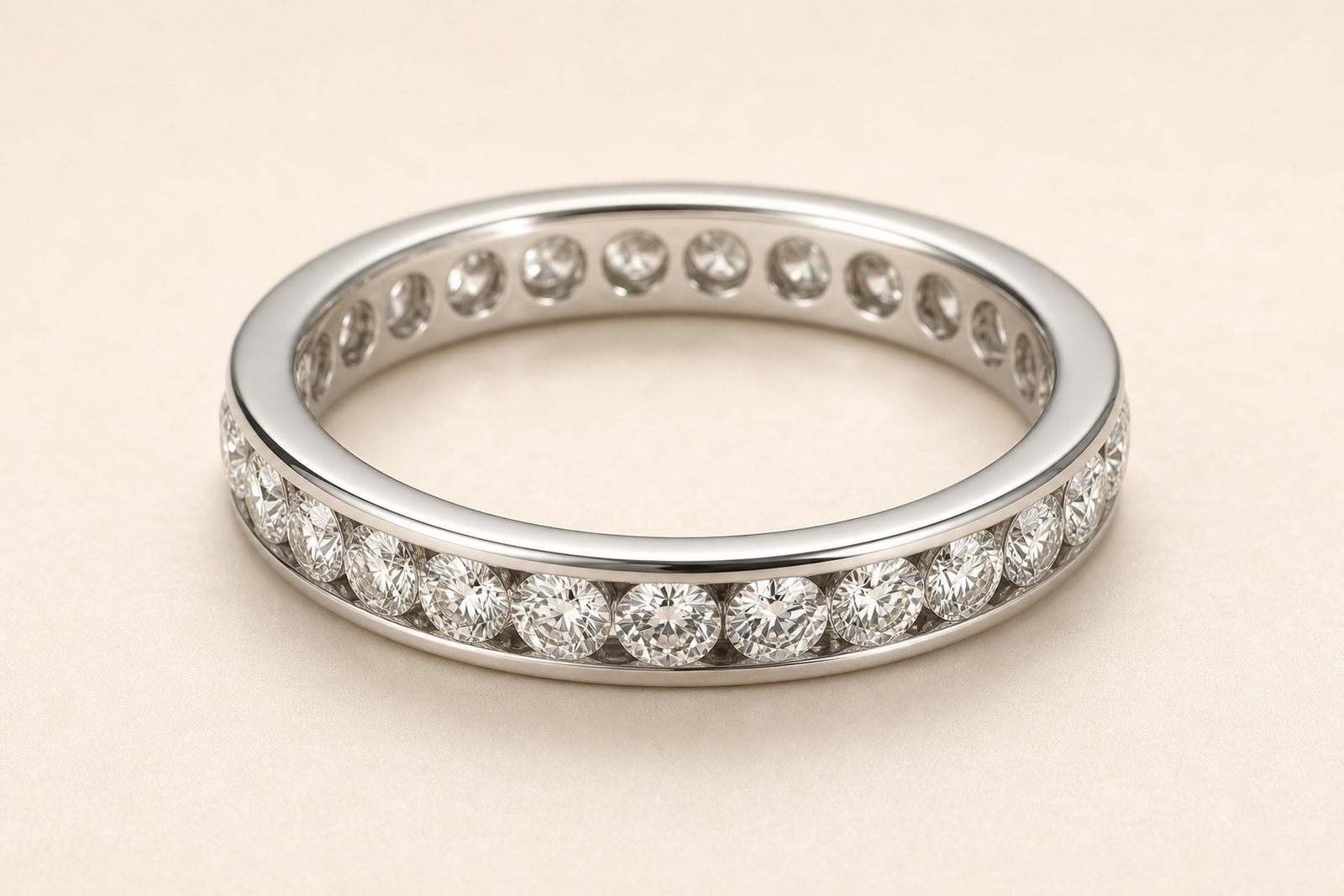
Platinum diamond engagement rings pair a naturally white 950 platinum setting with your chosen natural diamond. Compare solitaire, halo and three-stone designs, then commission your ring in Bedfordview with a complete VAT-inclusive quote.
Every Prodiam platinum ring is made to order in our Bedfordview workshop, around a certified centre diamond, some cut in our own cutting house and others sourced to order, to GIA Excellent cut grade, then set on our own bench and sold direct. Natural, GIA-certified diamonds, with insured delivery anywhere in South Africa.
Brief us on a platinum ring Get a firm ZAR diamond price →
-
Natural diamonds only
We sell natural diamonds and diamond-set jewellery. Ask us about the grading report and available origin documentation for your chosen stone. Why we don’t sell lab-grown →
-
Independent grading reports
The grading laboratory is shown per stone. Review its report and the individual diamond before choosing; sourced examples can include GIA, EGL and IGI.
-
Insured delivery, SA & worldwide
Overnight across South Africa via Brink’s, G4S or our nominated jewellery courier. Insured worldwide dispatch via Ferrari Group and FedEx Custom Critical.
-
14-day in-person exchange
In-person sales at the viewing room come with a 14-day exchange courtesy on stock pieces. Distance-sale CPA cooling-off applies.
Example settings · rendered design references
Engagement ring settings in platinum
Every setting from our bench shown in platinum, rendered as design references. Switch the dots to compare the same design in white, yellow or rose gold.
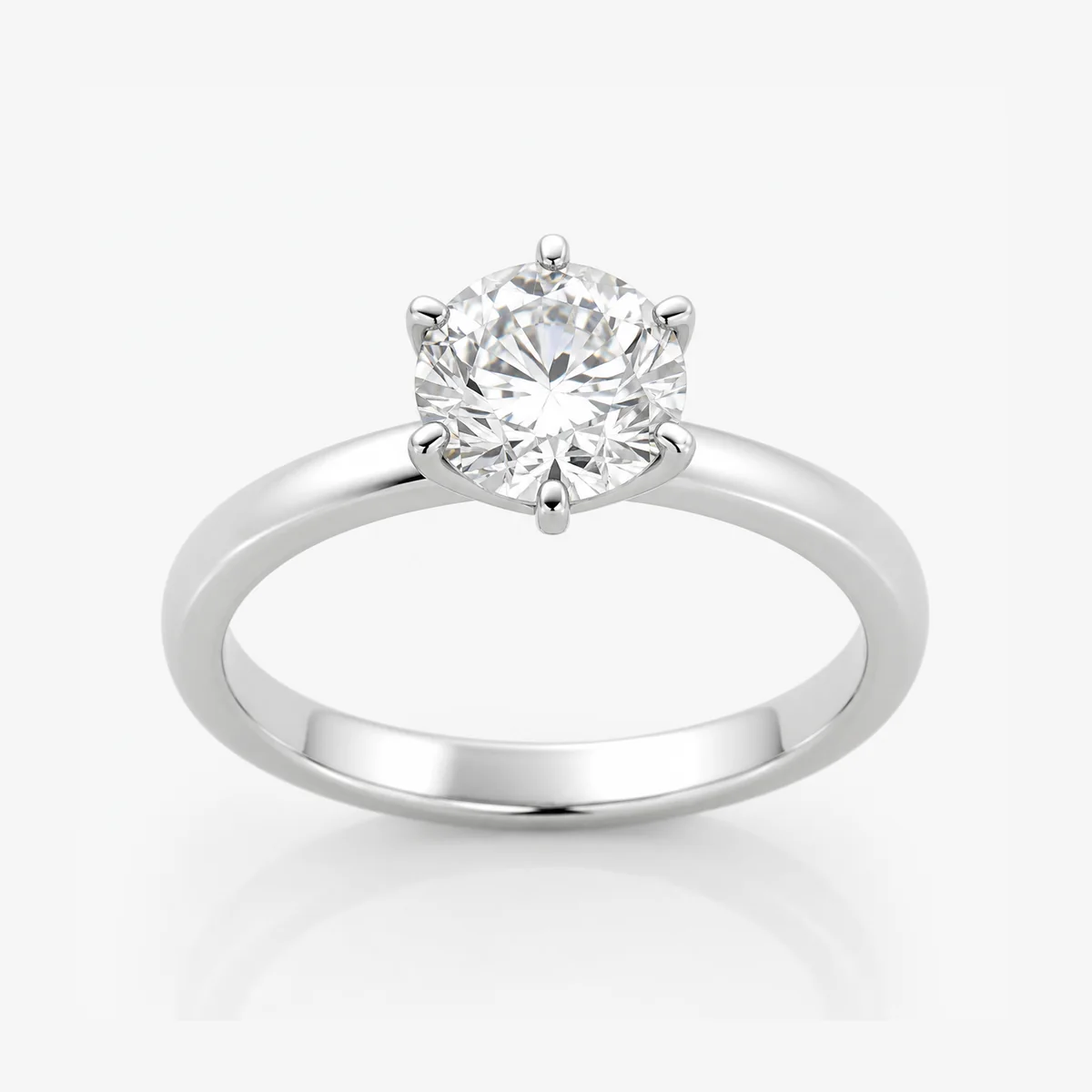
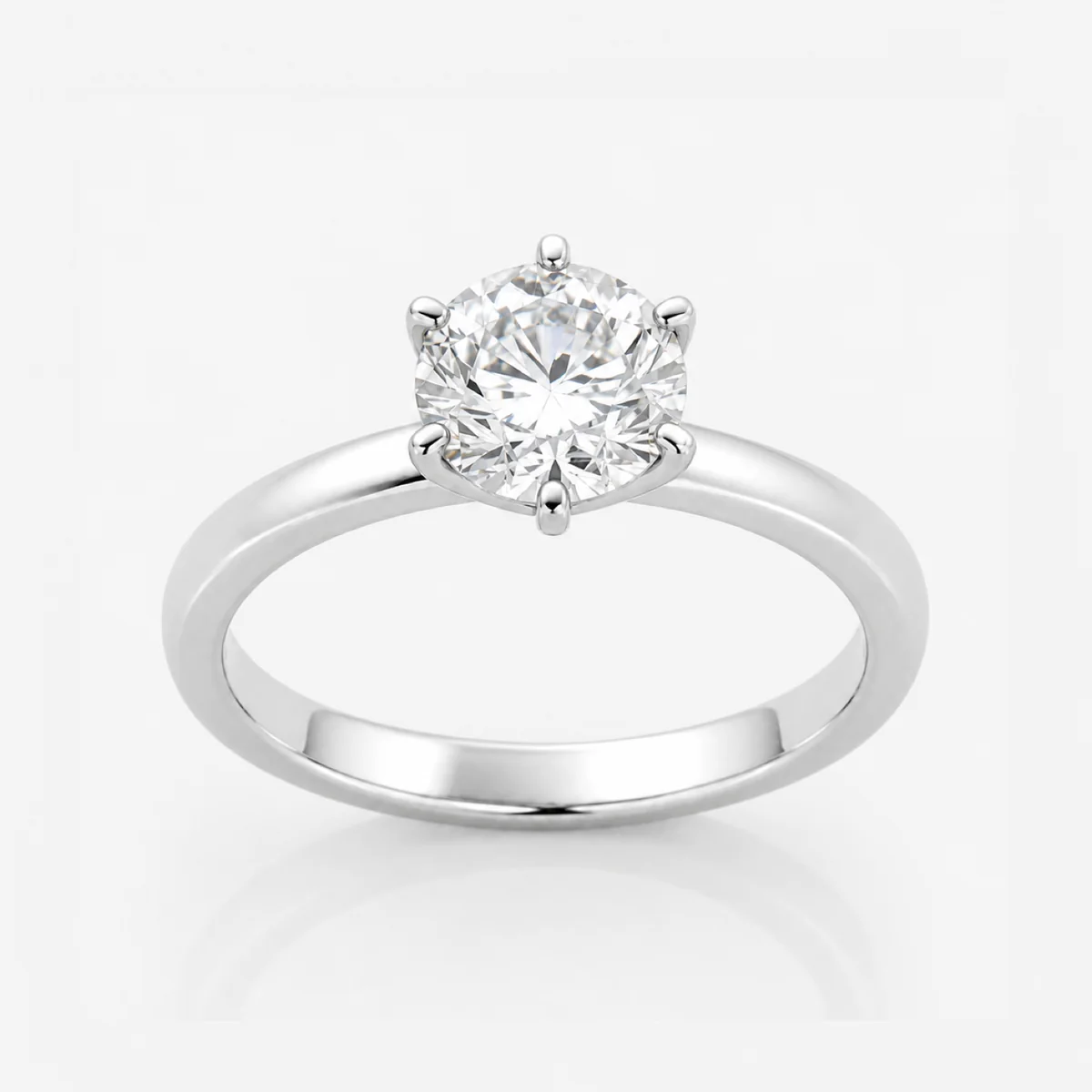
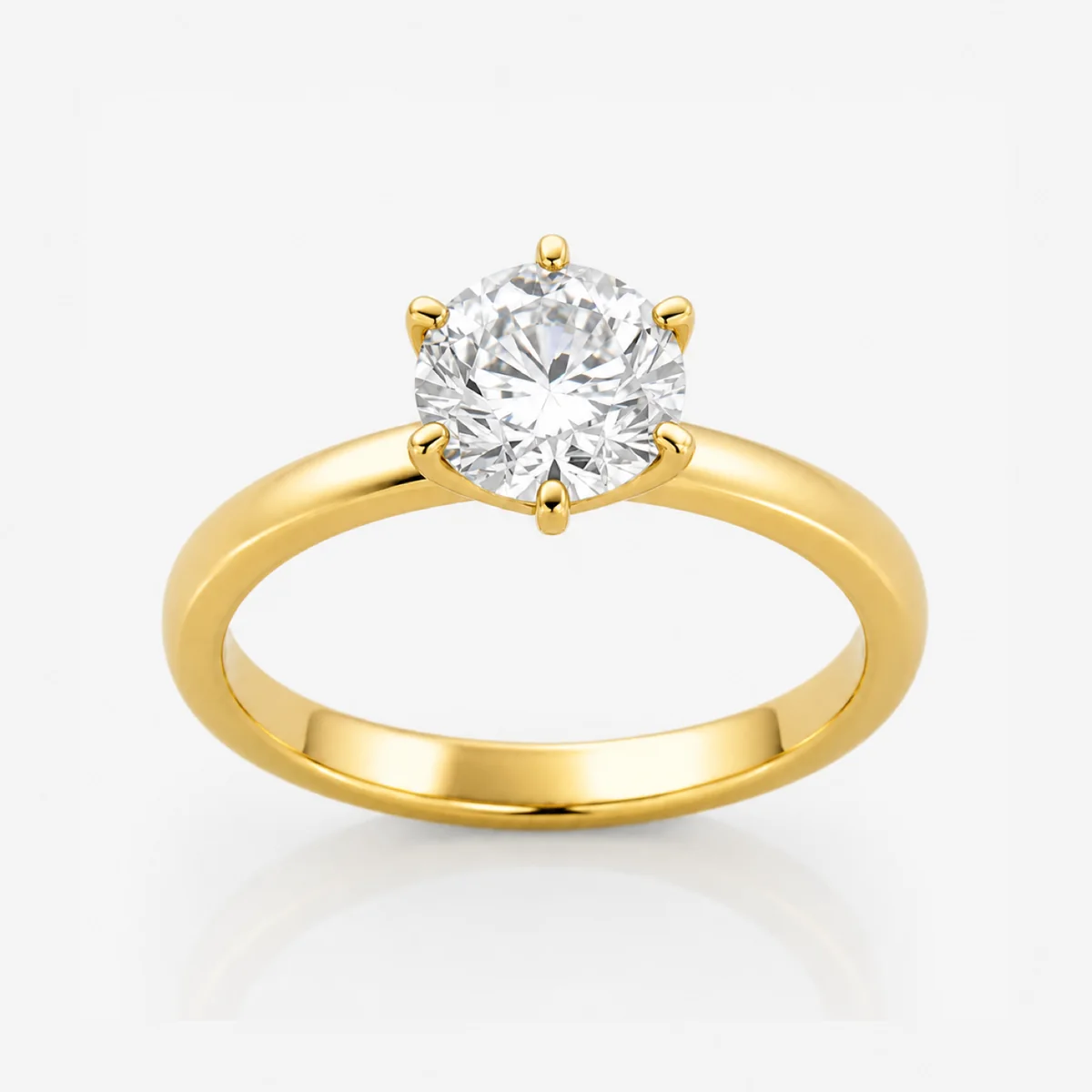
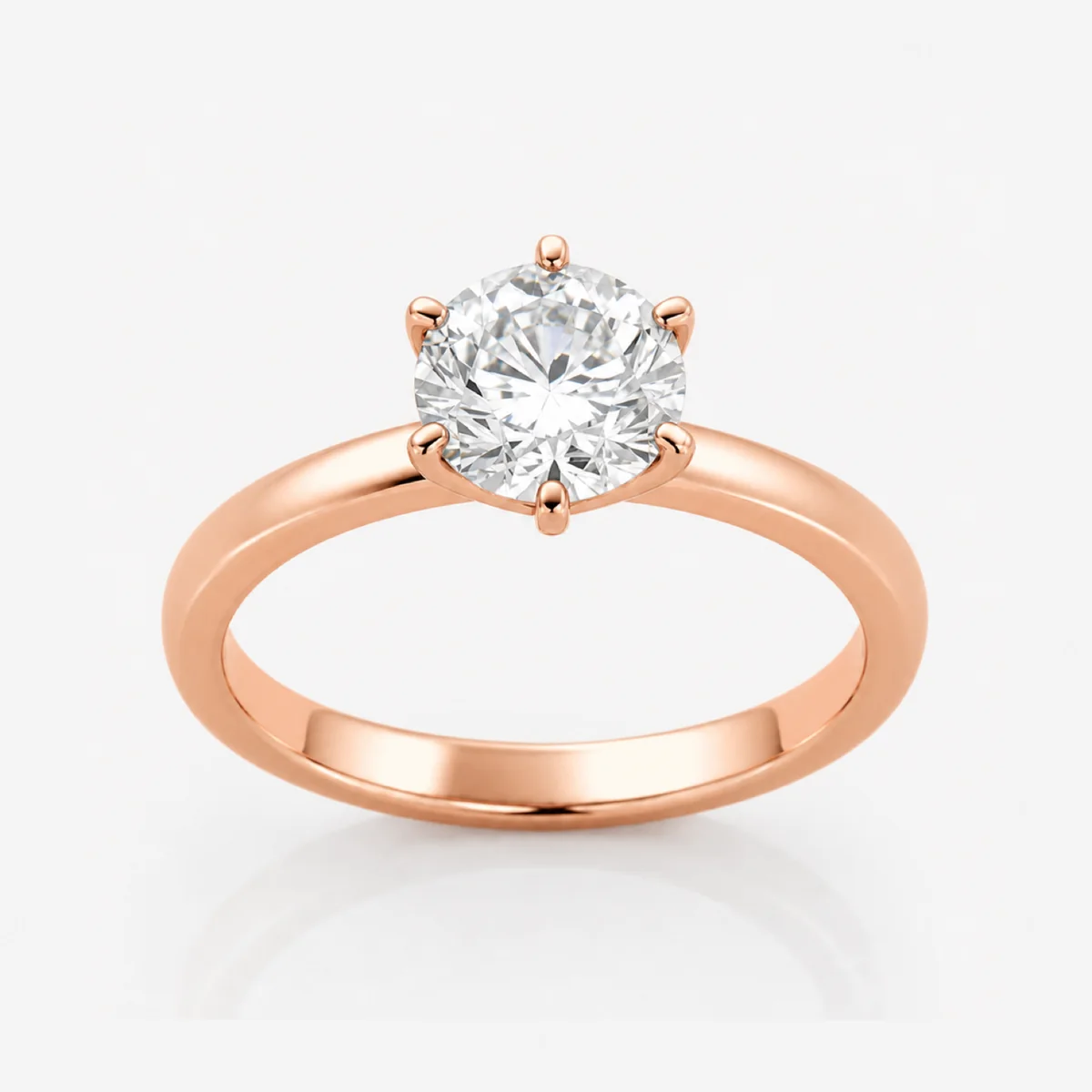 Six-claw solitaireThe classic. Nothing between you and the stone.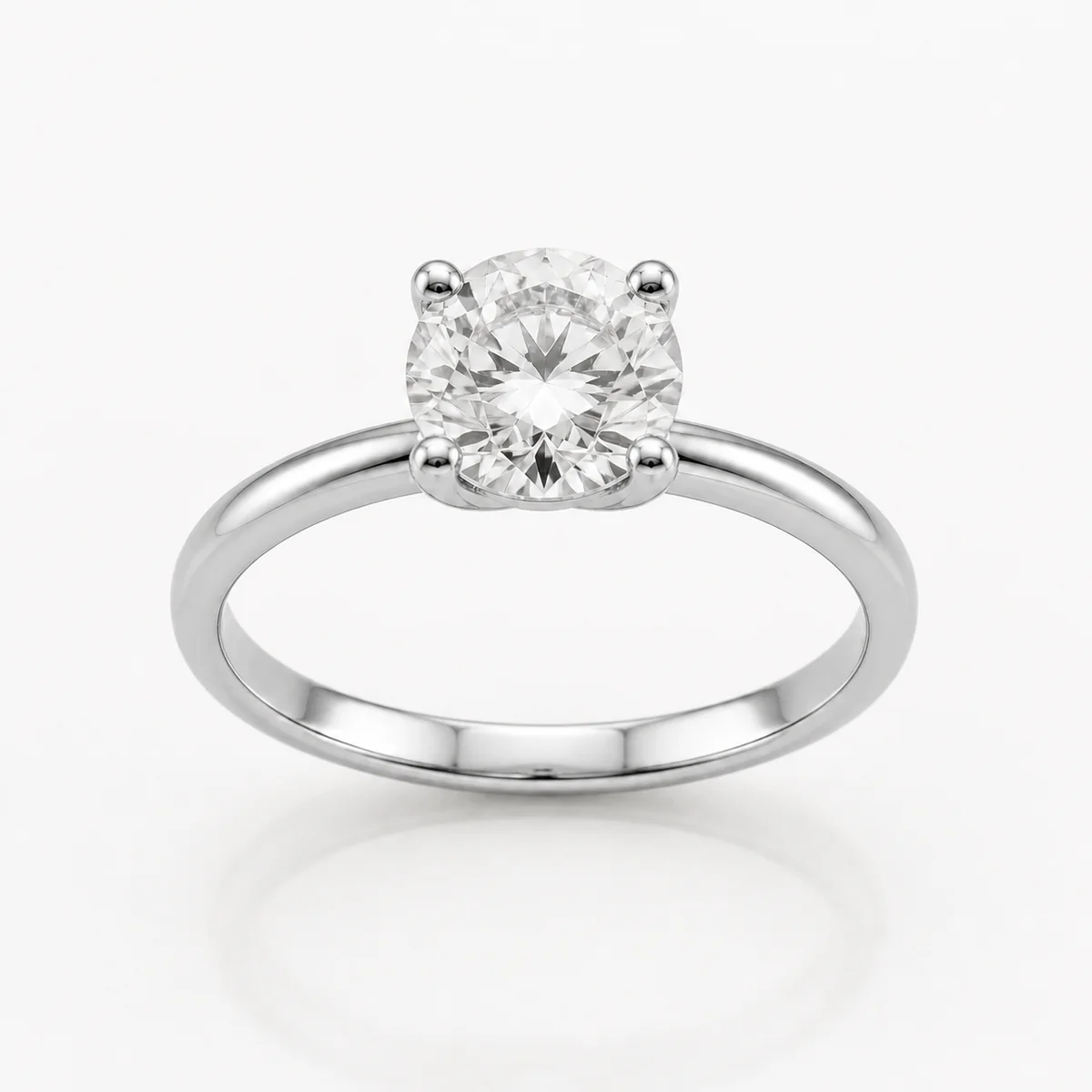
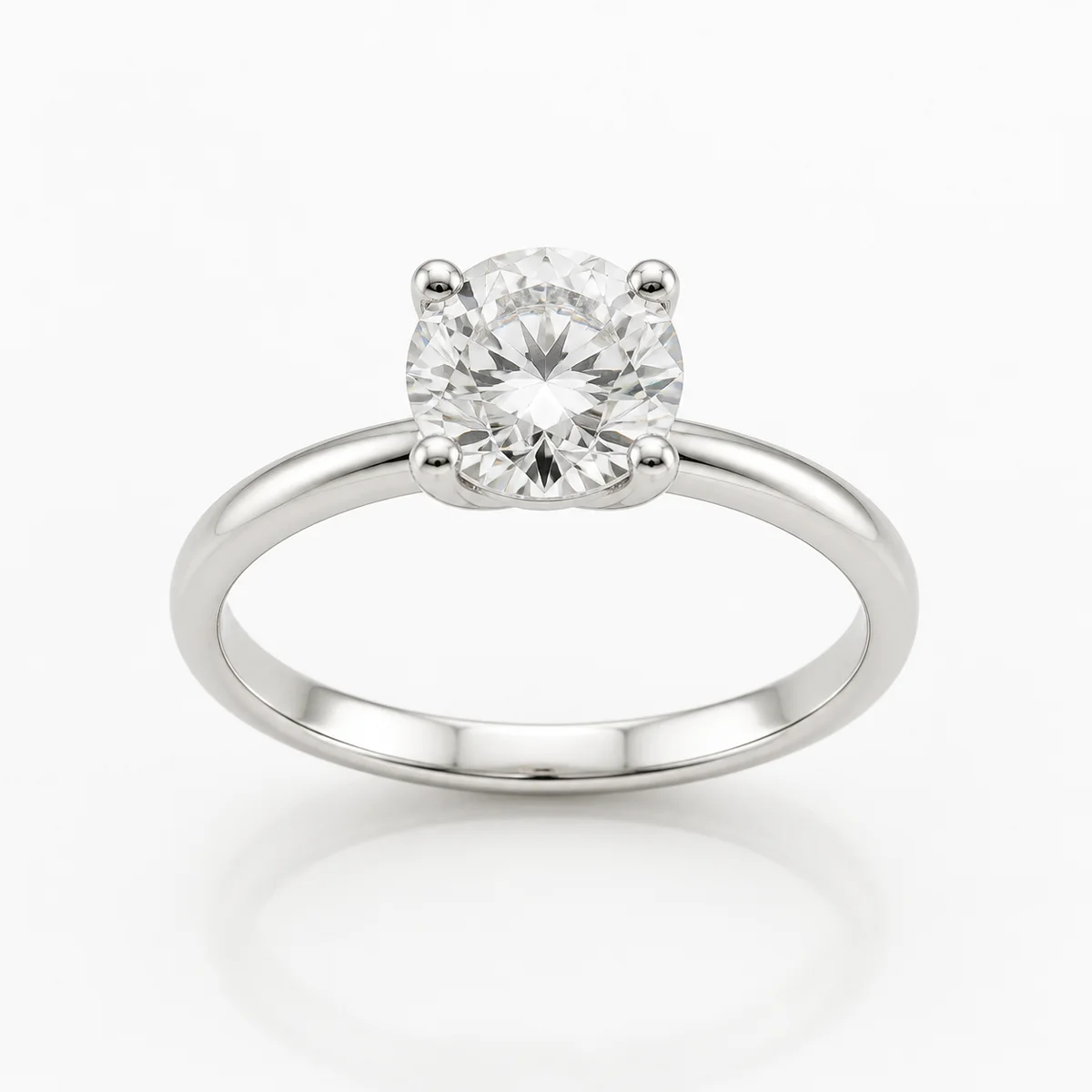
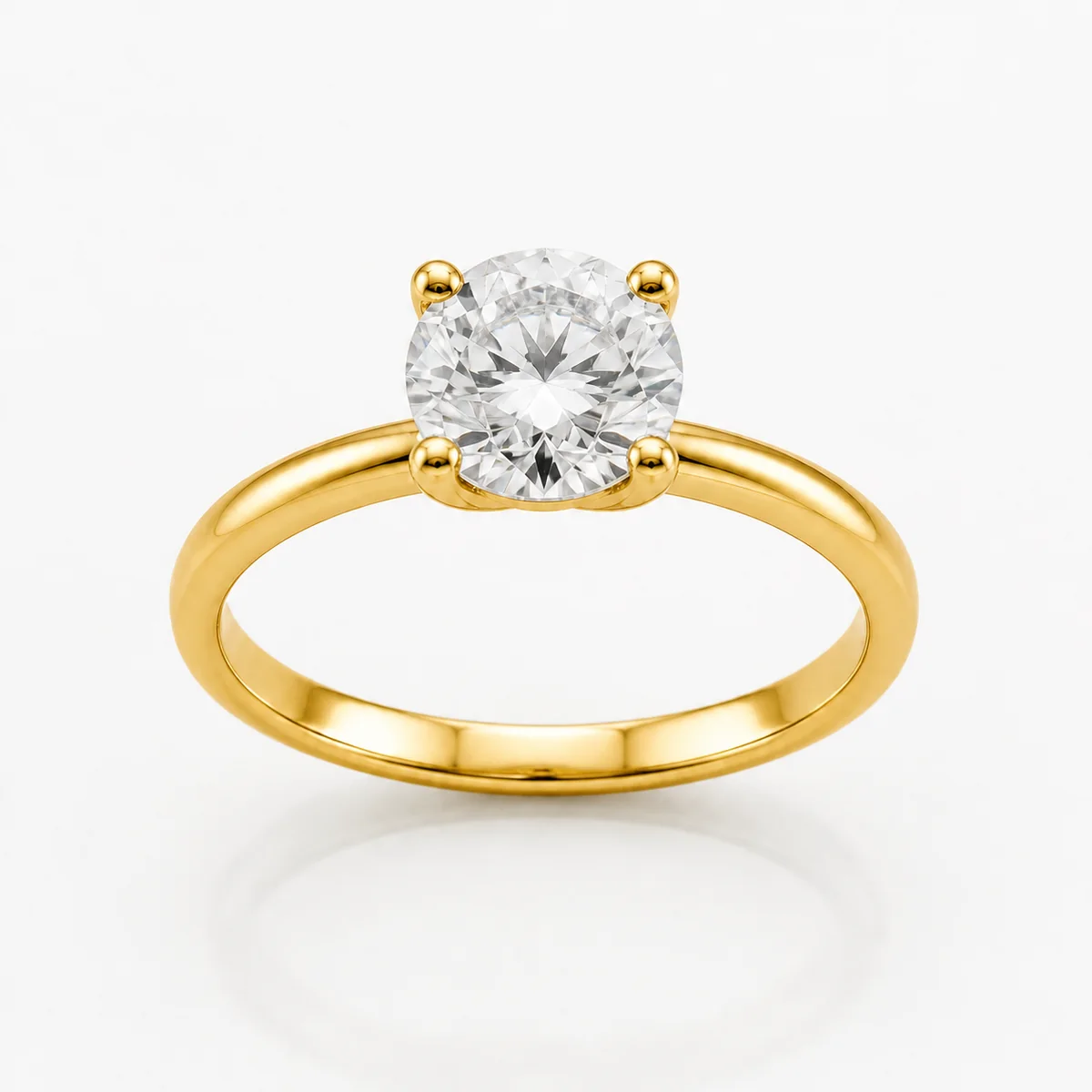
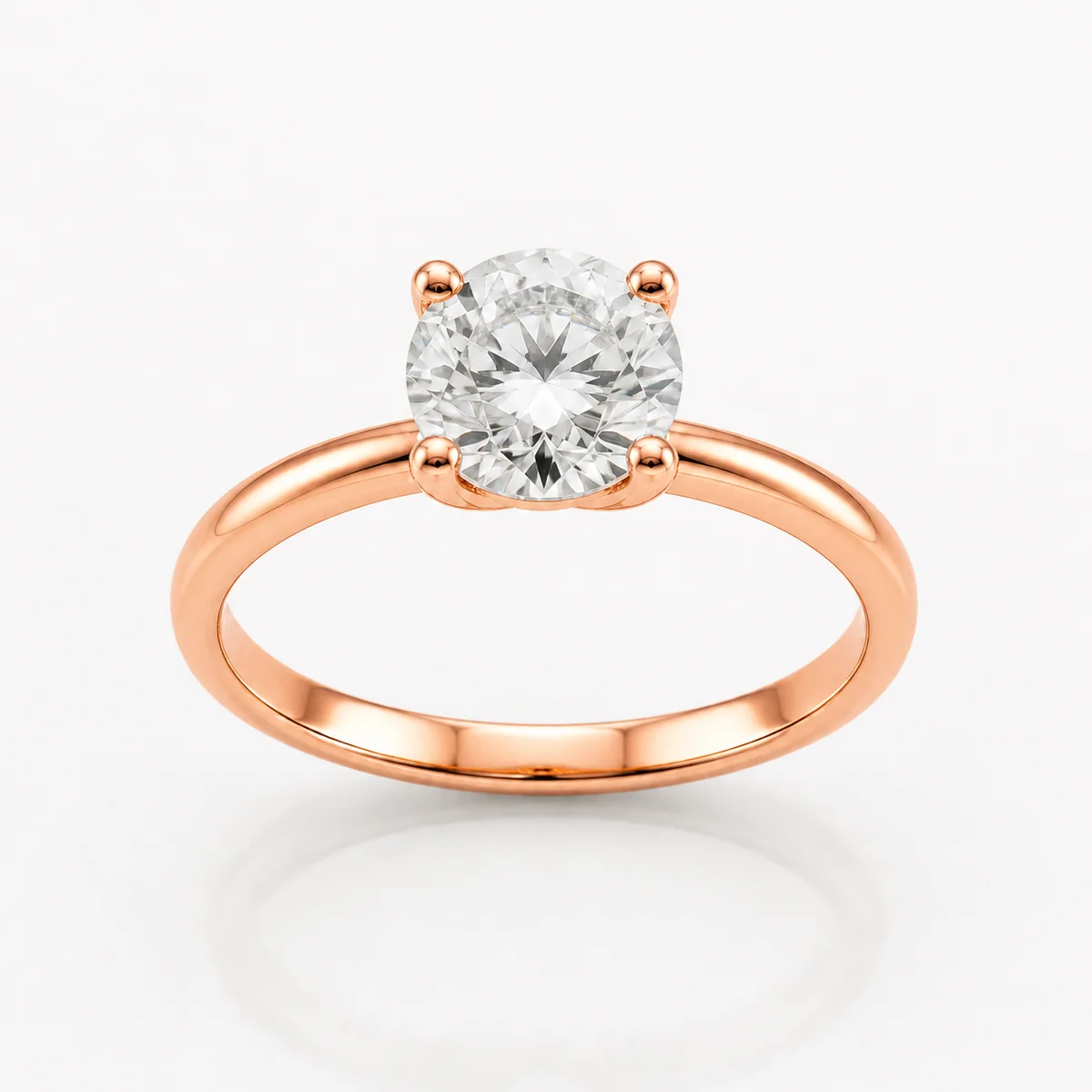 Four-claw solitaireLighter claws, more diamond on show.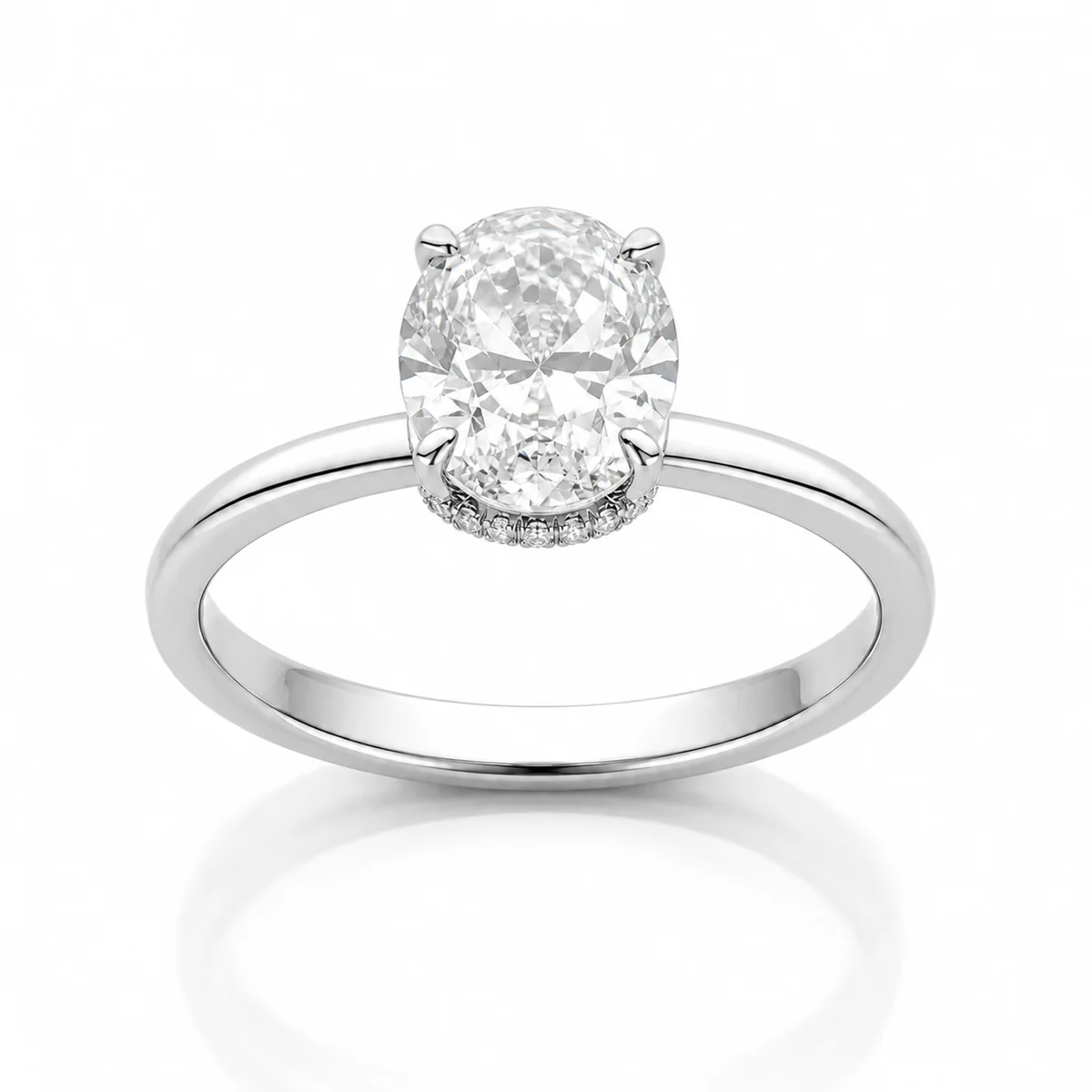
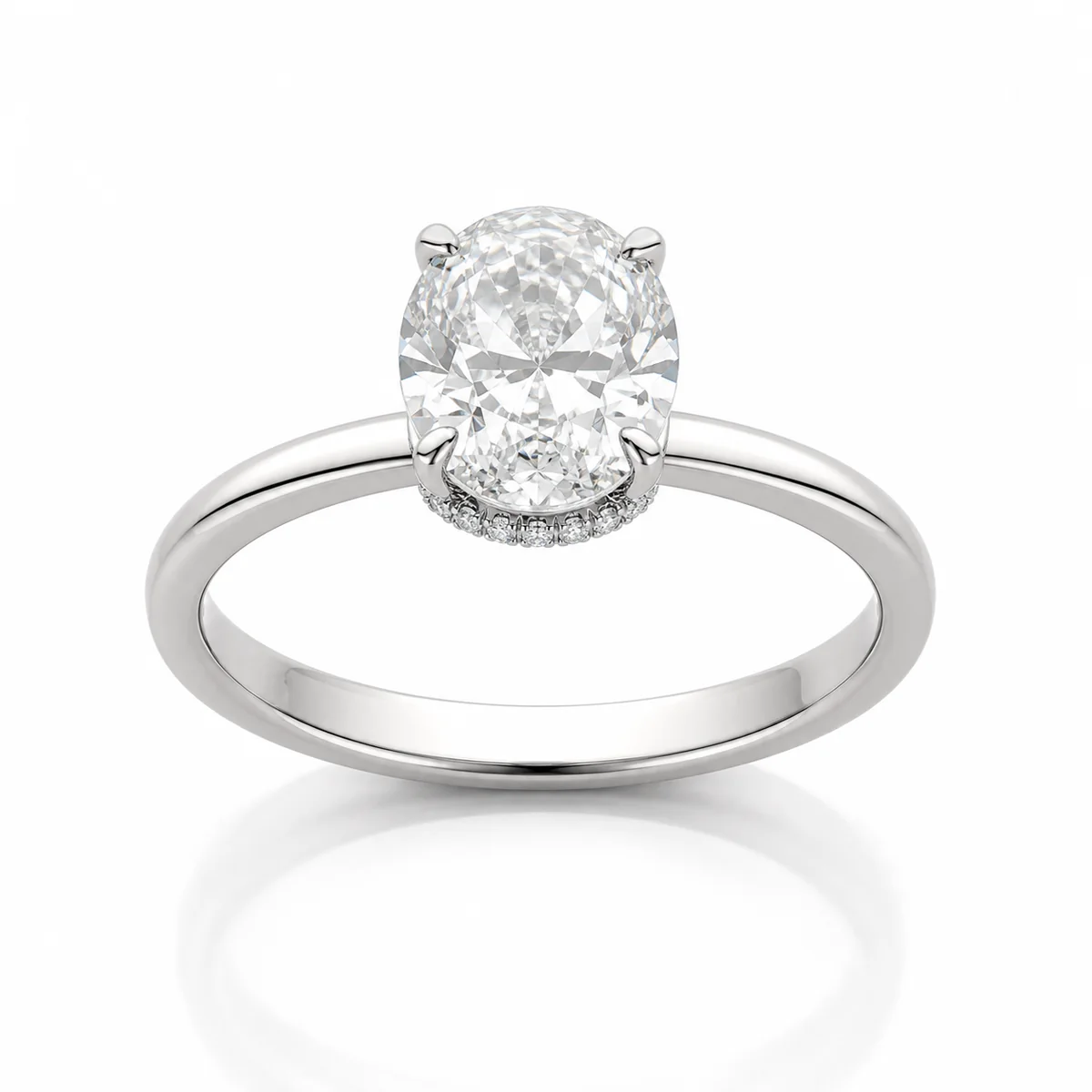
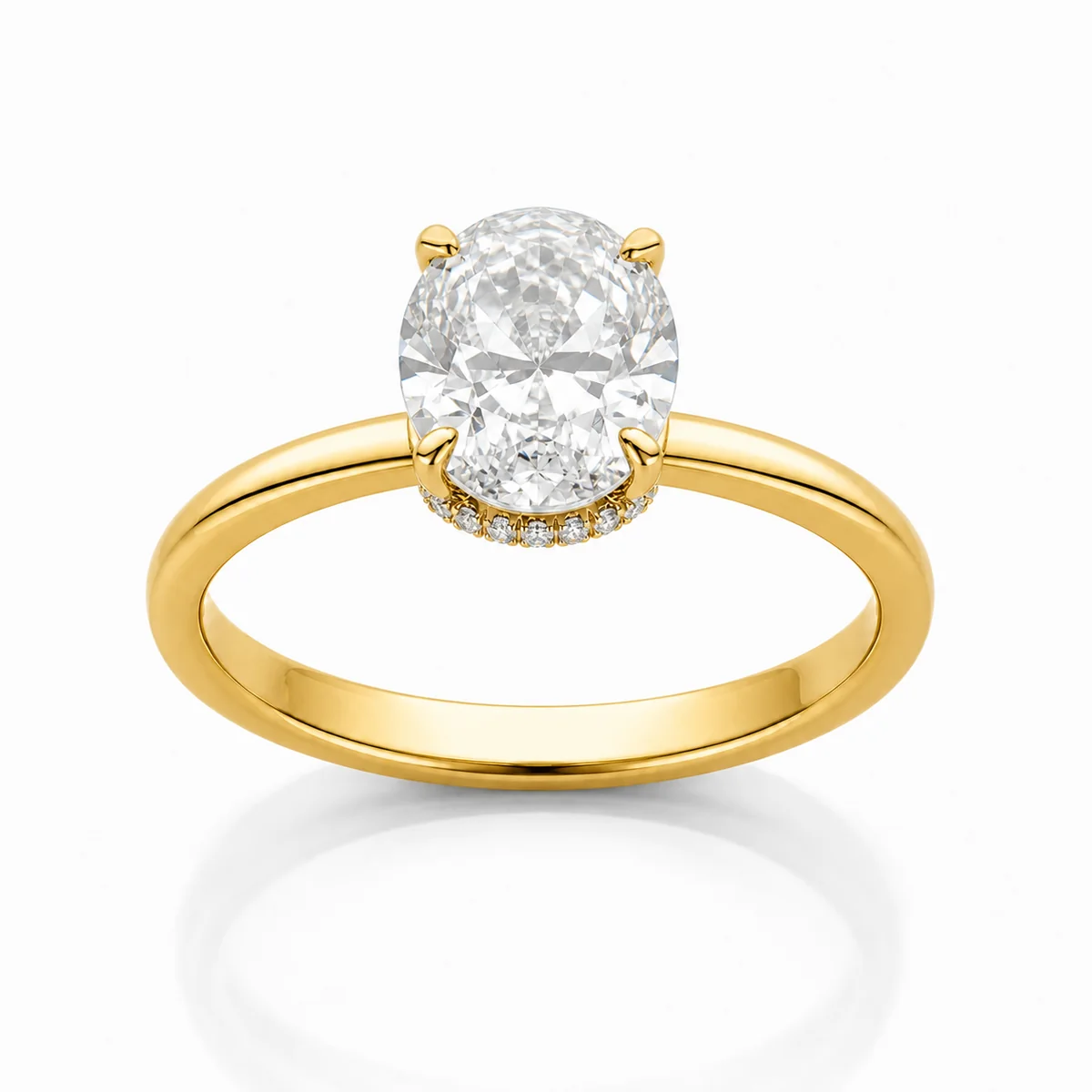
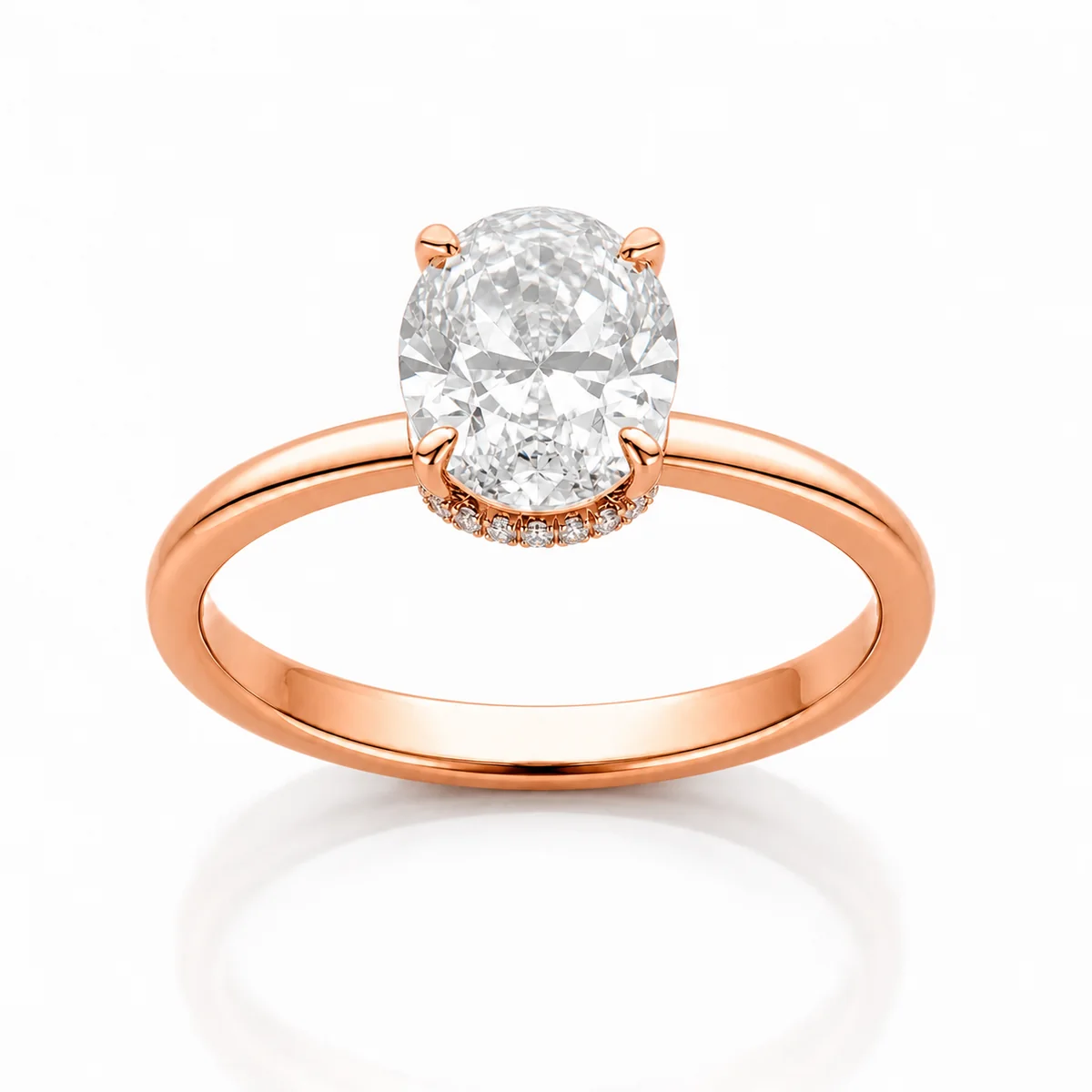 Oval, hidden haloA ring of tiny diamonds tucked under the stone.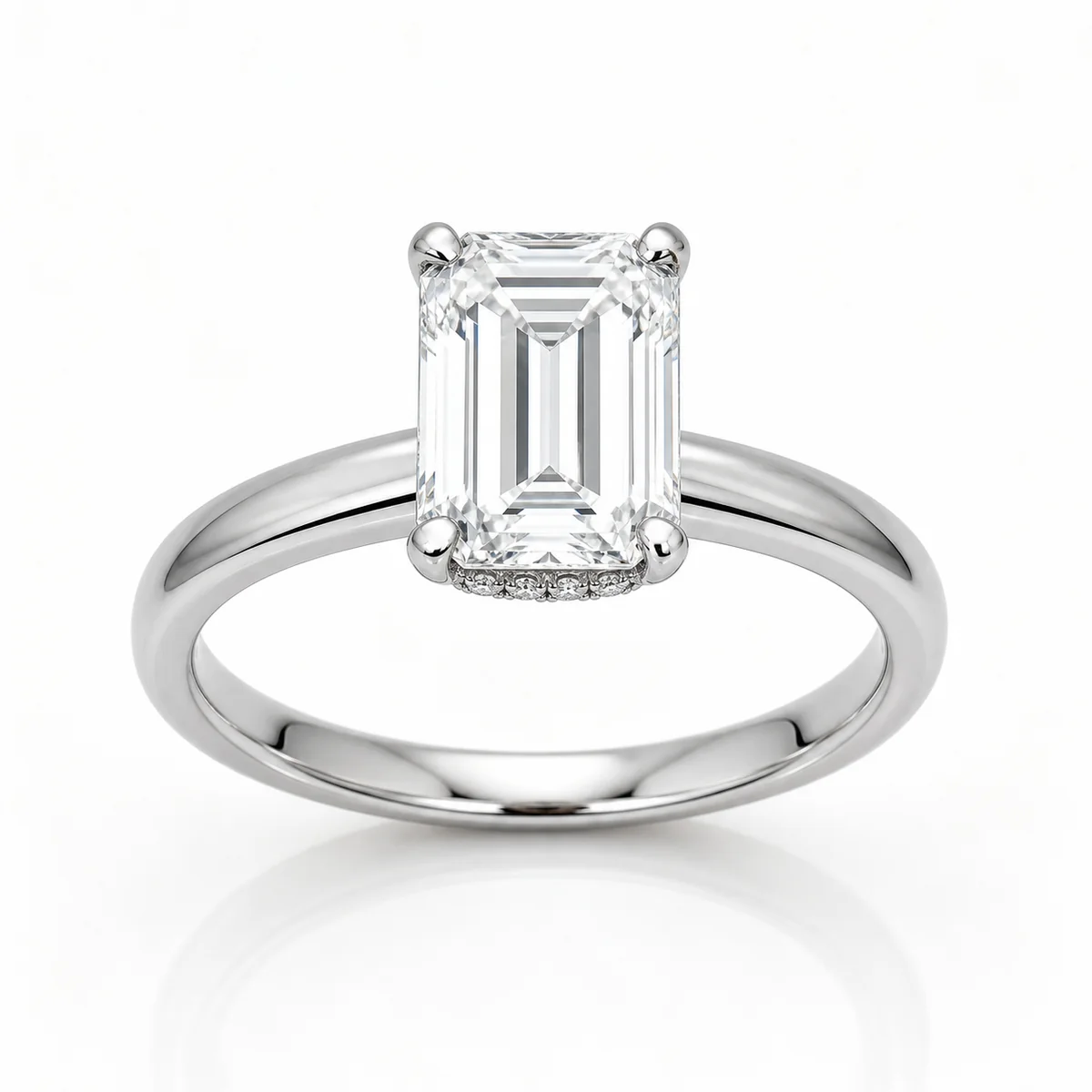
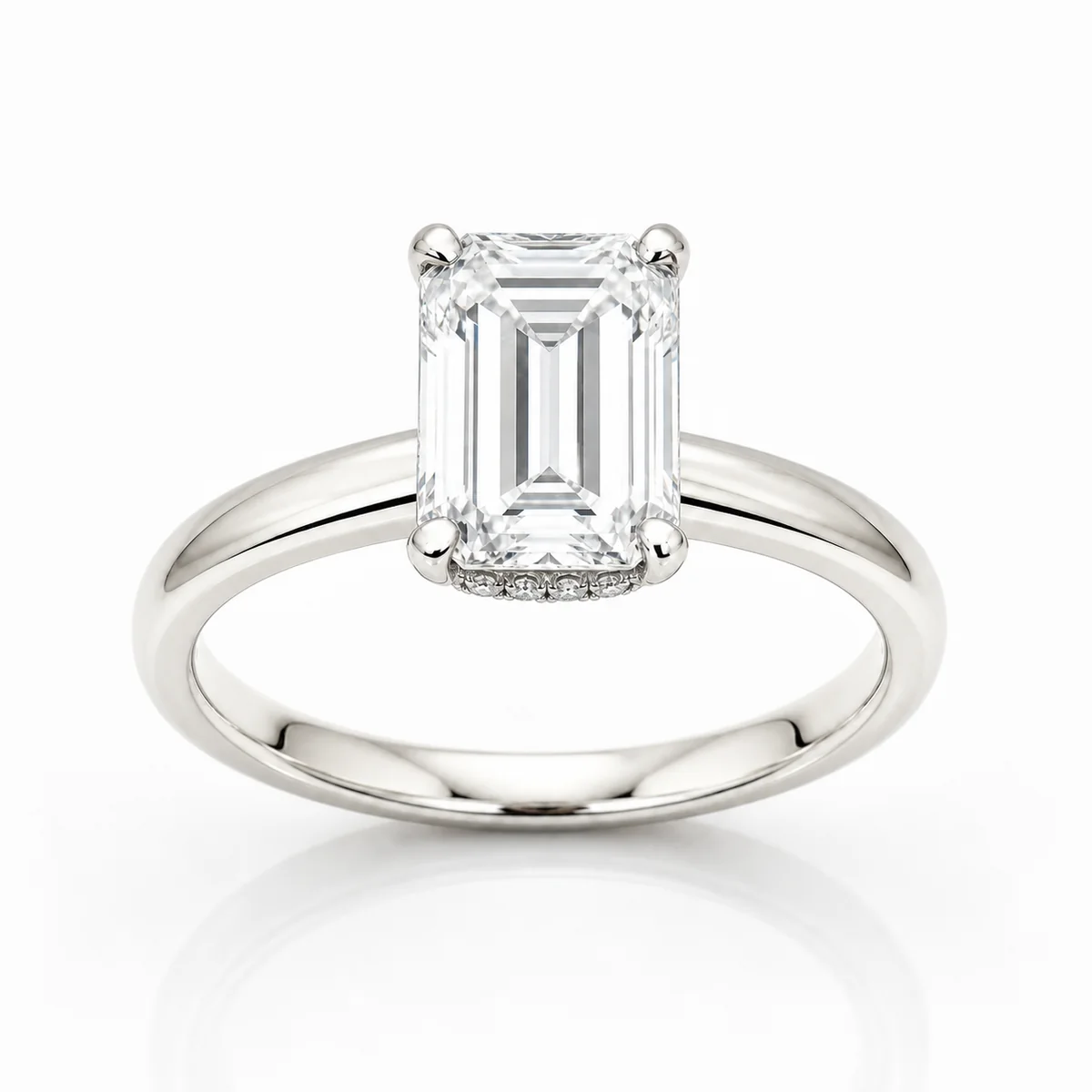
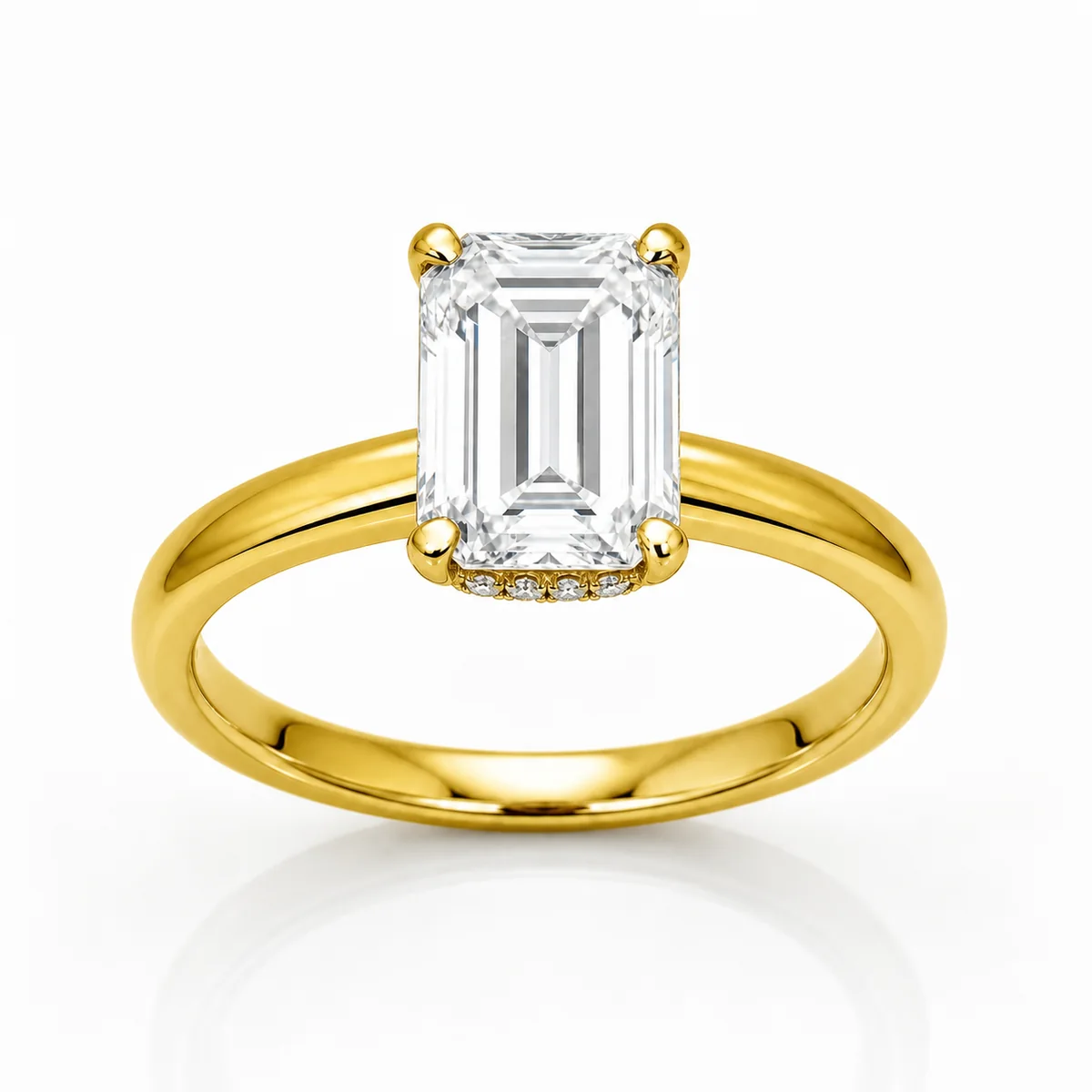
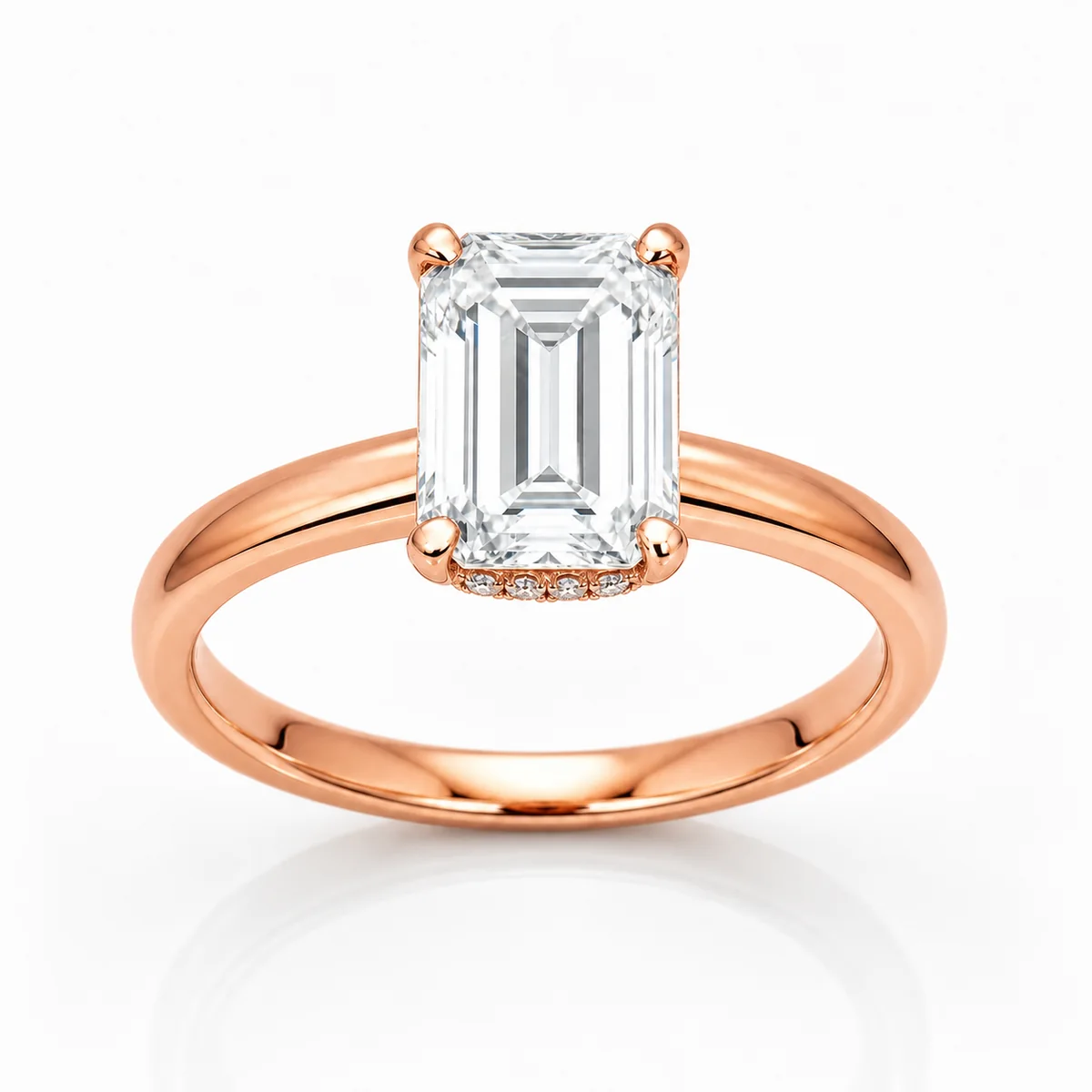 Emerald cut, hidden haloLong clean facets, quiet sparkle beneath.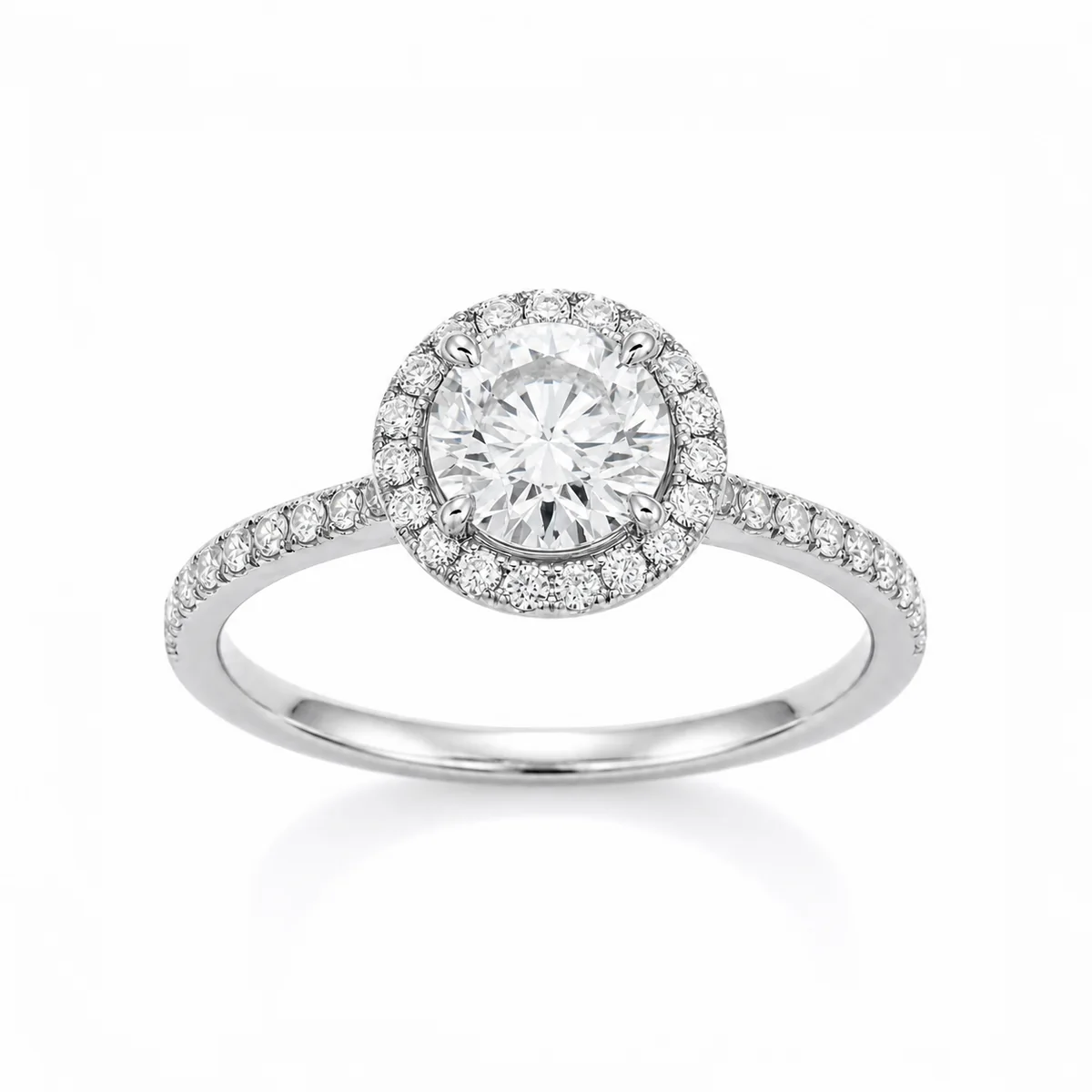
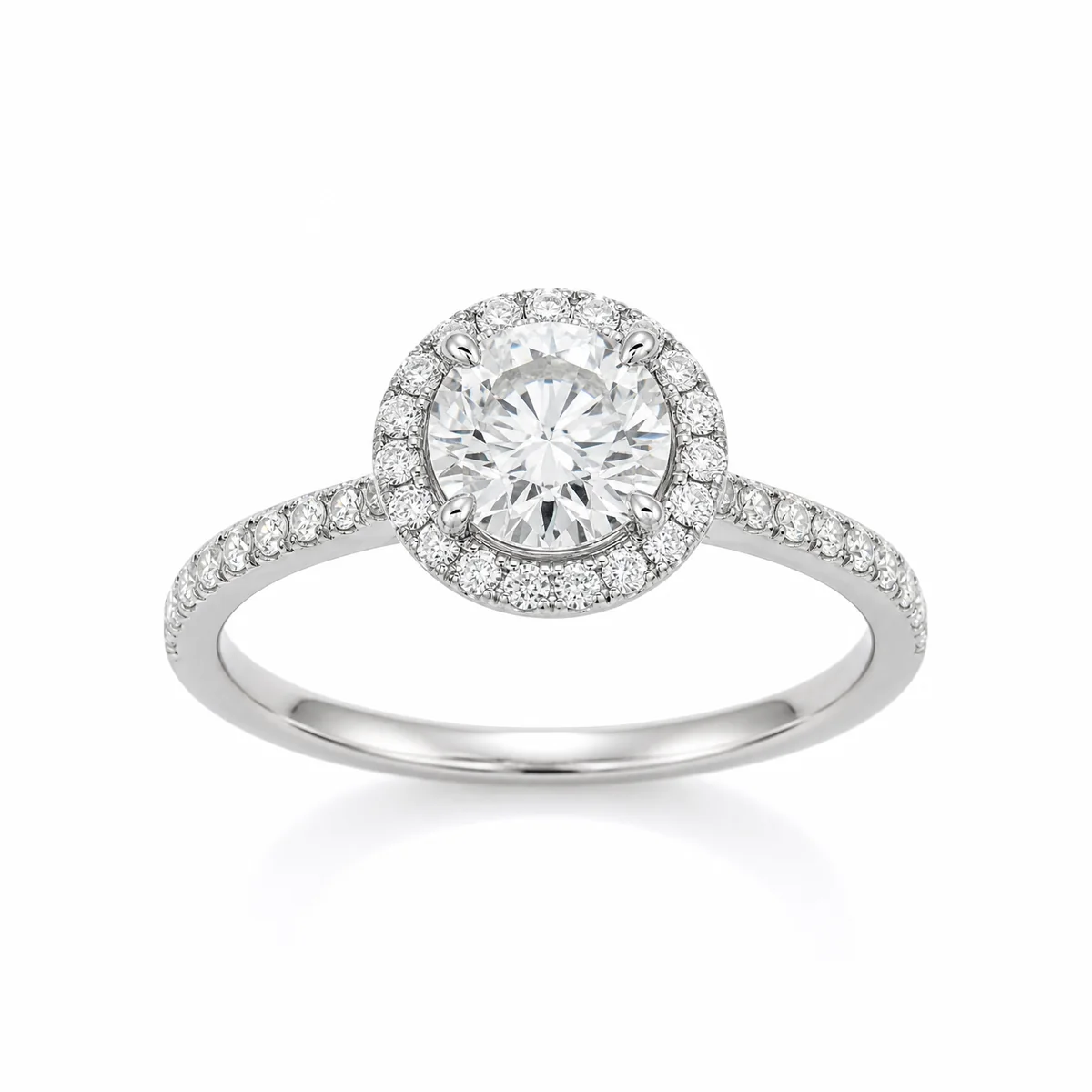
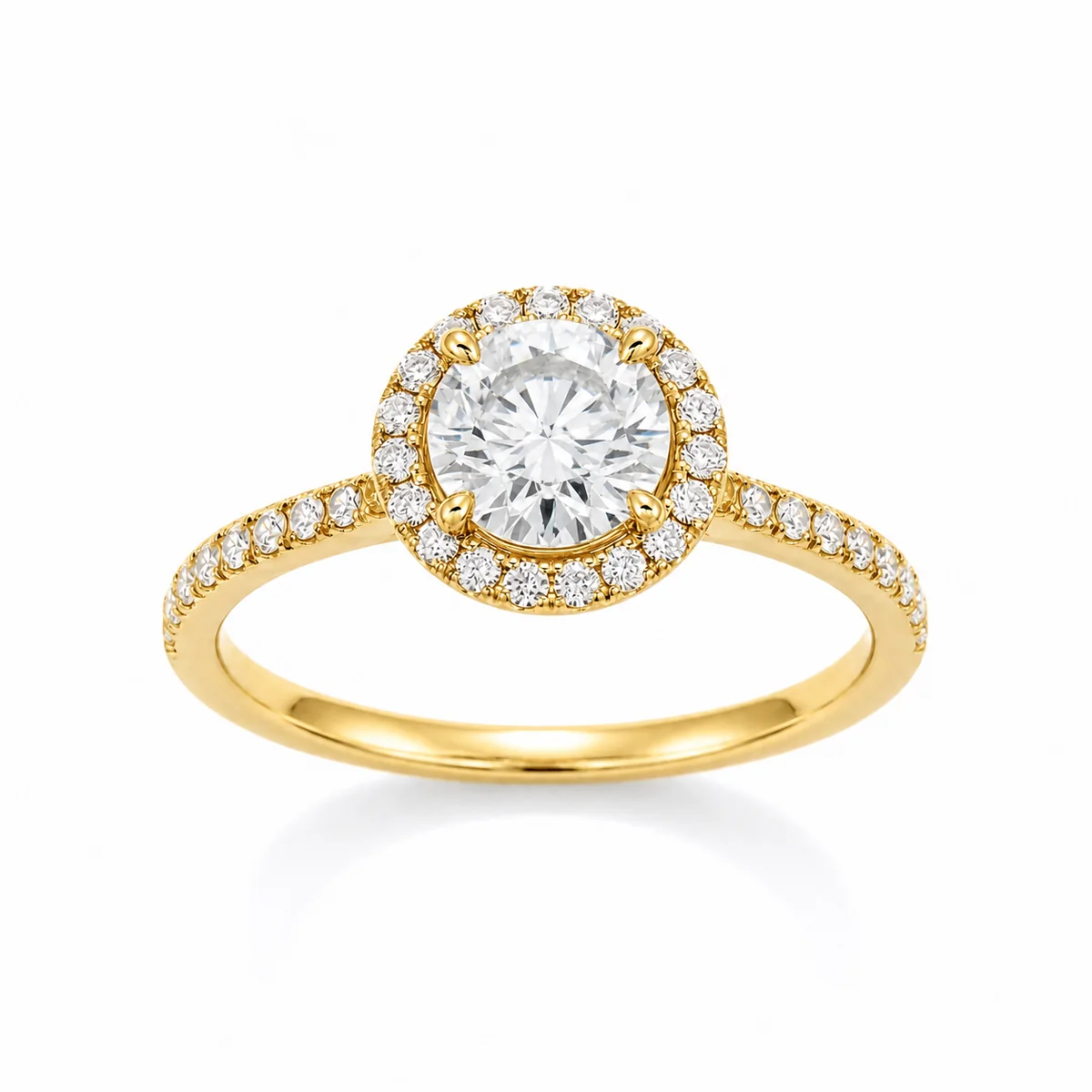
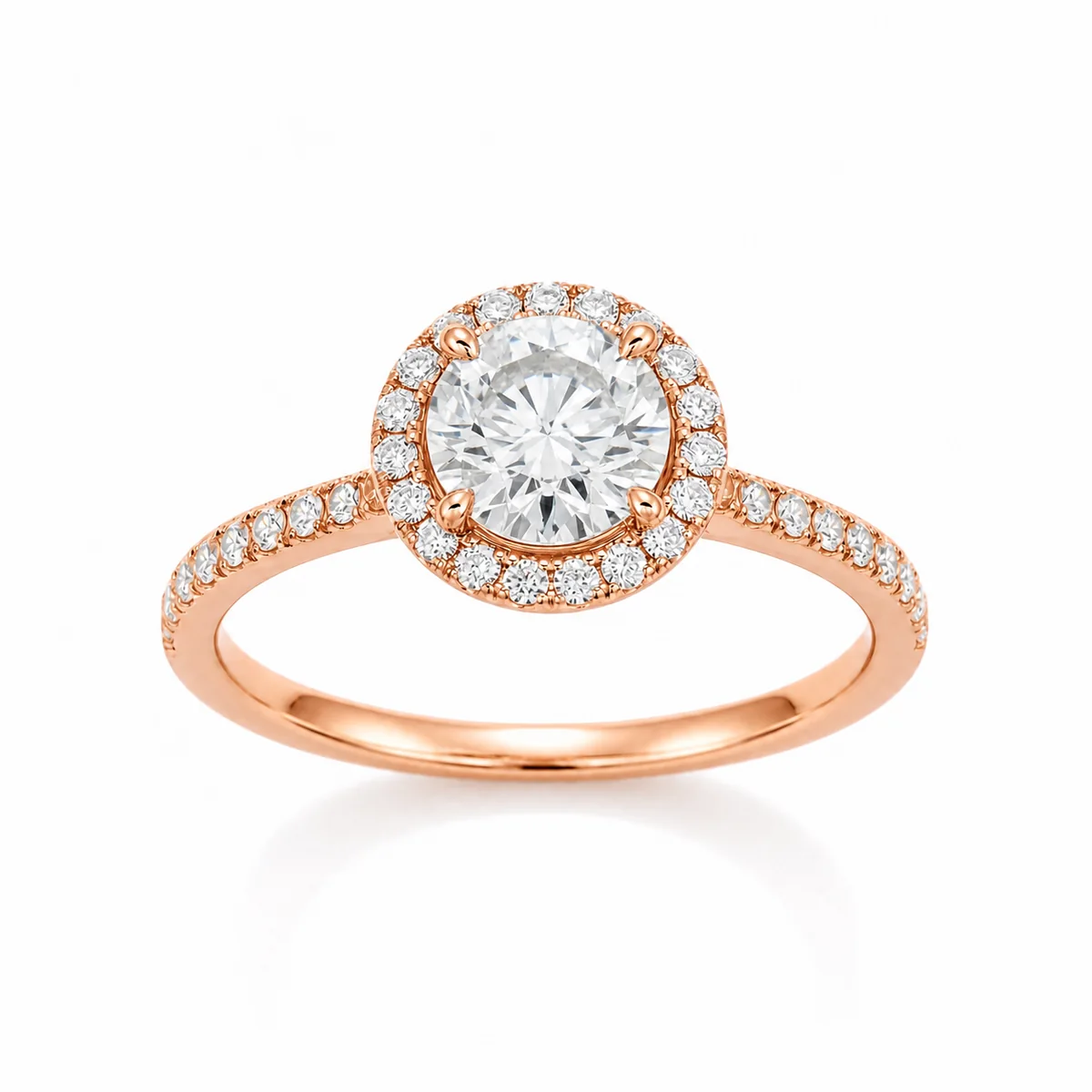 Halo with pavé bandReads a size larger than the centre stone alone.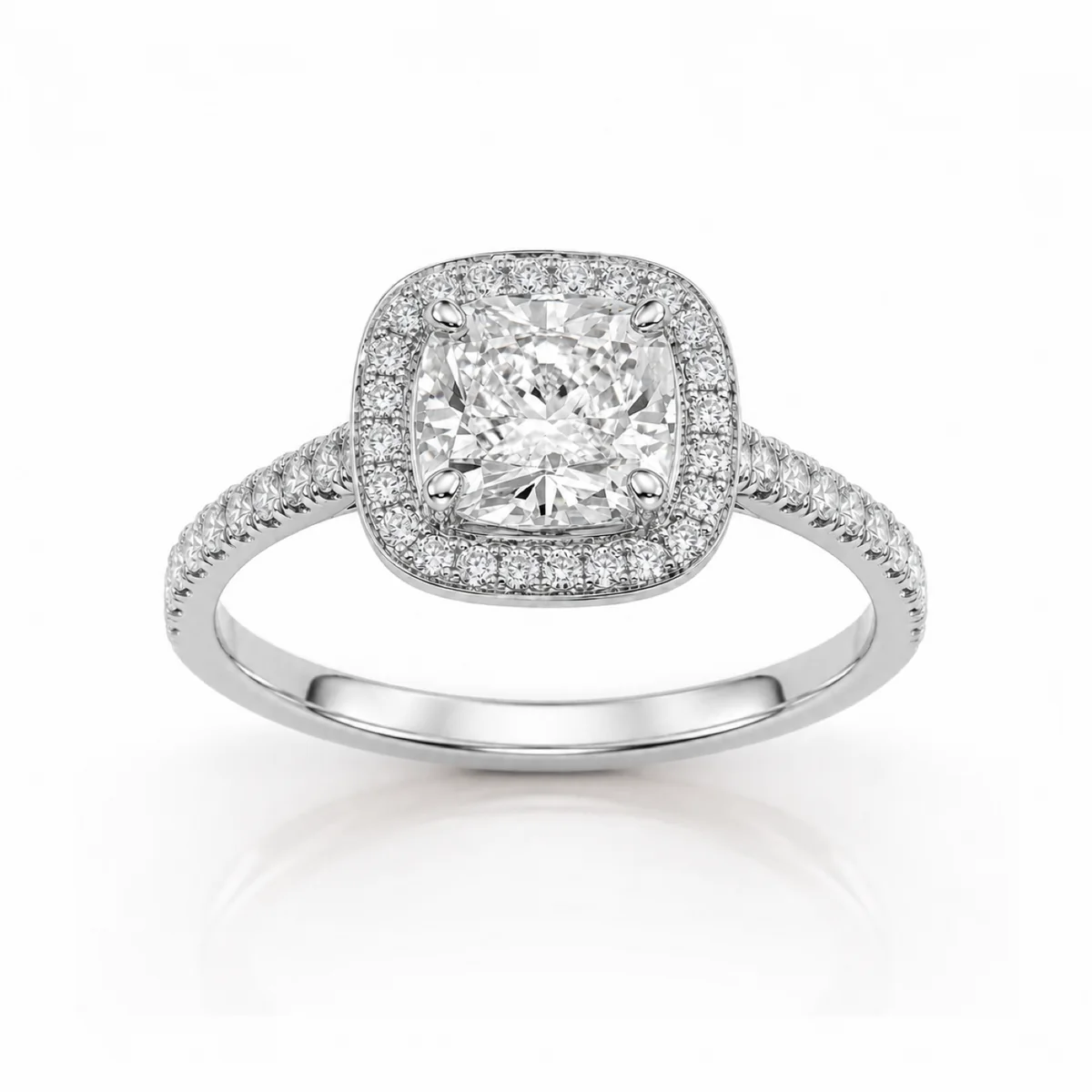
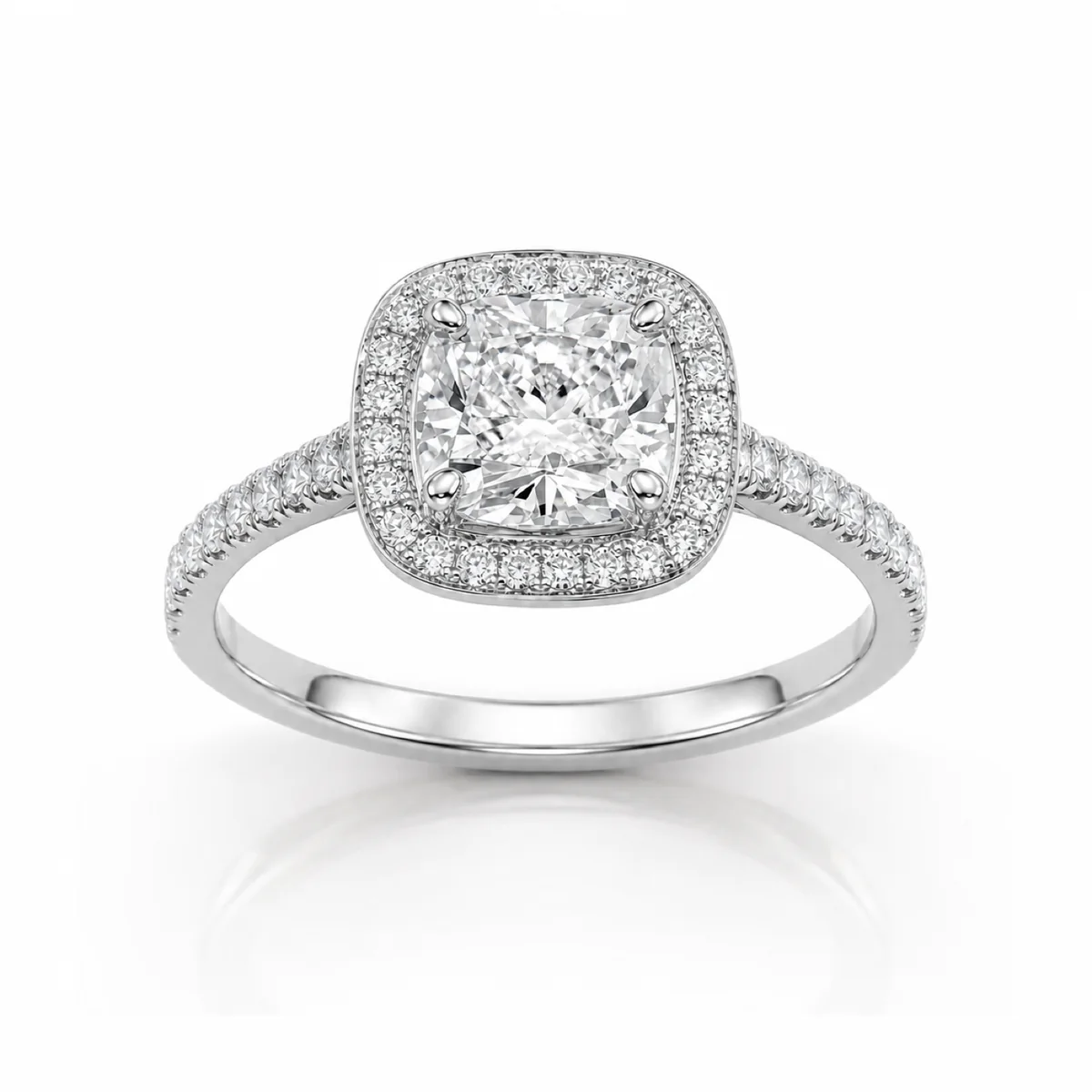
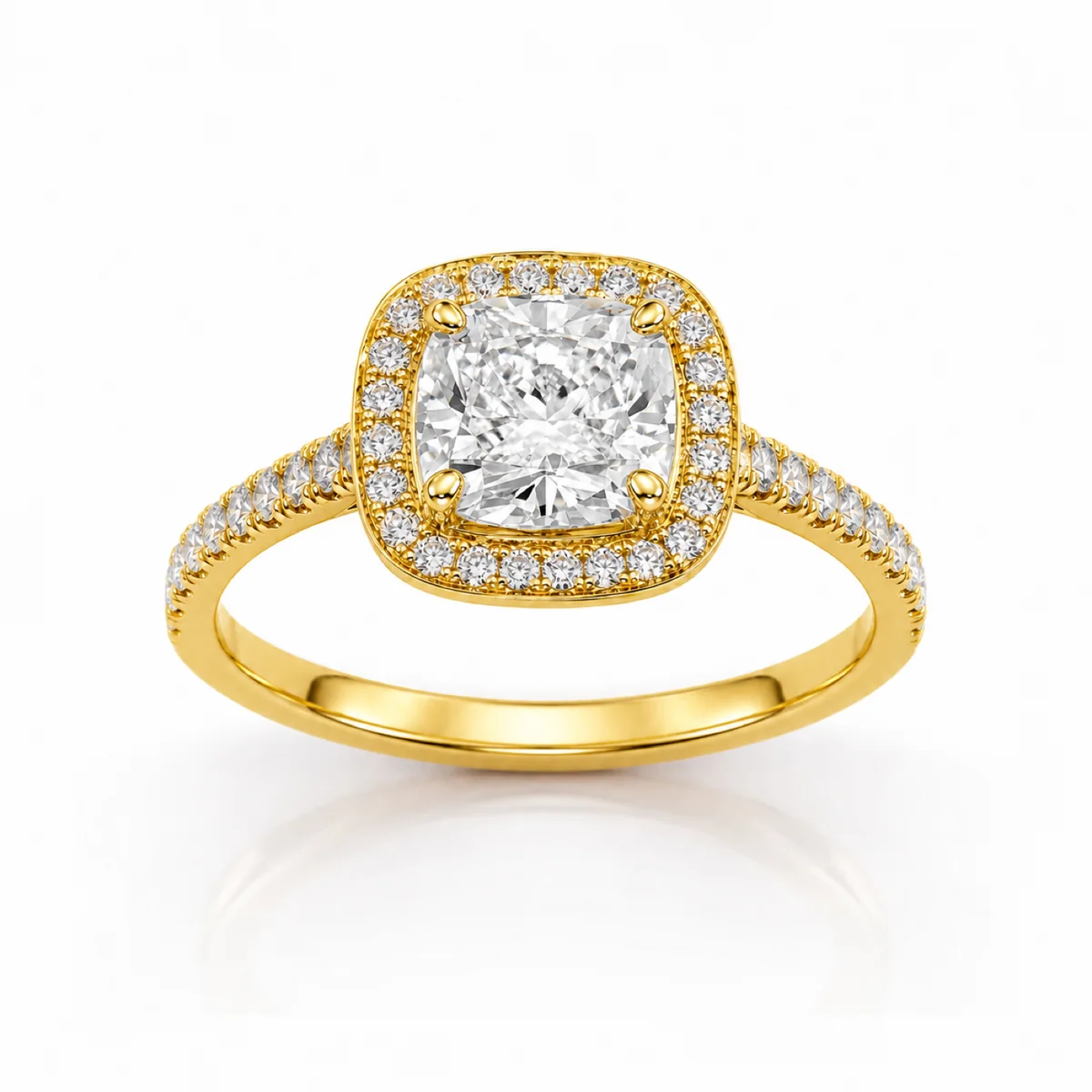
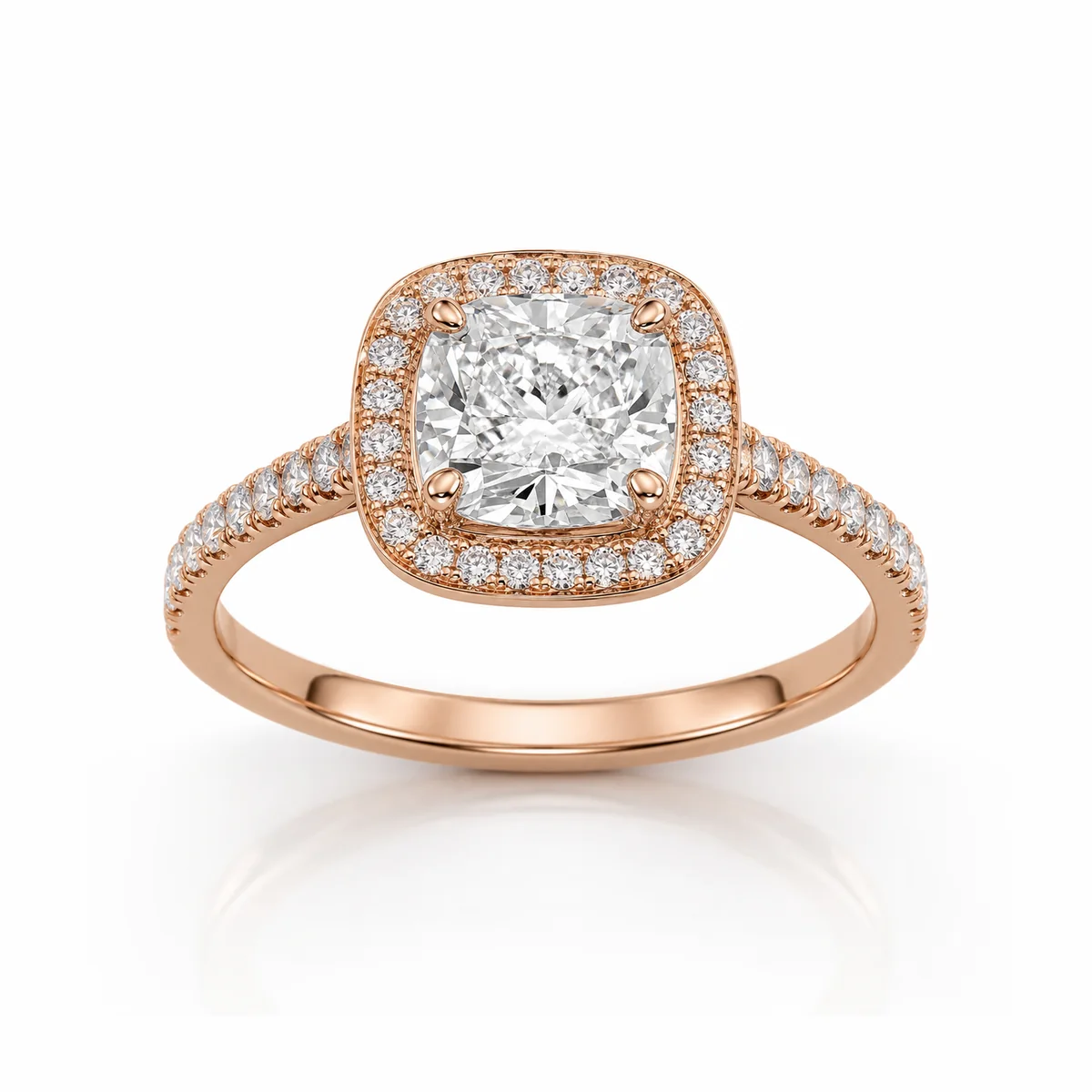 Cushion haloSoft corners, warm metal.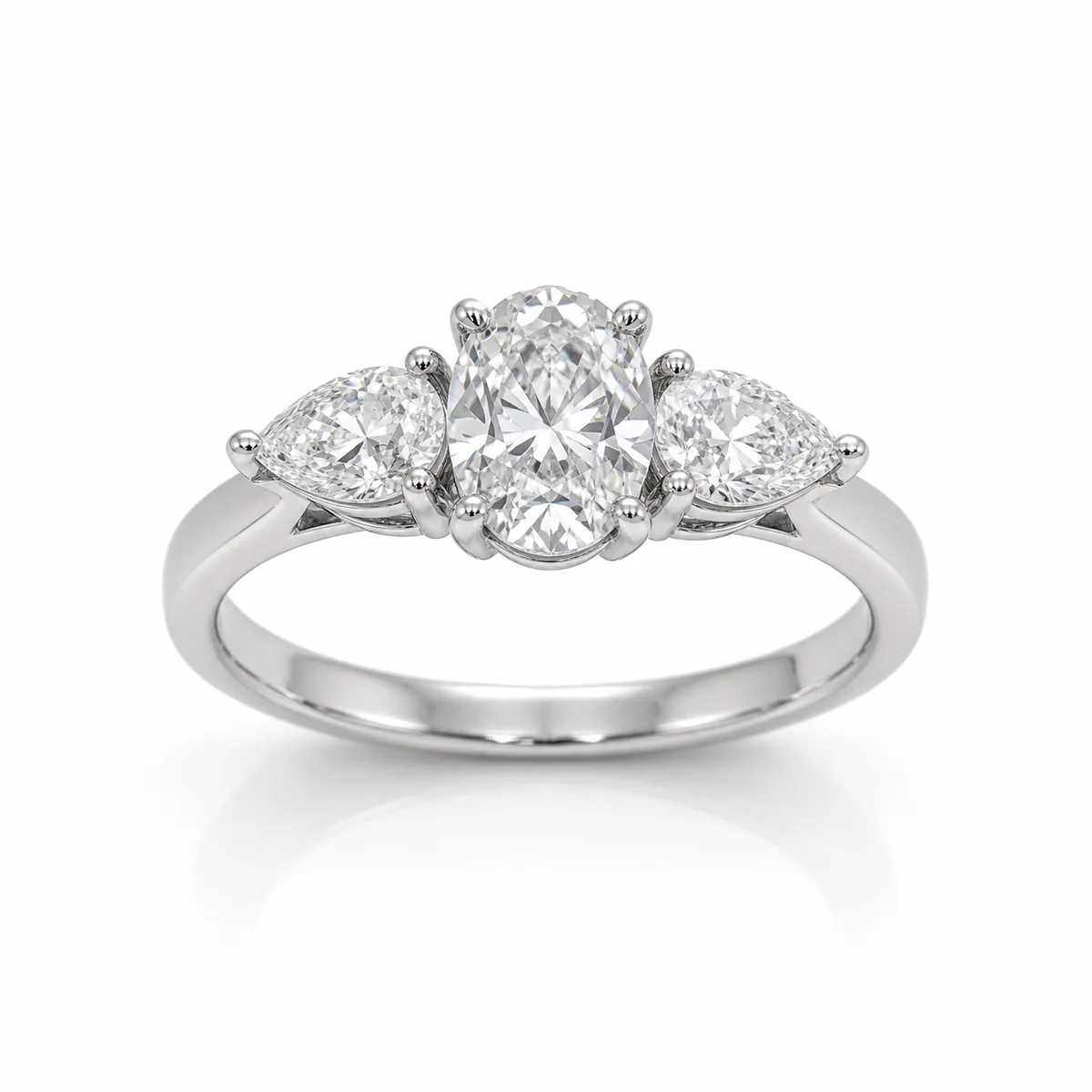
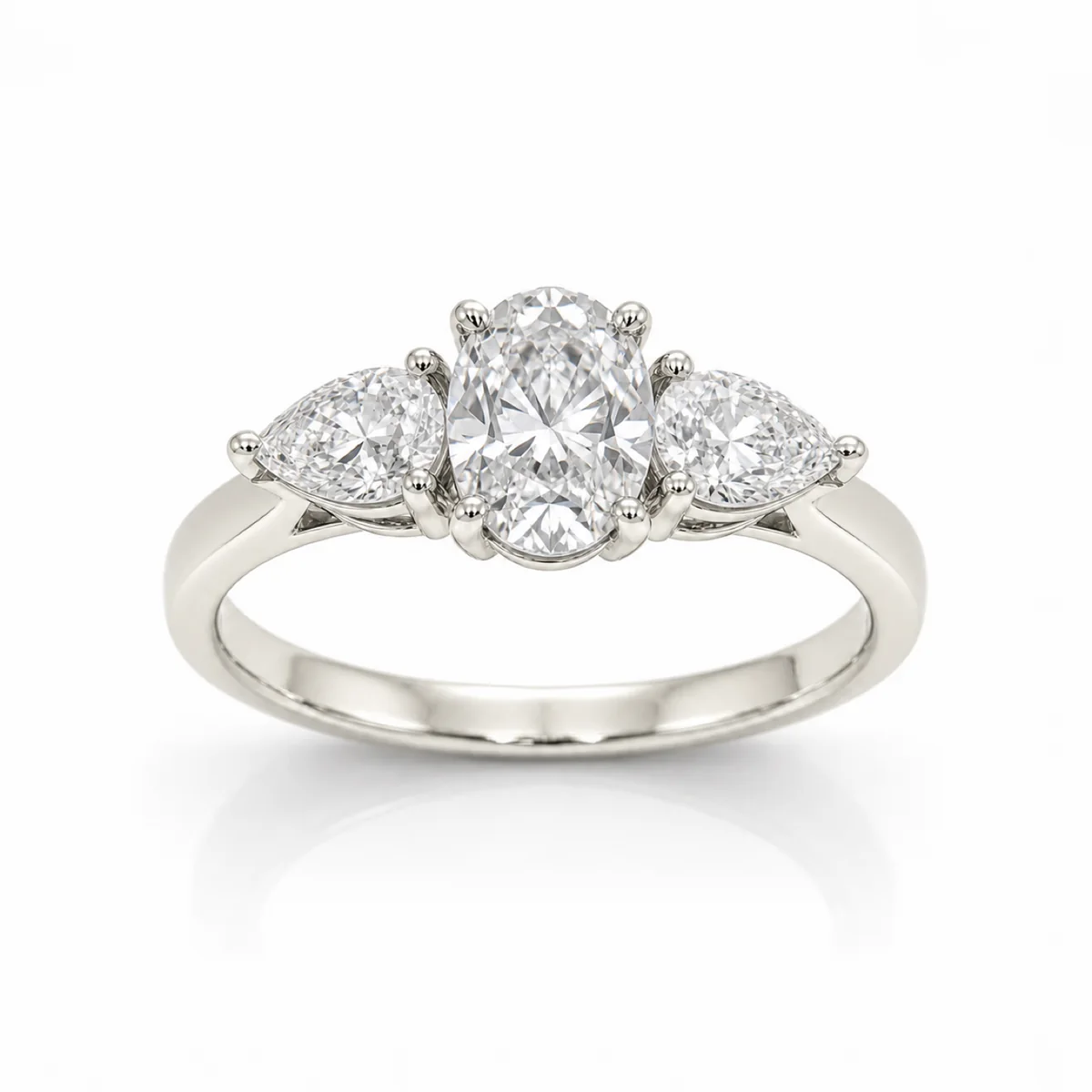
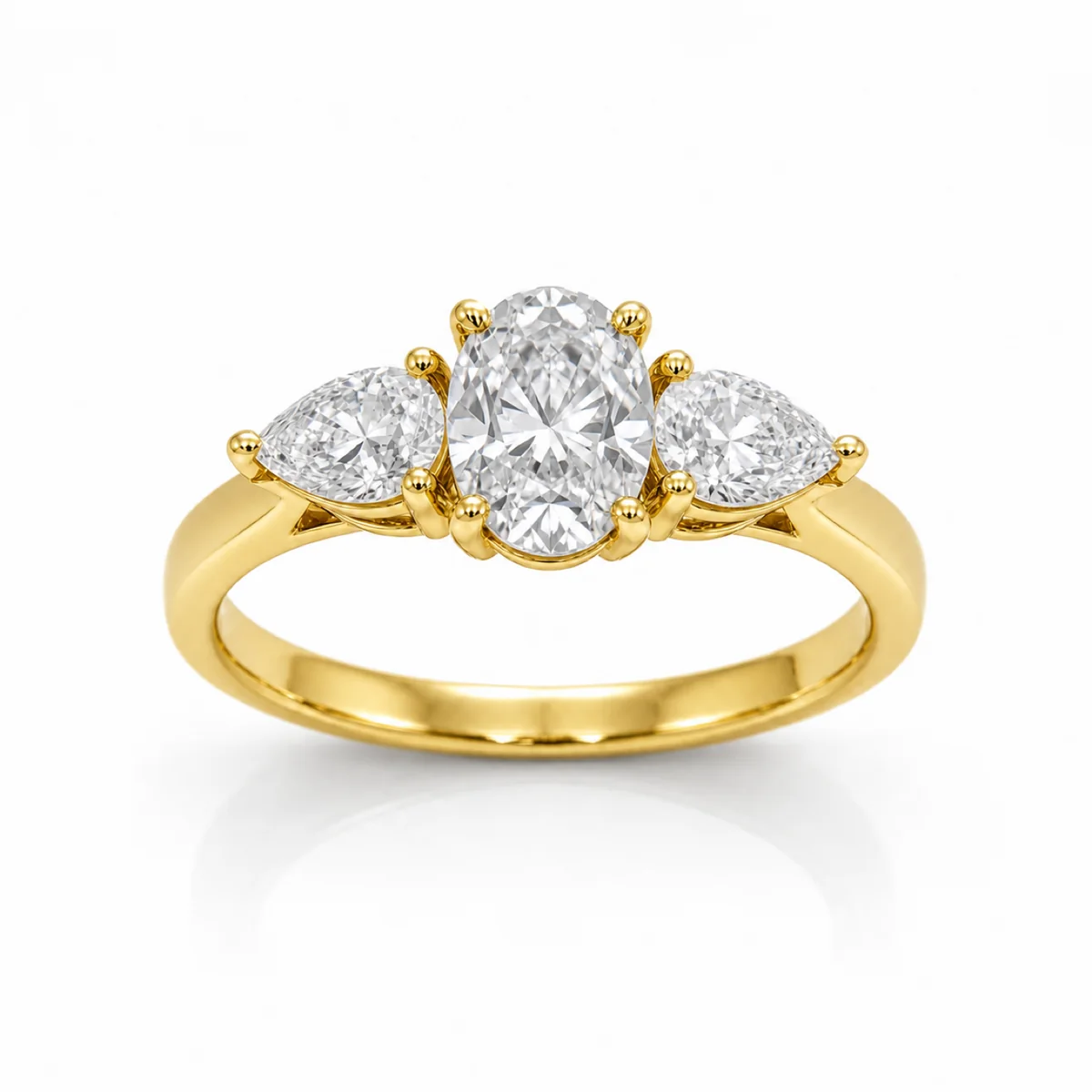
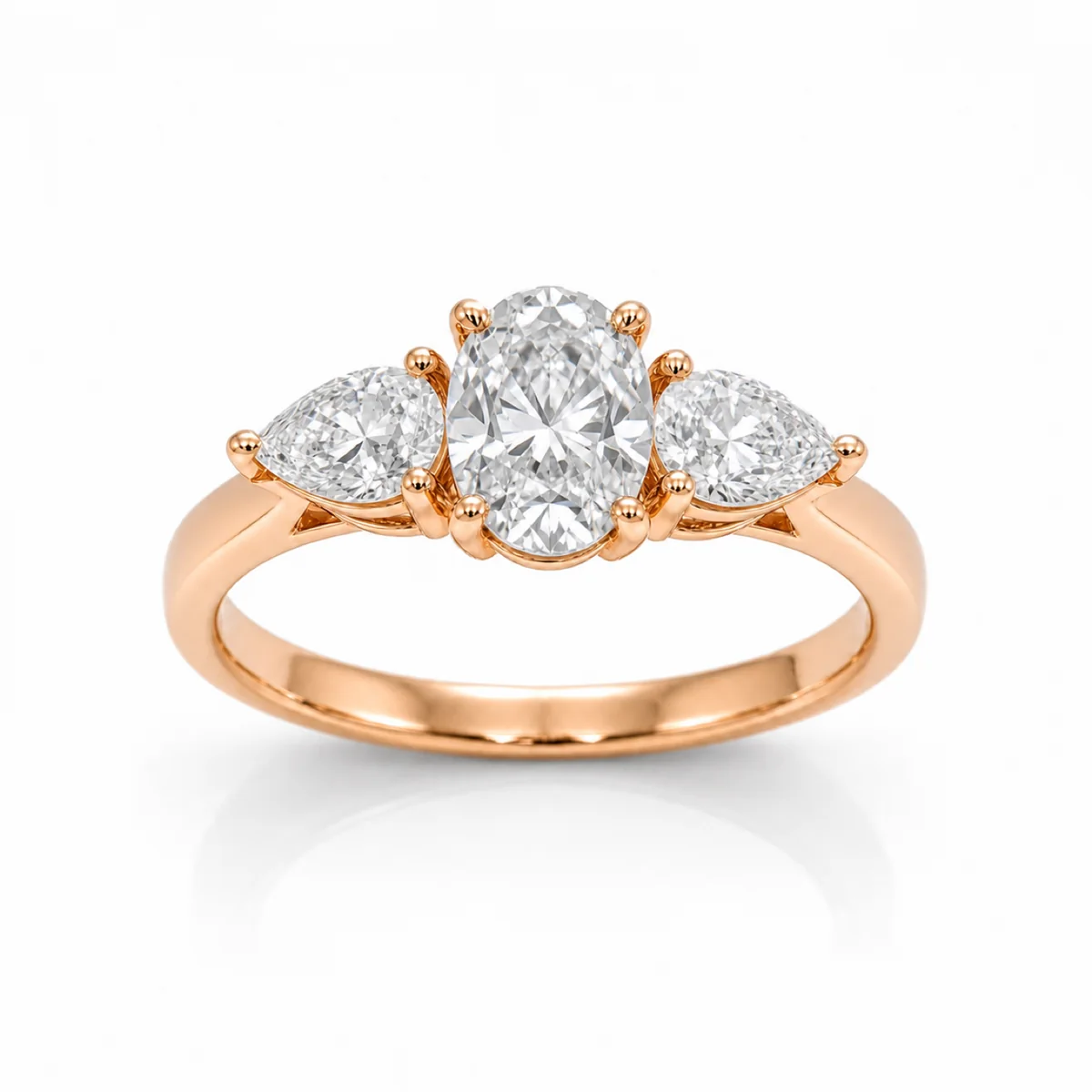 Three-stone, pear sidesPast, present, future. Oval centre, pear shoulders.
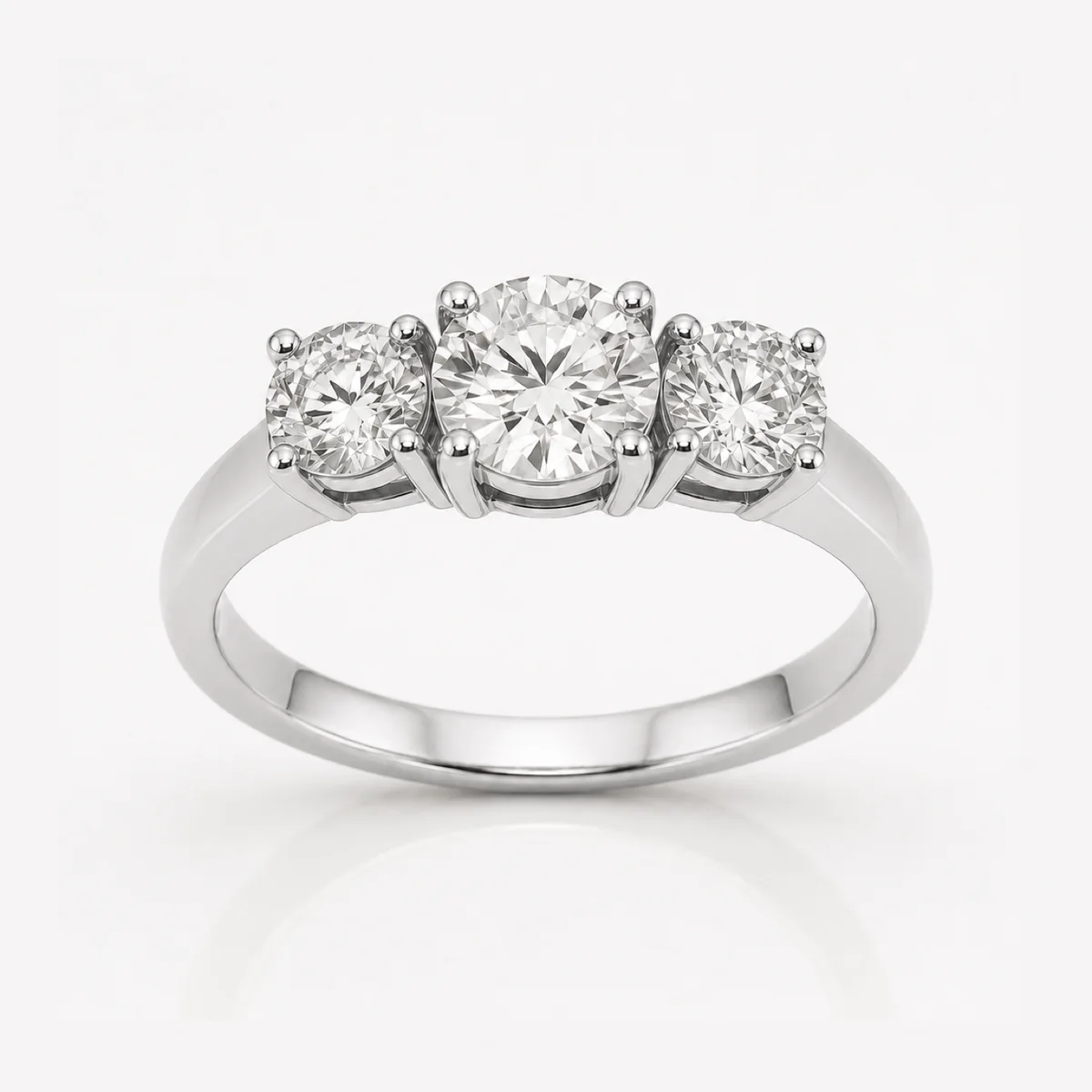
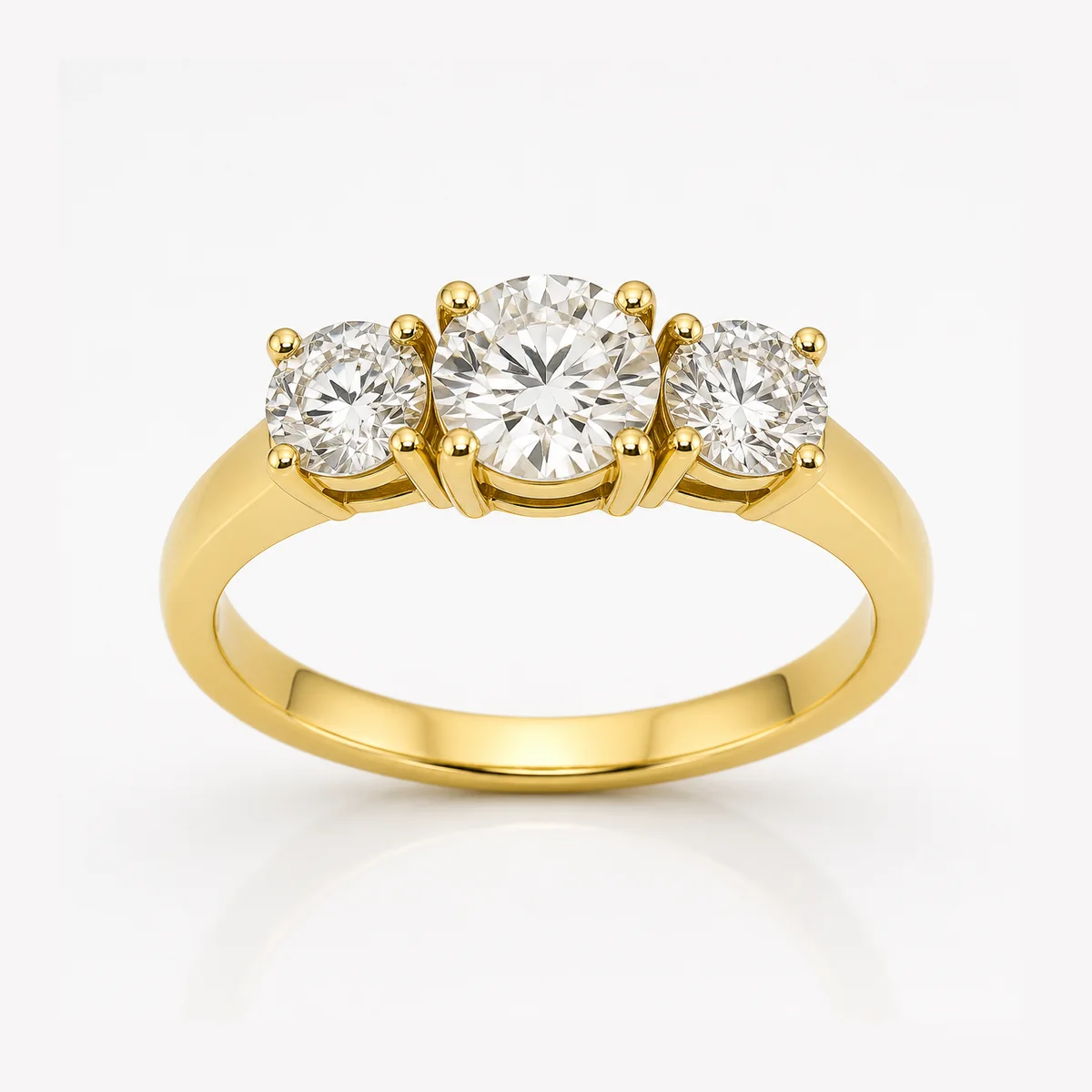
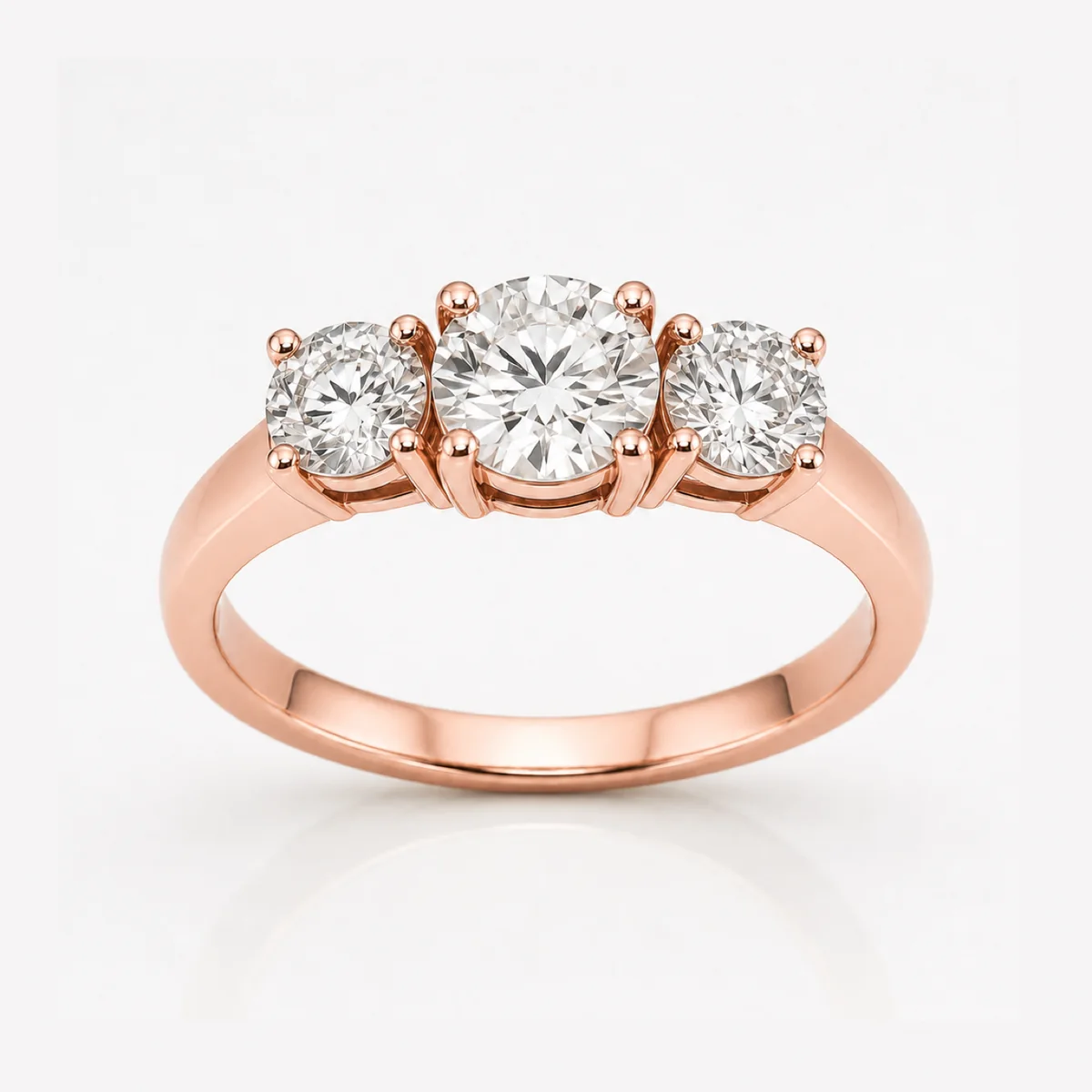 Round trilogyThree rounds, four claws each.
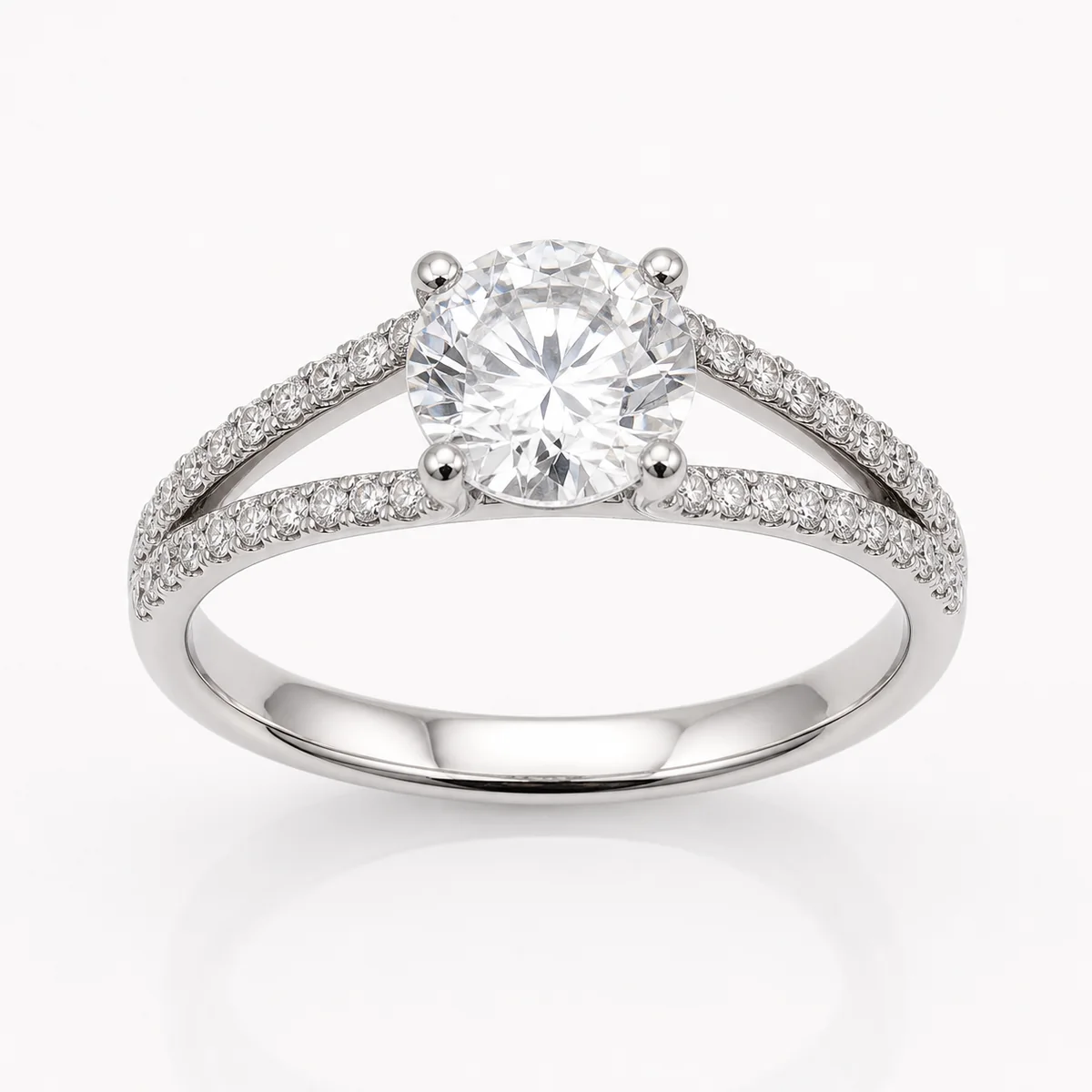
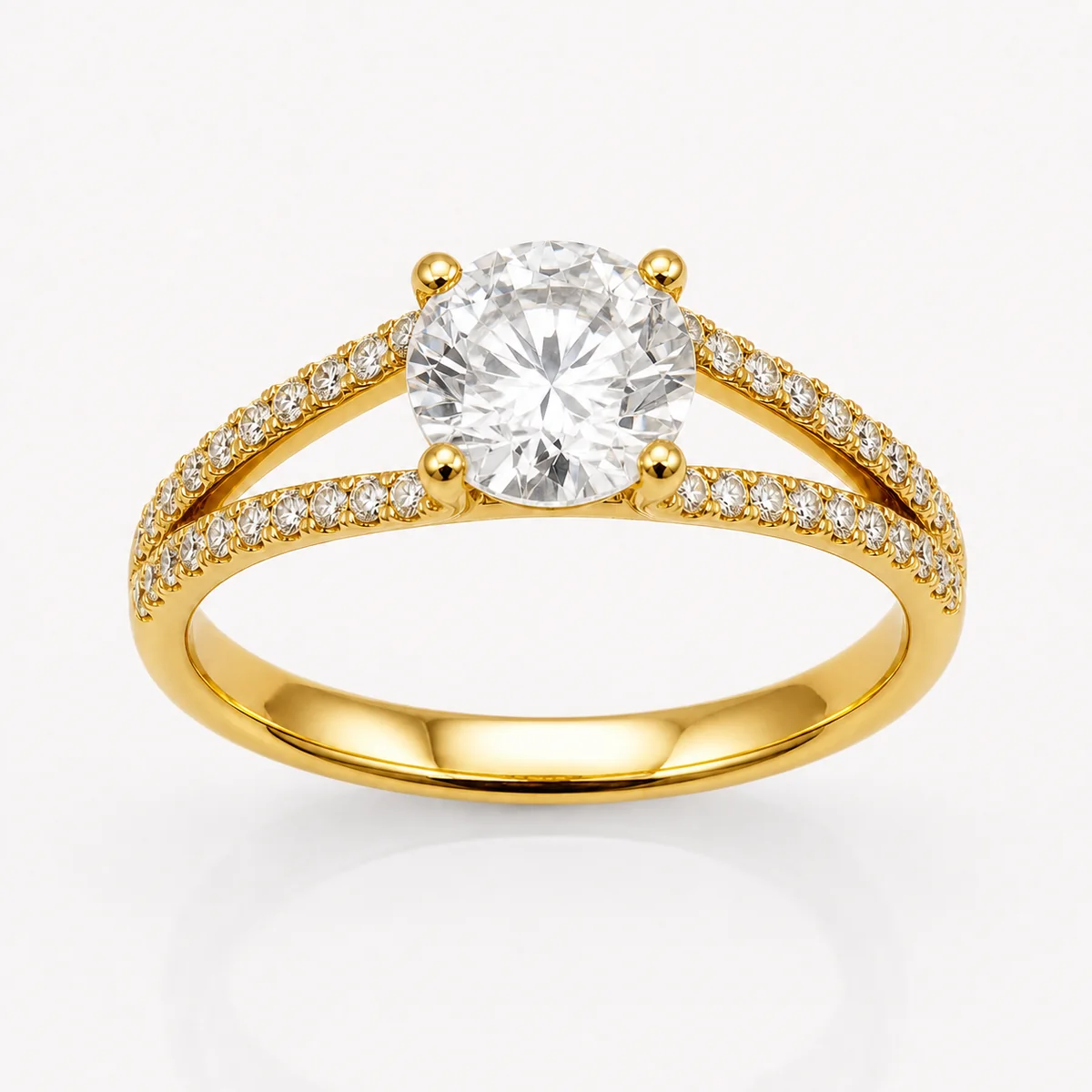
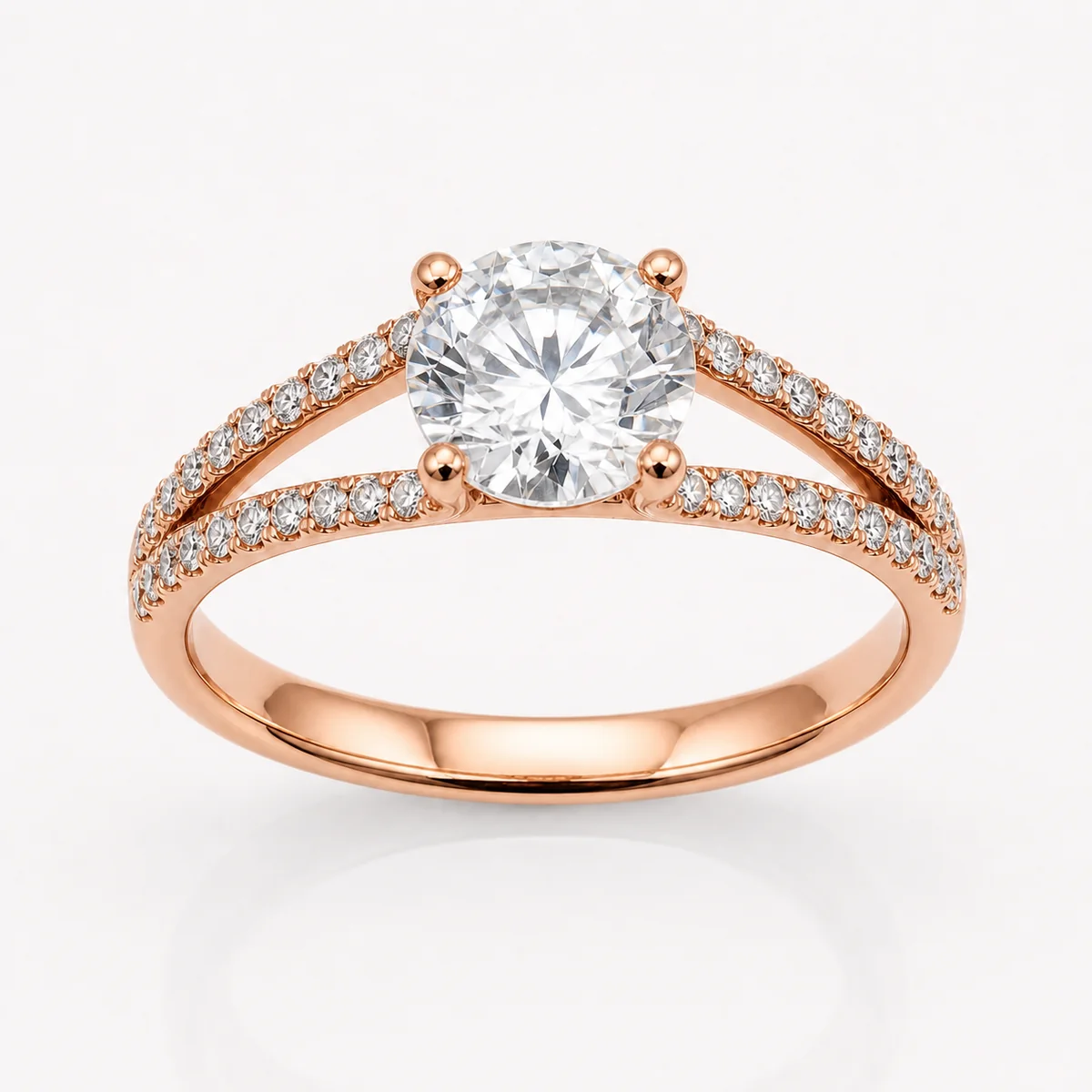 Split band, pavéThe band parts to hold the stone.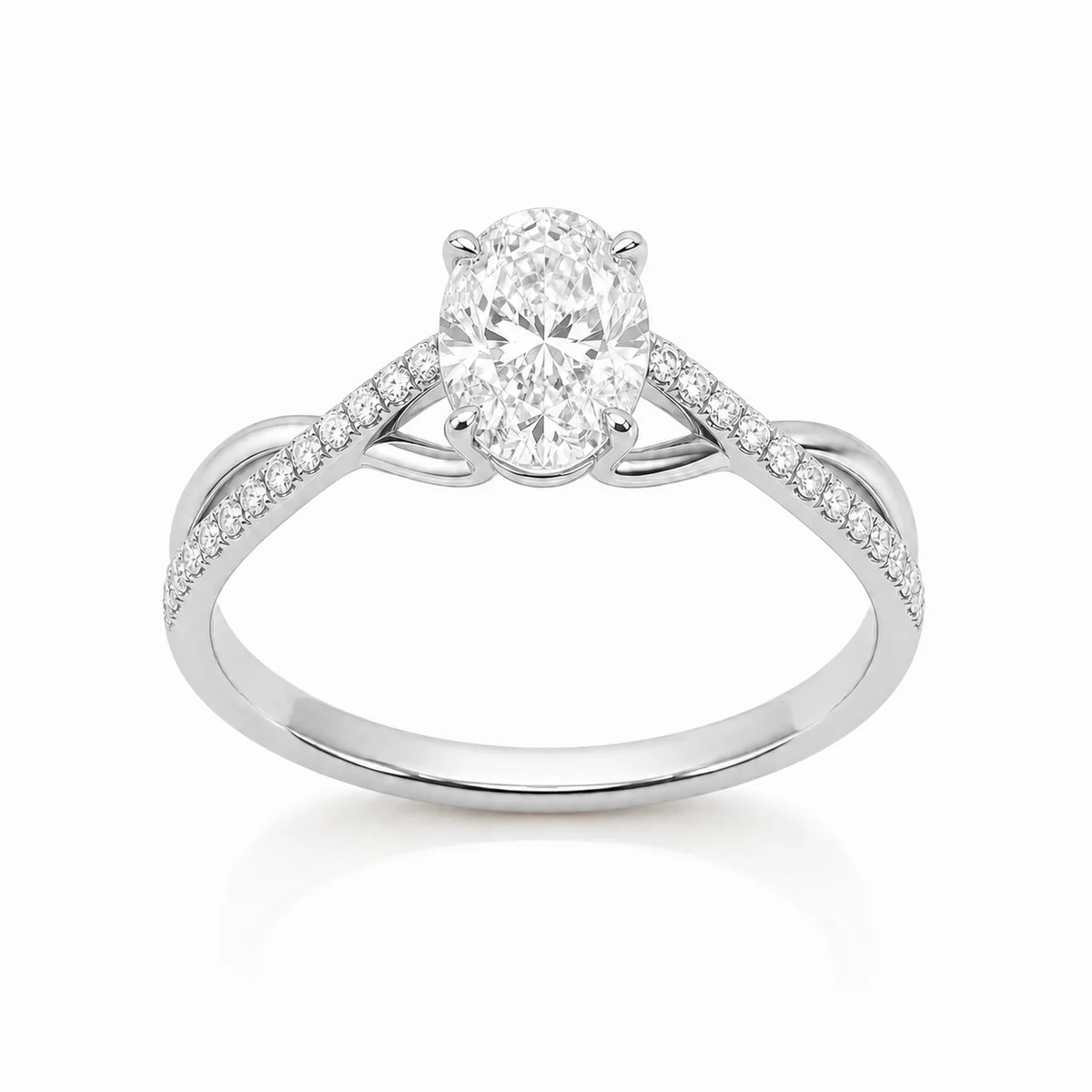
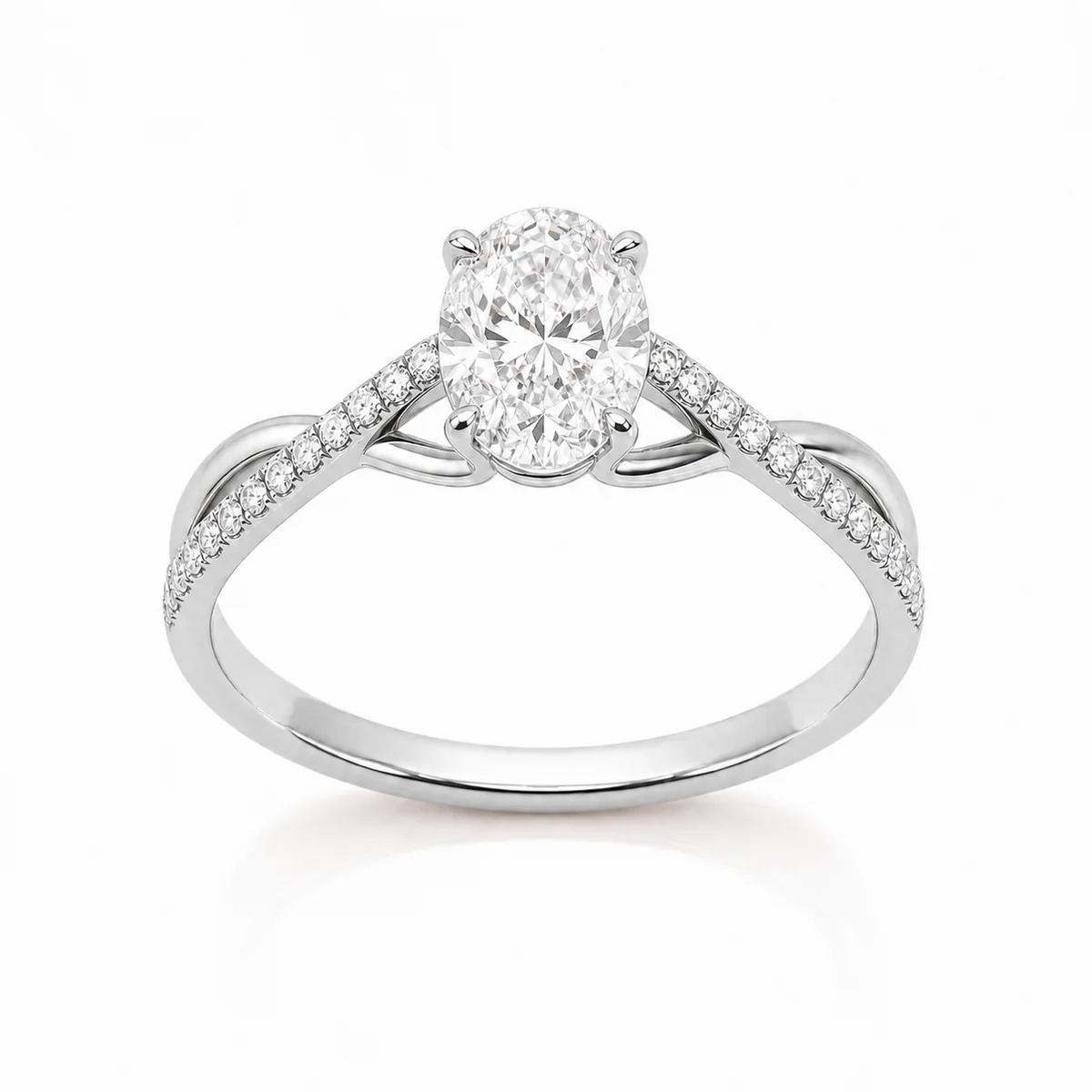
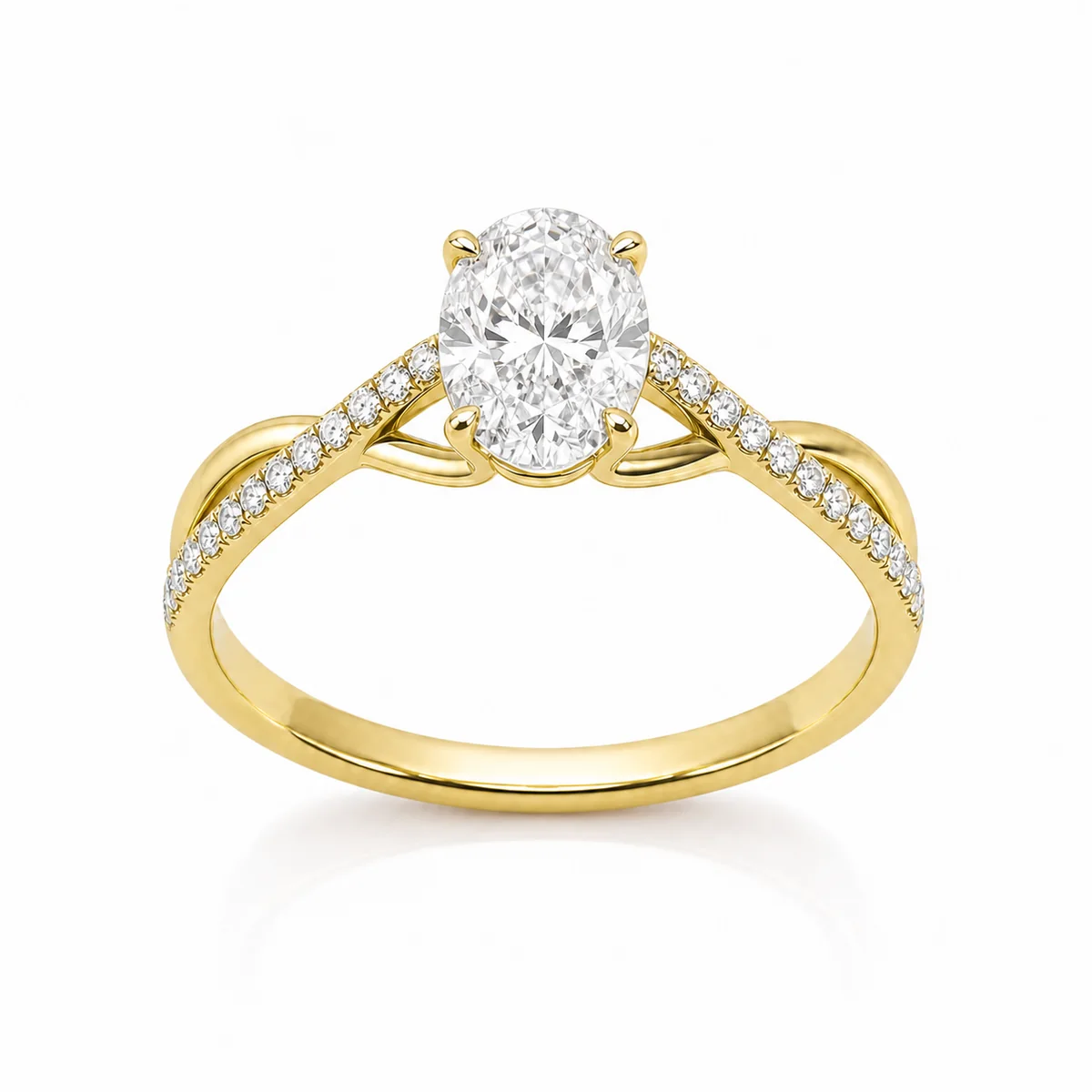
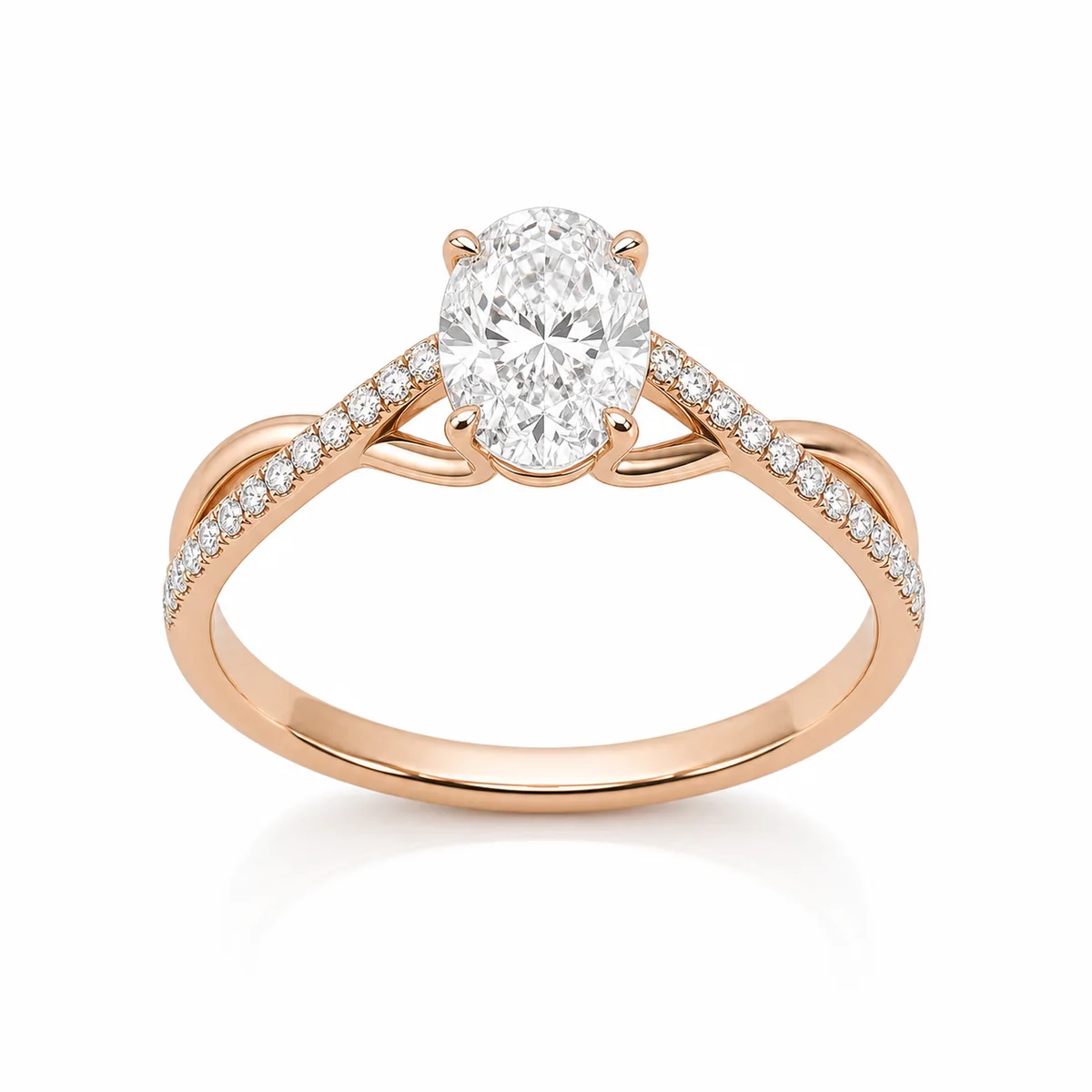 Twisted pavé, ovalA rope of small diamonds up to the centre.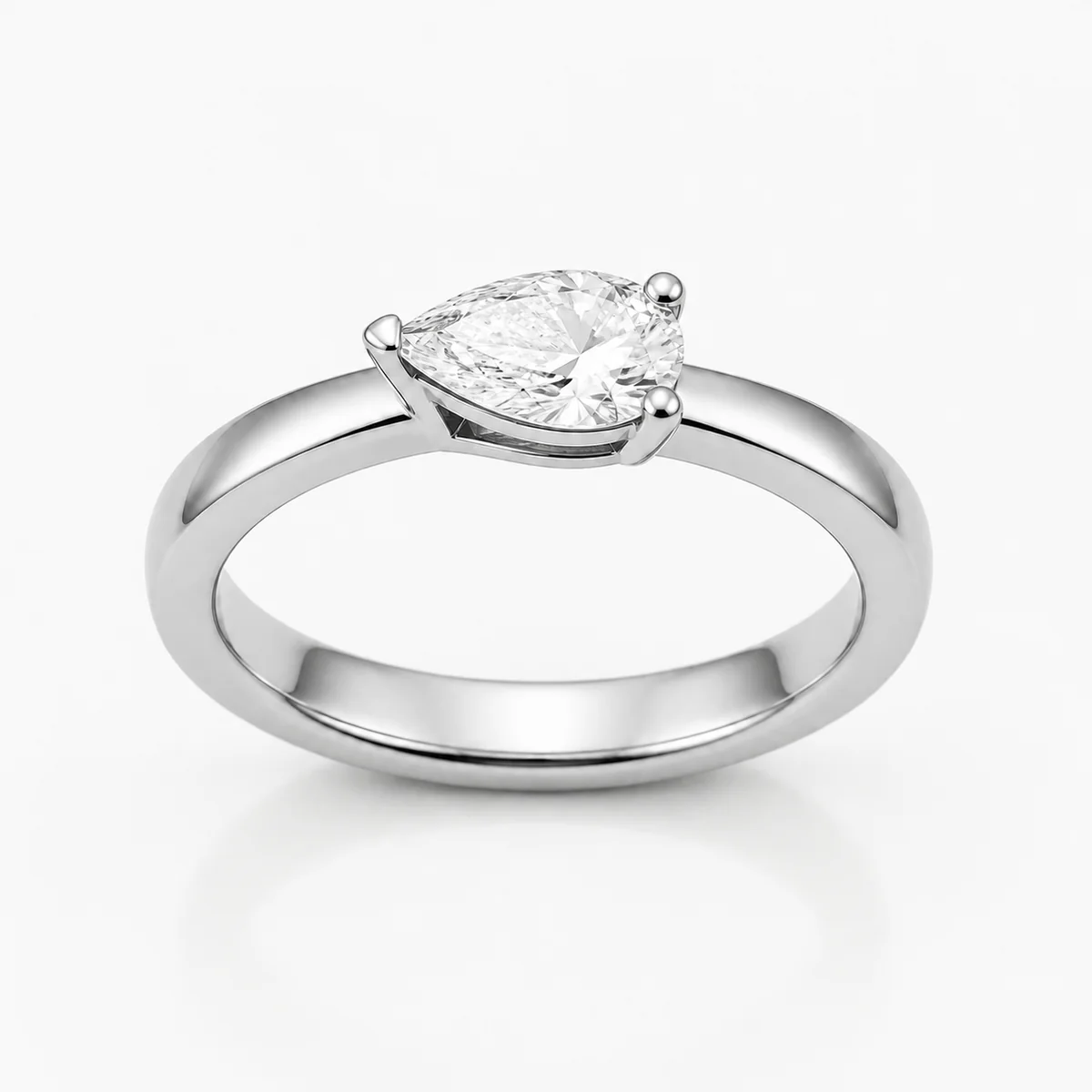
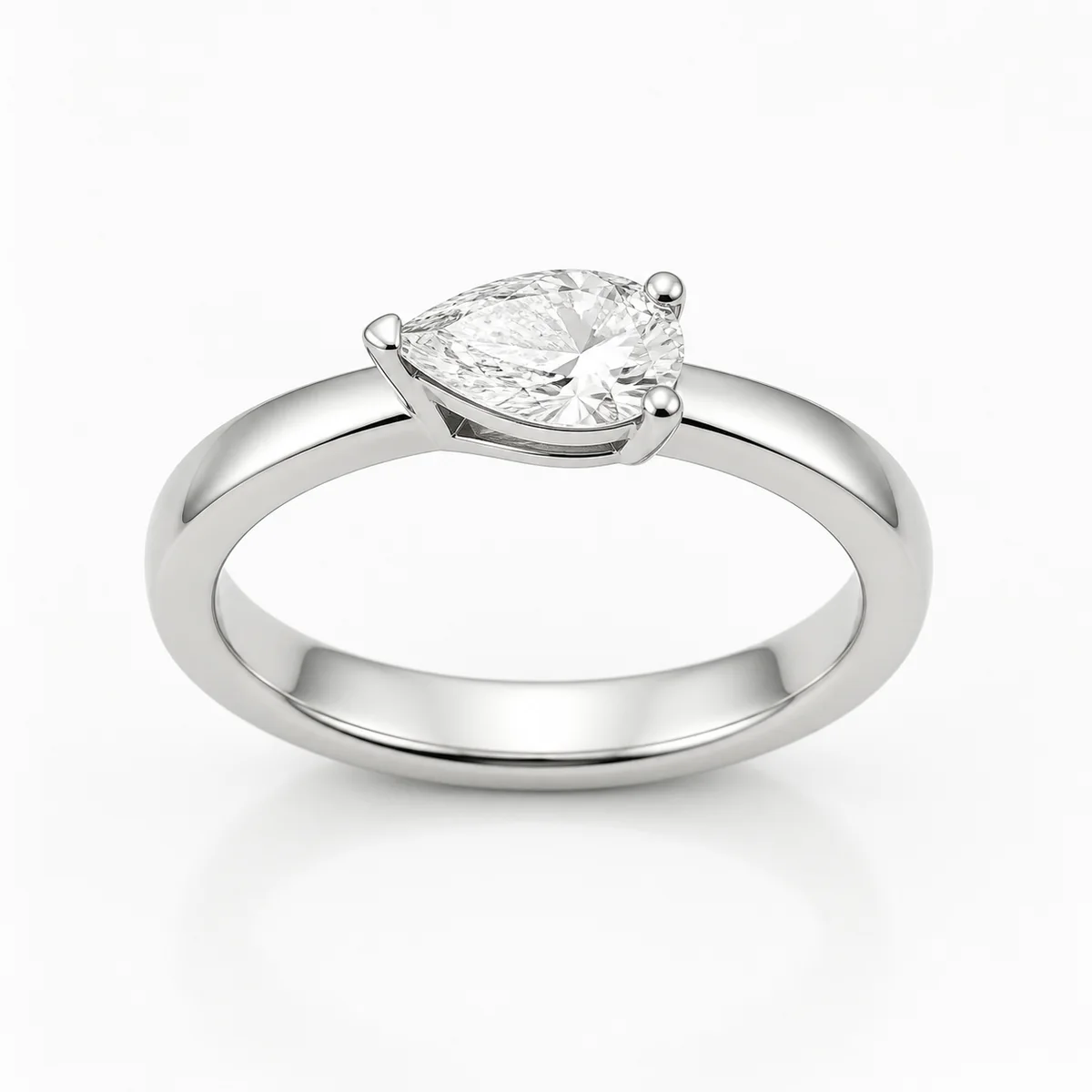
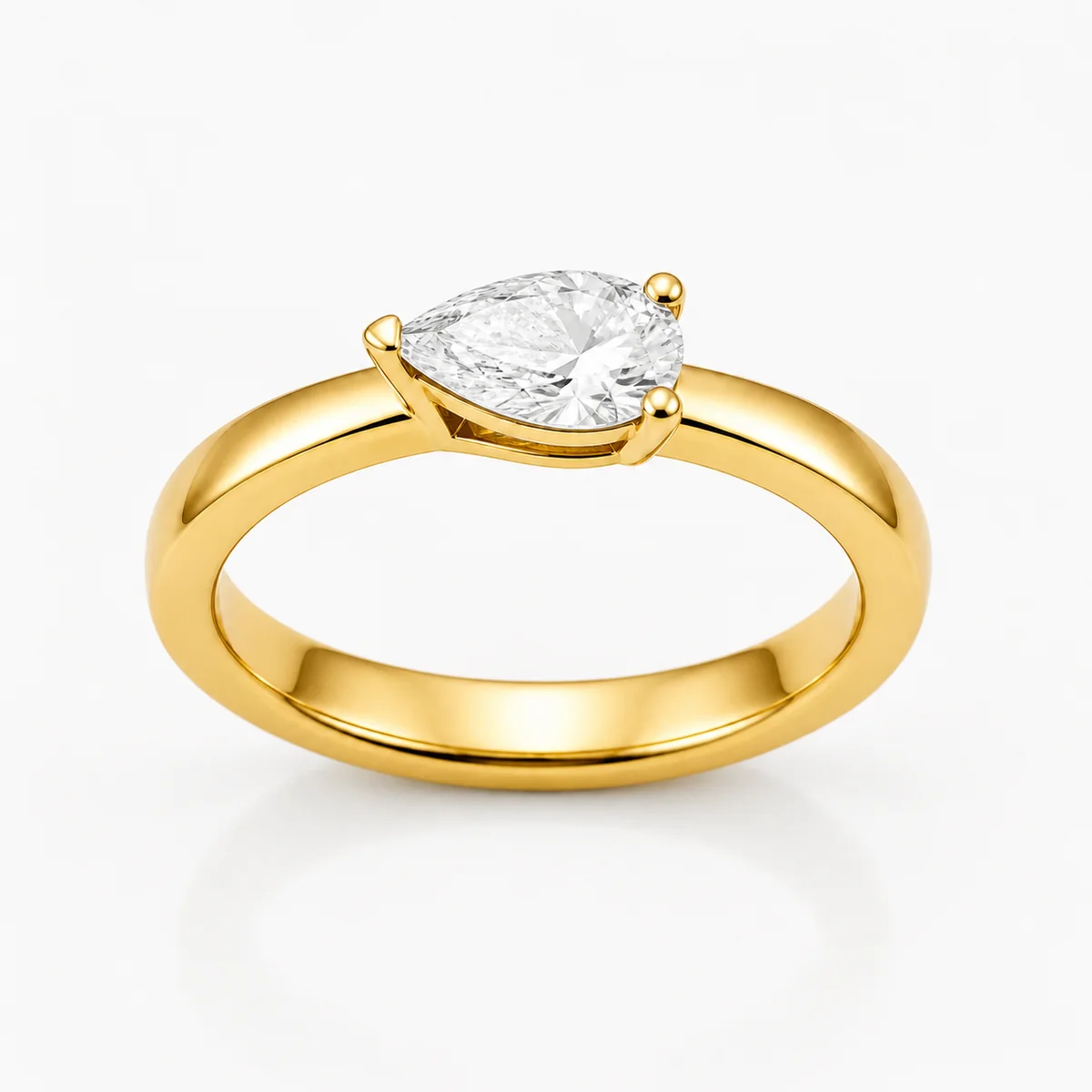
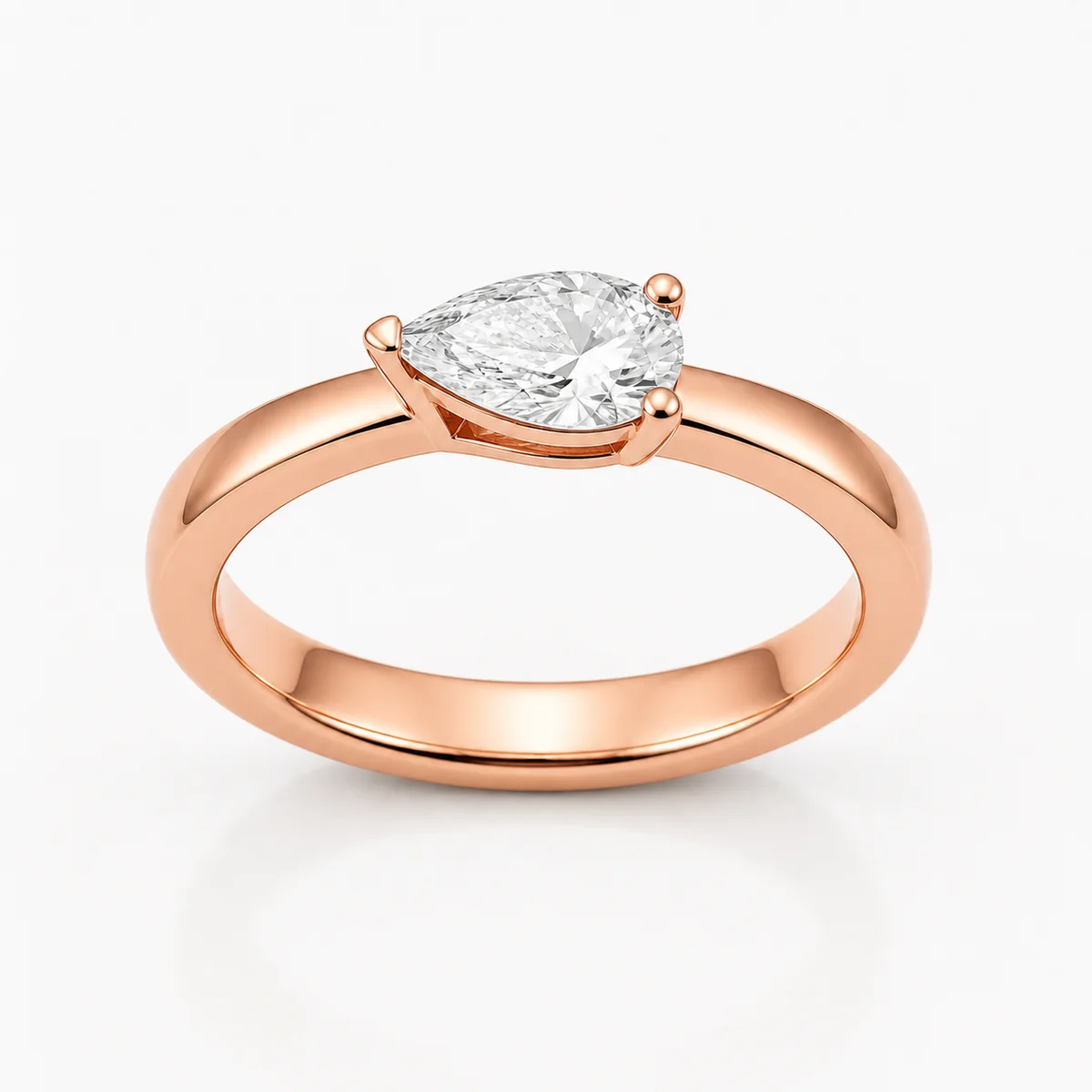 East-west pearThe stone set sideways. Modern, and rarer than it should be.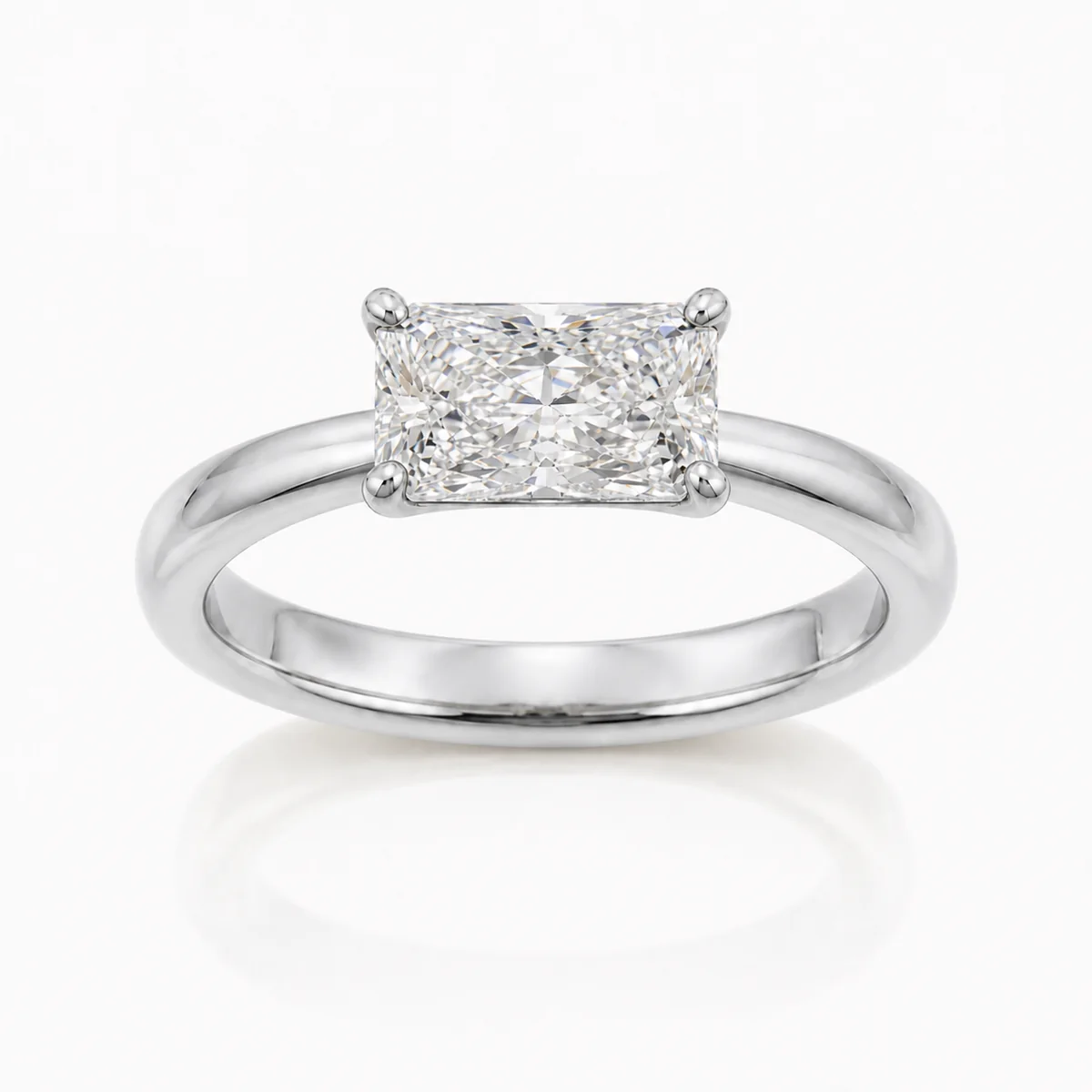
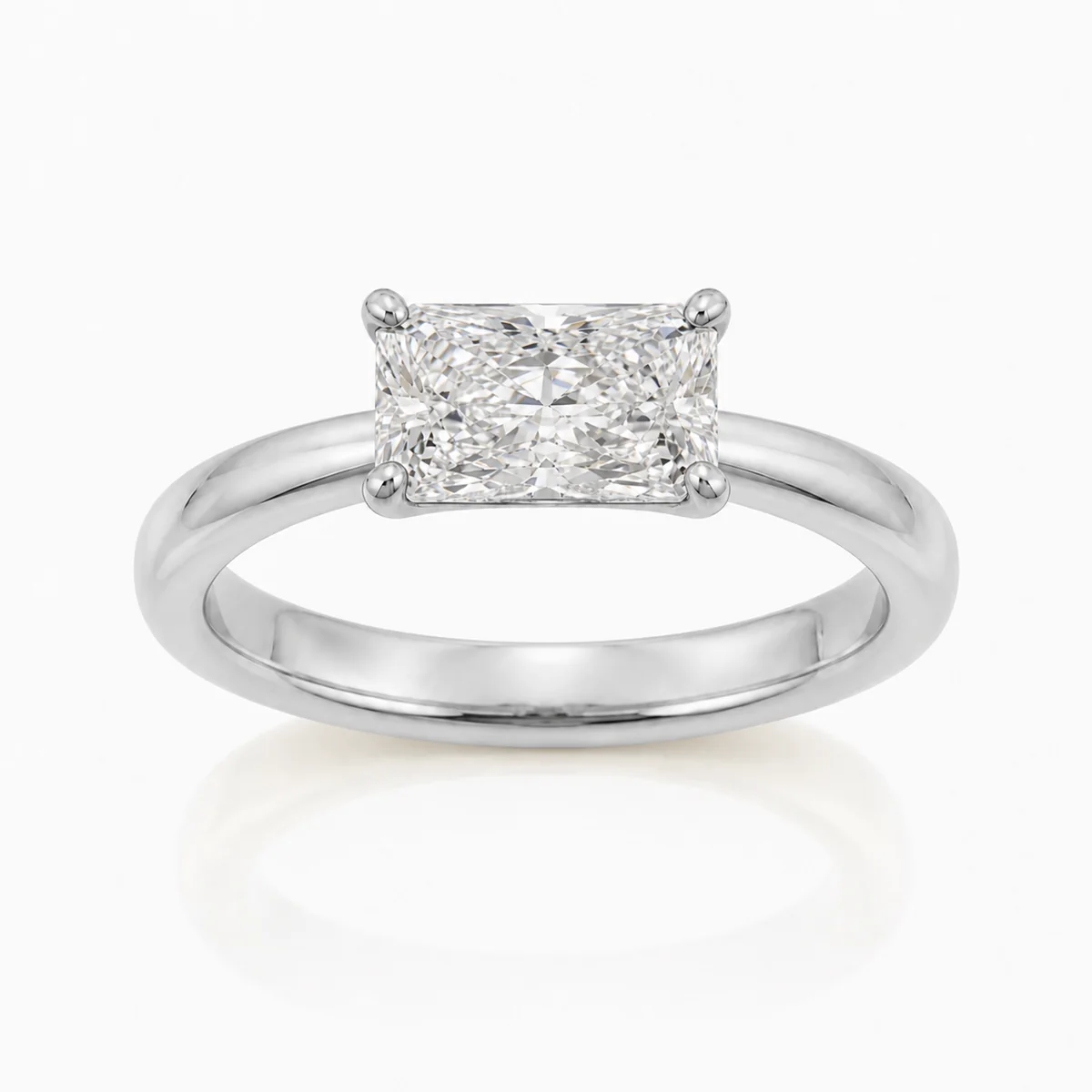
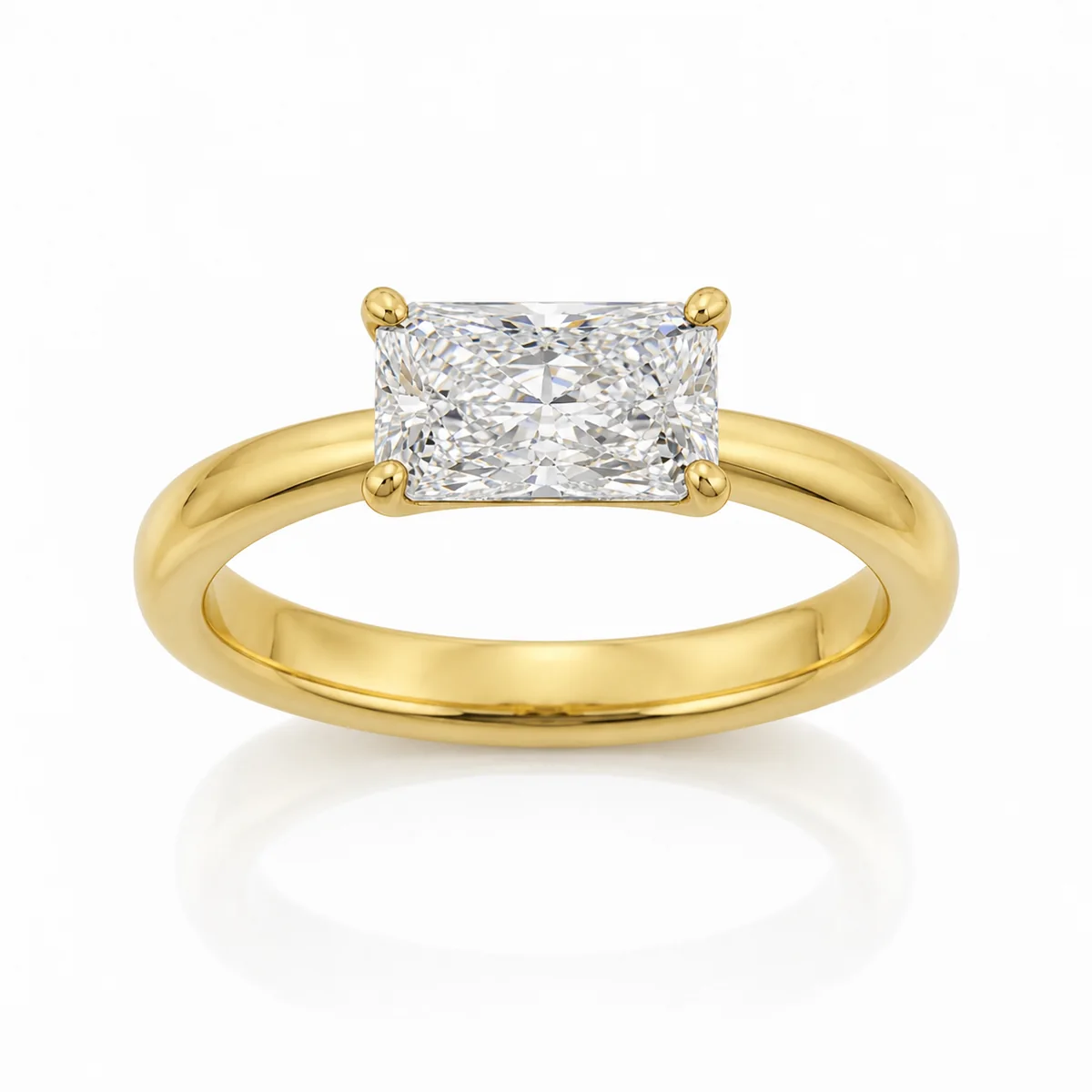
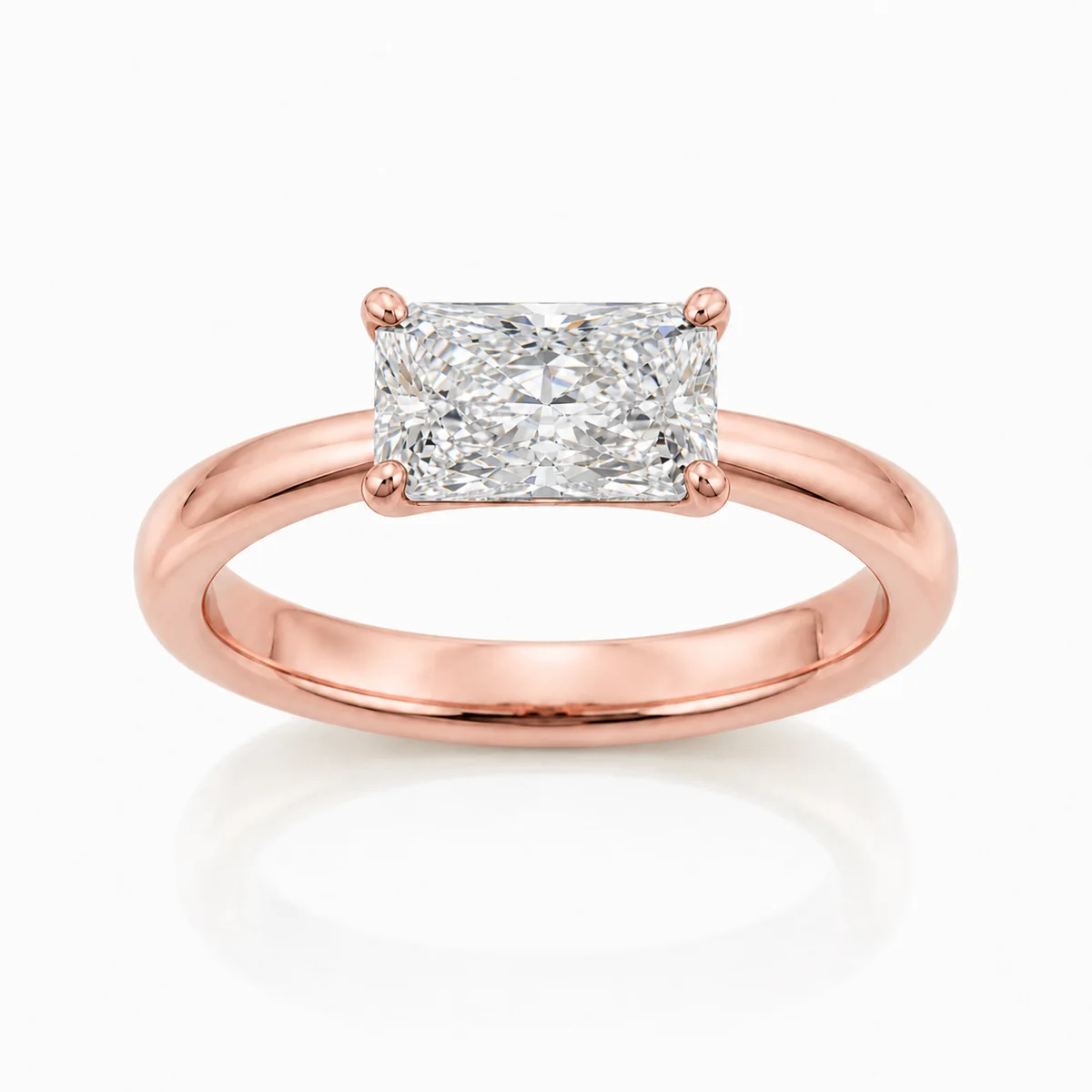 East-west radiantLong stone, low profile.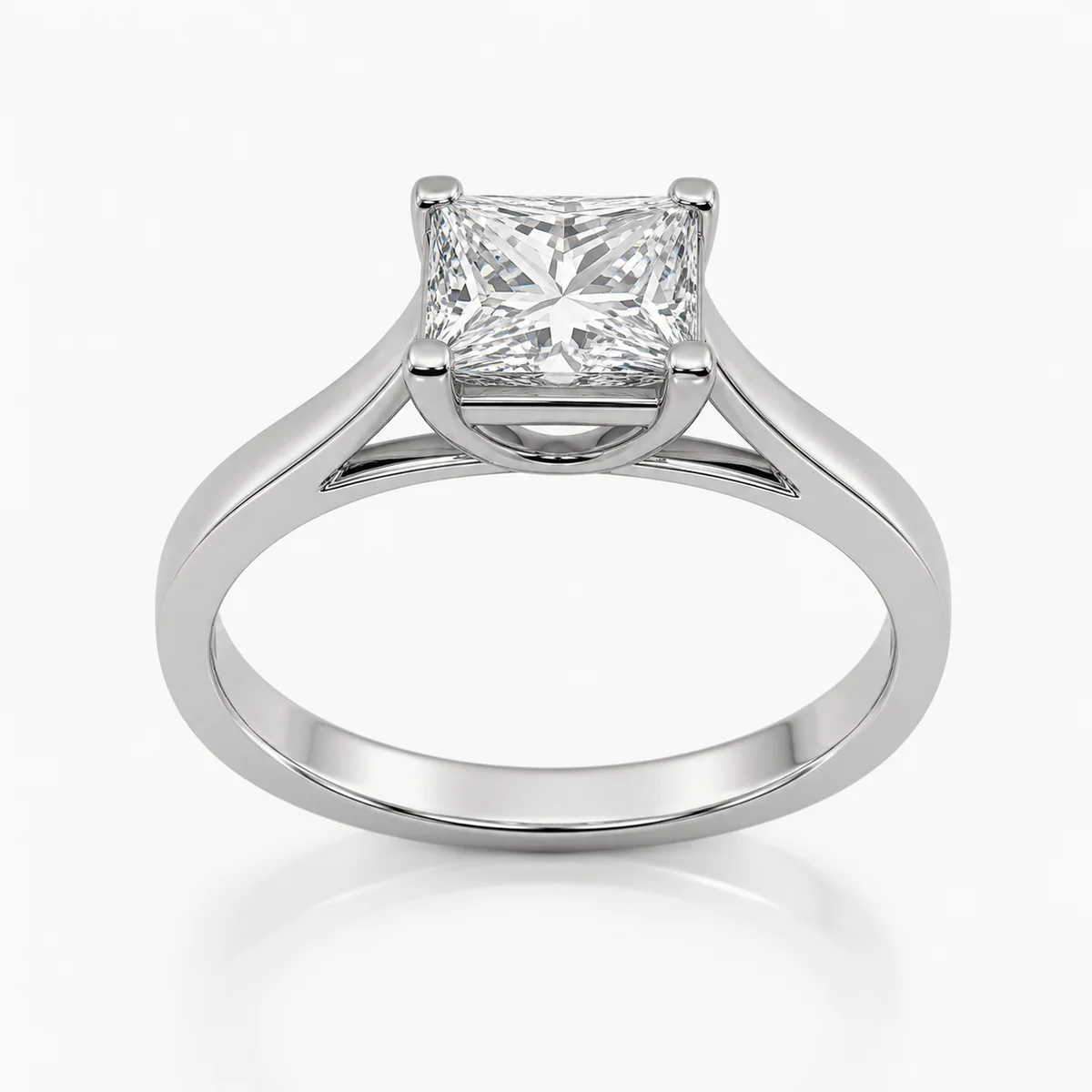
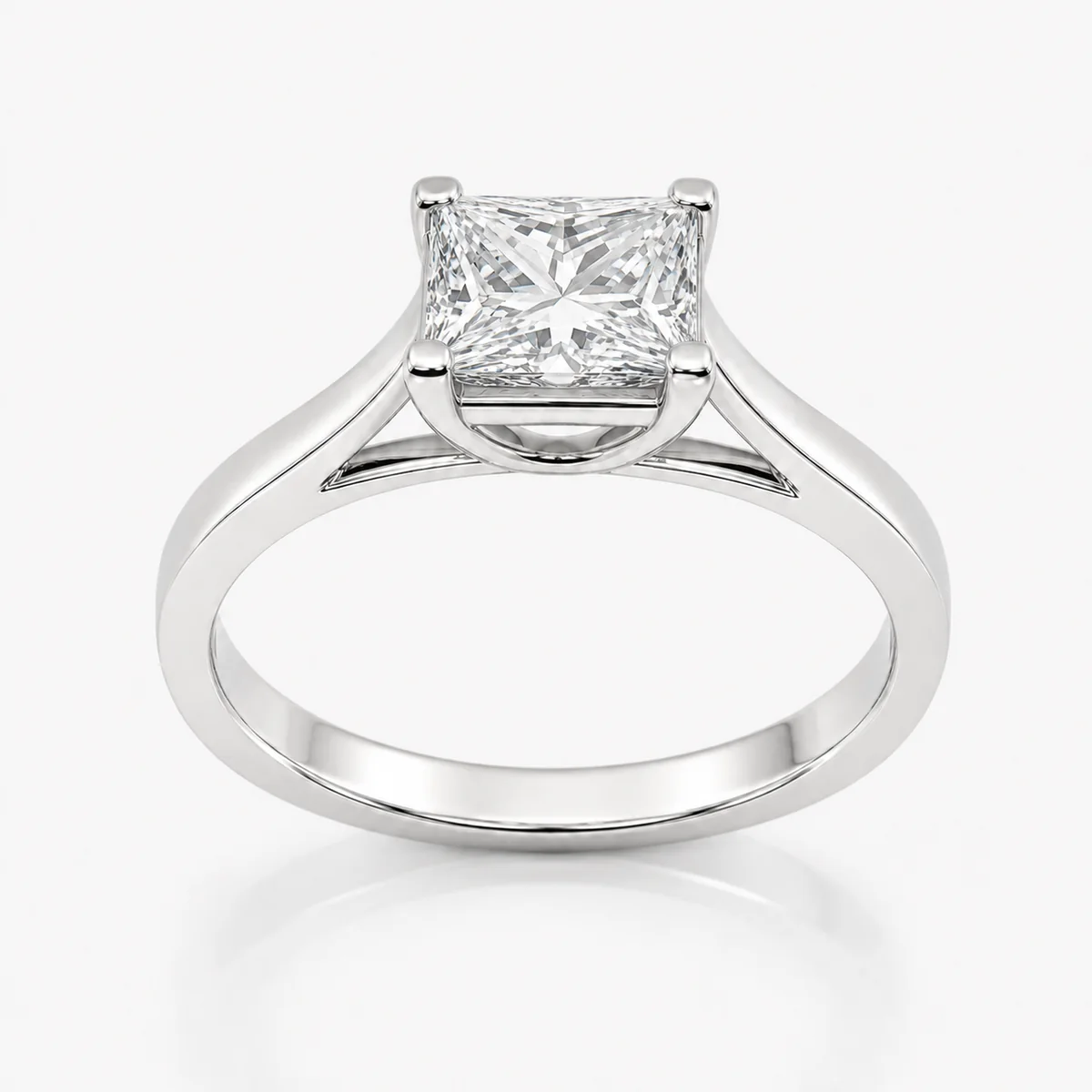
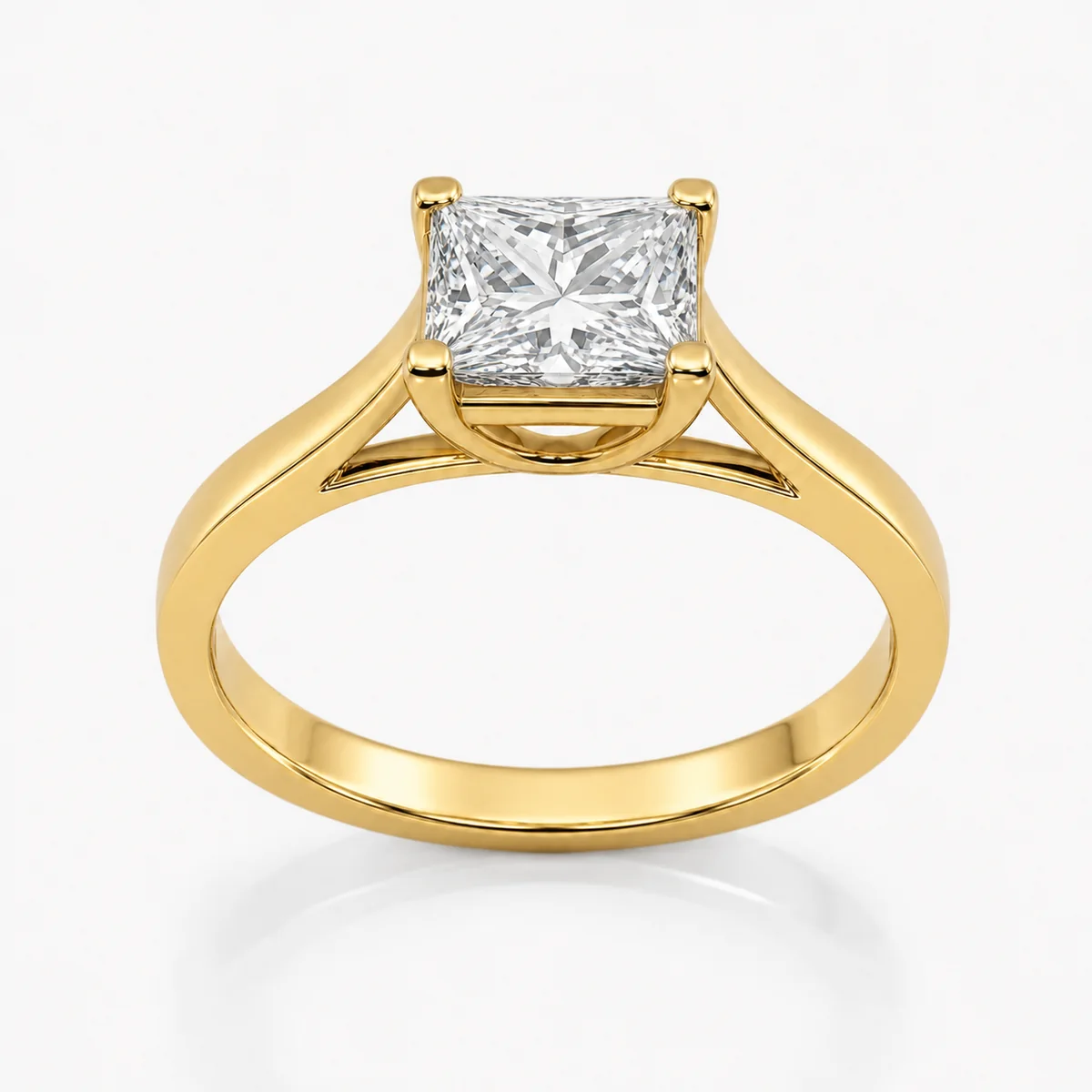
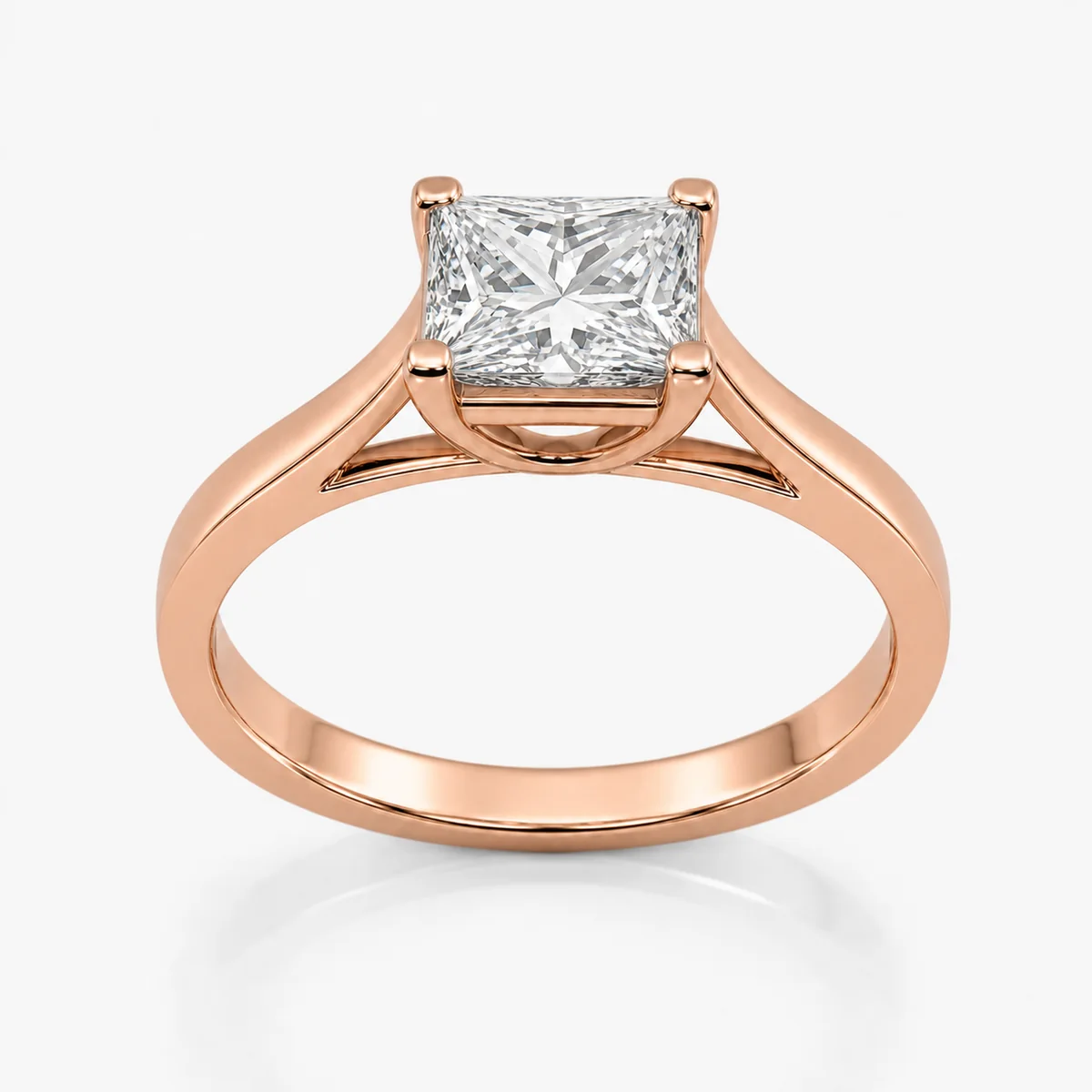 Cathedral princessRaised shoulders lift a square stone.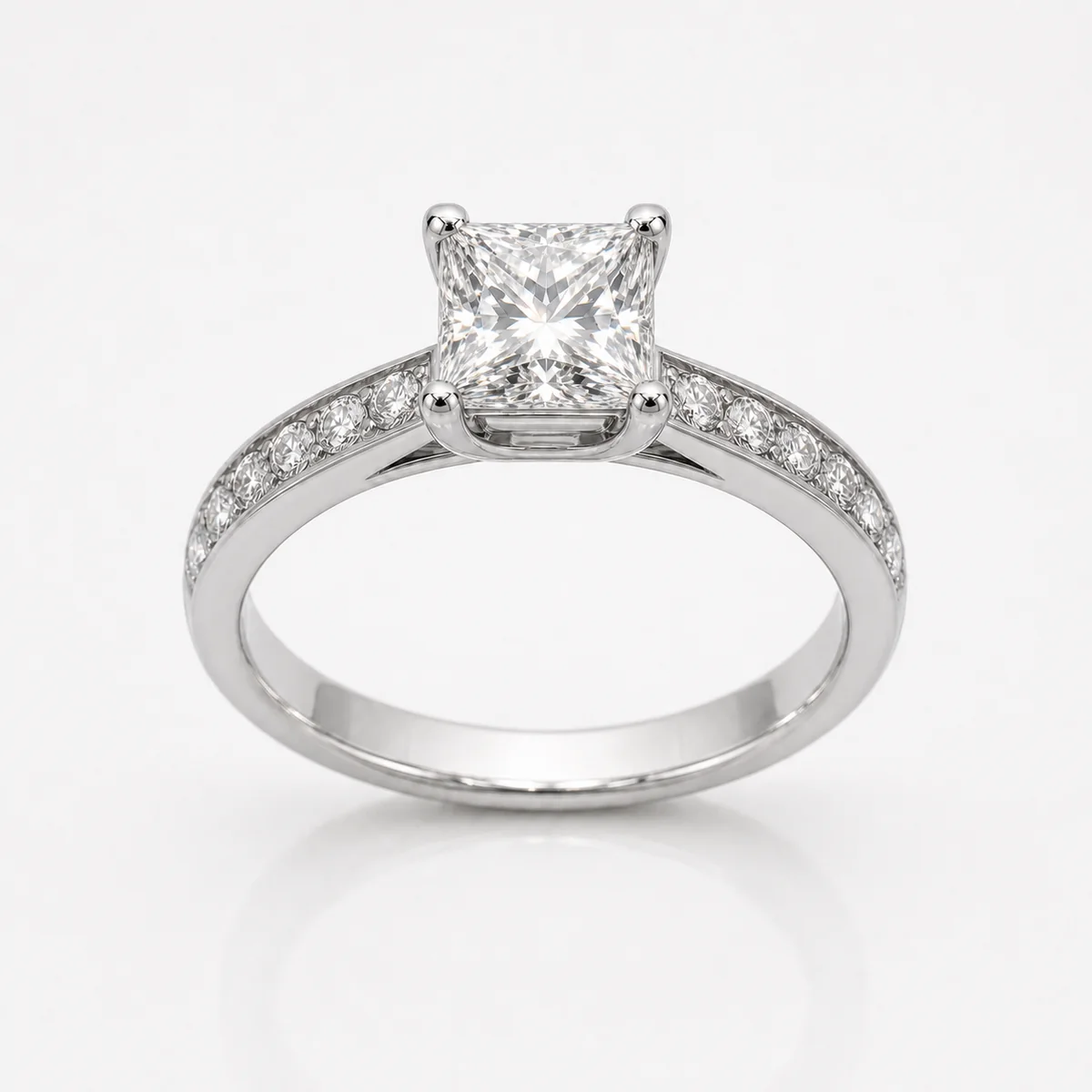
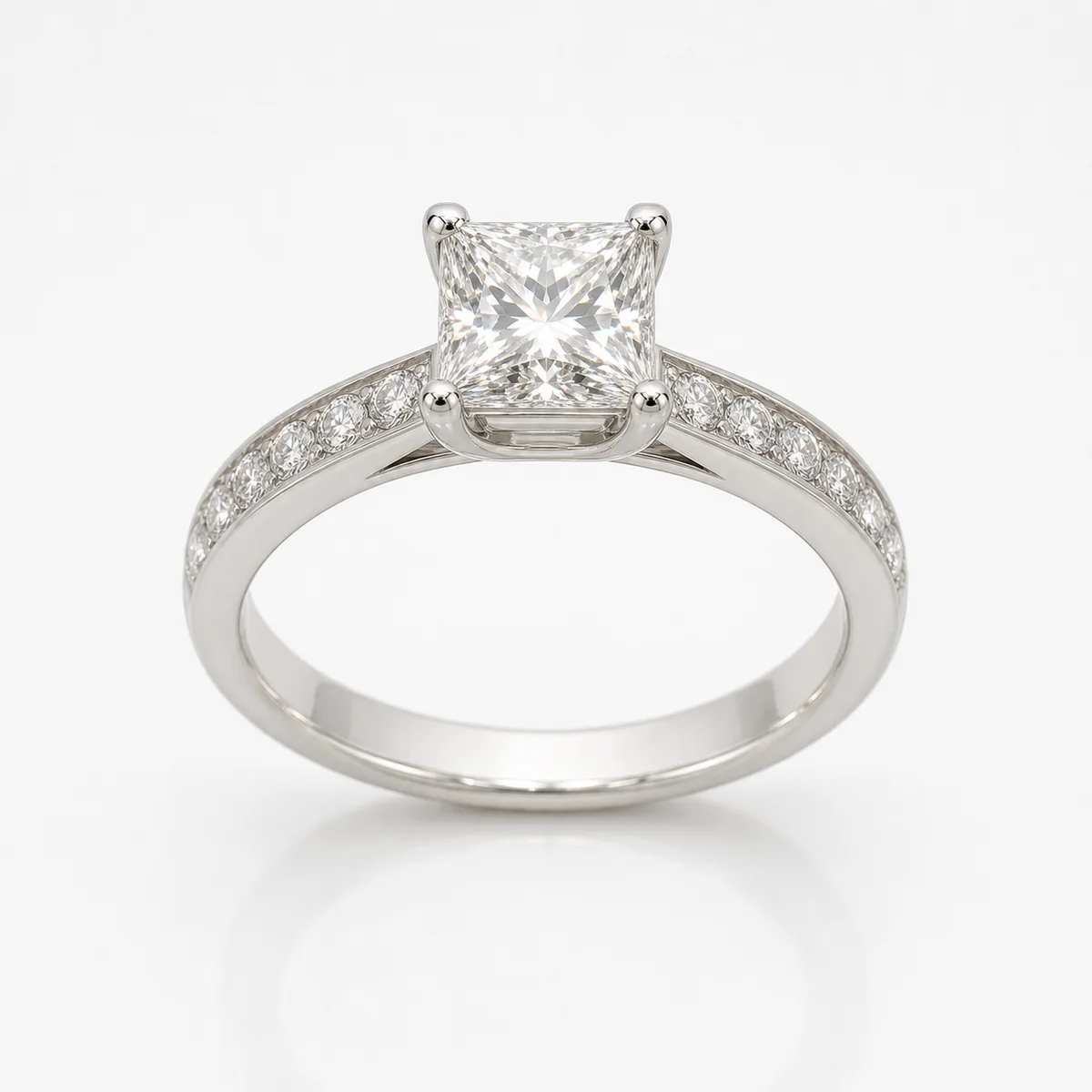
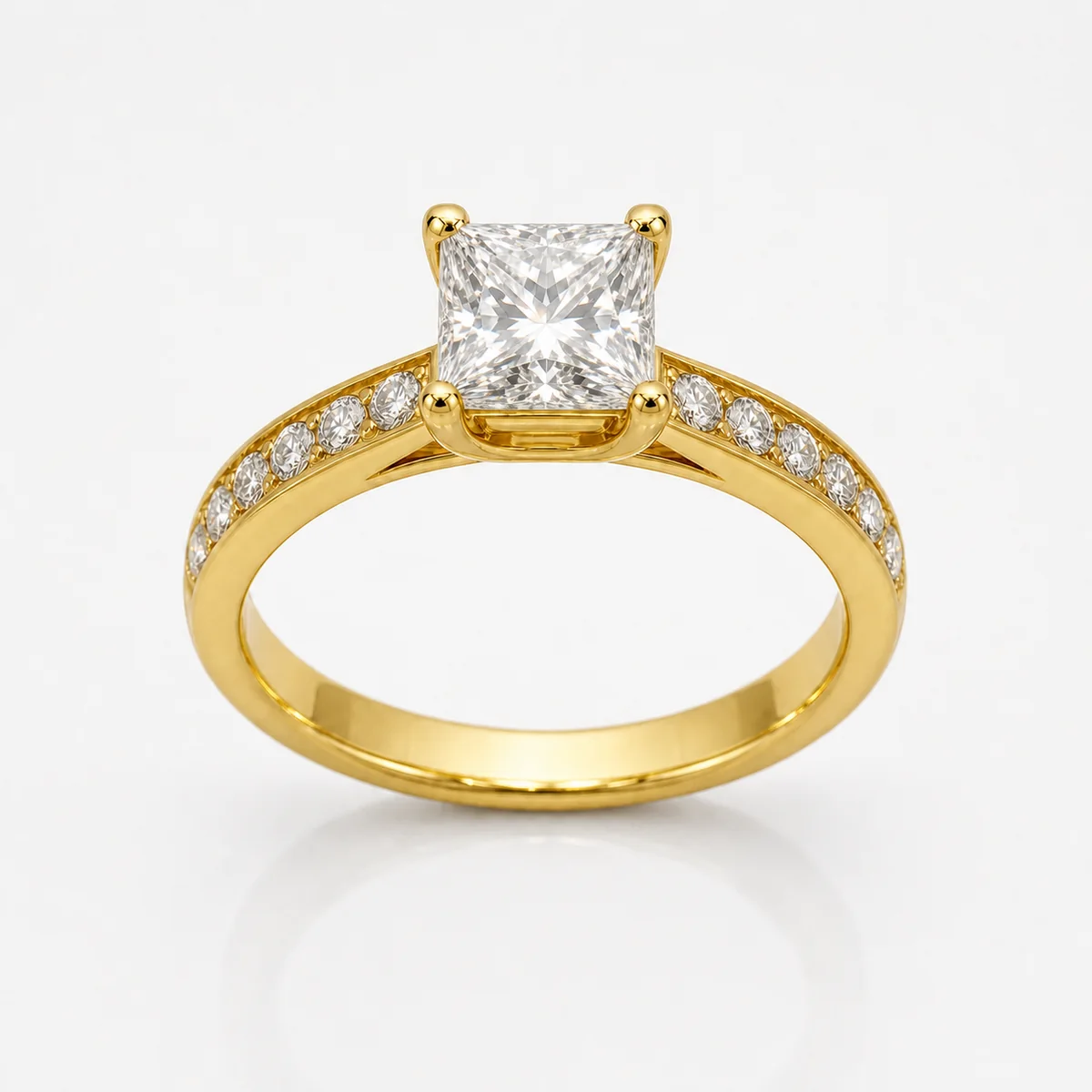
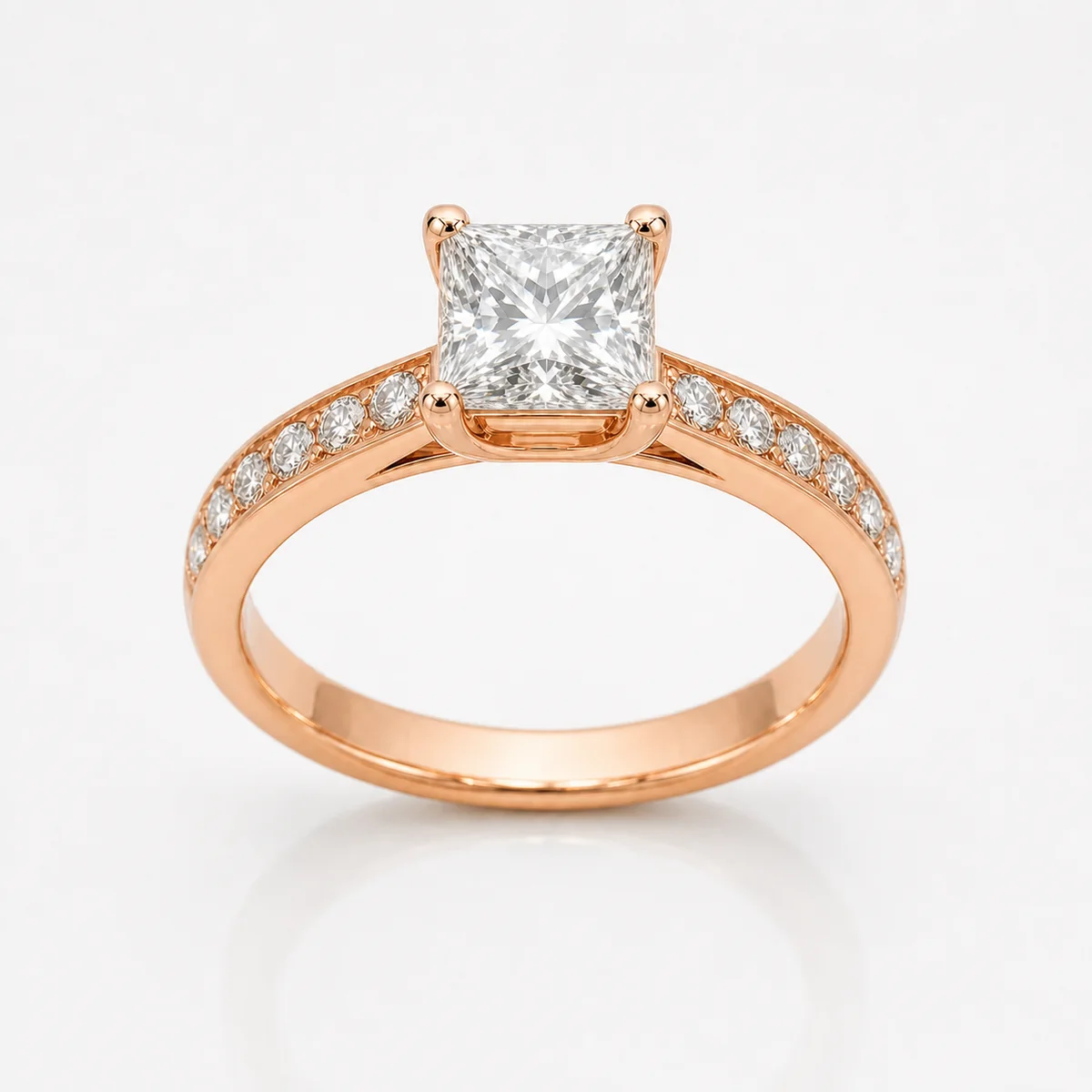 Princess with side stonesSquare centre, a line of small stones each side.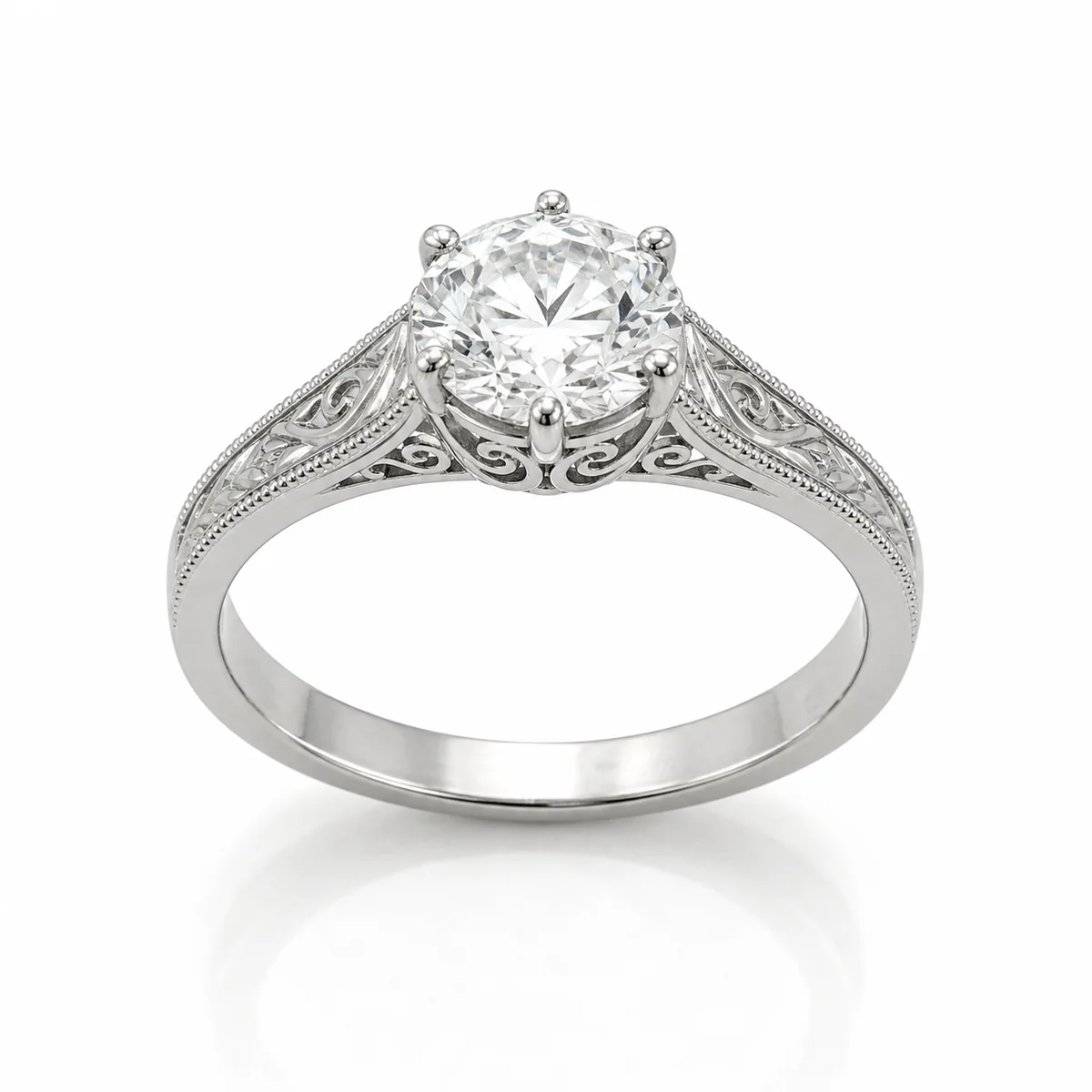
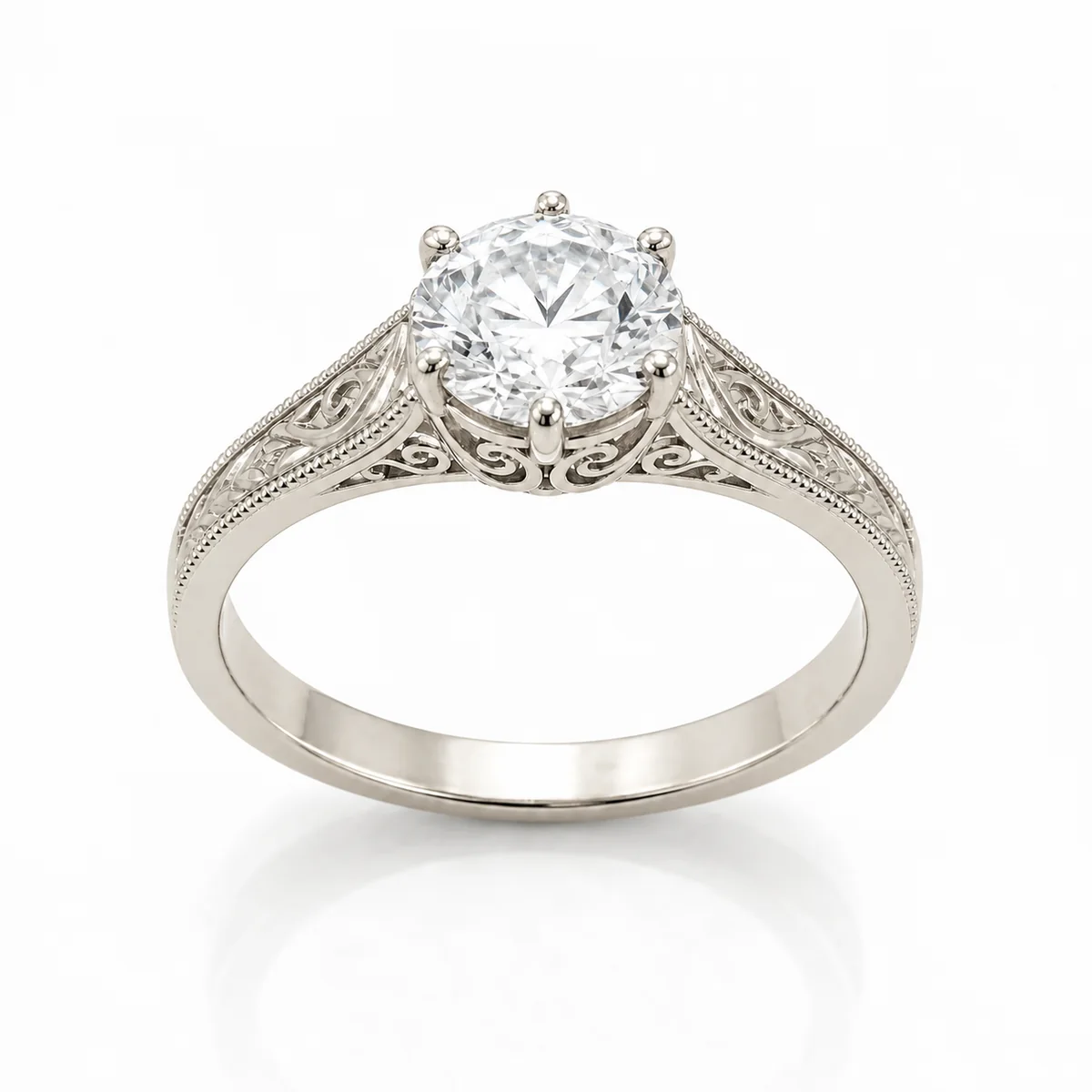
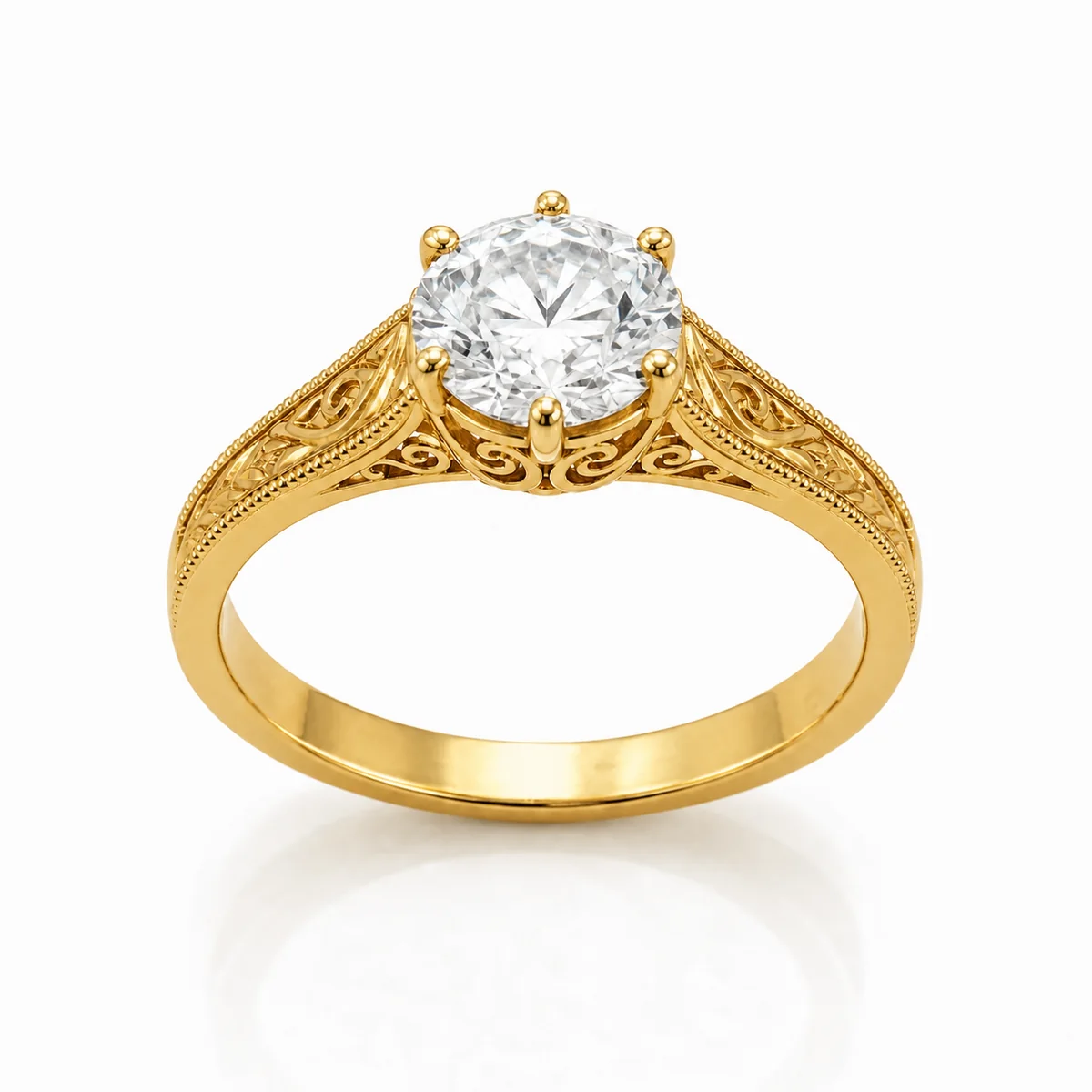
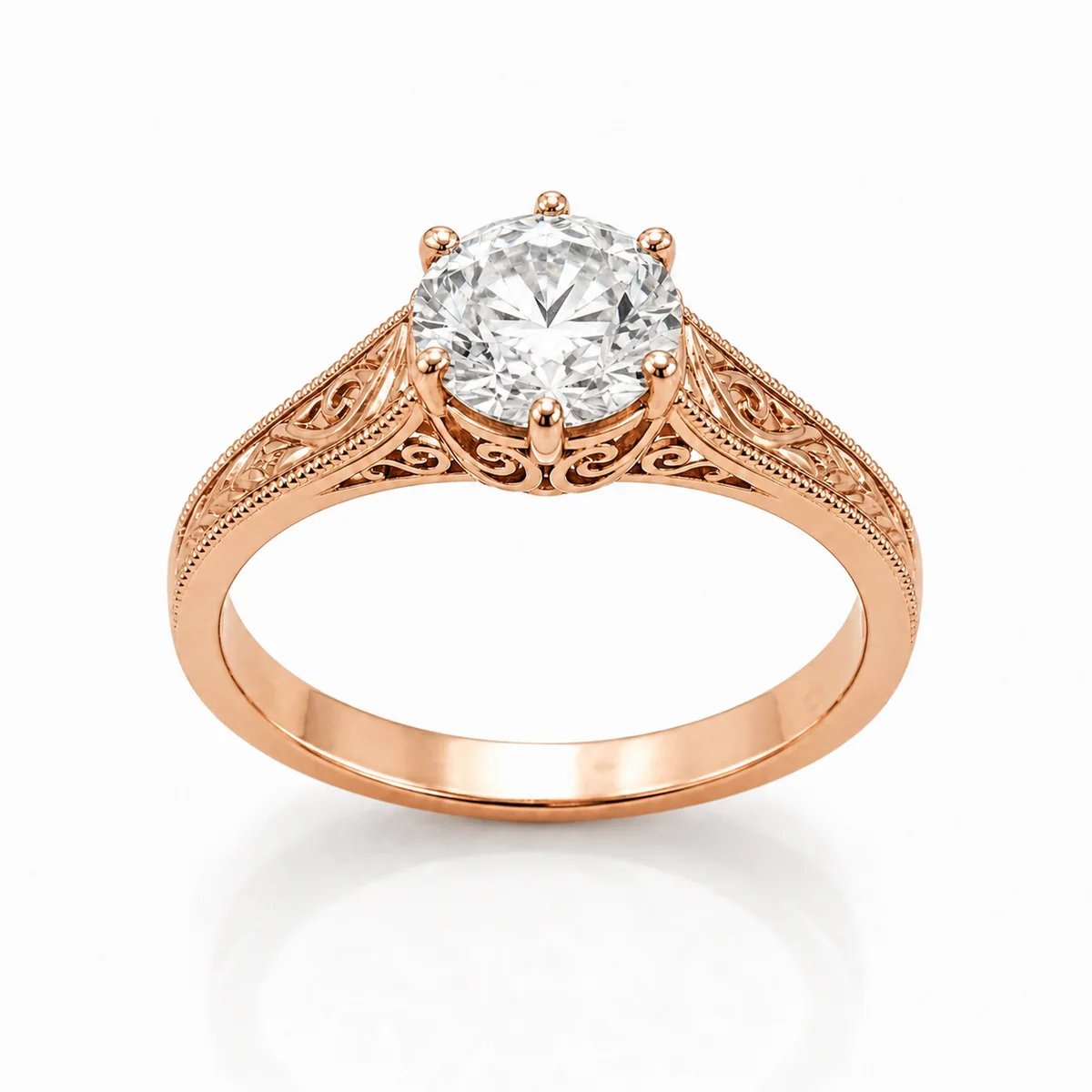 Antique filigreeMilgrain and scrollwork. Made new, looks inherited.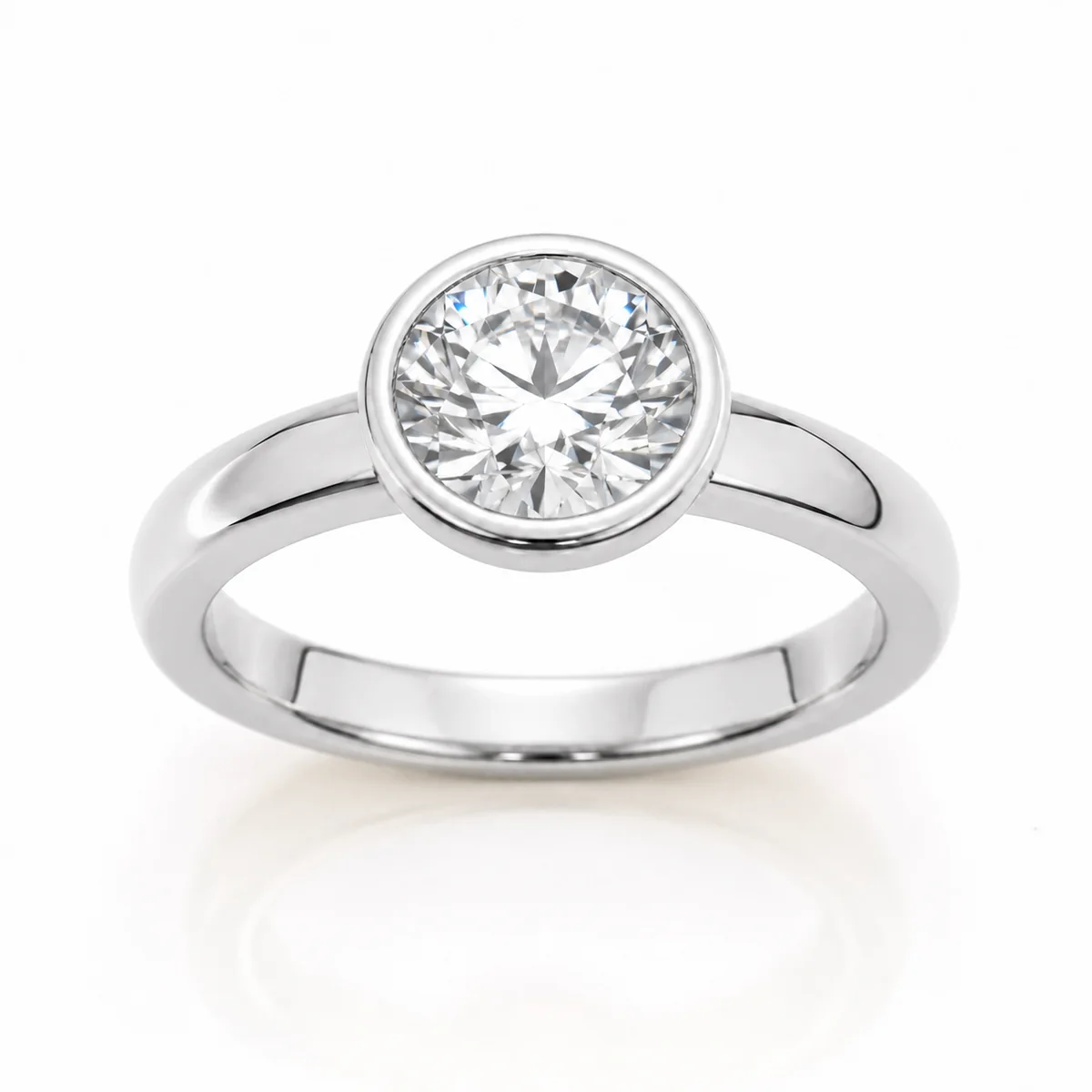
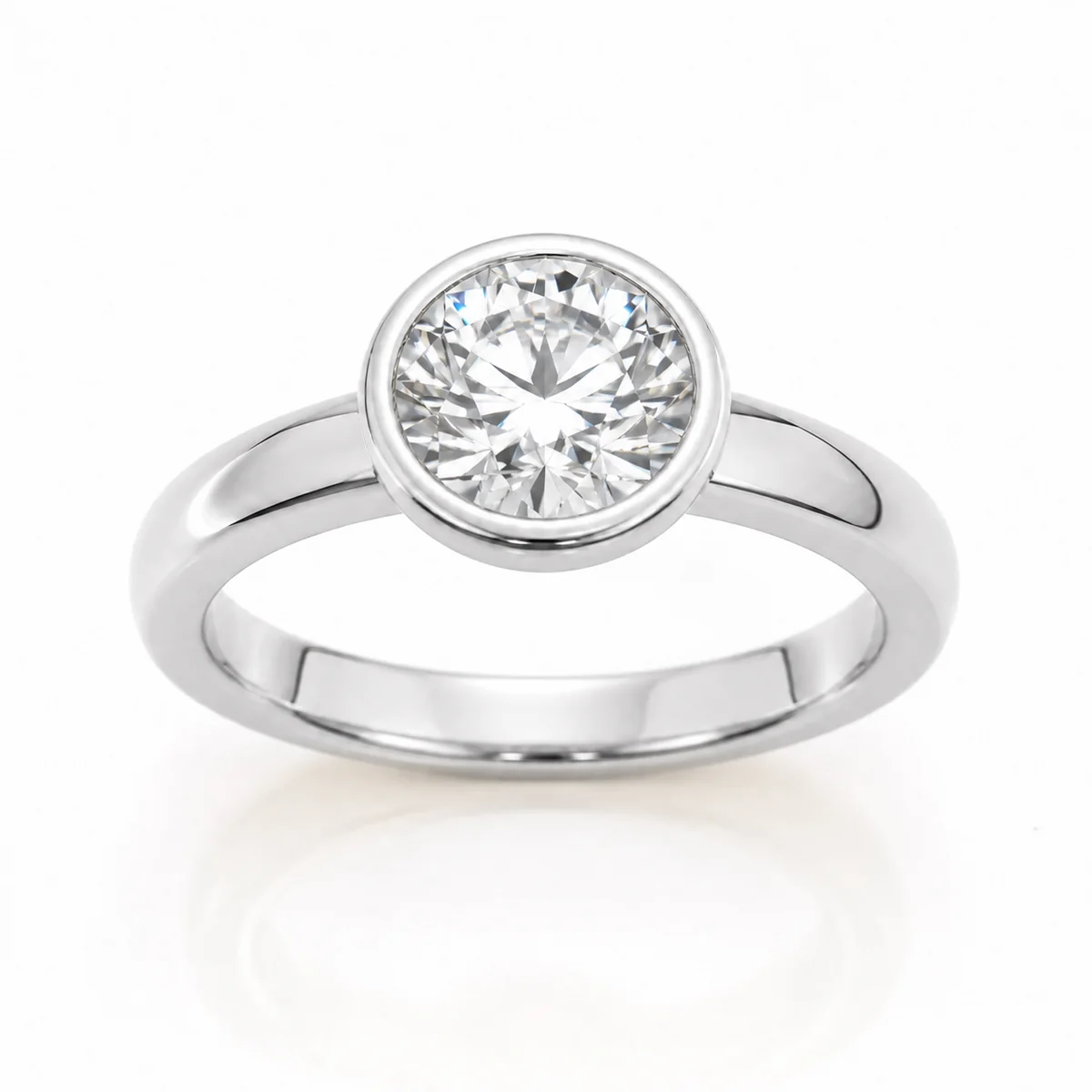
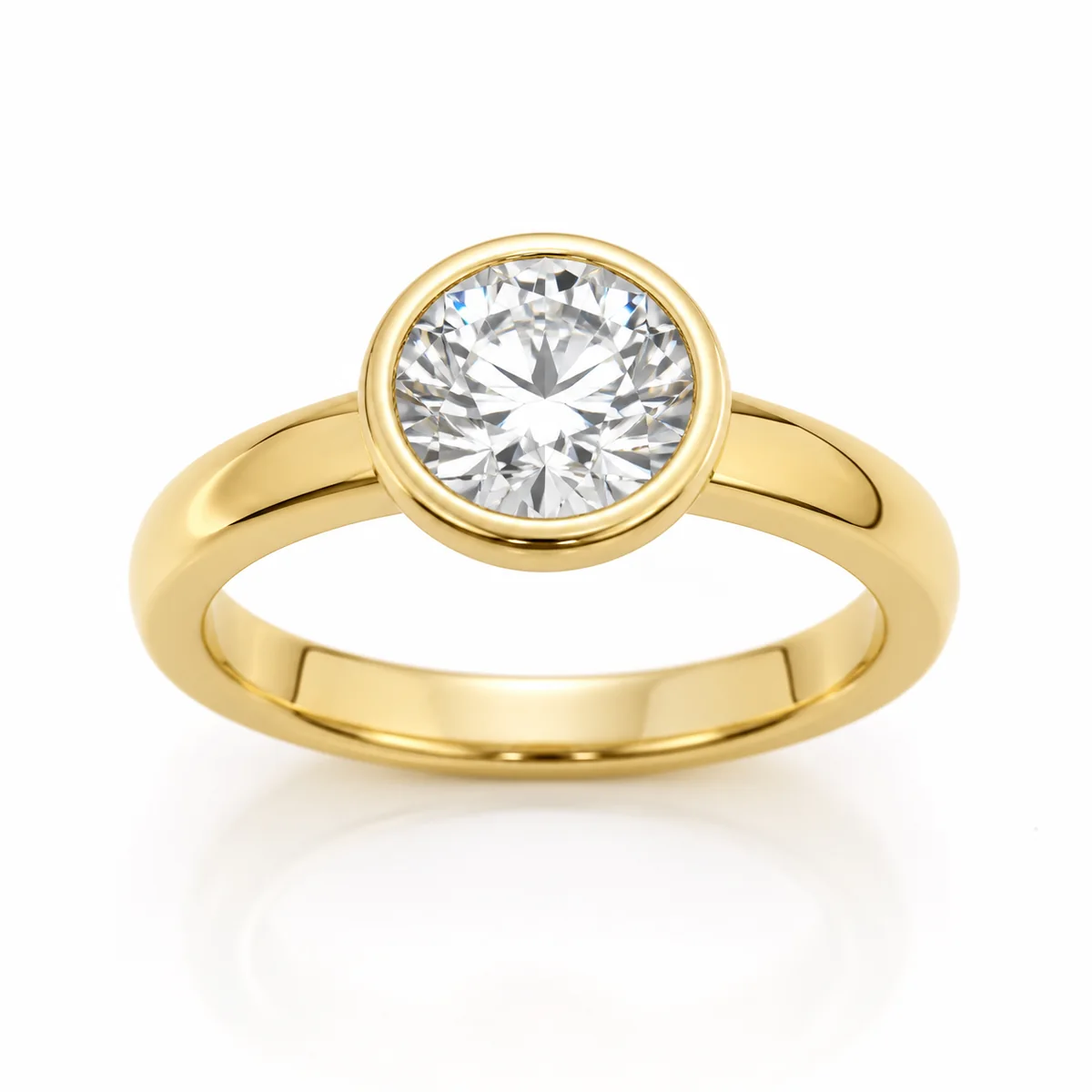
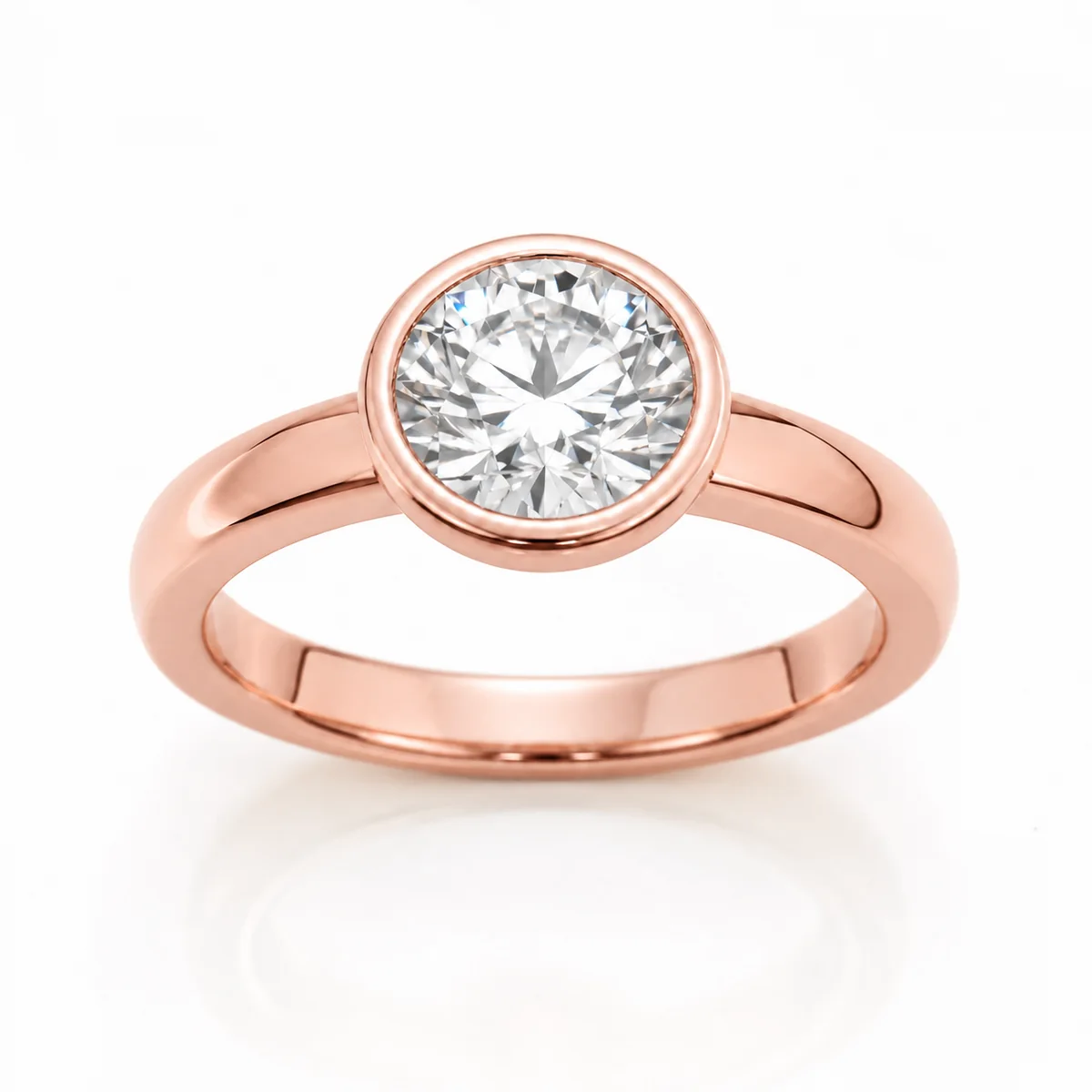 Bezel solitaireA rim of metal all the way round. Nothing catches.
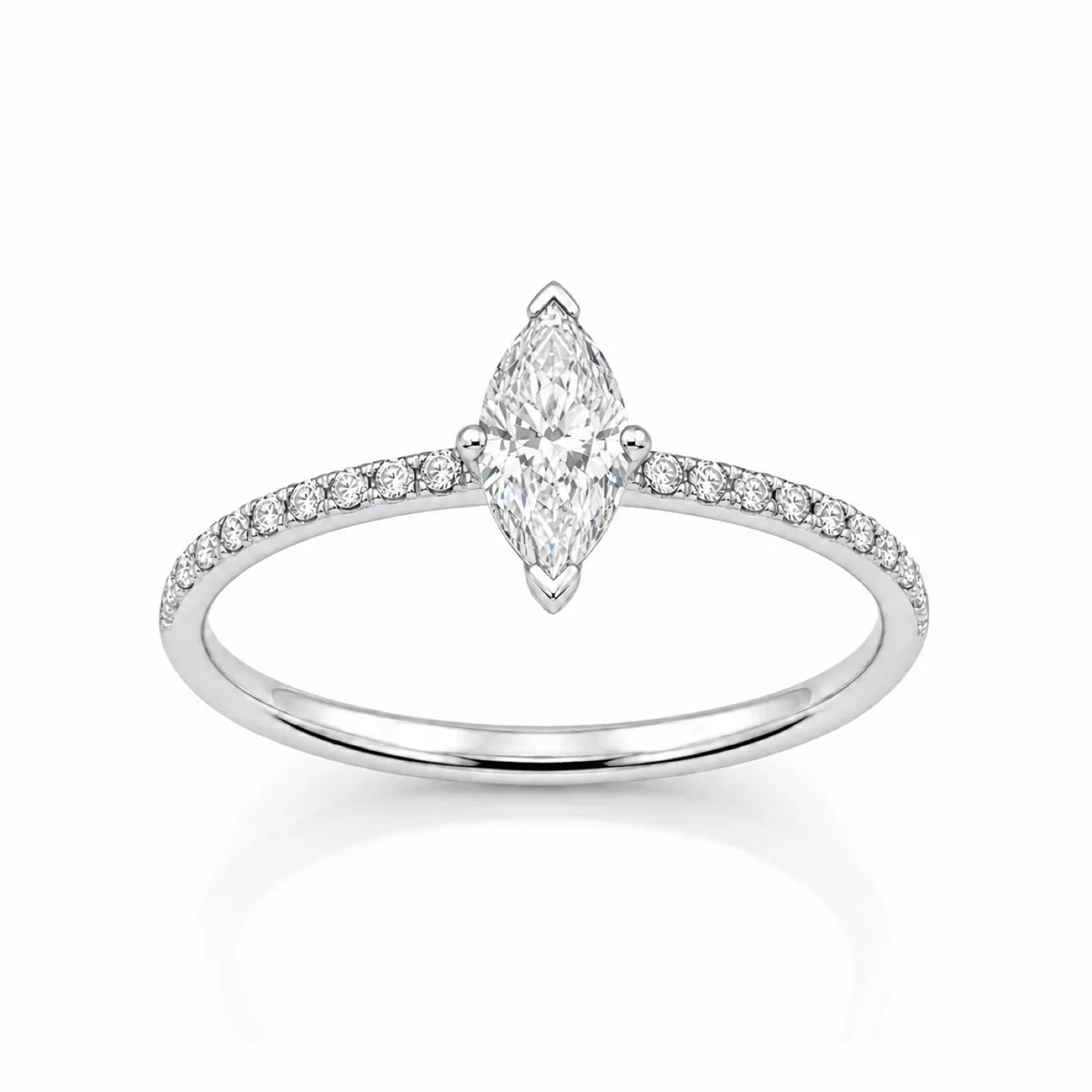
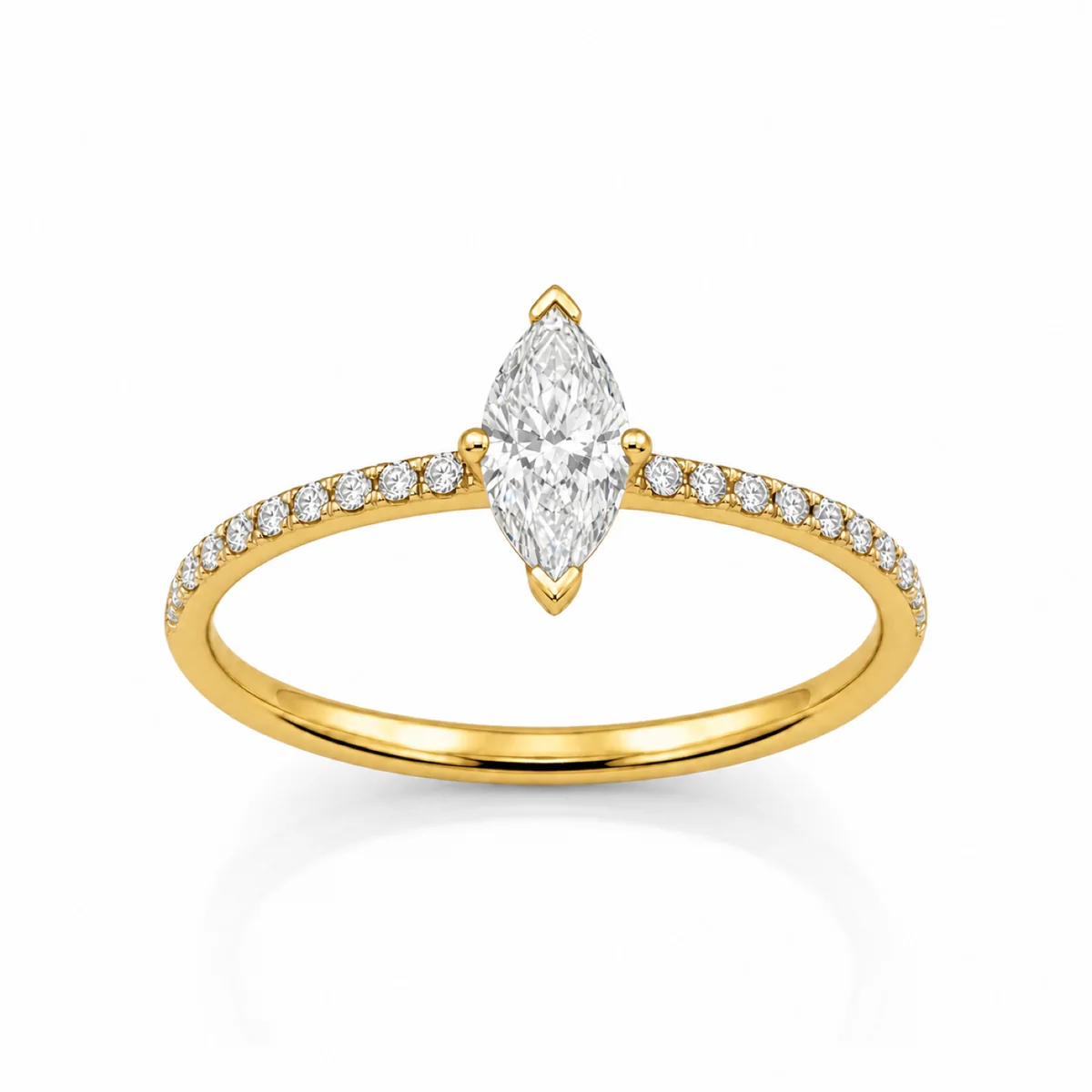
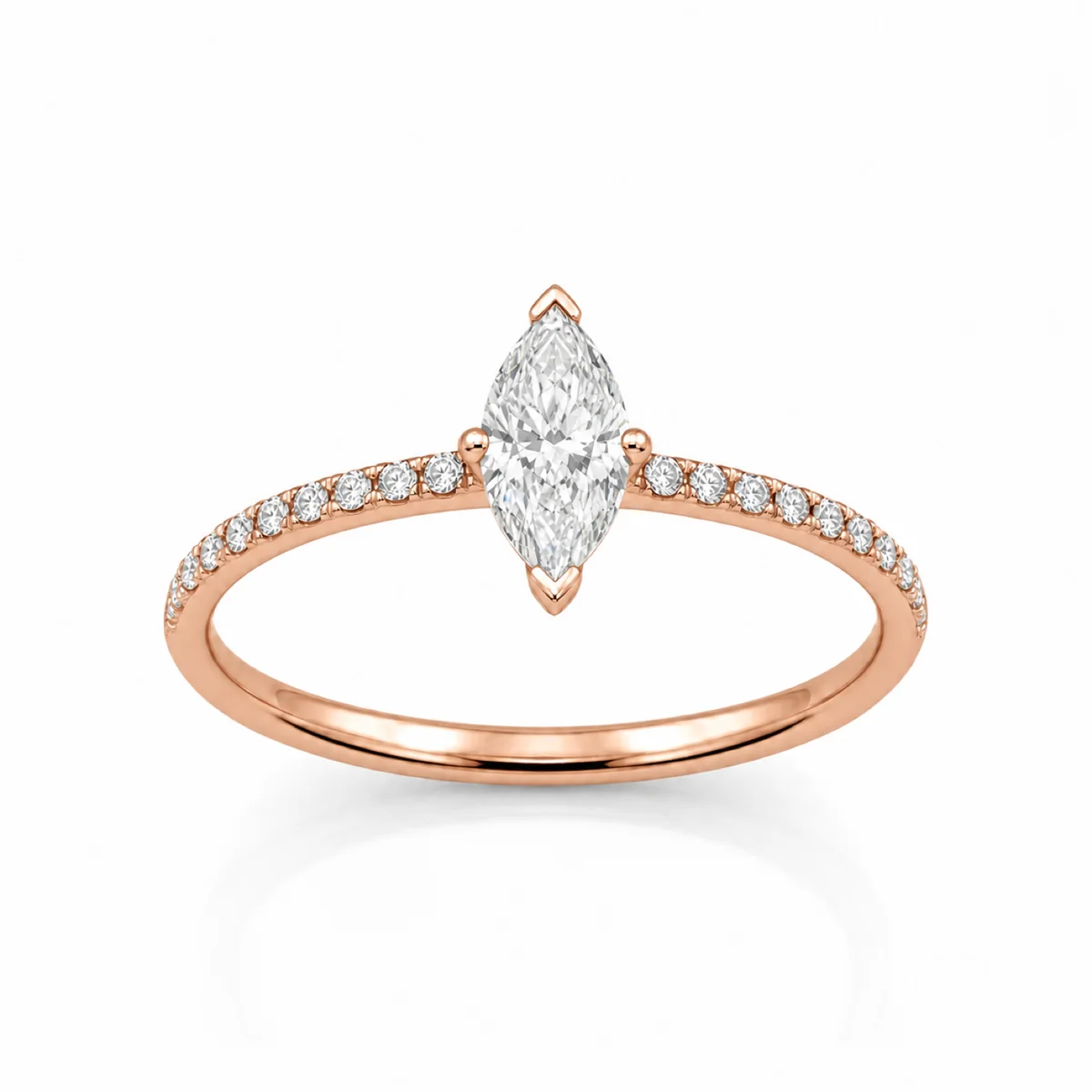 Marquise on pavéA pointed stone on a diamond-lined band.
These are examples, not a catalogue
We are a working bench, so we can make essentially anything: a design off this page, one of these changed, a piece you have seen elsewhere, a drawing, a photograph, or an heirloom reset into something new. Bring the idea in whatever form you have it and we will tell you what it takes and what it costs, before any work starts.
Message Prodiam on WhatsAppor send it through the contact page
Renders are illustrations of a design, not photographs of a piece in stock. The stones in the pictures are stand-ins; yours is the one you choose, certified, with its own report.
What platinum actually is
Platinum is a naturally white precious metal, dense, rare and remarkably stable. The grade we cast for engagement rings is 950 platinum, which is ninety-five per cent pure platinum by weight, with the remaining five per cent made up of metals such as ruthenium, iridium or cobalt that lend a little working hardness. That is a higher precious-metal content than 18k gold, which is seventy-five per cent pure.
Two physical facts shape everything else about the metal. First, platinum is naturally white, so unlike white gold it needs no rhodium plating to look white; the colour is the metal itself, and it is permanent. Second, it is dense, considerably heavier than gold, which is why a platinum ring has a substantial, reassuring weight on the finger that many people associate with quality.
There is a local note worth making, too. Platinum is mined in only a handful of places on earth, and South Africa is by far the largest source, so a platinum ring made here in Johannesburg carries a quiet thread of local provenance. Prodiam works 950 platinum alongside 18k white, yellow and rose gold on the same Bedfordview bench, so we can show you a stone against each before you choose.
Why platinum holds a diamond most securely
This is platinum’s quiet superpower, and the reason it is the metal of choice for a large or valuable stone. When any metal is scratched or knocked, something has to give. With gold, a little metal is worn away and lost over the years. With platinum, the metal is pushed aside rather than removed, it displaces into that soft patina rather than thinning, so the claws holding your diamond keep their mass and their strength for decades.
For an engagement ring, where the single most valuable thing is the stone and the claws are all that hold it, that matters. A platinum head is the most dependable way to keep a significant diamond secure over a lifetime of daily wear, which is why fine jewellers reach for it on important stones even when the band is another metal.
It is also why platinum suits an active hand and a long engagement so well. The metal asks very little of you and quietly protects the most important part of the ring. We still recommend a claw check every year or two, as we would for any setting, but platinum gives you the widest margin of safety of any metal we work.
Platinum versus white gold, the honest comparison
Platinum and white gold are the two white metals we are asked for most, and they look very alike on the day. The differences are real and they show over years of wear. Neither is simply better; platinum buys permanence and security, white gold buys the same look for less. The table lays out where they part ways.
| 950 platinum | 18k white gold | |
|---|---|---|
| Colour | Naturally white the whole way through; permanent | Rhodium-plated to a bright white; alloy beneath is faintly warm |
| Plating & upkeep | None ever; an optional polish to restore shine or keep the patina | Rhodium re-plating every few years to stay at its whitest |
| Holding the stone | The most secure; metal displaces, so claws keep their strength for decades | Secure, but claws lose a little metal as they wear |
| Feel | Dense and substantial; noticeably heavier | Lighter on the finger |
| Skin | Hypoallergenic; suits sensitive skin | Fine for most; rhodium surface is also skin-friendly |
| Relative cost | Higher: 95% pure, much denser so more metal by weight, harder to work | Generally the more accessible of the two |
In short: platinum gives you a metal that is white forever, holds your stone most securely and feels substantial, at a higher cost; white gold gives you the same bright look for less, with periodic re-plating as the trade-off. The same GIA-certified centre diamond goes into either, made to order on our bench.
Caring for a platinum engagement ring
Platinum is close to the lowest-maintenance metal we work, because there is no plating to renew and no metal lost to wear. It will look white for life with no intervention at all.
What platinum does is develop a patina: a soft, even, satin finish that builds from the countless tiny scratches of daily wear. This is normal and, importantly, it is metal displaced rather than worn away. Many owners come to love the gentle, lived-in lustre and leave it as it is. If you prefer the original bright, mirror shine, a quick professional polish brings it back, and you can switch between the two looks over the years as you please.
Beyond an occasional clean at home in warm soapy water to keep the diamond bright, the only thing worth doing on schedule concerns the stone, not the metal: a claw check every year or two. We handle polishing, resizing and claw checks on our own bench through our resizing and repair service, so the ring stays cared for by the people who made it.
Settings that suit platinum
Platinum suits any engagement-ring setting, and it comes into its own wherever security or a significant stone is involved. These are the styles we are asked for most in platinum.
- Solitaire, the centre diamond alone in a four- or six-claw head. Platinum is the classic choice for a solitaire engagement ring, its white tone disappearing behind the stone and its claws holding it most securely.
- Halo, a frame of pavé diamonds around the centre. Platinum keeps the halo and centre reading as one bright field, and holds the small accent stones firmly. Many halo engagement rings are made in it.
- Three-stone, a centre flanked by two side diamonds. Platinum keeps all three reading bright and white, and secures each.
- Large or high-value centre stones, where the security of platinum claws is not a luxury but sensible protection for a significant diamond, which is why it is the default for important stones.
Whatever the setting, the shape of the centre stone is the other half of the decision. Platinum suits every cut, from a brilliant round to a step-cut emerald; compare them on the diamond shapes page, and remember that cut quality governs how alive the stone looks far more than the metal around it.
How a platinum ring is made to order
- 01
Brief
Tell us the centre-stone shape and carat, the colour and clarity range, the setting style, the finger size, your budget and your deadline, and confirm you want the band in 950 platinum rather than a gold. Darren comes back within 24 hours, in person, by video or on WhatsApp.
- 02
Stone & quote
We cut or match the centre diamond on our Bedfordview bench to GIA Excellent cut grade, supply its GIA report, and quote a firm ZAR figure, including VAT, against the stone, the platinum and the make, before any work begins. Because platinum is naturally white, it shows a colourless to near-colourless stone honestly, so we help you set the colour grade to match the metal.
- 03
Design & sign-off
The setting is drawn up, by CAD render where helpful, and adjusted until you are happy. The claws and any halo or pavé stones are detailed for platinum, the metal that will hold them most securely once cast, and calibrated on the bench to sit true around the centre.
- 04
Cast, set & finish
The ring is cast in 950 platinum. Platinum runs at a far higher temperature than gold and demands specialist bench skill, which is exactly the kind of work a manufacturing bench is set up for. The diamond is set, the piece is hand-finished and checked under loupe and microscope, and there is no rhodium plating step at all, the white you see is the metal itself and it is permanent.
- 05
Hand-over
Presentation at the Bedfordview studio by appointment, or insured overnight courier nationwide via Brink’s or G4S. GIA or EGL certification are included, and a written insurance valuation is available on request.
Still deciding whether the premium white metal is right for your stone? If the centre diamond is large or high in value, platinum is the metal that keeps its claws strong for decades, and that case only strengthens with the size of the stone. To weigh it against the alternatives, our wider engagement ring guide sets out every shape, setting and step in one place; the same work in white gold gives a near-identical look for less, and platinum sits alongside the rest of our diamond ring work. For a fully bespoke platinum commission from a blank page, see how the custom engagement-ring process runs end to end.
When you are ready, tell us what the ring is for and Darren will come back within 24 hours.
How a platinum engagement ring is priced in South Africa
A platinum ring has no single price, because two separate things drive the figure: the diamond, which sets most of the cost, and the platinum, which is the dearer of the precious metals to buy and to work. We price each independently and quote the total.
For the stone, the trade works off the Rapaport list, an international wholesale benchmark quoted in US dollars per carat for each colour-and-clarity combination at each size. A polished diamond trades at a discount to that list for its exact make, the rand-dollar rate of the day converts the dollar figure, and 15% VAT is added on top. That benchmark shifts with the currency and the market, so it is worth understanding how the rand has moved diamond prices since 2022 before you fix a budget.
The platinum is then costed on the metal weight the design uses, and here the metal's own properties push the figure up. Because 950 platinum is ninety-five per cent pure against 18k gold's seventy-five, and far denser, so a ring swallows more metal by weight, and because casting it at that higher temperature asks for specialist bench time, the metal-and-making portion of a platinum ring runs above the same design in gold. That is the honest reason platinum costs more, not a markup but more precious metal and more skilled work.
What is not in your price is the importer-and-wholesaler margin, because we cut the diamond in-house. You pay a landed, Rapaport-referenced level for the same GIA-certified specification a retail counter would mark up, with only the platinum and the make added at cost. The only honest figure is one quoted for your exact stone and design, so we show fully-landed ZAR prices on real GIA-certified diamonds and then quote your chosen ring firm in writing before any work begins.
Platinum engagement rings: common questions
Is platinum the best metal for an engagement ring?
Platinum is the premium white metal, and for many buyers it is the right choice, but "best" depends on what you value.
Where platinum genuinely leads is on three counts: it is naturally white the whole way through, so it never needs re-plating and never warms in tone; it is the most secure metal for holding a diamond, because under wear it displaces rather than sheds metal, so the claws keep their strength for decades; and it is hypoallergenic, which suits sensitive skin.
The trade-offs are an honest higher cost and a heavier feel on the finger. If you want a metal that stays white forever, holds a significant stone most securely, and you are happy to pay for it, platinum is hard to beat. If bright white at a more accessible price suits you better, white gold gives a very similar look with re-plating as the trade-off.
We make both on the same Bedfordview bench.
What is 950 platinum, and how pure is it?
The platinum we cast for engagement rings is 950 platinum, which is ninety-five per cent pure platinum by weight, with the remaining five per cent made up of metals such as ruthenium, iridium or cobalt that add a little working hardness. That is a notably higher precious-metal content than 18k gold, which is seventy-five per cent pure.
Platinum is naturally white, so unlike white gold it needs no rhodium plating to look white; the colour is the metal itself, permanently.
It is also dense, considerably heavier than gold, which is why a platinum ring feels substantial on the hand, and rare, mined in only a handful of places, of which South Africa is by far the largest, a quiet point of local pride in a ring made here. We work 950 platinum alongside 18k white, yellow and rose gold on our own bench.
What is the difference between a platinum and a white gold engagement ring?
They look almost identical on the day, both bright and white, but they differ in ways that matter over a lifetime of wear. Colour: platinum is naturally white right through and never changes, while white gold is rhodium-plated and needs re-plating every few years to stay at its whitest.
Security and wear: platinum is denser and, crucially, when it is scratched the metal is pushed aside rather than worn away, so the claws holding your diamond keep their mass and strength for decades, which is why it is the metal of choice for a large or valuable stone; white gold is harder on the surface but loses a little metal as it wears.
Feel and cost: platinum is noticeably heavier and costs more, because it is ninety-five per cent pure against 18k’s seventy-five, much denser so a ring uses far more metal by weight, and harder and more specialised to work. Neither is better in the absolute; platinum buys permanence and security, white gold buys the same look for less.
Does a platinum engagement ring need re-plating?
No, and this is one of platinum’s defining advantages. White gold owes its bright white finish to a rhodium plate that wears thin and must be re-applied every few years; platinum is naturally white the whole way through, so there is nothing to plate and nothing to wear off. A platinum ring will look white for as long as you own it, with no maintenance to keep it that way.
What platinum does do over time is develop a soft, matte patina, a faint, even satin texture from the countless tiny scratches of daily wear. Importantly, that patina is metal displaced, not lost. Many owners love the lived-in look and leave it; others prefer the original mirror shine, and a quick professional polish restores it whenever you wish.
Either way, the metal stays white and the stone stays secure, with no plating schedule to keep.
Is platinum worth the extra cost?
It depends on what the extra buys you, and for the right ring it is genuinely worth it. You are paying more for three real things: a metal that is white permanently with no re-plating, the most secure setting there is for a diamond, and a higher purity and density that give the ring a substantial, lasting feel.
That security argument grows with the stone: for a large or high-value centre diamond, the fact that platinum claws keep their strength for decades is not a luxury, it is sensible protection for the most valuable thing on the ring. For a smaller stone on a tighter budget, white gold gives nearly the same look for less, and that is an entirely reasonable choice.
We will tell you honestly which way the decision leans for your particular stone and budget rather than simply pointing you at the dearer metal.
Can you make a platinum engagement ring if I am not in Johannesburg?
Yes, a large share of our engagement rings are commissioned remotely, across South Africa, as well as from South Africans abroad. The design and stone conversation happens by video and WhatsApp, you approve the centre diamond from its GIA report plus loupe photography and a live video viewing, and you sign off the design before the ring is cast in 950 platinum.
Platinum casts at a much higher temperature than gold and asks for specialist skill at the bench, which is exactly the kind of work a manufacturing bench is set up for. We quote a firm rand figure before any work begins, and the finished ring is delivered insured and overnight nationwide via Brink’s or G4S, with its GIA or EGL certificate included, and a written insurance valuation on request.
If you are unsure of the finger size, we size it from a ring she already wears, so the proposal stays a surprise.
Last reviewed: June 2026.